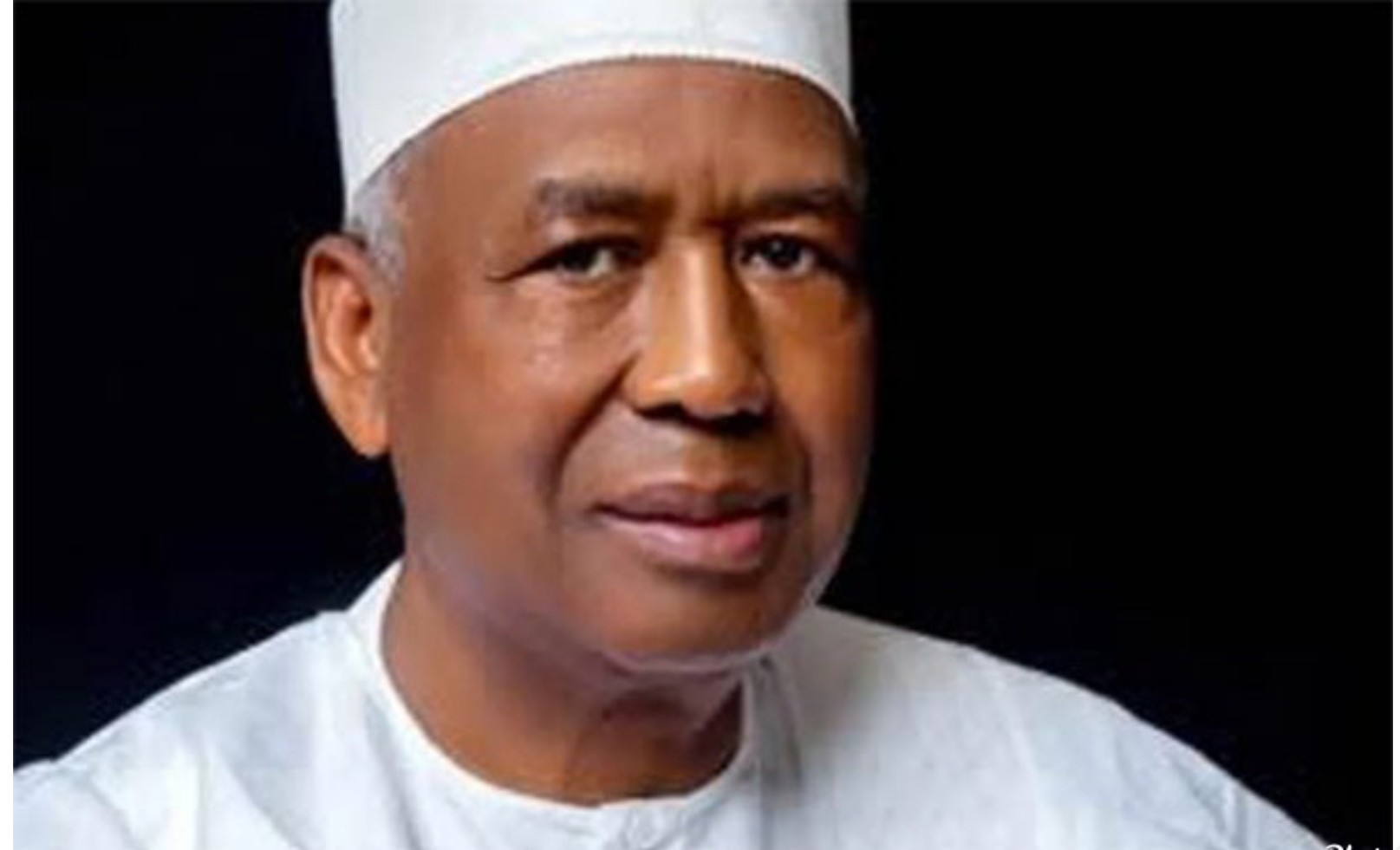
As citizens of Anambra state gear up for the upcoming gubernatorial election scheduled to hold on November 8, 2025, Within Nigeria documents the list of aspirants and also key information that electorates should know. This is crucial in informing citizens about their candidates and what to expect during the elections.
Who are the candidates?
Sixteen out of the 19 registered political parties in Anambra will contest for the number one seat in the state. However, only two of the participating parties fielded female candidates for governor, while six parties have female running mates.
These candidates are: Ukachukwu Nicholas (All Progressives Congress), Nweke Japhet (Action Alliance), Ifemeludike Chioma (African Action Congress), Ezenwafor Jude (Peoples Democratic Party), Soludo Charles (All Progressives Grand Alliance), Geoffrey Onyejegbu (New Nigeria People’s Party), Moghalu Nnadubem (Labour Party).
Others are: Chukwurah Vincent (Social Democratic Party (SDP)), Onyeze Charles (Accord), Nwosu Chuma (African Democratic Congress), Otti Echezona (Allied Peoples Movement), Nweke Chukwudubem (Action Peoples Party (APP)), Okeke Jerry (BOOT), Ndidi Olieh(National Rescue Movement), Chukwuma Paul (Young Progressives Party), Ugwoji Martin (Zenith Labour Party (ZLP)).
Incumbent Governor Charles Soludo will seek to extend his tenure for a second term and continue the All Progressives Grand Alliance (APGA) ‘s 19-year rule in the state.


APGA’s 19-year dominance in Anambra State has made a possible victory for opposition parties uncertain. In 2024, the party won all 21 chairmanship and councillorship seats across the state, further solidifying its control at the grassroots level. Likewise, in August 2025, APGA secured victories in both the Anambra South senatorial bye-election and the Onitsha North I state constituency bye-election.
As the election draws near, concerns have been raised over rising insecurity in the state and the potential for violence during the polls. The Observer group, Kimpact Development Initiative (KDI), warned that Anambra’s electoral process faces multiple structural and situational risks that could undermine peaceful, credible, and inclusive elections.
This warning came months after the Independent National Electoral Commission (INEC) and the Nigeria Police Force assured residents that they were ready to conduct a free and fair election, with adequate security measures in place.
Meanwhile, candidates have made campaign promises focused on healthcare, education, and infrastructure development.
What Voters Should Know
Registered voters participating in the Anambra election should avoid actions classified as offences under the Electoral Act 2022. Some of these offences include:
1) Impersonation: This occurs when a person attempts to vote in the name of someone else, whether the person is dead, alive, or even fictitious. Such action undermines the credibility of elections and is an offence under the law.
2) Voting more than once: Multiple voting in the same election is an offence according to the Electoral Act 2022.
3) Vote buying and selling: Also known as electoral bribery, includes offering money, gifts, or other incentives to induce a person to vote in a certain way, as well as receiving money or gifts in exchange for casting a vote. This practice is an offence.
4) Improper influence at polling units: This is another offence highlighted by the law. Activities such as canvassing for votes, persuading voters, or displaying party symbols within or around polling stations on election day are illegal. These restrictions are meant to create a neutral environment where voters can freely make their decisions without intimidation or undue influence.
5) The destruction or defacing of election materials is equally a punishable offence: This includes damaging ballot papers, ballot boxes, or any official election documents. Such acts not only disrupt the electoral process but also cast doubt on the validity of the results.
6) Disorderly conduct at polling stations is also against the law. Fighting, causing disturbances, or engaging in disruptive behaviour at polling units threatens peace and could prevent others from exercising their civic right to vote.
7) Unlawful possession of another person’s Permanent Voter’s Card (PVC): Holding someone else’s card without lawful justification raises concerns about potential voter manipulation and fraud, and is an offence.