
Nigeria faced a week marked by violent attacks, abductions, and deaths, sending shockwaves across multiple states.
In Borno state, the outskirts of Damboa Road witnessed a deadly ambush on a military convoy, leaving a senior army officer dead.
The attack involved armed insurgents who overpowered security forces, resulting in multiple casualties on both sides.
M. Uba, a brigadier general, the slain officer had been leading operations against insurgent groups in the region before he was taken into their custody and killed.


Authorities expressed deep concern over the loss of the officer and soldiers who were defending civilians in volatile areas.
Zamfara state experienced a separate wave of violence as assailants targeted villages in Tsafe local government area.
Reports indicated that several residents were killed and dozens of civilians, including women and children, were abducted during the raid.
The attackers moved swiftly on motorcycles, ambushing residents along major roads, and creating widespread fear in the communities.
Some abducted persons were later released, but a significant number remain in captivity, highlighting the ongoing security challenges in the region.
Later in the week, another abduction occurred near the state capital, spreading panic among local residents.
In Kebbi state, gunmen attacked a girls’ secondary school in Maga town, seizing 25 students, with some reportedly 13 years old.
During the attack, a school official was killed, and his body left as a warning to others in the community.
One student managed to escape and return to her family, while 24 girls remain missing despite ongoing search efforts.
The porous borders of Kebbi have long been exploited by armed groups, turning the state into a hotspot for kidnappings.
Kwara state also recorded a violent incident when armed men attacked a church gathering in Eruku community.

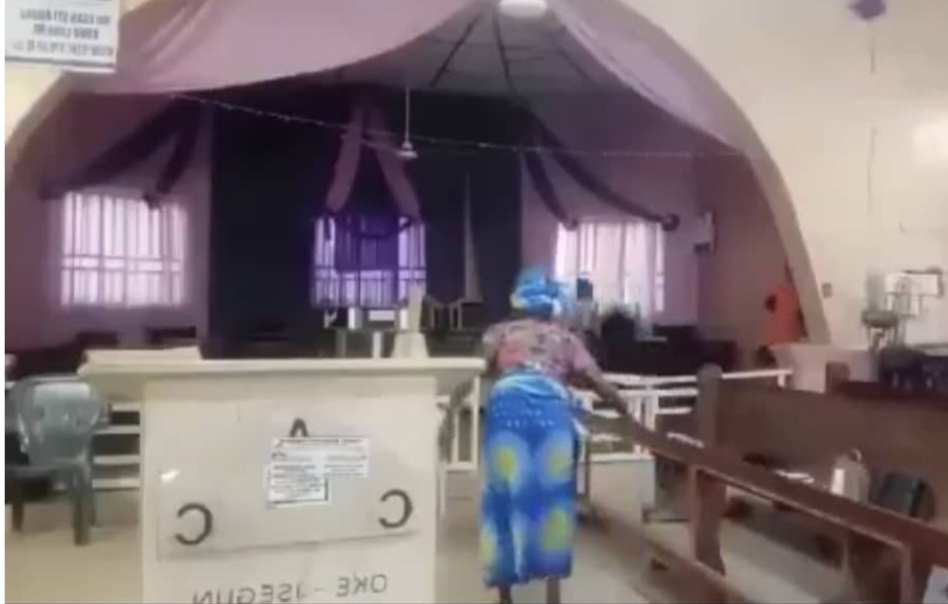
The assailants disrupted prayers, leaving at least three dead, and abducted the lead pastor along with several congregants.
Local residents reported repeated calls for security assistance in the weeks preceding the attack, with little response from authorities.
In Niger state, abductors struck educational institutions, targeting both pupils and staff, causing panic in several communities.
Dozens of students and teachers were taken from St. Mary’s Catholic Primary and Secondary Schools, raising serious concerns about school safety.
The state government condemned the attacks and noted prior warnings about security gaps that had not been addressed.
In Sokoto state, gunmen attacked villages in Sabon Birni, killing two people, including a traditional leader, and abducting mothers and their children.
The residents noted the absence of timely security intervention, leaving communities exposed to repeated raids.
In Yobe state, insurgents launched an attack on a police outpost in Geidam, resulting in casualties, vehicle losses, and theft of equipment.
Agricultural communities were also affected, with rice farmers kidnapped in Kwara state, adding to fears among rural populations.
From the north-west to the north-east, the week exposed the vulnerability of civilians, schools, religious institutions, and security forces.
Families are left mourning lost loved ones, while communities struggle to cope with repeated abductions and the threat of armed groups.
The series of attacks underscores persistent security gaps, including inadequate troop coverage, intelligence failures, and easy access for armed groups.
Despite ongoing operations, the abductions and killings highlight the complex nature of insecurity in Nigeria, affecting both urban and rural areas.
In the wake of these events, doubts continue over the ability of authorities to shield communities and curb the recurrence of such violence.
The incidents serve as a stark reminder of the human toll of insecurity and the urgent need for improved measures to safeguard citizens.
From schools to roads, churches, and farms, the impact of violence is widespread, leaving deep scars across communities.
This grim week paints a picture of a country struggling with the persistence of armed groups and the harmful impacts on Nigerians.