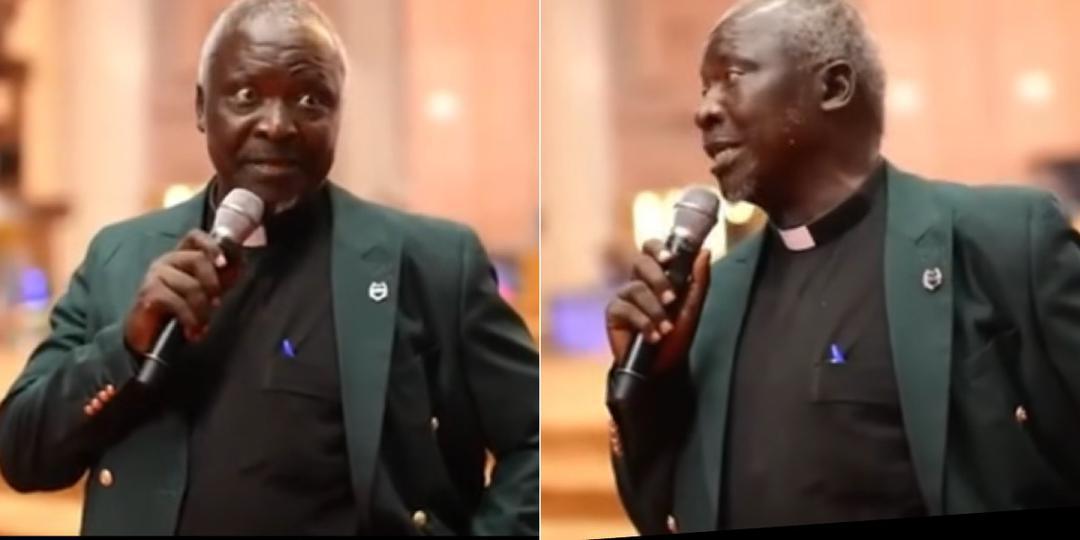
It all started with a video that has been making rounds across WhatsApp and social media. Pastor Ezekiel Dachomo, a popular cleric from Plateau State, appeared on camera, visibly serious, warning his congregation about an alleged plan by terrorists to target Christians during Christmas. He claimed that women are being asked to contribute N100,000 each and men N200,000 each to fund these attacks. According to him, the attackers have vowed that Christians will not celebrate Christmas this year and that they would strike with rice at hand.
Immediately after the video, the reactions were wild. Some people shared it as gospel truth, others dismissed it as panic spreading like wildfire. Local media outlets picked it up, quoting Dachomo extensively. Social media users debated the authenticity while families started questioning whether it was safe to plan anything festive at all.
Whether you believe him or not, the fear he stirred is very real. Many Nigerians in Plateau State and beyond are already feeling the tension that comes with the possibility of violence in a place where security is fragile and rumors spread fast.
What We Actually Know For Sure
Pastor Dachomo has been talking about insecurity for months now. He has described a wave of violence in Plateau State and alleged that militants have been imported into the region. He claims to have documented mass burials from attacks in some communities.
These are not claims in isolation. Violence in Plateau State is a real issue. Churches have been attacked, villages raided, and families displaced. This is part of a larger pattern of communal and ethno-religious violence that has plagued the area for years. People are scared and for good reason.
So yes, the pastor’s warning is real, widely publicized, and taps into fears that people in Plateau State already carry. The atmosphere is tense and communities are watching every movement.
The Part That Has No Proof
Even with all the attention, the claim that there is a coordinated Christmas attack funded by contributions remains unverified. No police report, military statement, or intelligence briefing has confirmed Dachomo’s story. There is no publicly available evidence showing arrests, weapons seizures, intercepted communications, or credible leaks that confirm a plot.
Most media coverage is just repeating what the pastor said without independently confirming it. The details about how much money each man or woman is supposed to contribute, the vow about Christmas, and the strange claim about rice being carried along are coming from his statements. Nothing more solid has emerged.
Past incidents show that misinformation spreads quickly. A photo claimed to depict 2025 Christian genocide victims actually turned out to be from 2023. Human rights groups have not published reports that support the idea of a nationwide Christmas attack. In short, the claim remains unverified, and caution is advised before taking it as confirmed fact.
Why People Take This Seriously Anyway
You might ask, if there is no verification, why are people so alarmed? The answer is simple. Violence is real in Plateau State. People have seen attacks, know families who have lost homes, and remember past massacres. Communities are insecure, and rumors mix easily with fact.
There is also mistrust of official information. Residents rely more on pastors, community leaders, and word of mouth than official statements. This creates a gap between fear and verified data. Even when government sources deny claims, many people hesitate to believe them.
And there is a historical backdrop that cannot be ignored. Plateau has a long record of ethno-religious tensions, communal conflicts, and violence. People know the stories, the lost villages, and the displaced families. So even unverified warnings can trigger real concern.
How the Money Angle Works in These Claims
Dachomo’s story includes a focus on money, N100,000 per woman and N200,000 per man. Whether this is true or exaggerated, it fits a common pattern in fear-driven narratives. Money becomes a symbol of organisation, seriousness, and scale. It makes the alleged attackers seem capable, coordinated, and ready to strike.
Even if the exact amounts or contributions are unverified, the fear of organised violence funded by collected resources taps into the anxieties of local communities. It makes people take precautions, move valuables, and reconsider their plans for Christmas.
The Role of Social Media and Rumor
The speed at which Dachomo’s warning spread is a testament to how social media can amplify anxiety. Within hours, hundreds of people shared his video on WhatsApp groups, Facebook timelines, and Twitter threads. Reactions ranged from prayers and calls for vigilance to panic and disbelief.
Social media also makes it easy for unverified information to gain authority. Once it is repeated by multiple accounts, it feels factual even without verification. The result is a cycle where fear grows and actions are taken based on partial information. Families stock up on food, parents rethink travel plans, and church leaders adjust services.
The Human Side of Fear
It is easy to dismiss this as panic, but the impact on communities is tangible. Families are anxious. Children sense tension at home. Church gatherings are quieter than usual. People are hesitant to celebrate Christmas the way they normally would. The psychological toll is real even if the alleged plot itself is not fully verified.
This is the human unpredictability that the pastor tapped into. Fear is contagious, and when it combines with real historical violence, it has a life of its own. Communities react to what could happen as much as what has happened.
How Security Agencies Respond
Security agencies have not confirmed Dachomo’s specific claims. Some have issued statements downplaying a coordinated Christmas attack. Yet, even in their denials, the reality of ongoing violence cannot be ignored. There have been attacks in Plateau and surrounding states in 2025, some confirmed by international reports.
The gap between official denial and lived reality feeds mistrust. People do not know who to believe. Clergy like Dachomo gain authority because they are seen as closer to the people and more aware of local risks than the distant government.
Plausibility Versus Verification
Here is the bottom line. It is plausible that some groups may attempt violence around Christmas. It is plausible that communities may be targeted. Plateau has a history of attacks and displacement. Yet, the specific claims about fundraising amounts, vows about Christmas, and rice symbolism remain unverified.
What people need to do is treat the warning seriously enough to be vigilant but understand that it is not confirmed intelligence. Precaution makes sense, panic does not. Awareness, careful observation, and reliance on multiple information sources are critical in situations like this.
What Communities Are Doing
Churches, local leaders, and families are taking precautions. Some have scaled back Christmas celebrations. Others are reviewing safety plans, checking transportation routes, and ensuring emergency contacts are ready. Social media groups share safety tips, and communities are communicating more closely than before.
This level of self-organisation shows resilience. Even if the attack is only a rumor, the preparedness can help protect people if anything does happen. It also highlights the role that local leadership plays in maintaining community safety when official structures feel inadequate.
Lessons From the Past
Past events in Plateau State show that rumors and unverified warnings can save lives when approached carefully. They also show the danger of panic when people act without verification. Communities must balance vigilance with critical thinking.
Historical attacks, documented displacement, and ongoing insecurity mean that warnings should never be dismissed completely. Yet, learning to distinguish between verified intelligence and fear-driven narrative is key to avoiding unnecessary chaos.
The Takeaway
Pastor Dachomo’s warning is serious, widely publicized, and taps into real fears. The claims about fundraising, vows, and rice remain unverified. Violence in Plateau State is real, social media amplifies fear, and historical context makes people cautious.
The most important lesson is to stay informed from multiple sources, remain vigilant, and treat warnings as cues for precaution, not absolute fact. Christmas celebrations may continue but with a sharper eye on safety and awareness of the realities in the region.