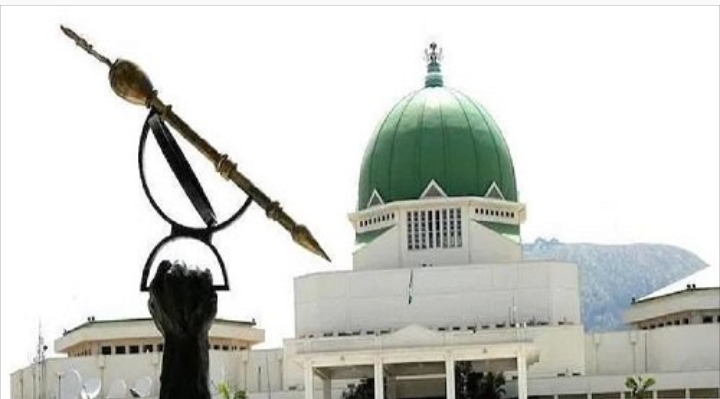
At the beginning of 2025, many Nigerians looked to the national assembly with confidence as lawmakers projected a year of bold legislative action.
By the close of the year, that optimism had faded as significant promises failed to mature into tangible results.
Constitution review was placed at the heart of the legislature’s work, with the deputy speaker and chairman of the committee on constitution review, Benjamin Kalu, assuring citizens that amendments to the 1999 Constitution would be completed before the end of 2025.
Despite commitments to reforms in security, governance structure, gender equity and decentralisation, the process stalled at deliberation stages without moving to formal voting.
Public engagements were held and memoranda were received, yet many proposals remained trapped in procedure.
Some reviews
PROMISE OF DEDICATED SEATS FOR WOMEN REMAINED UNCLOSED
A major pledge in 2025 was the move to create reserved parliamentary seats for women to correct persistent gender imbalance.
The senate president, Godswill Akpabio, and the speaker of the house of representatives, Tajudeen Abbas, repeatedly acknowledged Nigeria’s weak female representation and the negative impact on governance.
Abbas described the situation as “disheartening” and emphasised that women are “vital contributors”.
Akpabio said the continued exclusion of women was a “missed opportunity for national advancement”, noting that women are “better managers” and “firm decision-makers” capable of enhancing policymaking and development.
However, the proposal never proceeded to the voting phase throughout the year.
TRADITIONAL RULERS STILL WITHOUT CLEAR CONSTITUTIONAL RECOGNITION
Another outstanding legislative commitment was the plan to assign defined constitutional duties to traditional rulers in recognition of their influence in local administration and security.
The speaker, Abbas, and the deputy speaker, Kalu, argued that officially recognising monarchs would strengthen grassroots security management.
Kalu stressed that traditional rulers currently operate at the mercy of political authorities and require constitutional backing.
The effort eventually faded without reaching decision stage.
STATE POLICE DEBATE WITHOUT DECISION
With insecurity increasing and federal security structures coming under pressure, lawmakers repeatedly expressed readiness to consider state policing.
Despite these acknowledgements, the matter remained without resolution as parliament delayed taking a firm stand.
SECTORAL SITTINGS LOST MOMENTUM
The 10th house introduced sectoral sessions to deepen national development discussions across education, economy, agriculture, health, and energy.
The initiative was designed to be consistent, but the engagements occurred infrequently in 2025.
ELECTORAL LAW REVIEW STALLED MIDWAY
The amendment of the Electoral Act 2022 recorded noticeable movement in 2025.
The house of representatives successfully pushed the bill through third reading, showing some level of commitment.
The senate however stopped at second reading, leaving the exercise incomplete.
Observers warn that delaying the reform could affect preparations ahead of the 2027 elections.
Stakeholders insist that legal clarity must be achieved early enough to prevent administrative confusion and to allow INEC adequate time to implement measures such as compulsory electronic transmission of results.