An education system expected to model integrity and excellence was repeatedly shaken by controversies that weakened public confidence in 2025.
The year saw Nigeria’s education sector dominate national discourse for reasons ranging from examination failures to labour disputes and security threats.
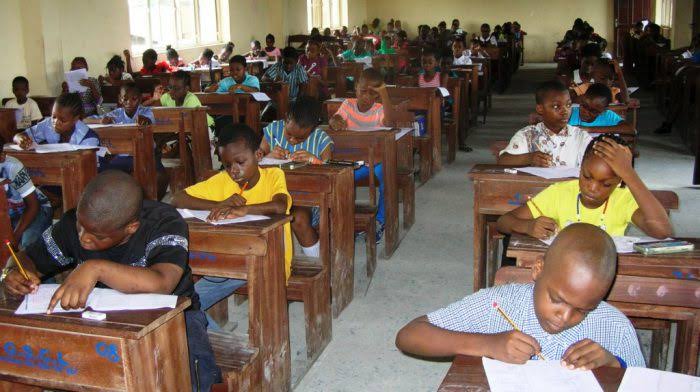
Among the most prominent controversies was a technical glitch that marred the 2025 Unified Tertiary Matriculation Examination conducted by the Joint Admissions and Matriculation Board.
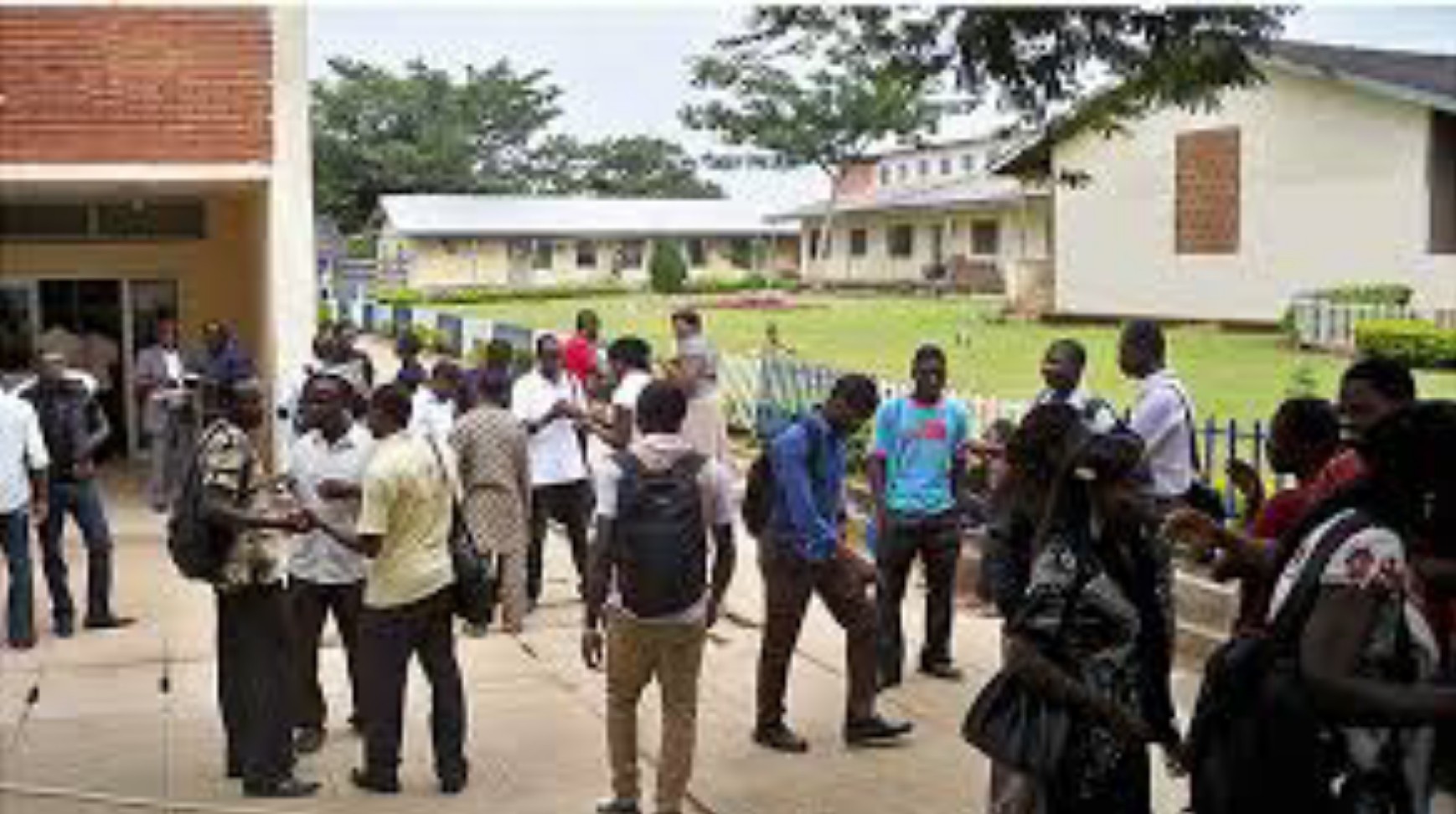
Candidates who sat for the UTME across the country initially expressed optimism before the release of results triggered shock and outrage.
Several candidates who scored above 300 in previous examinations reported scores below 200, prompting widespread complaints.
Candidates from the south-east and Lagos reported similar patterns, with grievances flooding social media platforms.
Alex Onyia, an education activist, compiled data showing irregularities, which compelled JAMB to conduct an internal audit.
Following the audit, the registrar of the Joint Admissions and Matriculation Board, Ishaq Oloyede, admitted that a technical error affected 379,997 candidates across 157 centres nationwide.
The controversy intensified after a student, Faith Opesusi, reportedly committed suicide following her UTME result.
JAMB subsequently ordered a resit examination for affected candidates, many of whom later recorded significantly improved scores.
Although the board resolved the issue, the episode became one of the most defining moments in JAMB’s history in 2025.
If JAMB dominated headlines, the West African Examinations Council was not far behind.
On May 29, videos circulated online showing candidates writing the Senior Secondary Certificate Examination with phone flashlights late at night.
The candidates were sitting for Paper 2 of the English Language examination after delays extended the exercise into nighttime hours.
While some centres had electricity, others did not, forcing students at a Unity school in Delta state to rely on torchlights.
WAEC attributed the delay to anti-malpractice measures, insisting the steps were necessary to protect the examination’s integrity.
Weeks later, WAEC announced it had uncovered “technical issues” during a post-system review of results.
Affected candidates were advised to recheck their results after 24 hours, without any resit.
Beyond examinations, insecurity disrupted learning in several states.
Bandits abducted schoolgirls from Government Girls Comprehensive Senior Secondary School, Maga, in Danko/Wasagu LGA of Kebbi state on November 17, killing the vice principal and a security guard.
In Niger state, bandits abducted pupils and teachers from St. Mary’s Catholic Private Primary and Secondary School, Papiri.
Authorities later confirmed the release of all abducted students, stating that “not a single pupil is left in captivity”.
Earlier in September, a UN report ranked Nigeria fourth globally for grave violations against school children.
The report verified 2,436 cases in Nigeria, including abductions, recruitment and sexual violence.
Another controversy involved the Nigerian Education Loan Fund, which came under scrutiny over alleged illegal deductions by tertiary institutions.
The Independent Corrupt Practices Commission said it was probing missing NELFund funds amounting to N71bn.
NELFund denied mismanagement, accusing some institutions of colluding with banks to shortchange students.
The minister of education, Tunji Alausa, later said no evidence of illegal deductions was found, blaming communication lapses instead.
Labour disputes also resurfaced as the Academic Staff Union of Universities embarked on a two-week warning strike in October.
ASUU demanded the implementation of the renegotiated 2009 FGN-ASUU agreement, payment of withheld salaries and improved funding.
Despite government promises, ASUU president, Chris Piwuna, said only concrete action would end industrial action.
The federal government later agreed to a 40 per cent salary increase for lecturers and pledged reforms in university funding and autonomy.
Curriculum reforms equally generated controversy as stakeholders raised concerns about implementation timelines.
Parents and rights groups objected to WAEC’s revised subject offerings for the 2026 SSCE.
The minister insisted students would not be forced to write subjects they were not taught.
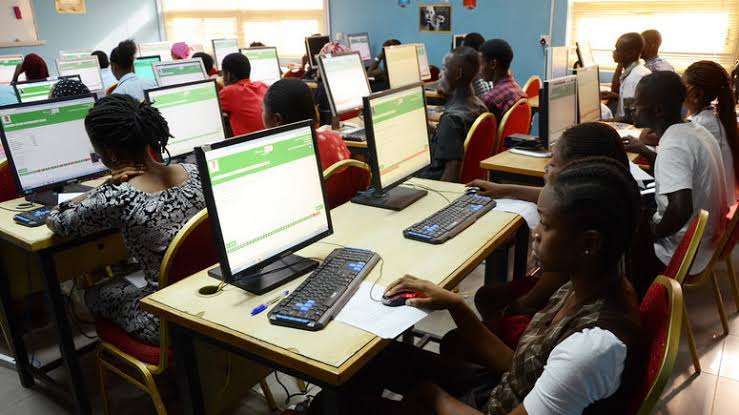
WAEC further announced plans to transition the SSCE to computer-based testing in 2026.
The education ministry said, “We will not roll out CBT in a way that excludes any student”.
“We will not roll out CBT in a way that excludes any student. Every child will have the opportunity to write their examination, regardless of location or infrastructure,” it said.
“We are taking all concerns seriously, and by the time CBT is fully rolled out, no child will be put at a disadvantage.”
The National Universities Commission also cracked down on the abuse of honorary degrees.
The NUC said 32 institutions were involved in awarding unmerited honorary doctorates and fake professorships.
It warned recipients against using the title “Dr” and announced new policy guidelines.
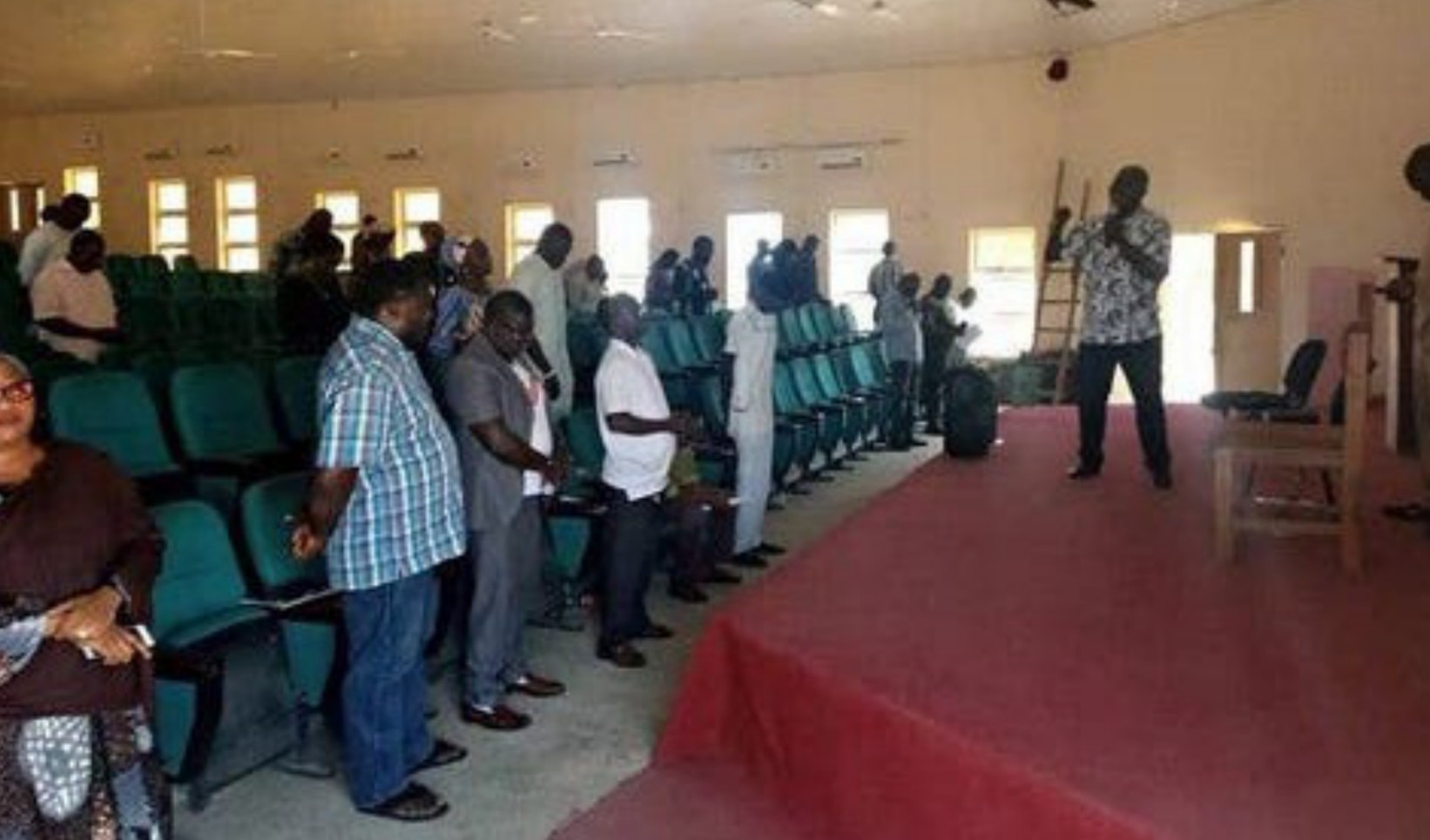
Leadership instability further hit the University of Abuja, which had four vice-chancellors in one year.
The governing council later appointed Hakeem Babatunde Fawehinmi as substantive vice-chancellor, with his tenure beginning in December 2025.