Nigeria stands at a critical juncture in its democratic journey. With the 2027 general elections looming, the nation’s legal framework that governs how votes are cast, counted, and verified has become the center of intense political debate, public anxiety, and civic activism.
At the heart of this debate is the Electoral Act Amendment Bill, a piece of legislation meant to update and strengthen the current Electoral Act to reflect the realities of modern elections, improve transparency, and enhance public confidence in the electoral process.
The legislative process, however, has been anything but smooth. What started as a broadly supported effort to modernize Nigeria’s electoral law has evolved into a contentious political saga, with disagreements over technology, timelines, penalties, and the balance of power between the National Assembly, the Independent National Electoral Commission (INEC), and Nigerians themselves. This story is more than procedural. It is about trust in democratic institutions, the legitimacy of the next presidential and state polls, and whether citizens will feel that their votes truly matter.
The Current Landscape: Where the Bill Stands
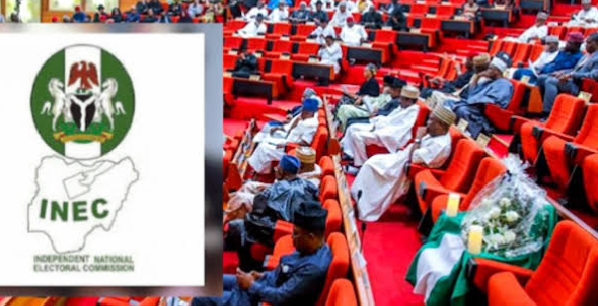
In early February 2026, the Senate of the Federal Republic of Nigeria passed the Electoral Act Amendment Bill 2026, marking a significant milestone in the legislative journey toward electoral reform ahead of the 2027 elections. The bill, technically titled the Electoral Act 2022 (Repeal and Re-enactment) Amendment Bill 2026, cleared its third reading in the Senate and now moves to a harmonization process with the House of Representatives before being sent to the President for assent.
For many Nigerians, that may sound like bureaucratic detail, but the implications are profound. Passage by the Senate means lawmakers have agreed, in principle, on a revised legal text establishing how elections will be run, how results are processed, and how violations will be punished. Yet the process is unfinished; the bill is not yet law. It must be reconciled with the House’s version, and only after harmonization can it be sent to the President for final approval.
This intermediate stage, where the Senate has passed its version but the final law is not yet in force, is where much of the current anxiety around electoral readiness lies.
Electronic Transmission: A Battleground of Trust and Technology
One of the most emotionally charged and widely discussed sections of the bill relates to how election results are transmitted from polling units to the central counting and viewing systems. This issue has become symbolic of the struggle between demands for transparency and fears about technical feasibility.
At the core of the disagreement is a proposed provision that would have made electronic transmission of results mandatory, requiring presiding officers at polling units to transmit results directly to INEC’s Result Viewing Portal (IReV) in real time, immediately after results were signed and verified. Proponents argued that this technological step was necessary to reduce the historical manipulation of results during transmission, a practice that has repeatedly undermined confidence in Nigeria’s elections.
The Senate, however, chose not to enshrine mandatory electronic transmission into law. Instead, it retained the existing framework from the 2022 Electoral Act that empowers INEC to determine “the manner in which results are transferred,” including electronic transmission, without making it compulsory in every location. Supporters of the Senate’s decision argued that rigid technology mandates could be problematic in rural or low‑connectivity areas, and that too much legal prescription might limit INEC’s flexibility to adapt on election day.
This outcome, preserving electronic transmission as a discretionary tool rather than a binding statutory obligation, has drawn both applause and criticism. Some democratic advocates view it as a setback for electoral transparency, while others see it as a cautious balancing of practical realities. Whichever side one takes, the underlying tension is clear: Nigerians want elections that are free and fair, but there is disagreement about how best to guarantee that outcome through law and technology.
Redefining Penalties: Harder Lines, Softer Options
Another dimension of the bill that has attracted attention is how it proposes to punish electoral offences, from vote buying to falsification of results and unlawful possession of Permanent Voter Cards (PVCs).
During deliberations, the Senate considered harsher sanctions, including a proposed 10‑year ban on offenders from contesting elections. However, lawmakers ultimately rejected this extended ban and instead settled on increased financial penalties (up to ₦5 million) and a possible two‑year imprisonment term for certain offences like illegal dealings with PVCs.
This moderation of penalties reflects a broader debate within Nigerian politics: How do you deter electoral malpractice effectively without imposing punishments that are too severe to enforce fairly or that could, in themselves, become sources of litigation and controversy? The Senate’s decision suggests a preference for a mix of deterrence and pragmatism, but critics argue the final measures may not go far enough to change ingrained behaviours that have long fueled electoral fraud and manipulation.
Timelines and Administrative Changes
Time is another crucial element of this legislative story. The Electoral Act Amendment Bill includes several changes to key election timelines, most notably the notice of election period, which was reduced from 360 days to 180 days before election day, and a similar reduction in the window for political parties to submit their candidate lists.
In practical terms, this means that certain parts of the pre‑election process, declaration of election dates and party nominations, will happen closer to election day than under the old law. Supporters of the change argue that these adjustments reflect modern political realities and allow for better‑timed preparations. Opponents worry that compressing deadlines could strain INEC’s administrative capacities or reduce time for campaigns, legal challenges, and civic engagement.
Put simply, how election timelines are structured has real consequences for political parties, candidates, voters, and the overall rhythm of the democratic process.
INEC’s Preparations: A Parallel Story
While the political drama unfolds in the National Assembly, the Independent National Electoral Commission has been pressing ahead with its own preparations for the 2027 elections. INEC has reportedly completed its timetable and schedule of activities for the polls, even as the legal framework remains in flux.
A major part of INEC’s work has been a nationwide voters’ register revalidation exercise, designed to clean up the electoral roll by removing multiple registrations and deceased individuals from the list, a long‑standing problem in Nigerian elections that can open the door to abuse.
This parallel effort highlights the practical pressures that come with legislative delay. Even when lawmakers are negotiating legal text, INEC must prepare logistics, technology deployment, training of election officials, and public education campaigns. Every day that passes without a final law adds urgency to INEC’s task of ensuring a credible election.
Criticism, Civic Pressure, and Political Stakes
The legislative process has also sparked intense public debate. Opposition parties and civil society organisations have issued warnings that delays in passing the Electoral Act Amendment Bill could undermine crucial reforms and jeopardize the credibility of the 2027 vote. For instance, the African Democratic Congress (ADC) has accused the National Assembly of dragging its feet on key elements like electronic transmission and voter accreditation, suggesting that political interests are influencing the pace of reform.
Similarly, civil society groups, including the Nigeria Civil Society Situation Room, have called on the Senate to pass the amendment quickly, warning that continued delays could erode public confidence and make the polls more prone to disputes.
These criticisms reflect a deeper concern among many Nigerians: that electoral law reform has become entangled in partisanship, rather than being treated as a national imperative.
Why This Matters: Trust, legitimacy, and the People
All of these legislative details — technology, penalties, timelines, negotiations between chambers, criticisms from civil society — are more than technical points of law. They speak to a profound question: Can Nigeria build an electoral system that citizens trust?
For ordinary voters, election law is not just a statute; it is a promise that when they step into a polling booth, their choice will count, be respected, and be reflected accurately in the final tally. When uncertainties persist, about whether results will be transmitted transparently, whether the voter register is clean, or whether the rules change at the last minute, it chips away at that trust.
In a country where past elections have been marred by allegations of manipulation, delayed results, or legal battles that stretch for months, the stakes for 2027 are immensely high. Nigerians want an election that is seen and believed to be free, fair, and credible. The Electoral Act Amendment Bill, once finalized and signed into law, could be a cornerstone for that aspiration. But how it gets there matters as much as what it contains.
Outlook — The Final Stretch and Its Uncertainties
As of early February 2026, the Electoral Act Amendment Bill is much closer to becoming law than it was months ago. The Senate has passed its version, negotiations with the House are looming, and INEC continues its preparations. But the story is not yet over.
For the bill to become law, a few key steps remain:
1. Harmonization between the Senate and House versions of the bill.
2. Final approval (clause‑by‑clause agreement) between lawmakers from both chambers.
3. Transmission to the Presidency for assent, where the President signs it into law.
If all these steps happen smoothly and in good time, Nigeria could enter the 2027 electoral season with a strengthened legal framework. But any further delay or sharp disagreement could tighten the window for implementation, testing INEC’s ability to organize election logistics and eroding public confidence.
This legislative process is a microcosm of Nigeria’s democratic evolution, full of debate, conflict, negotiation, and, above all, the desire of millions of citizens for elections they can trust.