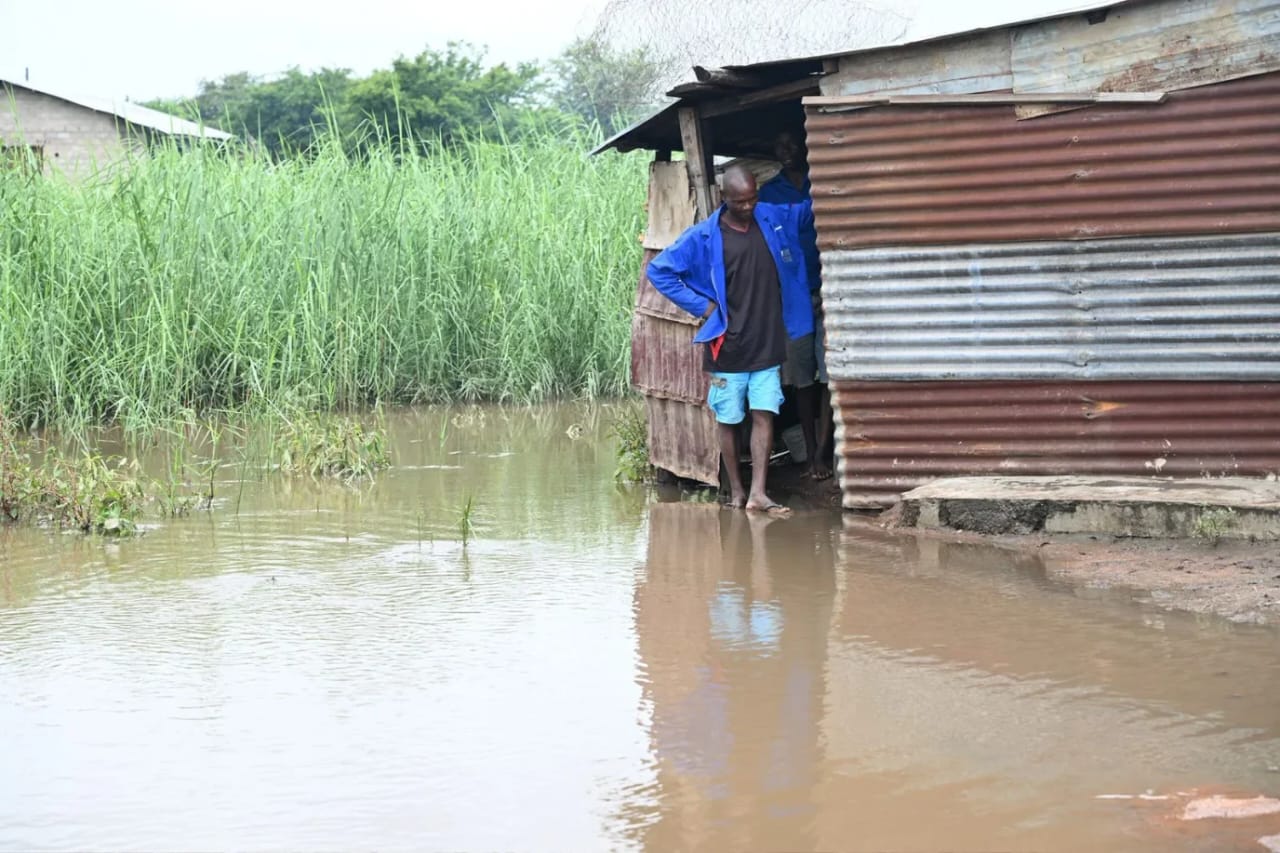
Southern Africa opened 2026 on a grim note as widespread flash floods claimed over 300 lives and affected nearly 800,000 people across South Africa, Mozambique, Zimbabwe, and neighbouring nations.
Cyril Ramaphosa, South Africa president, visited flood-affected areas in Mpumalanga to oversee relief efforts and assess damage to communities and infrastructure.
The Kruger National Park, one of Africa’s premier wildlife reserves, suffered extensive damage, with some areas cut off entirely due to rising waters.
Authorities warned of secondary risks, including cholera outbreaks, hunger, and crocodile attacks, as waters inundated populated and rural areas alike.
Scientists linked the floods to the ongoing La Niña climate cycle, which causes wetter conditions in southern Africa, south-east Asia, and Australia, while drying out regions of the Americas and the Horn of Africa.
Rwanda escalated diplomatic tensions by initiating arbitration proceedings against the United Kingdom over a failed asylum agreement that would have seen the East African nation receive deported asylum seekers.
Paul Kagame, president of Rwanda, announced on January 27 that the matter would be taken to the Permanent Court of Arbitration in The Hague after the UK refused to disburse remaining payments.
Rwanda seeks £50 million in compensation, citing the UK’s failure to formally terminate the agreement and resolve obligations still considered legally binding by Kigali.
Ugandan President Yoweri Museveni was declared winner of his seventh term on January 17 amid allegations of voter suppression, fraud, and intimidation against opposition figures.
Bobi Wine, Museveni’s main challenger, accused security forces of assaulting his wife and maintaining a siege at his residence, claims denied by Muhoozi Kainerugaba, the president’s son and Uganda’s military chief.
The election extended Museveni’s tenure to over four decades, positioning him as one of Africa’s longest-serving leaders and raising questions about succession narratives centred on his family.
Nigeria and the United States strengthened security collaboration after US airstrikes targeted terrorist enclaves in Sokoto state on Christmas Day, a move linked to reports of attacks on Christian communities.
On January 22, both countries held their first bilateral working group meeting following Nigeria’s redesignation as a “country of particular concern” by the US, focusing on reducing violence and safeguarding religious freedom.
Despite improved relations, visa restrictions remain in place, including high bonds for B1/B2 applicants and the suspension of tourist, student, and exchange visas.
Burkina Faso’s junta, led by Ibrahim Traoré, dissolved all political parties on January 29 and repealed laws governing their operations, citing the need to unify the state under a “Reliance plan.”
Émile Zerbo, minister of territorial administration and mobility, explained that the decision was aimed at preventing citizen division and strengthening social cohesion through state oversight of party assets.
Observers note that opposition politics is vital for checks and balances, making the dissolution of parties a sign of potential prolonged military rule despite pledges for elections by 2024.
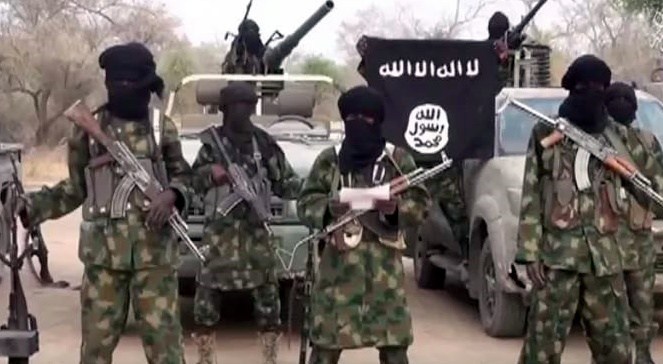
Niger faced a security crisis on January 29 after a terrorist attack near Niamey International Airport, involving explosions and gunfire that lasted over an hour.
Abdourahamane Tiani, Niger’s junta leader, accused France, Benin, and Côte d’Ivoire of sponsoring the attack, while local forces, assisted by Russian African Corps personnel, killed 20 assailants and captured 11.
The airport, home to an air force base and located 10km from the presidential palace, had previously been linked to tensions over uranium exports controlled by Nigerien authorities.
These events highlight Africa’s precarious start to 2026, with climate disasters, political upheaval, and security challenges shaping the trajectory of multiple nations across the continent.