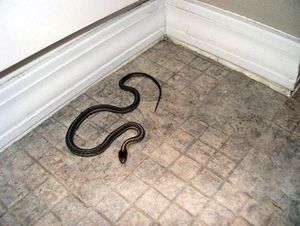
The recent death of Ifunanya Nwangene, the 26-year-old Abuja-based singer known as Nanyah, after a snakebite has renewed public concern about how reptiles enter residential spaces.
Many residents describe such incidents as sudden or mysterious, yet environmental and structural factors around homes can increase the likelihood of snake presence.
This report outlines common conditions that may make residential areas more attractive to snakes.
City Growth And Loss Of Natural Habitats
Fast urban growth and land development in many tropical regions have reduced forests, wetlands, and farmlands that once served as natural habitats for wildlife.
As these habitats shrink, snakes and other animals often move closer to human settlements where they can still find shelter, water, and prey.
The world health organisation notes that this growing overlap between human and wildlife habitats has contributed to an increase in snakebite incidents globally.
Uncut Vegetation And Thick Shrubs
Dense vegetation around homes can create ideal hiding and resting places for snakes.
Tall grass and untrimmed bushes provide shade and protection, allowing reptiles to move with little disturbance from humans or predators.
Such vegetation also creates moist and cool conditions that snakes prefer, while attracting smaller animals such as rodents and lizards that serve as prey.
Vacant plots filled with overgrown plants within residential neighbourhoods may therefore increase the likelihood of snake encounters.
Improper Refuse Disposal
Poor waste handling practices can indirectly draw snakes into residential areas.
Open refuse dumps, exposed food remains, and unsealed bins often attract rats and mice, which are a primary food source for many snake species.
Environmental health practitioners say the presence of rodents often signals a suitable feeding ground for snakes.
Communities with weak waste management systems may therefore face higher risks of reptile presence.
Seasonal Weather And Access To Water
Changes in weather patterns also influence snake movement, especially during the dry season.
During periods of heat and water scarcity, snakes may move closer to homes in search of moisture and food.
Research shows that snakes are more active in warm conditions and tend to move widely in search of prey.
Leaking pipes, uncovered water storage, blocked drainage channels, and stagnant water around homes can therefore attract reptiles.
Studies conducted in parts of Nigeria have also shown that snake activity increases during the wet season, particularly between April and August, when both human and snake movements peak.
Poultry And Small Livestock Near Homes
Keeping poultry and small livestock around homes can also increase the likelihood of snake presence.
The main attraction is often not the birds themselves but the rodents that gather around stored feed and spilled grain.
These rodents provide a steady food source that attracts predators, including snakes.
In rural and peri-urban communities where farming activities are close to residential buildings, such interactions are more common.
Experts advise that poultry pens should be sealed properly, with cracks and holes covered, and that leftover feed or eggs should not be left exposed.
Structural Gaps And Cluttered Spaces
Physical features of buildings can also create spaces where snakes can hide.
Cracks in walls, open foundations, and unfinished building sections can provide shaded areas that are suitable for reptiles.
Piles of firewood, construction materials, and debris around homes can also serve as resting spots.
In fast-growing neighbourhoods where construction is ongoing and maintenance is limited, such features may increase the chances of snakes settling close to residential spaces.
Understanding And Prevention
Although snakes generally avoid human contact, encounters may occur when they are disturbed or when people unknowingly step into their path.
Experts note that simple environmental practices such as clearing vegetation, managing waste, sealing structural gaps, and reducing rodent populations can reduce the likelihood of snake presence.
Understanding these environmental triggers may help residents take preventive steps and reduce the risk of snakebite incidents in their communities.