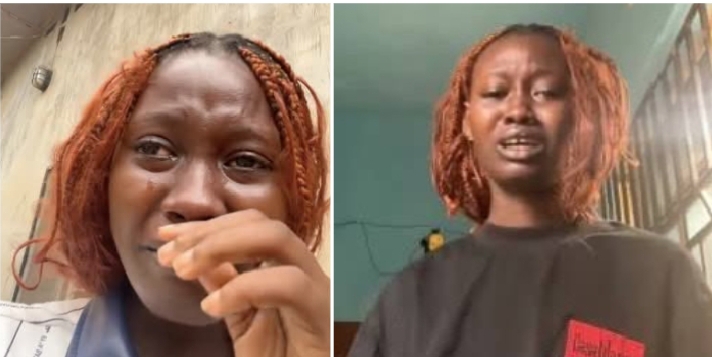
The city of Lagos, Nigeria, has been thrust into the national spotlight following a deeply disturbing and highly publicized allegation made by a young woman who goes by the name Mirabel on TikTok. On February 15, 2026, Mirabel, whose social media handle is @mirab351, posted a series of videos describing in vivid detail how she was allegedly sexually assaulted in her own home.
According to her account, a stranger knocked on her door and forced his way inside, rendering her unconscious before assaulting her. The gravity of the situation is compounded by the medium through which the story emerged, as social media amplified her distress to millions of viewers within hours, triggering an unprecedented public and governmental response.
The story rapidly became a focal point of public discourse, raising pressing questions about safety in private spaces, the intersection of digital platforms with justice, and the responsibilities of government agencies to respond swiftly and empathetically to allegations of sexual violence.
The Initial Allegation
Mirabel’s initial posts on TikTok were unsettling not only for their content but also for the emotional depth in which she conveyed her experience. She described suffering extreme physical and psychological trauma, including heavy bleeding that she initially mistook for menstruation, acute emotional distress, and severe insomnia. Her videos indicated that she was struggling to process the immediate aftermath of the assault, which raises critical questions about access to immediate medical care and psychological support for survivors in urban Nigeria.
Beyond describing the assault itself, Mirabel shared that she had received a message from an Instagram user named Priston, who purportedly admitted to the attack and boasted about his social standing and influence. Whether this message is authentic remains under investigation, but its very existence introduces layers of complexity to the case, highlighting the potential challenges investigators face in separating genuine evidence from performative or threatening digital interactions. The use of social media as a primary communication tool in such a serious allegation is indicative of broader societal trends in Nigeria, where survivors often turn to public platforms to share experiences when formal institutional mechanisms feel insufficient or inaccessible.
This dynamic invites questions about the role of TikTok and other platforms in amplifying vulnerable voices and the responsibilities these companies have in facilitating both visibility and safety.
Immediate Aftermath and Mental Health Concerns
The aftermath of the alleged assault underscores the profound psychological impact on the survivor. Mirabel disclosed that she attempted to end her life by ingesting a toxic substance, only to be saved by a friend who rushed her to a hospital. This revelation brings into sharp focus the intersection of sexual violence, trauma, and mental health crises, highlighting the urgent need for comprehensive support systems. In Nigeria, mental health infrastructure is historically underfunded and understaffed, creating an environment where survivors of sexual assault face immense challenges in accessing care.
The decision to post on TikTok appears to have been both an act of desperation and a call for help, suggesting that traditional reporting mechanisms were either inaccessible or insufficient. Experts have noted that online disclosure can be both protective and dangerous, offering a lifeline while exposing the survivor to public scrutiny, harassment, and potential retraumatization. Mirabel’s case, therefore, is emblematic of a broader societal issue where the digital public square has become both a refuge and a risk for survivors of violence. Her plea for space while recovering serves as a reminder of the delicate balance authorities must maintain between public interest and survivor privacy.
Lagos State Government Response
Following the viral dissemination of Mirabel’s story, the Lagos State Domestic and Sexual Violence Agency confirmed its engagement in locating the young woman to ensure her safety and to provide support and intervention. This official response reflects Lagos State’s policy of zero tolerance for domestic and sexual violence, as reiterated by the DSVA in public statements. The agency emphasized that survivors must be treated with protection, care, and dignity, and highlighted the importance of credible public assistance in locating individuals in urgent need.
The case has prompted Lagos State authorities to appeal to citizens to provide verified information regarding Mirabel’s location, reflecting both the urgency and sensitivity of the situation. It is significant that the DSVA acted swiftly to engage with the matter, demonstrating a recognition of the critical role timely intervention plays in preventing further harm and in maintaining public confidence in law enforcement and social welfare institutions. The response also reveals the challenges facing urban governance, where digital allegations can rapidly become high-stakes public crises that require coordinated action between multiple government departments, law enforcement agencies, and social services.
Public Reaction and Social Media Amplification
The story sparked widespread outrage and concern across social media platforms, drawing commentary from citizens, activists, and advocacy organizations. Many users called for systemic reforms to protect survivors, while others highlighted the dangers of exposure and harassment that may accompany viral disclosures. The incident illustrates the dual nature of social media as both a tool for mobilizing support and a potential vector for exploitation or misinformation.
The rapid public response underscores the cultural and societal stakes surrounding sexual violence in Nigeria, where discussions around consent, safety, and institutional accountability remain highly charged. Citizens’ engagement with the story reflects broader anxieties about urban safety, privacy, and justice, and has pressured authorities to respond in ways that are both visible and effective. The intensity of the online reaction also places a premium on careful communication by public agencies, emphasizing clarity, sensitivity, and factual accuracy to avoid further victimization or public confusion.
Investigation Status and Challenges
As of the latest updates, authorities have neither publicly identified a suspect nor confirmed the current location of the survivor. The primary focus of the DSVA remains establishing contact with Mirabel to provide her safety and support while initiating a thorough fact-finding process. Investigators are faced with several obstacles including verifying the authenticity of digital evidence, protecting the survivor’s privacy, and navigating a highly charged public discourse. Moreover, the alleged Instagram confession from the user Priston adds complexity, raising questions about potential motives, credibility, and possible legal implications.
The case highlights the intricate dynamics between digital media, public perception, and formal investigative protocols. Authorities must proceed cautiously, balancing the urgency of locating the survivor with the necessity of safeguarding her well-being, while simultaneously ensuring that due legal processes are observed. The situation also reflects broader structural challenges in sexual assault investigations in Lagos, where survivor anonymity, societal stigma, and law enforcement resource limitations complicate swift action.
Humanizing the Survivor Experience
At the heart of this case is the human story of Mirabel, whose experience represents both a deeply personal trauma and a public narrative with national implications. Survivors of sexual assault frequently face layered challenges, including stigma, fear of retaliation, psychological distress, and the risk of further victimization. Mirabel’s decision to speak publicly can be interpreted as an act of courage, a means of seeking validation, and an appeal for justice and protection. Her struggle with insomnia, emotional turmoil, and near-fatal response to trauma illustrates the profound and multifaceted impact of sexual assault.
Engaging with her story requires empathy and contextual understanding, acknowledging both her vulnerability and agency. Humanizing the survivor experience is essential not only for public comprehension but also for informing policy responses that prioritize safety, accessibility of support services, and systemic reform.
Legal and Policy Context
Sexual assault in Nigeria is governed by both the Criminal Code and the Penal Code, depending on the region, while Lagos State has additional regulations addressing domestic and sexual violence. The DSVA operates under Lagos State law with the mandate to protect, prevent, and respond to such incidents. Legal experts emphasize the critical importance of survivor protection during investigations, including confidentiality, access to medical care, psychological counseling, and safe housing if necessary.
The intersection of digital evidence and formal legal processes is increasingly relevant, as survivors often use social media platforms to document and share their experiences. This introduces questions about evidentiary standards, privacy rights, and procedural integrity. In Mirabel’s case, the authorities must navigate these complex legal frameworks while balancing public interest, survivor safety, and the imperative for factual accuracy.
Wider Implications for Lagos and Nigeria
The case has broader social and cultural implications beyond the individual incident. It exposes vulnerabilities in urban safety, highlights gaps in mental health infrastructure, and underscores the role of social media in shaping public discourse. The speed at which Mirabel’s posts circulated and the intensity of public response demonstrate the power of digital platforms in driving both awareness and action.
At the same time, the incident exposes the systemic challenges faced by survivors in securing timely and effective institutional support. For policymakers, law enforcement, and advocacy groups, the case is a reminder of the importance of proactive measures to protect vulnerable populations, enhance reporting mechanisms, and ensure rapid intervention in crisis situations. It also points to the necessity of public education on consent, digital literacy, and safe reporting practices for survivors.
Critical Questions Arising From the Case
The Mirabel case prompts urgent questions for policymakers, law enforcement, and society at large. How can authorities respond effectively to viral sexual assault claims without compromising survivor safety?, What mechanisms can ensure that digital evidence is both authentic and protected?, How should public agencies balance the urgency of action with procedural accuracy?, What role do communities play in supporting survivors while preventing harassment or vigilante actions?, How can Nigeria improve mental health infrastructure to address trauma stemming from sexual assault? .
These questions are not theoretical but operational, guiding decisions in ongoing investigations and shaping the framework for future incidents.
Closing Thoughts
Mirabel’s story is a stark reminder of the invisible struggles survivors face long before the public hears their voices. It exposes the urgent need for systems that respond with both speed and sensitivity, ensuring that survivors are not left navigating trauma alone. The case also challenges society to consider the unseen pressures placed on individuals who turn to social media for help, where visibility can be both lifeline and burden.
Moving forward, the focus must remain on creating structures that offer protection, mental health support, and real pathways to justice, while fostering a culture that values safety, empathy, and accountability in every home and community.