For decades, petrol prices in Nigeria have carried a story that often goes unnoticed by the average commuter. The narrative is one of regulation, market forces, global oil fluctuations, and the gradual liberalization of the downstream oil sector. What most Nigerians may not realize is that the price at which they fill their tanks reflects not only global crude oil prices but also domestic competition, import logistics, and the strategic decisions of both private and state-owned companies.
The deregulation of Premium Motor Spirit, commonly known as petrol, created a market where the power to set prices shifted from government control to the hands of market players. This deregulated environment allowed private refiners, importers, and retailers to compete for motorists by adjusting pump prices and margins in response to supply, demand, and competitor behavior.
In recent months, this competition has intensified into what industry observers and media outlets have labeled a petrol war. Retailers, driven by both the ambition to expand their market share and the need to respond to cheaper supply, have begun slashing pump prices at unprecedented levels. The phenomenon has turned petrol stations into contested battlegrounds where customers are drawn by the promise of lower prices while retailers operate on margins thinner than ever before.
The conflict is not only economic but also psychological as motorists begin to monitor price boards, compare stations, and plan routes according to which filling stations offer the cheapest litres of petrol.
The Catalyst – Dangote Refinery Pricing
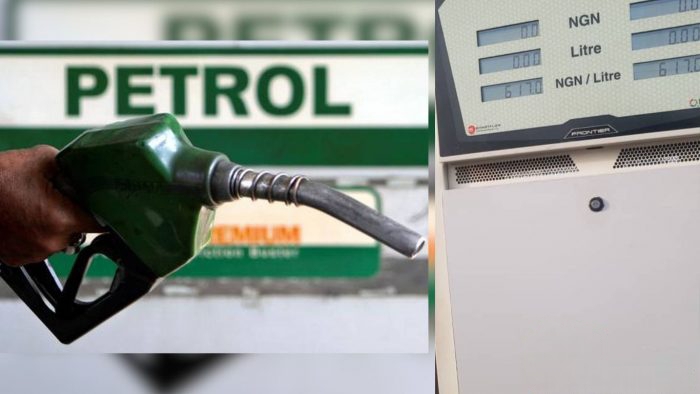
The most significant catalyst for the current petrol war is the pricing strategy of the Dangote Petroleum Refinery. Nigeria’s largest private refinery recently reduced its gantry price, the amount at which petrol is sold to retailers, as part of its strategy to gain dominance in the retail segment. The reduction saw the refinery’s recommended retail price drop to around ₦739 per litre in some outlets. This price alone set off a chain reaction as other retailers quickly followed suit to remain competitive. In many cases, stations sold petrol even below the Dangote benchmark, with prices ranging from ₦730 to ₦740 per litre. The impact was immediate and palpable queues formed at outlets advertising these lower prices as commuters sought to take advantage of the discounts.
The refinery’s pricing move was deliberate. It aimed to assert Dangote’s presence in the market and influence retail prices nationwide. By providing cheaper fuel, the refinery encouraged retailers and motorists to view Dangote-affiliated stations as the standard for value, forcing competitors to make strategic decisions about whether to match prices, risk losing customers, or maintain higher margins.
The Role of Imported Petrol
While domestic refining played a crucial role, imported petrol also contributed to the price dynamics. The cost of imported fuel, including landing and logistics fees, fell in certain regions, giving independent marketers the opportunity to undercut refinery-linked stations. This situation created a unique market environment where stations not directly affiliated with major refineries could compete aggressively and attract motorists with prices lower than those of the giants.
The decision to sell below cost by some importers reflects the intense pressure to capture market share. Retailers often weighed the risks of financial losses against the benefits of increasing customer traffic and brand loyalty. The strategy was simple yet risky. Sell cheaper fuel to attract motorists, hope that increased volume compensates for reduced margins, and establish a reputation as a cost-effective supplier.
The Pressure to Retain Customers
Retailers operating along major corridors, particularly the Lagos–Ibadan Expressway, quickly became battlegrounds in the petrol war from February 2026. Stations along these routes slashed prices to as low as ₦815 per litre, drawing long lines of motorists eager to capitalize on the savings. For drivers, the sight of a price board indicating lower prices created both a sense of urgency and an incentive to make regular stops at stations that consistently offered better deals.
For station owners, the pressure to maintain or grow their customer base was intense. The choice was between short-term profit loss and long-term market relevance. Selling petrol at lower prices became not just a marketing tactic but a survival strategy in a rapidly changing retail landscape. The human dimension was evident as attendants faced the stress of managing growing queues, reconciling cash flow challenges, and coordinating deliveries to ensure that stations remained stocked amid surging demand.
Broader Market Dynamics
The petrol war is not limited to Dangote or independent marketers. The Nigerian National Petroleum Company (NNPC), as the state-owned participant in the sector, also adjusted pump prices to remain competitive. The interplay between private refineries, independent importers, and state-linked stations created a fluid environment where prices could vary significantly from one area to another.
Market dynamics such as currency exchange rates, global crude oil prices, domestic refining capacity, and the availability of imported stocks further influenced retailer decisions. Retailers had to constantly monitor these variables and adjust prices to avoid losing customers while also attempting to maintain solvency. The result was a highly competitive environment characterized by rapid price changes, heightened customer awareness, and increased scrutiny from industry associations.
Effects on Retailers
Retailers and depot owners have felt the consequences of this petrol war acutely. Profit margins, once considered stable, have shrunk dramatically. Many stations reported losses in the billions of naira as they sold fuel below cost to attract motorists. The strategy, while effective in drawing customers, raised questions about long-term sustainability and financial viability.
Industry associations, particularly the Petroleum Retailers Outlet Owners Association of Nigeria, have warned that the ongoing price war, sometimes referred to as dirty competition, could destabilize the sector if it persists. Retailers operating on minimal margins may struggle to meet operational costs, pay employees, or maintain infrastructure, potentially leading to closures or reduced service availability.
Effects on Consumers
For motorists, the petrol war has been largely beneficial in the short term. Cheaper prices have reduced travel costs and increased discretionary income for some families. The price differences between stations have created a market where consumers can choose based on value and convenience, turning petrol purchases into a calculated decision rather than a routine transaction.
However, the benefits come with trade-offs. Consumers have had to contend with longer queues at low-priced stations, increased competition for pumps during peak hours, and occasional shortages as high-demand outlets struggle to keep up with supply.
The Range of Retail Prices
The petrol war has created a wide disparity in prices across the country this month. Retailers selling below Dangote’s benchmark include SAO filling stations at approximately ₦735 per litre, AP stations near MRS in Ogun at ₦736 per litre, Akiavic stations at ₦737 per litre, and NIPCO stations at ₦738 per litre. Dangote-linked retail pricing, such as MRS Oil, remains around ₦739 per litre. These figures highlight the aggressive discounting strategy being employed to draw customers.
In contrast, higher retail price ranges exist among traditional brand outlets and major stations. MRS filling stations in varied regions range from ₦925 to ₦955 per litre. NNPCL stations vary from ₦915 per litre in Lagos to ₦945 per litre in Abuja. Independent marketers and other outlets report prices between ₦950 and ₦965 per litre. These variations reflect regional supply differences, operational costs, and competitive positioning within the market.
Factors Driving Price Differences
The differences in petrol prices are influenced by several factors. Exchange rate fluctuations affect the landing cost of imported petrol while global crude oil prices determine base costs for both imported and locally refined products. Domestic refining capacity influences availability and stability of supply. Stations with ready access to cheaper refined or imported fuel can pass savings onto consumers. Retailer willingness to operate on reduced margins also determines the pricing strategy employed at individual outlets.
Location further amplifies price disparities. Stations along busy highways or urban centers often engage in more aggressive pricing to attract high volumes of customers, whereas stations in less competitive areas may maintain higher prices to preserve margins. Logistics and transportation costs also contribute to the final pump price, with remote or hard-to-reach locations often bearing higher operational costs that are reflected in petrol pricing.
The Human Element
The petrol war is not just an economic phenomenon. It is a human story of decision-making, survival, and adaptation. Station managers, attendants, and delivery personnel experience the daily pressures of a high-stakes market. They manage growing queues, handle cash flow issues, and navigate complex logistics to ensure that every litre of petrol reaches consumers on time. Many attendants work long hours under stressful conditions, often facing anxious motorists who demand quick service at lower prices. The human toll is visible in the exhaustion, the constant need for coordination with suppliers, and the delicate balancing act between maintaining safety standards and meeting customer expectations.
For managers, the challenge extends beyond operations to financial strategy. They must decide whether to continue selling at reduced margins to retain customers or raise prices and risk losing market share. These decisions can affect the livelihoods of dozens of employees, as well as the long-term viability of the station. Delivery personnel also face unique challenges, including coordinating multiple daily trips to depots, navigating traffic bottlenecks, and responding to sudden changes in supply or demand. Each human actor in this system plays a critical role, and the pressure to perform can be intense, reflecting a microcosm of Nigeria’s broader economic environment.
The petrol war has also fostered resilience and innovation. Some stations have implemented digital payment systems to speed up transactions and reduce crowding. Others have introduced loyalty programs or discounts for regular customers to maintain engagement. Despite the economic strain, the human element showcases determination, creativity, and the daily effort to balance profitability with service. For motorists, these efforts translate into more accessible fuel and better service, highlighting how human adaptation underpins the mechanics of a highly competitive market.