
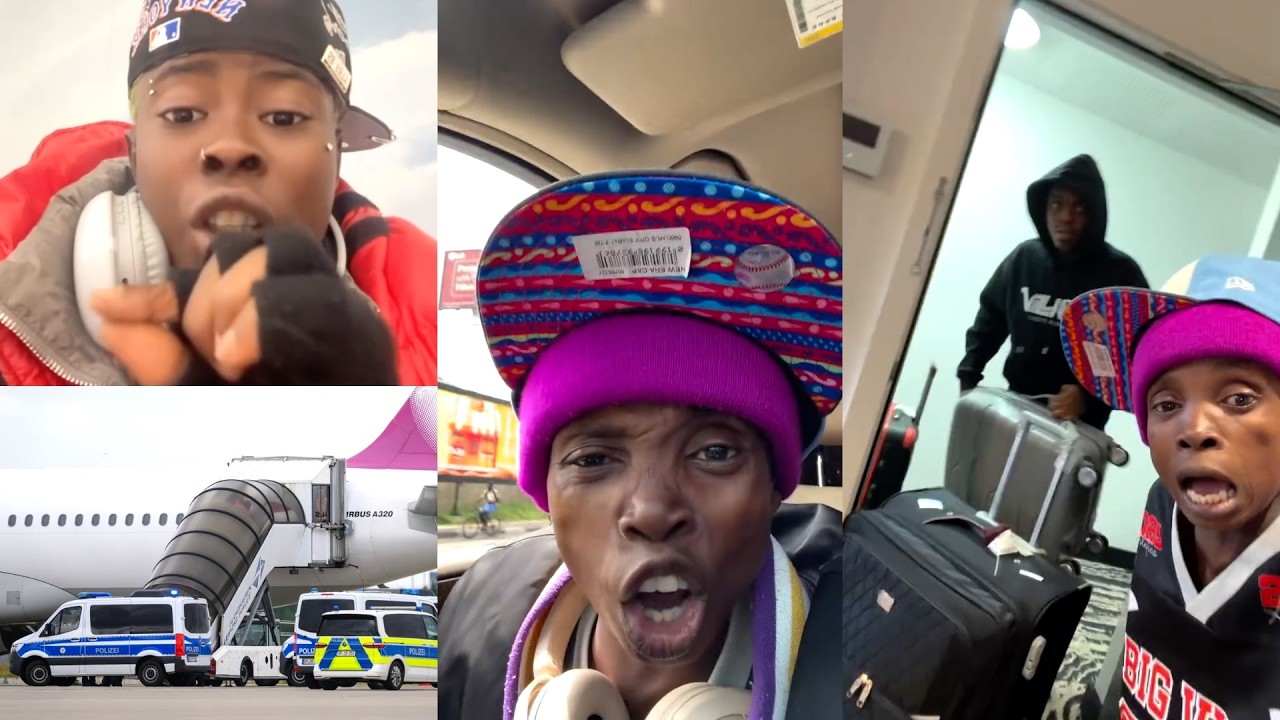
In February 2026, reports began circulating across Nigerian social media about the arrest of a young content creator known simply as Kolu in London in the United Kingdom. The details did not first emerge from British authorities or from an official police bulletin. Instead, they surfaced through a video shared by Nigerian singer and performer Candy Bleakz, who explained that she had sponsored Kolu’s trip and was now trying to resolve a serious problem at a London airport.
Within hours, blogs, entertainment platforms, and discussion forums amplified the story. The narrative that took shape was dramatic and unsettling. A missing passport, an altercation with immigration officials, an arrest and a looming threat of deportation.
Yet behind the headlines lies a sequence of events that demands careful reconstruction. What happened between the moment Kolu approached airport officials and the moment he was placed in custody? What legal boundaries govern airport conduct in the United Kingdom? And how does a single confrontation escalate into detention for a foreign national?.
This article breaks the situation into clear sequences, reconstructing the timeline as reported, situating it within known immigration procedures, and examining the human stakes involved.
The Journey to the United Kingdom
The story begins before the airport confrontation. In early February 2026, Kolu traveled from Nigeria to the United Kingdom. According to public statements by Candy Bleakz, she sponsored the trip, meaning she covered the travel expenses and likely played a role in facilitating visa arrangements. Travel sponsorship in such cases typically implies financial responsibility and sometimes accommodation assurances. It is not uncommon for Nigerian entertainers or established creatives to sponsor emerging talents for overseas engagements or exposure opportunities.
The United Kingdom operates a strict visa regime for Nigerian nationals. Travelers must secure appropriate documentation before departure, including a valid passport, a visa, and proof of return plans. While the precise visa category under which Kolu traveled has not been disclosed, the existence of a return flight suggests that his stay was intended to be temporary. Reports indicate that the trip proceeded without incident until the point of departure back to Nigeria.
The first sequence therefore reflects normal travel. A sponsored trip. A return ticket. No early sign of legal trouble. This makes the next stage more striking, because airport arrests rarely emerge from calm compliance. They tend to arise from procedural failures, missing documentation, or confrontations that escalate beyond routine questioning.
The Airport Departure Day
The reported incident took place in mid February 2026 as Kolu prepared to board a return flight from London to Nigeria. Though the specific airport has not been formally confirmed, major departure points for Nigeria bound flights include Heathrow and Gatwick. At any UK international airport, outbound passengers must pass through check in procedures, security screening, and in some cases immigration exit checks depending on travel arrangements and airline processes.
According to Candy Bleakz’s account shared on social media around 18 February 2026, the situation began when Kolu could not find his passport while preparing for departure. A missing passport at an airport is not a minor inconvenience. Under UK immigration law, a valid passport is the primary identity and travel document. Without it, a traveler cannot legally board a flight. The standard protocol in such cases is to report the document as missing, cooperate with airport authorities, and seek guidance from the relevant embassy.
The gravity of losing a passport at an airport cannot be overstated. It raises immediate security concerns. Authorities must determine whether the document was stolen, misplaced, or used fraudulently. From the perspective of border control officers, a traveler unable to produce identification introduces uncertainty into a tightly regulated environment. Airports are among the most controlled public spaces in the United Kingdom, governed by strict rules under the Immigration Act and security legislation.
The Alleged Altercation
Reports circulating online state that instead of calmly reporting the missing passport, Kolu allegedly became confrontational with immigration or airport officials. The exact words exchanged are not publicly documented. There is no official transcript, no recorded statement from UK Border Force released as of 19 February 2026. What exists is the account relayed by Candy Bleakz in her explanatory video.
Confrontation at a UK airport can take multiple forms. It may involve raised voices, refusal to comply with instructions, physical resistance, or language deemed threatening or obstructive. Under UK law, obstruction of an immigration officer in the execution of duty is an offense. Officers have the authority to detain individuals if they believe a crime has occurred or if a person poses a risk to public order.
It is important to contextualize the emotional dimension of such a moment. Losing a passport can induce panic, especially for a traveler far from home. Fear of missing a flight, financial loss, or visa complications can heighten stress levels. However, from a legal standpoint, emotional distress does not exempt one from compliance. Immigration officers are trained to maintain order and escalate when necessary. If an exchange crosses into perceived non compliance or disorderly conduct, detention becomes a real possibility.
The Arrest
By the time Candy Bleakz addressed the public, she confirmed that Kolu had been arrested and taken into custody. Arrest in the United Kingdom follows specific procedural safeguards. An officer must inform the individual that they are under arrest and state the grounds for the arrest. The detainee must then be taken to a police station for processing. There, custody officers record details, inform the person of their rights, and allow access to legal counsel.
If the arrest stemmed from obstruction or disorderly behavior, the matter may fall under public order offenses. If it involved immigration non compliance, it could trigger review under immigration detention rules. Immigration detention in the United Kingdom is administrative rather than criminal, meaning a person can be held while authorities assess their status or risk. However, any alleged criminal behavior can move the case into the criminal justice system.
As of 19 February 2026, no formal charge sheet had been publicly released. No statement from the Metropolitan Police or UK Border Force had confirmed the exact offense. This absence of official documentation leaves much of the narrative dependent on social media testimony, which complicates public understanding.
Sponsorship and Responsibility
Candy Bleakz’s role in the unfolding story added another layer of complexity. In her video posted around 18 February 2026, she explained that she had sponsored the trip and had previously warned Kolu about cooperating with officials and respecting travel protocols. Sponsorship in immigration contexts often implies financial and sometimes reputational stakes. If a sponsored traveler breaches immigration rules, future visa applications involving the sponsor may face additional scrutiny.
Her concern reportedly centered on the possibility of deportation. Deportation differs from voluntary departure. It can carry re-entry bans ranging from 1 year to 10 years depending on the circumstances. For a young content creator seeking international exposure, such a ban could significantly limit career prospects. For the sponsor, it may introduce reputational risk and travel complications.
Her presence at a police station attempting to clarify the situation reflects the human side of the event. Beyond the legal categories lies the image of a sponsor navigating a foreign system, attempting to prevent a mistake from becoming permanent damage. That dimension transforms the story from a simple arrest report into a layered account of responsibility and consequence.
Legal Framework in the United Kingdom
To understand the potential outcomes, one must examine the relevant legal structures. The Immigration Act grants officers authority to question, detain, and in certain circumstances arrest individuals suspected of breaching immigration control. Public order offenses, governed under the Public Order Act, criminalize threatening or abusive behavior likely to cause harassment or distress.
If the incident involved physical resistance or aggressive conduct, the offense could escalate. If it remained verbal but obstructive, the legal response may be less severe yet still consequential. A key factor is evidence, Airports are covered by surveillance cameras. Officer reports are documented, Witness accounts may be recorded. These materials would inform prosecutorial decisions.
The absence of official confirmation as of 19 February 2026 means that the public cannot definitively categorize the offense. That gap fuels speculation, but responsible reporting must distinguish between allegation and verified charge.
Detention Conditions and Rights
When a foreign national is detained in the United Kingdom, they are entitled to certain rights. They have the right to legal representation, they have the right to contact their embassy and they must be informed of the reason for detention. The Nigerian High Commission in London typically provides consular assistance in such cases, though it does not interfere with the legal process.
Detention duration varies. A person may be released on bail pending investigation. They may be formally charged and appear before a magistrate. Or, in immigration cases, they may be held while removal directions are considered. The timeline can move quickly or extend depending on case complexity.
The psychological impact of detention should not be overlooked. Being held in a foreign country, uncertain of the outcome, can create intense anxiety. The public sees headlines. The individual experiences confinement and uncertainty. That human reality underscores the gravity of airport confrontations.
Social Media Amplification
By 19 February 2026, Nigerian blogs and discussion platforms had widely circulated the story. The speed of amplification illustrates how digital culture transforms localized incidents into national conversations. Within hours, hashtags and comment threads dissected Kolu’s alleged behavior. Some framed him as reckless. Others framed him as a victim of panic.
The lack of an official UK statement left room for interpretation. In modern information ecosystems, silence from authorities does not slow narratives. Instead, it often intensifies them. Audiences fill gaps with assumption. In this case, the only named public figure directly addressing the situation was Candy Bleakz.
Deportation Risk
If immigration authorities determine that an individual breached conditions or committed a deportable offense, removal procedures can follow. Deportation orders carry significant consequences. They may include bans on re entry to the United Kingdom for several years. Such an outcome would not only disrupt travel but also shape professional opportunities.
For a content creator building a brand that may rely on international collaborations, travel access is an asset. A deportation mark in immigration records can complicate visa applications to other countries as well. Many visa forms ask about previous removals or arrests. Therefore the stakes extend beyond a single airport.
The Broader Context
This incident reflects broader tensions faced by young digital creators navigating global mobility. Travel expands opportunity but introduces regulatory risk. Immigration systems are procedural and unforgiving of error. Emotional reactions can escalate quickly in high security environments.
As of 19 February 2026, the known facts remain limited to social media accounts and secondary reports. Kolu was arrested in London following an airport incident involving a missing passport. Candy Bleakz confirmed sponsorship of the trip and expressed concern about deportation. No formal UK authority had released a detailed statement confirming charges.
The final outcome will depend on official review, legal representation, and cooperation with authorities. Until formal documentation emerges, the story remains in an interim phase between allegation and adjudication. What is clear is that a moment of airport tension has evolved into a defining episode in the life of a young Nigerian content creator. Whether it becomes a cautionary tale, a resolved misunderstanding, or a permanent mark on his record will be determined by processes now unfolding beyond public view.




Discussion about this post