Ramadan 2026 has commenced, with Muslims across Nigeria and other parts of the world observing the sacred month marked by fasting, prayer, charity and renewed spiritual focus.
The ninth month of the Islamic calendar began following the sighting of the crescent moon, which signalled the start of the obligatory fast observed from dawn to sunset.
Usually in Nigeria, the Sultan of Sokoto, Muhammadu Sa’adu Abubakar III, who is also the President-General of the Nigerian Supreme Council for Islamic Affairs, formally announces the commencement of fasting after verified moon sightings.
With the declaration made, millions of Muslim faithful have entered a 29- or 30-day period of daily fasting that stretches from the pre-dawn meal known as suhoor to the sunset meal known as iftar.
Religious leaders had, in the days preceding the announcement, encouraged Muslims to renew their intentions, increase recitation of the Qur’an and seek reconciliation with others in preparation for the month.
Clerics continue to describe Ramadan as a period of “reflection, discipline, and heightened devotion,” stressing that abstinence from food and drink is only one aspect of the observance.
Beyond refraining from eating and drinking during daylight hours, Muslims are expected to uphold moral conduct, avoid harmful speech and intensify acts of worship.
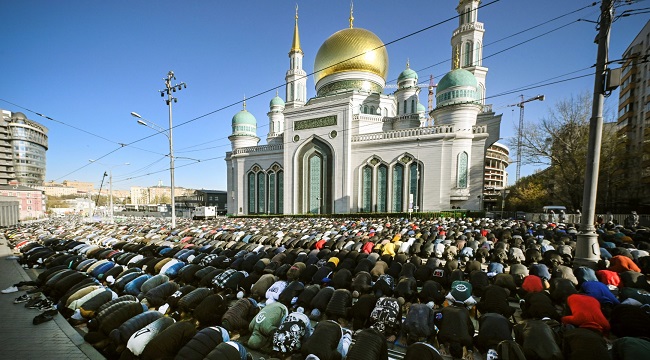
Mosques across the country are currently hosting Taraweeh prayers, Qur’anic recitation sessions and religious lectures, drawing large congregations each night.
The final ten days of the month are regarded as especially significant, as they include Laylatul Qadr, which Islamic tradition describes as a night of immense spiritual value.
Charitable giving remains central to the observance, with eligible Muslims setting aside zakat and increasing voluntary charity known as sadaqah to support vulnerable members of society.
Community feeding initiatives and distribution of food items have also intensified in several areas, reflecting the social responsibility associated with the fast.
Economic activities have risen in many markets, as households purchase food items commonly consumed at suhoor and iftar, leading to noticeable demand for fruits, grains and spices.
Traders in different cities have reported increased patronage since the start of the month, as families adjust their shopping patterns to align with fasting schedules.
Health professionals continue to advise that balanced meals at suhoor and iftar are important for maintaining strength and hydration during long fasting hours.
They also recommend adequate rest, particularly for those balancing work, school and extended nightly prayers throughout the month.
Ramadan is widely seen as a season of togetherness, as families gather at sunset to break their fast and share meals in a communal atmosphere.
Many mosques are organising collective iftar programmes, bringing together worshippers from different backgrounds in shared observance.
For Muslims able to travel, the cities of Mecca and Medina in Saudi Arabia are receiving large numbers of worshippers performing Umrah during the month.
Religious scholars frequently remind the faithful that Ramadan is intended to foster lasting change, encouraging habits of patience, generosity and consistent prayer beyond the fasting period.
At the end of the month, Muslims will mark Eid al-Fitr, a celebration that follows the completion of the fast and begins with a special congregational prayer.
As Ramadan 2026 progresses, attention remains focused on spiritual growth, social solidarity and adherence to the core principles of the holy month.
For many observers, the ongoing fast represents a time of renewed commitment to faith, strengthened family bonds and deeper awareness of the needs of others.