Nigerian literature has never been a static phenomenon; it has always reflected the pulse of the society that produces it, capturing the complexities of culture, politics, identity, and imagination. The year 2026 represents a pivotal moment in the trajectory of Nigerian writing, a point where centuries of oral tradition, post-colonial expression, and contemporary innovation converge to shape a literary ecosystem that is both globally recognized and locally resonant.
The currents of change are visible not only in the topics authors explore but also in the forms they embrace, the audiences they reach, and the accolades they garner. As the nation produces writers who tackle urgent social issues while experimenting with speculative and genre fiction, Nigerian literature continues to assert itself as a vital force on the world stage, expanding the conversation about what African storytelling can achieve.
The Evolution of Nigerian Literature: From Foundational Voices to Contemporary Landscapes
Nigerian literature did not emerge overnight, nor did it start in the modern publishing era; it is the latest chapter in a lineage that stretches back to centuries of oral storytelling, proverbs, folktales, and communal narratives. These oral traditions provided frameworks for moral instruction, entertainment, and historical memory, offering the earliest forms of Nigerian storytelling long before written forms were codified. The formal evolution of Nigerian literature can be traced to the post-colonial period of the mid-twentieth century when writers began to grapple with the legacies of colonialism, cultural identity, and national reconstruction.
The foundational generation of Nigerian authors, spanning the 1950s to the 1970s, set the stage for the nation’s literary prestige. Chinua Achebe, with his seminal 1958 work Things Fall Apart, became a global voice representing Igbo experiences and the human impact of colonial intrusion. Amos Tutuola disrupted conventional storytelling norms with The Palm-Wine Drinkard in 1952, blending myth, folklore, and surreal narrative forms to craft an identity that was distinctly Nigerian yet universally engaging. Wole Soyinka, who later became Africa’s first Nobel Laureate in Literature in 1986, fused Yoruba myth and theater with commentary on politics and society, demonstrating that literature could be both artistically sophisticated and socially resonant.
The second and third generations of writers expanded the thematic and global dimensions of Nigerian literature, producing works that addressed diaspora experiences, gender politics, and post-war trauma. Chimamanda Ngozi Adichie emerged as a defining figure in this period, with Half of a Yellow Sun and Americanah gaining both critical acclaim and widespread readership. Other voices such as Helon Habila and Sefi Atta pushed boundaries by experimenting with urban narratives and nuanced depictions of contemporary Nigerian life. Literary festivals such as the Ake Arts and Book Festival and Lagos International Poetry Festival became platforms for Nigerian writers to interact with global audiences, enhancing visibility and cementing Nigeria as a literary hub.
By 2026, Nigerian literature reflects an even broader ecosystem where experimentation is the norm, local publishing is thriving, and international recognition is not an exception but a pattern. Writers are no longer limited to social realism; they are producing speculative fiction, romance, thrillers, climate fiction, and nuanced poetry. Each new voice contributes to a literary continuum that is both conscious of its roots and boldly innovative.
Major Trends in Nigerian Literature in 2026
The literary landscape of Nigeria in 2026 is marked by diversification, innovation, and global engagement. Authors are exploring new forms, challenging traditional expectations, and connecting with readers in ways previously unimaginable. Several key trends define this era.
Genre Expansion and Narrative Innovation
The first notable trend in 2026 is the deliberate movement beyond the confines of social realism, which historically dominated Nigerian literature. Writers are embracing speculative fiction, thrillers, romance, and children’s literature as credible and respected genres. This trend signals an evolution in both audience expectations and authorial ambition. Nigerian literature now accommodates young adult thrillers that incorporate urban realities and complex identity questions, as well as children’s narratives that blend folklore, myth, and moral exploration.

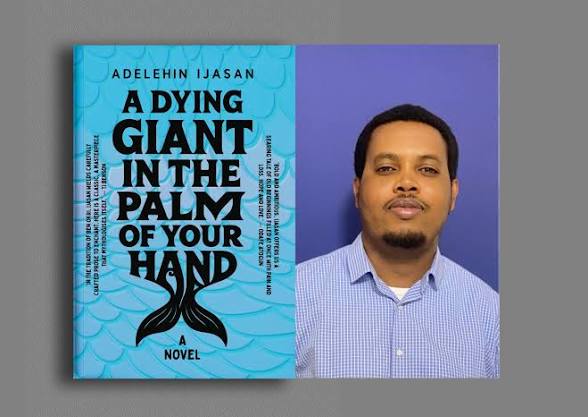
An example of this innovation is Adelehin Ijasan’s 2026 debut A Dying Giant in the Palm of Your Hand, which merges traditional myths with contemporary urban issues, appealing to younger audiences while maintaining literary sophistication.
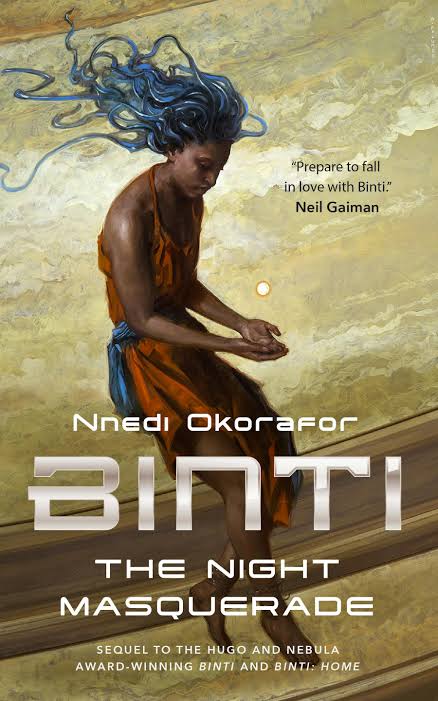
Similarly, works by Nnedi Okorafor, such as her ongoing Binti series, continue to influence Africanfuturism, demonstrating that Nigerian writers can blend futuristic imagination with indigenous heritage to reach a global readership. Poetry, long considered niche, is experiencing renewed appreciation through experimentation with form and rhythm, reflecting societal issues while offering intimate reflections on identity, love, and loss.

Strength of Local and Digital Publishing
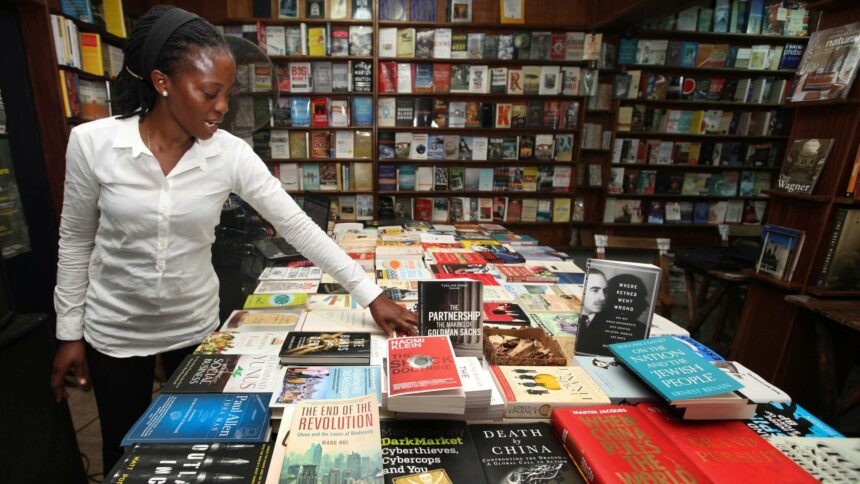
Nigerian literature in 2026 thrives not only because of international acclaim but also because of robust local publishing. Independent publishers like Masobe Books, Kachifo Limited, and Parrésia Publishers have emerged as engines of cultural resonance, producing works that appeal to local readers while maintaining global standards of quality. The availability of e-books, print-on-demand, and digital distribution channels has allowed authors to reach audiences previously inaccessible due to geographic and economic constraints.
The significance of this trend lies in the demonstration that Nigerian readers actively seek stories reflecting their lived experiences and culture. Books now sell in Nigeria in quantities that challenge long-held stereotypes about the local market. This cultural and commercial engagement enables writers to retain narrative control while fostering a literary ecosystem that is sustainable, diverse, and responsive to the realities of Nigerian life.
Awards, Recognition, and the Spotlight on Emerging Talent
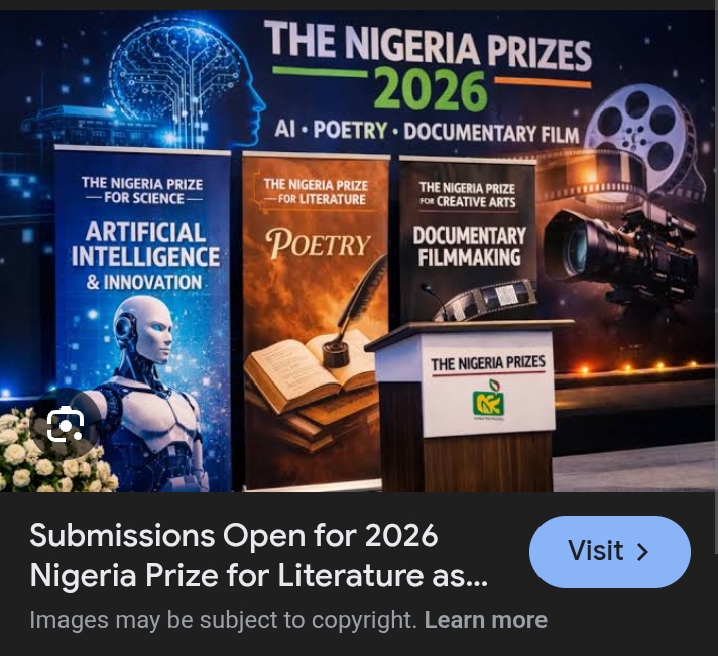
Literary prizes continue to play a critical role in shaping Nigeria’s literary prominence. The Nigeria Prize for Literature, often valued at $100,000, rotates across genres and highlights the richness of the nation’s creative output. Winning this award not only brings financial reward but also positions authors within a global literary conversation, attracting publishers, translators, and literary scholars worldwide.
In 2025, Oyin Olugbile’s Sànyà won the Nigeria Prize for Literature for its intricate exploration of mythology, memory, and identity, establishing her as one of the voices defining contemporary Nigerian literature. The 2026 cycle focuses on poetry, reflecting a renewed appreciation for the genre and the emergence of poets who engage with social, political, and personal themes with clarity and nuance. Recognition through awards validates diverse voices and encourages experimentation while signaling to global audiences that Nigerian literature is innovative, relevant, and influential.

Literary Giants: Anchors of the Past and Architects of the Future
Nigerian literature is sustained by a rich tapestry of voices spanning foundational pioneers, contemporary icons, and socially driven new talents. Understanding these figures helps contextualize the trends and innovations seen in 2026.
Foundational Legends
The foundational authors of Nigerian literature remain touchstones for both academic study and creative inspiration. Chinua Achebe’s Things Fall Apart continues to be referenced in schools and universities worldwide, not only for its historical context but for its examination of the human consequences of colonial disruption. Amos Tutuola’s The Palm-Wine Drinkard challenged literary norms with its surreal storytelling, inspiring generations to see folklore as fertile ground for narrative exploration. Wole Soyinka’s plays and essays, particularly Death and the King’s Horseman, demonstrate how literature can interrogate political power, cultural practice, and morality simultaneously. These authors anchor Nigerian literature in a historical consciousness that informs and inspires contemporary writers.
Contemporary Icons with Global Reach
The contemporary literary landscape is defined by authors whose work resonates internationally. Chimamanda Ngozi Adichie has shaped conversations on identity, feminism, and diaspora, making Nigerian narratives central to global literary discussions. Nnedi Okorafor’s speculative fiction merges African cultural elements with futuristic themes, creating a uniquely Nigerian lens through which global readers experience science fiction.
Uwem Akpan’s short story collection Say You’re One of Them won multiple international awards, demonstrating that Nigerian writers are competitive in both long-form and short-form fiction on global stages. Pemi Aguda, with Ghostroots, represents a new generation whose narratives are critically acclaimed and widely read beyond Nigeria’s borders, signaling that emerging voices are as influential as established icons.
Socially Driven, Diverse Voices
Beyond literary prestige, Nigerian literature in 2026 embraces social consciousness. Ayo Sogunro, through essays and fiction, examines social psychology, human rights, and contemporary politics, reflecting the complexities of Nigerian society. Tolulope Popoola writes romance and flash fiction that bridges local and diaspora readerships, highlighting how Nigerian literature now serves multiple audiences and purposes. These socially engaged voices ensure that literature remains a mirror to society, raising awareness while providing cultural and emotional resonance.
The Direction of Nigerian Literature in 2026
The trajectory of Nigerian literature in 2026 is clear: diversification, local empowerment, global recognition, and collaborative expansion. Genre experimentation is no longer experimental; it is standard, with novels spanning climate fiction, speculative futures, young adult thrillers, and romance. Local publishing houses continue to thrive, proving that Nigerian readers are eager for culturally grounded narratives. Awards like the Nigeria Prize for Literature create global visibility, elevating authors whose works would otherwise be confined to regional circulation. International collaborations, fellowships, and translations expand the footprint of Nigerian literature, ensuring that stories written in Lagos, Port Harcourt, or Aba are read in New York, London, and Tokyo.
These developments highlight that Nigerian literature is generationally rooted yet forward-looking. Foundational legends continue to inspire, contemporary icons shape global conversations, and emerging voices redefine boundaries. The year 2026 is not simply a continuation of past achievements; it is a statement that Nigerian literature is dynamic, resilient, and essential to global storytelling conversations.
Closing Thoughts: The Significance of 2026 for Nigerian Literature
The literary landscape of Nigeria in 2026 reflects a synthesis of historical depth, contemporary innovation, and global engagement. The literature of this year is diverse, encompassing poetry, speculative fiction, romance, children’s literature, and socially engaged narratives. It is internationally acclaimed, as evidenced by award-winning works that resonate beyond national borders. It is locally rooted, sustained by independent publishers and a readership that embraces culturally relevant stories. Finally, it is generationally anchored, with new voices building upon the legacies of foundational giants to create narratives that are globally significant yet uniquely Nigerian.
Nigerian literature in 2026 confirms that storytelling is not just an artistic endeavor; it is a cultural, social, and political force. It is an evolving conversation between past and present, between local and global, and between imagination and reality. Writers, readers, publishers, and cultural institutions collectively ensure that Nigeria remains a literary powerhouse whose influence will shape global perspectives for decades to come.