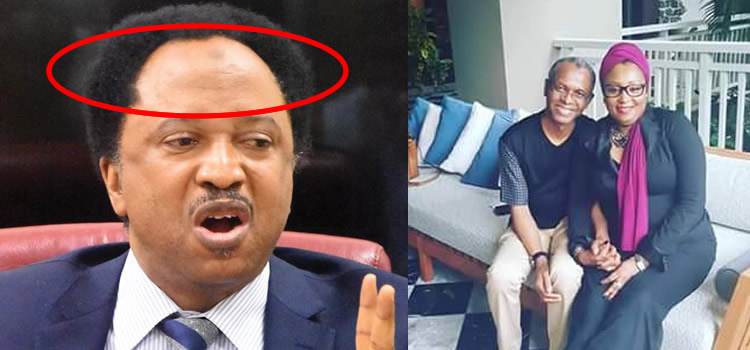
A quiet tension that had been simmering beneath the surface of Ogbomosoland’s traditional and political structure finally erupted into a full blown crisis in March and April 2026, drawing attention far beyond the ancient town. What began as a disciplinary action within the palace quickly transformed into a confrontation layered with power struggles, religious sensitivity, and questions about the limits of traditional authority in a modern society. The fallout between Ayoade Adeseun and Oba Ghandi Afolabi Olaoye did not unfold as a simple disagreement between two figures of influence, rather it exposed deep cracks within the elite structure of Ogbomoso and forced many to confront uncomfortable realities about leadership, loyalty, and unity.
The events that played out between March 23 and April 5, 2026 were not isolated incidents, they were the culmination of months of unease that had quietly shaped interactions among traditional leaders, political stakeholders, and religious voices within the town. What made this situation particularly explosive was not just the actions taken, but the reactions that followed, the words spoken in public, and the refusal of either side to retreat into silence. A suspension that could have remained a palace matter became a public battle of narratives, each side defending its position with conviction, and in the process, dragging sensitive issues into the open.
Background Tension Before the Explosion
The roots of the conflict can be traced back to the emergence of Oba Ghandi Afolabi Olaoye as the Soun of Ogbomoso in December 2023, a transition that marked a new chapter for the ancient town. His ascension brought with it expectations of reform, structure, and a different leadership approach shaped by his exposure beyond traditional settings. While many welcomed this shift as necessary for progress, others within the traditional and political elite viewed the changes with caution, unsure of how the evolving style of leadership would affect established power dynamics.
Tension did not erupt immediately, instead it developed gradually through differences in perception, expectations, and influence. Questions began to emerge about the control of traditional institutions, the degree of central authority exercised by the throne, and the role of prominent figures like the Mayegun within that structure. Religious balance also quietly entered the conversation, as Ogbomoso has long been known for its delicate yet stable coexistence between Muslim and Christian communities. These underlying issues created an atmosphere where disagreement could easily escalate once triggered.
March 23, 2026 — The Suspension That Changed Everything
March 23, 2026 marked the turning point when the palace took a decisive step by suspending Ayoade Adeseun from his position as Mayegun. The announcement was firm and direct, citing insubordination, wilful disregard for the authority of the throne, and persistent acts of disrespect. According to the palace, these actions were not isolated incidents but part of a pattern that undermined the dignity of the traditional institution and created unnecessary tension within the leadership structure.
This move immediately shifted the situation from quiet tension to open conflict. Suspension within a traditional system carries symbolic weight, it is not merely administrative, it signals a breakdown in trust and a challenge to authority. Many observers expected that the matter would be resolved through internal dialogue or reconciliation efforts, as has often been the case in similar disputes. What followed instead was a reaction that stunned both insiders and the wider public, as the suspended Mayegun chose not to retreat but to confront the situation head on.
After the Suspension — A War of Words
Rather than seeking a quiet resolution, Ayoade Adeseun responded publicly, challenging the narrative presented by the palace and raising serious concerns about the leadership style of the monarch. His statements were not mild or diplomatic, they were pointed, direct, and filled with allegations that reframed the conflict entirely. He accused the Soun of adopting a leadership approach that he described as high handed and divisive, suggesting that decisions were being made in a way that alienated key stakeholders and disrupted long standing harmony within the community.
One of the most striking aspects of his response was his refusal to align with what he described as efforts to target perceived enemies. This declaration signaled a deeper ideological divide, one that went beyond personal disagreement and touched on the principles guiding leadership decisions. By taking his grievances to the public, he effectively transformed the issue into a broader debate about governance, accountability, and the direction of Ogbomoso under its current leadership.
The Religious Dimension: A Sensitive Fault Line
The conflict took on an even more serious tone when religion entered the conversation. Ayoade Adeseun accused the monarch of introducing religious elements into governance in a manner that could divide the community. This allegation struck at the heart of Ogbomoso’s identity, a town that has historically maintained peaceful coexistence between its Muslim and Christian populations. Raising concerns about religious division was not just a political statement, it was a warning about the potential erosion of social harmony.
To emphasize his point, he referenced his own household as an example of unity, describing a family structure where different faiths coexist without conflict. This personal illustration added emotional weight to his argument and resonated with many who see interfaith harmony as a defining feature of their community. The introduction of religion into the dispute elevated it from a leadership disagreement to a matter of collective identity, making it far more difficult to resolve quietly or quickly.
The Chief Imam Dispute
Another critical layer of the crisis revolves around the controversy surrounding the position of Chief Imam in Ogbomoso, a matter already under judicial review as of early 2026. Ayoade Adeseun alleged that the monarch was attempting to influence or intervene in this issue despite its presence in court. This accusation introduced a new dimension to the conflict, one that pits the authority of traditional leadership against the processes of modern law.
The question at the center of this issue is complex and sensitive. Should a traditional ruler exercise influence over matters that are actively being handled by the judiciary, or should such issues be left entirely to legal processes? Adeseun’s position was clear, insisting that the court should be allowed to reach its decision without interference. The palace’s stance, while not fully detailed in public statements, was interpreted by critics as assertive and involved. This clash between legal principles and traditional authority further complicated the situation and drew attention from observers beyond Ogbomoso.
April 5, 2026 — The Final Break
April 5, 2026 marked the moment when the conflict reached its point of no return. Ayoade Adeseun formally resigned from his position as Mayegun, making it clear that he had no intention of seeking reconciliation or reversing the suspension imposed on him. His decision was decisive and final, signaling a complete withdrawal from the traditional structure he had once been a part of.
This resignation transformed the nature of the conflict. What had begun as a disciplinary issue within the palace evolved into a full scale institutional rupture. The absence of any attempt at reconciliation underscored the depth of the disagreement and the extent to which trust had broken down between the two sides. For many observers, this moment represented not just the end of a personal dispute but the beginning of a broader realignment within Ogbomoso’s leadership landscape.
Core Issues Driving the Conflict
At the heart of the crisis lies a struggle over authority and control. The palace, representing the traditional institution, expects loyalty, respect, and adherence to established hierarchies. On the other side, figures like Adeseun have demonstrated a willingness to challenge centralized authority, particularly when they perceive it as overreaching or misaligned with community interests. This tension between authority and resistance is not unique to Ogbomoso, yet its manifestation in this case has been particularly visible and intense.
Religion adds another layer of complexity, one that carries emotional and social weight. Allegations of religious bias or division, whether fully substantiated or not, have the potential to destabilize communities that rely on mutual tolerance and coexistence. The fear that long standing harmony could be disrupted has amplified public concern and made the situation more volatile than a typical leadership dispute.
Legal considerations further complicate the picture, as questions about the role of traditional authority in matters before the court highlight the evolving relationship between customary governance and modern legal systems. The tension between these two frameworks reflects broader challenges faced by many communities navigating the intersection of tradition and contemporary state structures.

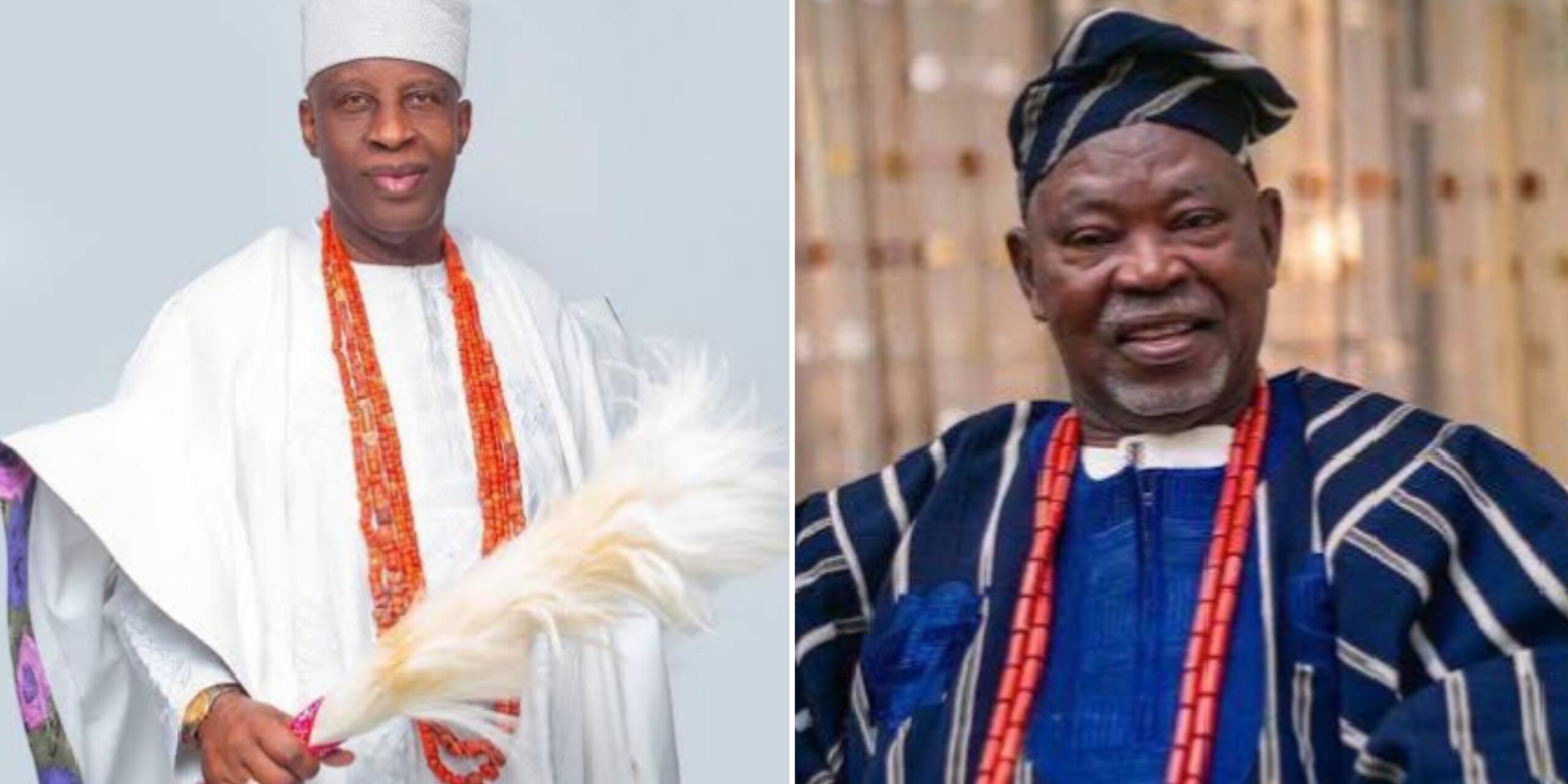
The Current Situation and What Lies Ahead
As of April 2026, Ayoade Adeseun is no longer part of the traditional leadership structure of Ogbomoso, while Oba Ghandi Afolabi Olaoye remains firmly on the throne. The elite circle within the town is visibly divided, with differing opinions on the actions taken by both sides and the implications for the future of the community. The conflict has not been resolved, it has simply reached a stage where its underlying issues are now fully exposed.
Uncertainty surrounds what comes next. Will there be efforts to rebuild unity within the traditional structure, or will the divisions deepen over time? Can the community maintain its reputation for peaceful coexistence despite the tensions that have surfaced? These questions remain open, and their answers will depend on the willingness of stakeholders to engage in dialogue, compromise, and a shared commitment to the stability of Ogbomoso.
Final Reflection — More Than a Palace Dispute
This conflict goes far beyond a disagreement between two influential figures. It represents a convergence of power struggles, religious sensitivity, and institutional evolution within a community that prides itself on unity and tradition. The events between March 23 and April 5, 2026 illustrate how quickly underlying tensions can escalate when triggered, and how difficult it can be to contain disputes once they enter the public domain.
A suspension became defiance, defiance became open confrontation, and confrontation ended in a complete break. The sequence is simple, yet the implications are far reaching. Ogbomoso now stands at a crossroads, where the lessons from this crisis could shape its approach to leadership, governance, and unity for years to come. The path forward will require more than authority or resistance, it will demand wisdom, restraint, and a renewed commitment to the values that have long defined the community.