The African Democratic Congress (ADC) faces a defining moment after holding a disputed national convention amid regulatory resistance and deepening internal divisions ahead of the 2027 elections.
The party proceeded with the convention despite the Independent National Electoral Commission (INEC)declining to recognise any faction following a leadership dispute currently before the courts.
The electoral body based its position on a March 12 judgment of the Court of Appeal directing all parties to maintain the status quo pending determination of the substantive suit.
INEC subsequently announced that it would not monitor meetings or recognise any leadership structure within the party until legal clarity is achieved.
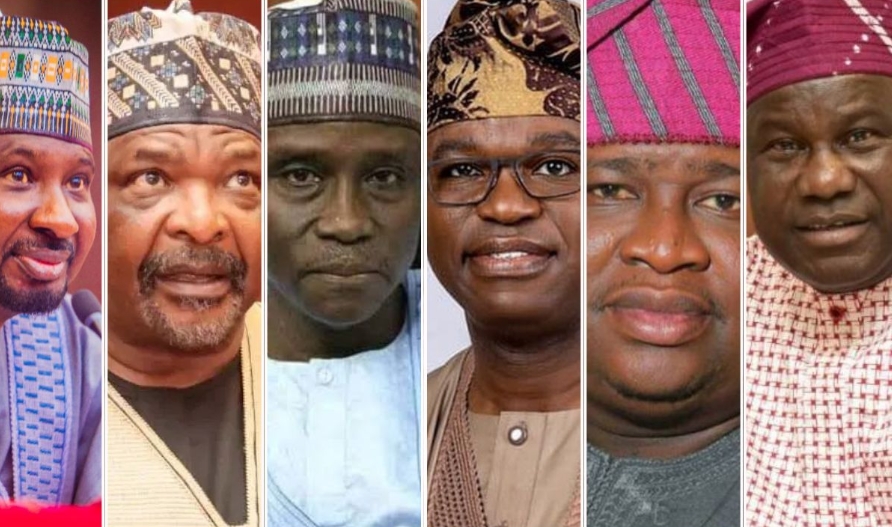
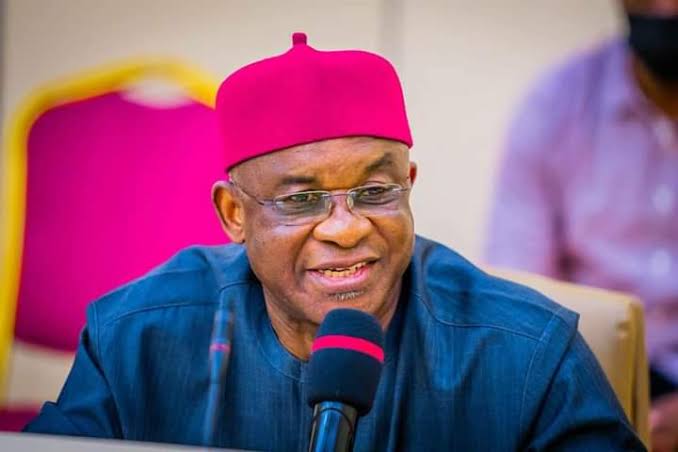
Despite this position, the faction led by the former senate president, David Mark, went ahead with the convention and announced a new National Working Committee.
The convention, which was eventually held at the Rainbow Event Centre in Abuja after a venue dispute, produced Mark as national chairman of the party.
The former governor of Imo State, Emeka Ihedioha, who chaired the electoral sub-committee, confirmed the outcome of the exercise.
The new leadership also includes the former minister of interior, Rauf Aregbesola, who was named national secretary.
During the convention, the party dissolved the previous National Working Committee and amended aspects of its constitution.
The development followed weeks of tension within the party, with multiple factions laying claim to its leadership structure.
Apart from the Mark-led group, other factions emerged under the former deputy national chairman, Nafiu Bala, and the party’s 2023 presidential candidate, Dumebi Kachikwu.
In a move aimed at asserting control, the convention announced the expulsion of Bala and several other members accused of undermining the party.
The national secretary of the party, Rauf Aregbesola, defended the decision to hold the convention, insisting that all legal procedures were followed.
“We have discharged the responsibility required of us, and at this point, it is the duty of INEC to equally discharge its constitutionally and lawfully assigned responsibility by attending and monitoring this convention. It’s a duty,” he said.
“The decision of INEC to refuse to attend and monitor our convention amounts to a dereliction of duty, bordering on a dangerously partisan outlook aimed at unlawfully delegitimising the otherwise legitimate actions of our party, the ADC.”
Aregbesola further cited provisions of the Electoral Act, stating that failure to notify INEC is the only ground upon which a convention can be invalidated.
“The only condition that would warrant a congress or convention of a party to be invalid is contained in Section 82, Subsection 6 of the Electoral Act 2026,” he said.
“Failure of a party to notify the commission as stated in Sections 1 and 2 shall render the primaries, convention, congress, and congresses invalid.”
He maintained that the party complied with all requirements, including submission of membership registers and notification timelines.
However, the minister of the federal capital territory, Nyesom Wike, rejected the claims, describing the party’s position as an attempt to attract sympathy.
The leadership dispute has also triggered strong reactions from political actors aligned with the party’s emerging coalition.
The former vice-president, Atiku Abubakar, accused the electoral body of undermining democratic processes.
“I will not end these remarks without indicting the chairman of INEC and INEC itself because it is clear, it is obvious, the evidence is there. INEC is being used to scuttle democracy in this country,” he said.
“Now, let the Federal Government know that we fought the military to bring democracy in this country, and we are going to fight them to bring democracy in this country.”
He further warned that the party would resist actions it considers unlawful.
“Let the chairman know we are not going to let him get away with his illegalities, we will not, and I hope we will have your support and cooperation to make sure we return to true democracy, to true development in all aspects of human endeavour,” he added.
Other party members also criticised INEC’s stance, describing it as a misinterpretation of the appellate court’s directive.
The national publicity secretary of the party, Bolaji Abdullahi, said the commission’s understanding of “status quo ante bellum” was incorrect.
“The Court of Appeal ruling at the centre of the dispute to maintain ‘status quo ante bellum’ has been misinterpreted by INEC… That interpretation is not only fraudulent, but also dishonest and completely self-serving,” he said.
INEC, however, maintained that its position was guided by legal advice and the need to avoid actions that could prejudice ongoing court proceedings.
The chairman of the commission, Joash Amupitan, explained that conflicting requests from factions influenced the decision to suspend recognition.
He said the commission interpreted the court order as requiring it to revert to the leadership structure that existed before the dispute escalated.
Meanwhile, internal disagreements continue to shape the party’s outlook as it prepares for key electoral deadlines.
INEC has set timelines for submission of membership registers and conduct of party primaries ahead of the 2027 elections.
Failure to meet these requirements could affect the party’s eligibility to field candidates.
Legal experts say the outcome of the ongoing court case will play a crucial role in determining the party’s participation in the electoral process.
A senior advocate of Nigeria, Olu Daramola, said resolving the dispute is essential for the party’s survival.
“You may end up with only one party because the PDP is already decapitated. The party is in the hands of those who say the President must continue, and they are working for the President,” he said.
“ADC appears to be the only credible opposition for now. If they don’t resolve their crisis, they may not be able to field any candidate in the coming elections.”
A public affairs analyst, Jide Ojo, also highlighted the urgency of reaching a resolution before regulatory deadlines.
“Are they going ahead? If they do, will INEC recognise the outcome? Most likely, INEC will not,” he said.
“If INEC does not recognise any leadership, who will submit the register due by May 10? Failure to do so means the party will not participate in the election.”
Amid the uncertainty, efforts are ongoing within the party to address internal divisions and engage stakeholders.
There are also indications of possible alliances with other political groups as part of broader opposition realignments.
Political observers say the coming months will determine whether the party can consolidate its structure and position itself effectively ahead of the 2027 polls.