With many fearing that the imbroglio might snowball into a painful and damaging political cul-de-sac that could potentially upend the momentum the party has built so far and scuttle its chances at the polls.
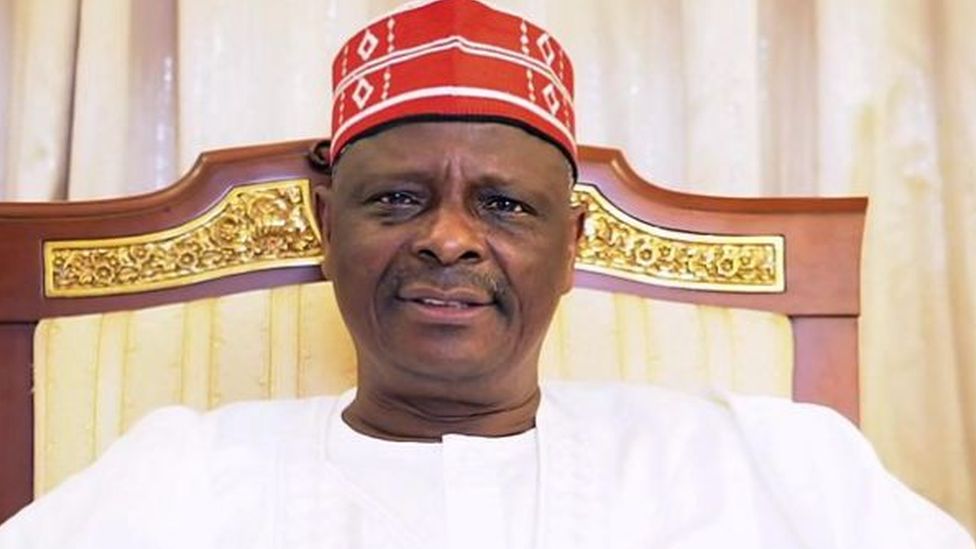
On Monday, reports emerged in the media that Former Kano State Governor, Rabiu Musa Kwankwaso, has reportedly threatened to quit the Nigeria Democratic Congress (NDC) over the replacement of his key and long-standing allies in the final list of the party’s candidates for next year’s general elections. Those who have been replaced are also staunch members of the Kwankwasiyya movement.
The replacement of several candidates who are loyalists of Kwankwaso and whose names were initially submitted by a Kwankwasiyya faction in Kano State was allegedly necessitated by the breach of a power-sharing arrangement, according to Daily Post. The development was contained in a document signed by the Kano State NDC Chairman, Hon. Hussaini Isah Mairiga. According to the document, the changes were made to reflect an earlier agreement on the distribution of party positions and elective tickets between the existing NDC structure and the Kwankwasiyya bloc.
The National Leader of the opposition political party, Senator Seriake Dickson, Kwankwaso, and the NDC North-West Zonal Chairman were copied in the document. Under the revised list, the party approved the following candidates for federal constituencies: Barrister Isma’il Idris Sani – Kumbotso; Nasiru Ali Ahmed – Nassarawa; Kabiru Ishaq Sa’id – Kano Municipal; Barrister Dayyabu Jamilu Ibrahim – Doguwa/Tudun Wada; Muhammad Hamisu Abubakar – Dawakin Tofa/Rimin Gado/Tofa; Ibrahim Bashir Bango – Sumaila/Takai; and Abdulmajid Isa Umar Mairigar Fata – Gwale.
Changes were also made to the Kano State House of Assembly candidature in Dala, Tarauni, Kumbotso, Ungogo, and Dawakin Kudu constituencies. The NDC explained that there was a standing agreement for elective positions and party offices to be shared on a 60–40 basis, with the 60 per cent ceded to the Kwankwasiyya bloc and the original party structure retaining 40 per cent.
Speaking on the issue, the party’s spokesperson, Comrade Ibrahim Waya, said the changes were made to honour and protect the agreement on power sharing and forestall internal disputes. “There was an understanding on the 60-40 sharing formula between the party leadership and Senator Kwankwaso. The action was taken urgently to avoid a crisis within the party,” Waya said.
The development is expected to heighten political tensions within the emerging alliance as both sides continue negotiations over the distribution of positions ahead of the polls. The impasse has also sparked concern among Nigerians, particularly supporters of Kwankwaso and the presidential candidate of the party, Peter Obi, with many fearing that the imbroglio might snowball into a painful and damaging political cul-de-sac that could potentially upend the momentum the party has built so far and scuttle its chances at the polls.
There is no denying the fact that the major reason NDC has become a force to reckon with in Nigerian politics and has become the darling of every politically conscious Nigerian who wants a change in the leadership of the country is that Obi and Kwankwaso joined the party. The two men elevated the party and catapulted it to the mainstream of Nigerian politics. These men, particularly Obi, are the reason many Nigerians are seeing NDC as a viable platform to realise their dream of a new Nigeria. Without the duo, their national appeal which cuts across different demographics, their impeccable records, exemplary antecedents and an army of staunch and loyal supporters, NDC will be nothing more than a fringe political entity that commands no real attention and support in any part of the country.
So when the reports of Kwankwaso’s threat to leave the party came to public knowledge, those who deemed NDC a fitting, even if not perfect, platform for Obi and Kwankwaso, felt a pang of de javu and were jolted out of their reverie. It did not take long for them to realise that everything that could go wrong might still go wrong with what they hitherto thought was a solid, near-perfect and formidable presidential joint ticket.
Granted that the matter will be resolved in-house and the parties will eventually come to an understanding, the publicity of the impasse is enough to sow doubt and misgivings in the mind of many Nigerians who fancy NDC’s chances at the polls next year and chip away at the momentum and traction the party has built so far. Be that as it may, one can only hope that this episode is put behind and the party forge ahead and consolidate on the gains and inroads it has made so far in its bid to wrest power from the ruling party.