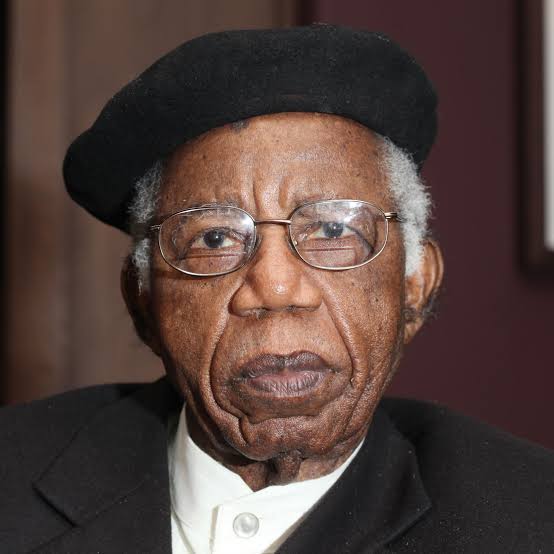
On June 17, 1958, Heinemann published _Things Fall Apart_ by Chinua Achebe. It’s now the most widely read African novel ever.
The book follows Okonkwo, a fierce Igbo warrior in 1890s Nigeria, driven to be the opposite of his lazy, debt-ridden father. He builds status through wrestling, yam farming, and strict discipline, rising to leadership in his village, Umuofia.
At his peak, British colonizers and Christian missionaries arrived. Their courts, religion, and laws fracture Igbo society. Traditions clash with new rules. Families split. The village can’t agree on a response.
Okonkwo refuses to bend. His rigidity, against a collapsing world, leads to tragedy. Achebe uses the ending to show how colonialism didn’t just seize land — it shattered culture, identity, and pride.
Achebe wrote partly to counter European novels that painted Africans as “savages.”
He centers Igbo proverbs, rituals, and complex characters from the inside. The title comes from Yeats: “Things fall apart; the centre cannot hold.”