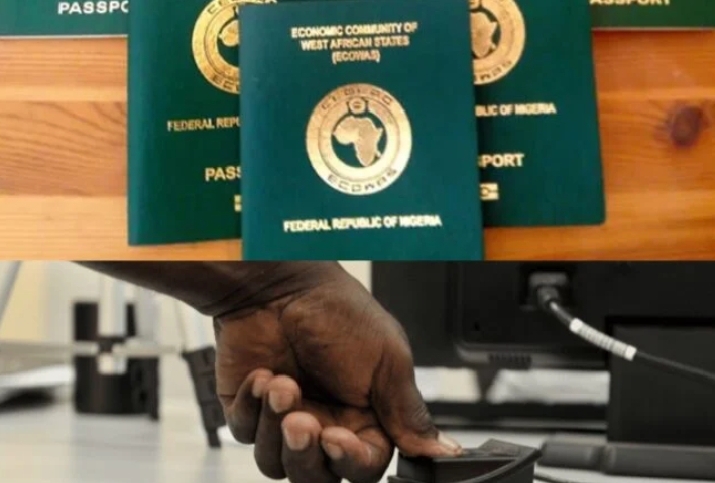
Thousands of Nigerians seeking to renew their passports are entering a new era after the Nigeria Immigration Service unveiled a process designed to bring one of the country’s most important government services closer to people’s fingertips. With the official NIS Passport Portal, the NIS Mobile App, remote biometric enrolment, alongside a system that promises fewer physical visits for eligible applicants, interest has continued to grow over how the process works from beginning to end.
As more people prepare to submit their next passport renewal application, understanding each stage of the new system has become just as important as knowing who qualifies, what documents are required, alongside the steps that lead from an online application to passport collection.
Digital rollout begins
Nigeria’s passport application process entered another important phase as the Nigeria Immigration Service expanded its contactless passport renewal system for eligible applicants. The initiative forms part of the Federal Government’s broader effort to modernise public services through digital technology while making passport renewal more accessible for Nigerians at home alongside those living abroad. By introducing a system that allows remote biometric enrolment, the Immigration Service aims to simplify one of the most frequently used government services.
For many years, renewing a passport often involved multiple visits to passport offices, long waiting periods, alongside the challenge of securing biometric appointments. Those experiences made passport renewal stressful for many applicants, especially during periods of high demand. Through the new contactless system, eligible applicants can now complete most stages of the renewal process without physically appearing for biometric capture.
The rollout also reflects a wider transition toward electronic government services where applications, payments, verification, alongside progress tracking can be completed through secure digital platforms. Rather than replacing every existing passport service, the contactless option introduces an additional pathway for applicants who meet the required conditions.
Contactless system explained
The contactless passport application allows eligible Nigerians to complete almost the entire passport renewal process through the official Nigeria Immigration Service Passport Portal together with the NIS Mobile App. Instead of attending a passport office for biometric capture, applicants who qualify can enrol their fingerprints, facial image, alongside identity verification remotely using a compatible smartphone.
The process begins with the online submission of an application through the official passport portal. Applicants complete the required form, upload supporting documents, verify their identity using their National Identification Number together with their date of birth, before making the required electronic payment. Each completed application is then assigned an Application ID alongside a Reference Number that will be used throughout the remaining stages.
After the application has been submitted successfully, eligible applicants may choose the contactless biometric option. Using the NIS Mobile App, they complete fingerprint capture, facial image capture, alongside a liveness verification that confirms the applicant is physically present during the enrolment process. Once those stages have been completed, the biometric information is transmitted securely for processing.
Reason behind the initiative
The Nigeria Immigration Service introduced the contactless passport renewal system to improve service delivery while addressing some of the challenges traditionally associated with passport processing. One major objective is reducing the long queues that frequently develop at passport offices during periods of heavy demand.
Another important goal involves minimising unnecessary physical appointments for applicants whose information already exists within the Immigration Service’s records. By allowing eligible passport holders to complete biometric renewal remotely, processing centres can devote more attention to applications that still require physical attendance, including first time applicants alongside cases involving changes to personal records.
The initiative also seeks to reduce opportunities for fraudulent middlemen who often target applicants searching for faster passport processing. Through direct online applications, electronic payment systems, alongside official digital platforms, the Immigration Service intends to make the process more transparent while giving applicants greater control over their own applications.
Modernising passport administration also forms part of the wider objective. As governments across the world increasingly adopt digital public services, the contactless passport renewal system represents another step toward integrating technology into Nigeria’s immigration administration while improving convenience for eligible citizens.
Eligible applicants
Although the contactless system introduces greater flexibility, it is not available for every passport application. The Nigeria Immigration Service currently limits eligibility mainly to adult Nigerians applying for passport renewal or passport reissue where their existing personal information remains unchanged.
Applicants whose names, dates of birth, gender, alongside other personal records remain exactly the same as those already contained within Immigration Service records may qualify for the remote biometric option. Because those records already exist within the system, the renewal process can proceed without requiring another physical biometric appointment, provided every eligibility requirement has been satisfied.
Restricting eligibility also allows the Immigration Service to maintain stronger identity verification standards while gradually expanding the programme. As the system continues developing, additional categories of applicants may eventually become eligible depending on future policy decisions.
Applicants excluded
While the contactless passport renewal system offers greater convenience for many Nigerians, the service is currently unavailable for several categories of applicants. The Nigeria Immigration Service maintains these restrictions because certain applications require additional identity verification that cannot yet be completed entirely through the remote process.
First time passport applicants remain among those who must still visit a designated passport processing centre for physical biometric enrolment. Since the Immigration Service must establish their records for the first time, physical verification continues to play an important role before a passport can be issued.
Children, also referred to as minors, are equally excluded from the contactless option at this stage. Applications involving minors continue to follow the existing physical process because of the additional documentation alongside identity verification requirements applicable to younger applicants.
Applicants seeking replacement passports because their previous passport was lost or damaged must also complete the conventional procedure. Similar rules apply to individuals requesting changes to personal information such as their name, date of birth, or other official records, since those applications require additional verification before approval can be granted.
Application sequence
Eligible applicants begin the process by visiting the official Nigeria Immigration Service Passport Portal. After creating an account or signing into an existing profile, they complete the online application form using accurate personal information that matches their official records.
Identity verification follows through the applicant’s National Identification Number together with the recorded date of birth. Once verification has been completed successfully, applicants select the appropriate processing centre, embassy, or high commission responsible for their application before uploading every required supporting document.
The next stage involves payment of the applicable passport booklet fee through the approved electronic payment platform. After payment has been confirmed, the system generates both an Application ID alongside a Reference Number. Those details remain important throughout the remaining stages because they are required for biometric enrolment together with application tracking.
Eligible applicants then select the contactless option through the Application Status section before downloading the official NIS Mobile App. Using the Application ID together with the Reference Number, they log into the application before proceeding to the biometric enrolment stage.
Remote biometric capture
One of the biggest changes introduced by the contactless system involves remote biometric enrolment. Rather than travelling to an immigration office solely for fingerprint capture alongside facial photography, eligible applicants can complete those requirements using the official NIS Mobile App on a compatible smartphone.
After logging into the application, users begin the biometric process by capturing their fingerprints according to the instructions displayed on the screen. The application then guides them through facial image capture, ensuring that the photograph meets the standards required for passport production.
Another important security feature is the liveness verification process. This stage confirms that the person completing the application is physically present during enrolment rather than attempting to use a printed photograph, prerecorded video, or any other substitute. Once the verification has been completed successfully, the biometric information is securely submitted to the Nigeria Immigration Service for further processing.
The submitted fingerprints are also checked against existing Immigration Service records before the application proceeds. Those verification measures are intended to strengthen identity protection while maintaining the integrity of Nigeria’s passport database.
Documents required
Applicants intending to use the contactless passport renewal service should prepare the necessary documents before beginning the application. Having the required information readily available helps reduce delays while allowing each stage of the online process to be completed more efficiently.
One of the most important requirements is the applicant’s existing Nigerian passport since the renewal process relies on information already contained within Immigration Service records. Applicants must also provide their National Identification Number because identity verification is linked to the national identity database during the application.
A valid electronic mail address is equally required because important notifications relating to the application may be sent through that channel. Depending on the category of renewal being requested, applicants may also need to upload additional supporting documents specified by the Nigeria Immigration Service before the application can proceed to the processing stage.
Fees involved
Applicants using the contactless passport renewal system are expected to pay the standard passport booklet fee applicable to their chosen passport category. The amount payable depends on the type of passport being renewed together with the number of pages selected during the application process, following the official fee schedule approved by the Nigeria Immigration Service.
Those who choose the remote biometric option are also required to pay an additional contactless service charge. That fee covers the technology supporting remote biometric enrolment through the official NIS Mobile App, allowing eligible applicants to complete fingerprint capture, facial image submission, alongside identity verification without attending a physical biometric appointment.
Every payment should be completed through the official Nigeria Immigration Service Passport Portal using the approved electronic payment channels. Applicants are advised to avoid unofficial payment requests from third parties, since all legitimate charges are processed directly through the Immigration Service’s official platform.
Availability expands
The contactless passport renewal system was first introduced primarily for Nigerians living outside the country, giving members of the diaspora greater flexibility when renewing their passports without travelling long distances to Nigerian embassies or high commissions solely for biometric capture.
Following the initial rollout, the Nigeria Immigration Service gradually expanded the programme to include more eligible applicants. As the digital infrastructure continues developing, additional processing locations have begun supporting the contactless option, making the service available to a wider number of Nigerians who meet the required conditions.
Availability, however, may still vary depending on the selected processing centre, embassy, or high commission. For that reason, applicants are encouraged to confirm that the contactless option is supported for their chosen location before completing the application process.
Major benefits
One of the biggest advantages of the contactless system is the reduction in physical visits required during passport renewal. Eligible applicants can complete most stages of the process from their homes or workplaces using the official online portal together with the NIS Mobile App, saving valuable time that would otherwise be spent travelling to passport offices.
The system also helps reduce congestion at Immigration Service processing centres by limiting physical appointments to applicants whose presence remains necessary. With fewer people waiting for biometric enrolment, officials can process applications more efficiently while improving the overall experience for members of the public.
Greater transparency represents another important benefit. Because applications, payments, biometric enrolment, alongside status tracking all take place through official digital platforms, applicants are able to monitor their progress directly without relying on unofficial agents or middlemen.
Reduced travel costs also make the service attractive, particularly for applicants who previously travelled considerable distances simply to complete biometric capture. By bringing much of the renewal process online, the Nigeria Immigration Service has introduced a system designed to combine convenience with stronger digital service delivery.
Important reminders
Before beginning an application, eligible Nigerians should ensure that every personal detail entered during the online process matches the information linked to their National Identification Number. Differences between official records may result in delays or additional verification before processing can continue.
Applicants should also remember that the contactless option remains voluntary. Those who prefer the existing physical process may still use the traditional application method where applicable, while individuals who are not eligible for remote biometric enrolment must continue attending physical appointments in accordance with current Immigration Service guidelines.
Only the official Nigeria Immigration Service Passport Portal together with the official NIS Mobile App should be used throughout the application process. Using unofficial websites or applications increases the risk of fraud, making it important for applicants to verify that every stage of the process is completed through authorised government platforms.
Final overview
The expansion of Nigeria’s contactless passport renewal system represents one of the most significant improvements to passport administration in recent years. By combining online applications, electronic payments, remote biometric enrolment, alongside digital application tracking, the Nigeria Immigration Service has introduced a more convenient pathway for eligible Nigerians seeking to renew their passports.
Although the programme currently applies only to specific categories of applicants, it reflects a broader commitment to modernising public services through technology while reducing unnecessary physical visits to passport offices. As more eligible Nigerians begin using the platform, the system is expected to contribute to faster processing, improved transparency, alongside a more efficient passport renewal experience.
For applicants who meet the eligibility requirements, the contactless option provides an opportunity to complete much of the passport renewal journey from virtually anywhere using the official portal together with the NIS Mobile App. With careful preparation, accurate documentation, alongside compliance with the stated requirements, the process offers a practical glimpse into the future of digital government services in Nigeria.