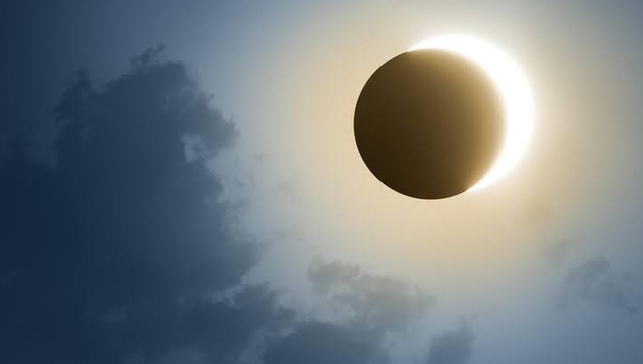
Countless people across the world will pause their daily routines on Wednesday, August 12, 2026, to witness a rare moment when the familiar brightness of the afternoon sky quietly gives way to an unforgettable display above their heads. Months of preparation, travel plans, scientific observations, plus public excitement have already begun building toward an event that promises to leave a lasting impression on everyone fortunate enough to stand beneath its narrow path. Every eclipse carries its own story, yet this one arrives with a level of anticipation that has placed several countries at the heart of one of nature’s greatest spectacles.
Growing excitement has stretched far beyond the astronomy community as photographers, researchers, families, seasoned eclipse chasers, plus curious first time observers prepare for an experience that will last only a few minutes but remain in memory for years. Careful planning has become essential because only a limited part of the world will witness complete darkness during totality, while millions of others will settle for a partial view. Every location offers a different perspective, making this celestial event one of the most eagerly awaited astronomical moments of 2026.
Celestial event captures global attention
Wednesday, August 12, 2026, has become one of the most important dates on the astronomical calendar because it will bring the first total solar eclipse visible from mainland Europe since 1999. The event also marks the first total solar eclipse over mainland Spain since 1905, ending more than 120 years without such a remarkable spectacle over the country.
Solar eclipses occur several times within a decade, yet total solar eclipses remain exceptionally rare for any single location. Although the Moon passes between the Earth plus the Sun on a regular basis, its shadow usually falls across oceans or sparsely populated regions, meaning relatively few people experience complete totality during their lifetime.
Astronomers have spent years calculating the precise path that the Moon’s shadow will follow across the Earth on August 12, 2026. Those calculations have allowed scientists, local authorities, tourism operators, plus visitors to prepare well ahead of the event, with many hotels already expecting unusually high demand months before eclipse day arrives.
Interest has continued growing because this eclipse serves as the opening chapter of an extraordinary period for eclipse enthusiasts. Less than 1 year later, another spectacular total solar eclipse will cross parts of Europe, North Africa, plus the Middle East on Saturday, August 2, 2027, creating back to back opportunities for sky watchers across several continents.
Total solar eclipse explained
A total solar eclipse occurs when the Moon moves directly between the Earth plus the Sun, aligning so precisely that it completely blocks the Sun’s bright surface from view for observers standing within the narrow path of totality. That perfect alignment transforms an ordinary daytime sky into an astonishing scene that few natural events can match.
Unlike a partial eclipse where part of the Sun remains visible throughout the event, totality allows the Moon to completely cover the Sun for a brief period. During those precious moments, daylight rapidly fades into a twilight like atmosphere, creating an environment that feels both familiar plus strangely unreal at the same time.
Complete darkness during a total solar eclipse never lasts very long. The Moon continues moving along its orbit while the Earth’s rotation also contributes to the movement of the shadow across the surface. Those combined motions mean every location experiences only a short period of totality before sunlight gradually returns.
Scientists consider total solar eclipses among the most valuable natural events for observing the Sun’s outer atmosphere, known as the corona. Normally hidden beneath the Sun’s overwhelming brightness, the corona suddenly becomes visible as delicate streams of glowing white light extending outward from behind the Moon.
Moon’s shadow follows narrow path
Every total solar eclipse follows a carefully predicted route known as the path of totality. Only people standing within that relatively narrow corridor experience complete darkness because the Moon’s central shadow reaches only a limited portion of the Earth’s surface.
Observers positioned even a short distance outside that path will witness only a partial eclipse regardless of how close they may appear on a map. That unique characteristic explains why thousands of visitors often travel hundreds or even thousands of kilometres to place themselves directly beneath the path before eclipse day.
Wednesday, August 12, 2026, will see the Moon’s shadow begin its remarkable journey across remote regions before crossing several highly anticipated viewing areas. Each destination offers a different landscape, weather pattern, plus viewing experience, making careful planning especially important for anyone hoping to witness totality.
Weather conditions will also play an important role because clear skies remain essential for enjoying the full spectacle. Even though astronomers can predict the exact timing of the eclipse many years ahead, cloud cover remains one factor beyond human control.
Greenland prepares for rare spectacle
Greenland will become one of the first land areas to witness totality during the August 12, 2026 eclipse. Vast icy landscapes, towering glaciers, plus wide open skies will provide a dramatic backdrop as the Moon’s shadow races across the Arctic region.
Population levels remain relatively low across much of Greenland, meaning the eclipse will unfold over large stretches of untouched natural scenery. Researchers working within Arctic environments have expressed considerable interest because the combination of unique landscapes plus totality offers valuable opportunities for photography together with scientific observation.
Visitors travelling to Greenland specifically for the eclipse are expected to prepare carefully because weather conditions can change rapidly throughout the Arctic. Cold temperatures, changing winds, plus remote locations require detailed planning well before departure.
Despite those challenges, Greenland’s extraordinary scenery promises to deliver one of the most breathtaking eclipse experiences available anywhere along the path of totality.
Iceland enters path of totality
Iceland stands among the most anticipated destinations for the August 2026 eclipse because of its reputation for dramatic natural landscapes combined with relatively accessible travel connections. Volcanoes, waterfalls, lava fields, glaciers, plus wide open coastlines create unforgettable settings for observing one of nature’s greatest spectacles.
Reykjavik, the nation’s capital, has attracted particular attention because thousands of international visitors are expected to use the city as their base before travelling toward favourable viewing locations. Tourism officials have already recognised the eclipse as one of the country’s major international attractions during 2026.
Clear skies could reward observers with an extraordinary contrast between Iceland’s rugged landscapes plus the glowing white corona surrounding the hidden Sun. Those fortunate enough to experience totality may also notice sudden changes in temperature together with unusual behaviour among birds plus other wildlife.
Accommodation providers across Iceland have prepared for unusually high visitor numbers, reflecting worldwide interest in witnessing totality from one of Europe’s most visually striking destinations.
Spain becomes centre of global attention
Spain will undoubtedly receive the greatest international attention during the August 12, 2026 eclipse because it combines excellent accessibility with one of the most remarkable viewing opportunities available anywhere along the eclipse path.
Wednesday, August 12, 2026, will become a historic date for Spain as the country experiences its first total solar eclipse over mainland territory since 1905. More than 120 years will have passed before another generation witnesses such an extraordinary astronomical event from Spanish soil.
Another remarkable feature makes Spain’s eclipse especially memorable. Totality will occur close to sunset across parts of the country, creating what astronomers often describe as a sunset eclipse. The combination of the darkened sky together with the low position of the Sun promises breathtaking scenery that photographers have anticipated for years.
Millions of visitors from across Europe, North America, Asia, plus many other regions are expected to travel to Spain during the days leading up to the eclipse. Local businesses, hotels, transport operators, restaurants, plus tourism agencies have all prepared for significantly increased demand.
Spanish cities expect visitors
Several Spanish cities have emerged as particularly popular destinations because they lie close to or directly beneath the predicted path of totality. León has become one of the leading choices because of its favourable position together with established tourism facilities capable of welcoming large numbers of visitors.
Burgos has also attracted considerable attention as eclipse enthusiasts search for locations offering wide horizons plus favourable viewing conditions. Historic architecture combined with accessible transport links has strengthened the city’s appeal among domestic together with international travellers.
Zaragoza continues appearing on recommended viewing lists because of its location relative to the eclipse path, while Bilbao offers another attractive option for visitors seeking a memorable combination of culture plus astronomy during their stay.
Logroño, Valladolid, plus A Coruña have likewise entered travel discussions as thousands of observers compare weather patterns, accessibility, accommodation availability, plus local viewing conditions before making their final decisions months ahead of eclipse day.
Portugal will receive brief totality
A small section of north western Portugal will also experience totality during the August 12, 2026 eclipse. Although the path crossing Portugal remains relatively narrow, residents together with visitors positioned within that corridor will witness the same extraordinary transformation from daylight to darkness.
Communities located close to the eclipse path have already recognised the opportunity to welcome visitors seeking alternative viewing locations outside neighbouring Spain. Smaller crowds may appeal to travellers hoping for a quieter eclipse experience while remaining beneath the path of totality.
Portuguese observers fortunate enough to stand within the shadow will enjoy the same dramatic appearance of the Sun’s corona, the sudden arrival of twilight, plus the unforgettable return of daylight only moments later.
Those outside the narrow corridor will still experience a substantial partial eclipse, providing an impressive display even without complete darkness.
North Atlantic becomes moving stage
Large sections of the North Atlantic Ocean will also fall beneath the Moon’s shadow as totality continues its journey across the planet. Although relatively few people will witness this portion of the eclipse from land, research vessels, commercial ships, plus specially arranged cruise expeditions are expected to position themselves within the path to experience complete darkness at sea.
Watching a total solar eclipse over open water offers a remarkably different experience from observing it on land. Every direction stretches toward the horizon, creating an uninterrupted view as daylight gradually fades before the surrounding sky takes on an eerie twilight glow. Calm seas combined with clear weather could provide one of the most breathtaking perspectives of the entire event.
Several cruise operators have already announced eclipse themed voyages that place passengers directly beneath the predicted path of totality. Those journeys combine astronomy with ocean travel, allowing guests to experience one of nature’s rarest events while surrounded by the vast Atlantic Ocean. Such trips have become increasingly popular among experienced eclipse chasers who seek unique viewing locations beyond traditional tourist destinations.
Researchers aboard scientific vessels also value eclipses over the ocean because they create opportunities to study atmospheric changes, light conditions, plus environmental responses without many of the variables present over populated areas. Every successful observation contributes valuable information to ongoing studies of solar activity together with Earth’s atmosphere.
Northern Russia concludes eclipse path
Remote parts of northern Russia will become the final major land area to witness totality before the Moon’s shadow leaves the Earth’s surface. Vast wilderness, limited population centres, plus rugged Arctic landscapes make this portion of the eclipse far less accessible than Spain or Iceland, yet it remains equally important from an astronomical perspective.
Travelling to those northern regions requires significant planning because many locations can only be reached through lengthy journeys involving multiple forms of transport. Weather conditions may also present additional challenges, making careful preparation essential for anyone hoping to observe totality from this part of the world.
Despite the logistical difficulties, experienced eclipse enthusiasts often welcome such remote destinations because they offer quiet surroundings free from large crowds. Wide open skies combined with minimal light pollution create favourable conditions for observing the changing appearance of the sky before, during, plus after totality.
Completion of the eclipse across northern Russia will mark the end of the Moon’s remarkable journey across thousands of kilometres, concluding one of the most anticipated astronomical events of 2026 after only a matter of hours.
Partial eclipse reaches wider regions
Complete darkness will remain limited to the narrow path of totality, yet the eclipse itself will extend far beyond those locations. Millions of people across Europe will witness the Moon covering a significant portion of the Sun, even though complete totality will remain out of reach.
Large areas of north western Africa will also experience a partial eclipse during Wednesday, August 12, 2026. Residents across several countries will notice the gradual reduction in sunlight as the Moon slowly moves across the face of the Sun before reversing the process later in the afternoon.
Northern parts of the United States, sections of Canada, Alaska, plus parts of the Arctic region will likewise witness varying degrees of partial coverage. The amount of the Sun hidden by the Moon will differ from one location to another depending on distance from the path of totality.
Every partial eclipse still provides an impressive astronomical event, although proper eye protection remains essential throughout the entire viewing period because part of the Sun remains visible at all times. Unlike totality, there is never a safe moment to look directly at the Sun during a partial eclipse without certified protection.
Totality remains remarkably brief
Many first time observers are often surprised by how quickly totality passes. Years of anticipation ultimately lead to an experience lasting less than 2 minutes and 30 seconds at the point of maximum duration during the August 12, 2026 eclipse.
Most locations positioned beneath the path will experience complete darkness for less than 2 minutes before sunlight begins returning. Those brief moments often feel even shorter because observers naturally become absorbed by the extraordinary changes unfolding around them.
Astronomers frequently encourage visitors to become familiar with the timing before eclipse day arrives. Knowing exactly when totality begins allows people to spend less time checking clocks plus more time appreciating one of the rarest natural events visible from Earth.
Careful preparation also helps photographers balance capturing memorable images with simply enjoying the experience. Many seasoned eclipse chasers recommend spending at least part of totality looking directly at the spectacle rather than viewing it entirely through a camera lens.
Extraordinary sights during totality
Complete totality transforms the landscape in ways that many people struggle to describe until they experience it for themselves. Bright daylight gradually softens before rapidly fading into an unusual twilight that spreads across the surrounding landscape despite the clock showing the middle of the day.
Perhaps the most famous feature of every total solar eclipse is the Sun’s brilliant white corona. Normally hidden behind overwhelming sunlight, this delicate outer atmosphere suddenly appears as shimmering streams of light extending far beyond the edge of the Moon. Its shape constantly changes because it reflects the Sun’s magnetic activity at that particular time.
Bright planets together with several prominent stars may also become visible despite the event taking place during daytime. Venus often becomes one of the easiest planets to identify, adding another remarkable feature to an already unforgettable sky.
Wildlife frequently responds to the sudden darkness as though evening has arrived. Birds may stop singing before returning to their nests, insects can begin their nighttime sounds, while grazing animals occasionally display behaviour normally associated with sunset rather than midday.
Diamond Ring fascinates observers
Few moments during a total solar eclipse generate as much excitement as the appearance of the Diamond Ring effect. This spectacular phenomenon occurs just before totality begins plus immediately after it ends, when a single brilliant point of sunlight shines beside the dark outline of the Moon.
The combination resembles a sparkling diamond attached to a glowing ring, creating one of the most photographed moments of any eclipse. Its beauty lasts only a matter of seconds, making careful timing essential for photographers hoping to capture the scene.
Closely connected to this effect are Baily’s Beads, tiny points of sunlight that briefly shine through valleys along the Moon’s uneven surface. Rather than appearing as one continuous line of light, the Sun seems to break into several bright beads surrounding the Moon’s edge.
Both phenomena serve as dramatic reminders that the Moon’s surface is far from perfectly smooth. Mountains, valleys, plus craters influence the final rays of sunlight before complete darkness arrives, producing some of the most breathtaking moments of the entire eclipse.
Eye safety remains essential
Viewing a solar eclipse safely requires proper preparation because looking directly at the Sun without suitable protection can cause permanent eye damage. Ordinary sunglasses provide nowhere near the level of protection necessary for eclipse viewing regardless of how dark they may appear.
Experts recommend using eclipse glasses that meet the ISO 12312 2 international safety standard throughout every partial phase of the eclipse. Those specially designed filters reduce sunlight to safe levels while allowing observers to watch the gradual progress of the Moon across the Sun.
Binoculars, telescopes, cameras, plus similar optical equipment require specially designed solar filters placed over the front of the instrument before use. Looking through magnifying equipment without appropriate filters greatly increases the risk of severe eye injury.
Only during the brief period of complete totality may observers within the path safely remove eclipse glasses to admire the corona with the naked eye. Once the first bright rays of sunlight reappear, eye protection must immediately be worn again.
Nigeria remains outside visibility zone
Residents across Nigeria will not be able to observe the August 12, 2026 total solar eclipse because the country lies completely outside both the path of totality plus the wider region experiencing a partial eclipse. No location within Nigeria will witness any portion of this particular celestial event.
Many Nigerian astronomy enthusiasts are therefore expected to follow the eclipse through live broadcasts, scientific organisations, plus online coverage from countries positioned beneath the eclipse path. Modern technology allows millions of people outside the visibility zone to share the excitement despite remaining thousands of kilometres away.
Absence from the viewing area does not reduce Nigeria’s connection to future eclipse events. Astronomers have already identified upcoming eclipses that will offer much better viewing opportunities for observers across parts of Africa, including Nigeria.
Public interest in astronomy continues growing throughout the country, making international events such as the August 2026 eclipse valuable opportunities for education, scientific discussion, plus greater appreciation of the natural world.
Next eclipses already attracting attention
Attention will quickly turn toward Thursday, February 6, 2027, when an annular solar eclipse, often called a Ring of Fire eclipse, becomes visible across parts of Africa, including Nigeria, together with sections of South America. During that event, the Moon will pass directly across the Sun while appearing slightly smaller, leaving a brilliant ring of sunlight visible around its edge.
Less than 6 months later, Saturday, August 2, 2027, will bring another extraordinary total solar eclipse stretching across southern Spain, North Africa, Egypt, Saudi Arabia, plus Yemen. Astronomers expect that eclipse to become one of the longest total solar eclipses of the 21st century, drawing worldwide attention once again.
Many experienced eclipse chasers already describe the period between August 2026 plus August 2027 as one of the finest opportunities in decades to witness multiple major solar eclipses within a relatively short period. Those fortunate enough to attend both events will experience 2 remarkably different eclipses across 2 successive years.
Wednesday, August 12, 2026, therefore represents far more than a single afternoon of astronomical wonder. It marks the beginning of an exceptional chapter in modern eclipse history, bringing together science, travel, nature, plus human curiosity beneath the same darkened sky as millions look upward to witness a spectacle that will not soon be forgotten.