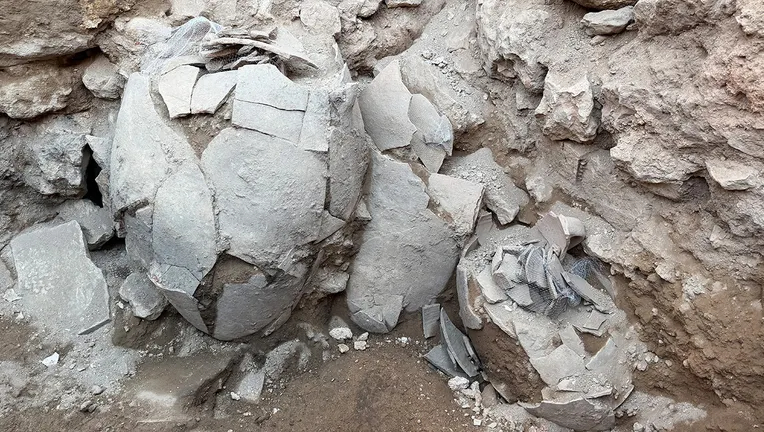
Archaeologists working at the ancient site of Shiloh in the West Bank have pulled a fresh batch of Second Temple-era artifacts out of the ground, just days before Tisha B’Av, the Jewish fast day marking the destruction of both Temples. The timing wasn’t planned. It just happened that way, and it’s added another layer to a story that’s been building for months: is this finally the place where the Ark of the Covenant once sat?
Short answer: nobody’s found the Ark. Long answer: what’s coming out of the soil at Shiloh is starting to look like more than coincidence.

What was actually found this time
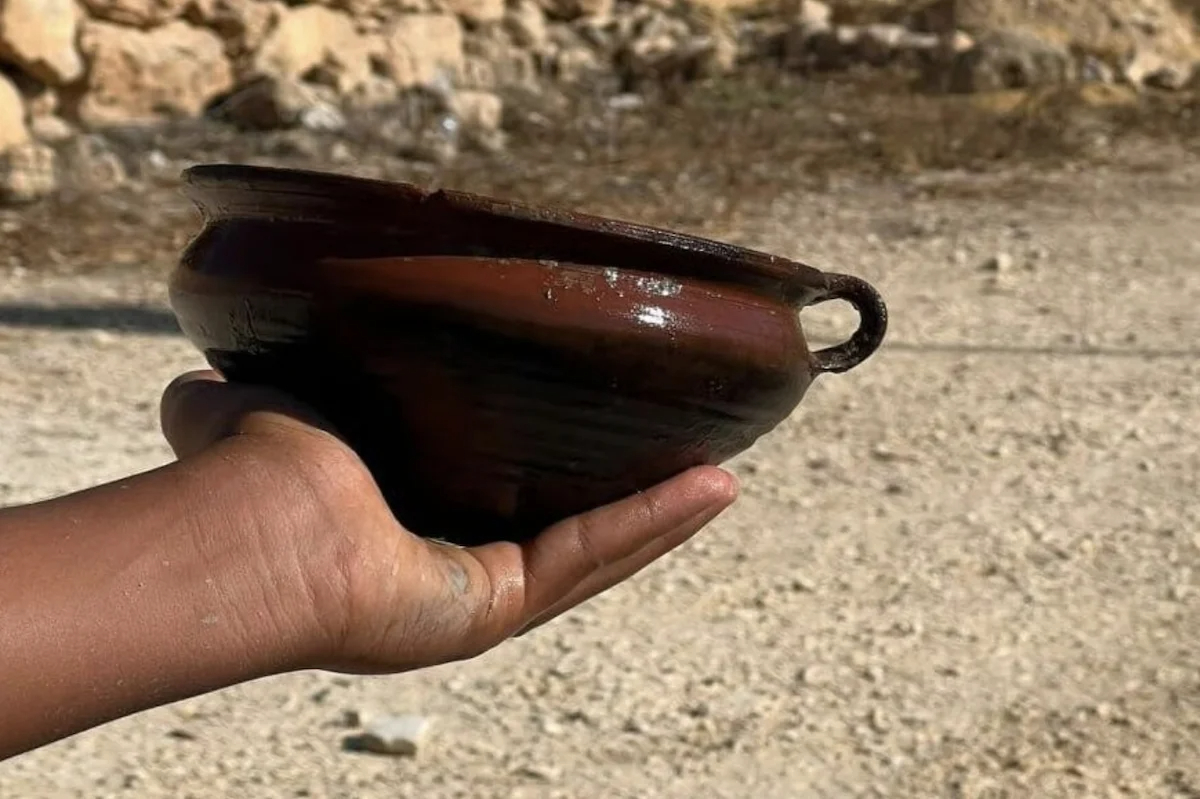
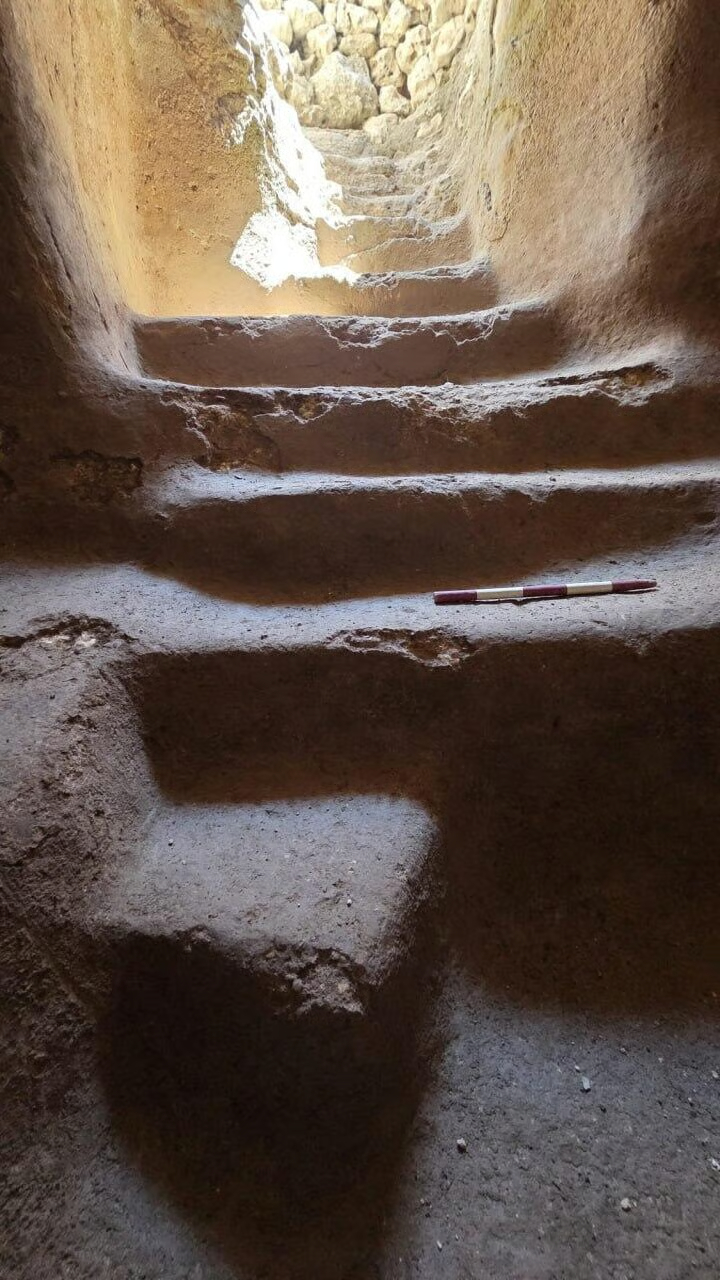
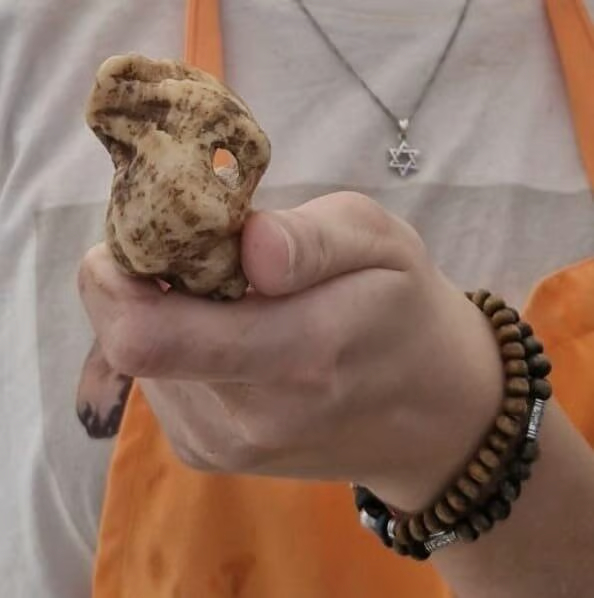
The Civil Administration’s Archaeology Unit, working with the Binyamin Regional Council, uncovered a well-preserved ritual bath, a clay cooking pot, and a purple-dye murex snail shell at the Ancient Shiloh National Heritage Site in southern Samaria. That shell matters more than it sounds. Murex dye was used to color tzitzit and parts of the High Priest’s garments, so finding one at a site tied to Israelite worship isn’t just a curiosity. It’s the kind of object that shows up exactly where you’d expect priestly activity to have happened.
Some of the pieces turned up during soil sifting at the “Treasures of Samaria” facility, where excess dirt from digs around the region gets sorted through, often by teenagers volunteering through a program run by the Samaria Regional Council. It’s unglamorous work, but it’s how a lot of small, easily missed finds surface. The Binyamin Regional Council’s tourism association also just wrapped its 15th annual Shiloh Academic Conference, where researchers compared notes on what’s been dug up across the wider Binyamin area.
Binyamin Regional Council head Israel Ganz framed the finds as evidence of a long Jewish presence in Shiloh, a point he made explicitly political given ongoing disputes over the land. That’s worth flagging for readers: the archaeology and the politics around it are tangled together here, and not everyone reads the same dirt the same way.

The bigger story: a building shaped like the Tabernacle
This latest haul builds on something bigger that’s been developing all year. Scott Stripling, who leads the Tel Shiloh excavation for the Associates for Biblical Research, has spent the past several digging seasons chasing the outline of a massive building at the site. Earlier this year, his team finally uncovered its southern wall, which let them map the structure’s full footprint for the first time.
What they found lines up strangely well with the Tabernacle described in Exodus: an east-west orientation, a 2:1 ratio dividing the space into two sections, and a thick internal wall in roughly the spot where the Torah says a curtain separated the Holy of Holies from the outer room. Stripling has said finishing the wall let his team properly evaluate what the building was actually for.
Around the structure, diggers pulled out ceramic pomegranates, stone altar horns, and more murex shells, plus something genuinely wild: over 100,000 animal bones, mostly from sheep, goats, and cattle. The interesting part is which cuts. Most came from the right side of the animals, and Leviticus 7 specifically reserves that portion for the priests. That’s a hard detail to explain away as random household trash.
More recently, Stripling’s team found ancient jars holding roughly 500 burned olive pits and lentils, buried beneath what looks like a ritual deposit. Stripling’s read on it is that some kind of accident sparked a fire that spread through the storage area and, weirdly, ended up preserving the food for thousands of years by charring it.

Why Shiloh, specifically
The Bible is fairly specific about this place. Joshua 18 has the Israelites setting up the Tabernacle at Shiloh after entering Canaan, and it stayed there as the center of worship for roughly three centuries before Jerusalem took over. Eli the priest presided there, a young Samuel served there, and 1 Samuel 4 describes the Ark being carried out of Shiloh into battle against the Philistines, where it was captured. Eli reportedly died from the shock of hearing the news.
So the site was never a mystery location. What’s changed is that the ground is now backing up the text with something physical: right architecture, right period, right kind of ritual debris.
None of the archaeologists involved are claiming they’ve found the Ark itself, and they’re careful not to overstate it. Pottery dating, bone analysis, and building dimensions all point toward the same window of time, but a match on dimensions and debris isn’t the same as a smoking gun. Some researchers are also looking at newer tools like muon tomography, which uses cosmic rays to map hidden underground spaces without digging, as a way to check what else might be sitting beneath parts of Jerusalem connected to the later Temple.
The excavation at Tel Shiloh is reportedly the largest annual archaeological dig running in Israel right now, and each digging season has turned up something new. For now, the honest answer to “has the Ark been found” is still no. But the case for Shiloh as its original home keeps getting harder to wave off, one jar, one bone, one wall at a time.