
When Iya premiered on YouTube on Saturday, July 11, 2026, few could have predicted how quickly it would become one of the most talked-about Yoruba films of the year.
Produced by Mide Martins and directed by Afeez Abiodun, popularly known as Afeez Owo, the emotional family drama struck a chord with audiences almost immediately. One week later, on Saturday, July 18, 2026, Iya Part 2 was released, continuing a story that had already captured viewers’ attention.
As of today, Iya Part 1 has recorded 8.1 million views in just two weeks, while Iya Part 2 has amassed 5.7 million views within eight days. Combined, the two parts have attracted more than 13.8 million YouTube views, a remarkable achievement for a Yoruba-language film released on the free video-sharing platform.
The numbers alone tell part of the story. The bigger question is why millions of people chose to watch Iya. The answer lies in its relatable story, emotional performances and themes that resonate with many families.
A milestone that reflects the film’s wide appeal


Every week, numerous Nollywood films are uploaded to YouTube. While many attract respectable audiences, only a few manage to generate the kind of attention Iya has enjoyed within such a short period.
The film’s rapid rise in viewership has placed it among the standout Yoruba releases of 2026. Beyond the impressive numbers, it has sparked conversations across social media, where viewers continue to recommend it to family members and friends.
Its success also highlights how YouTube has become one of Nollywood’s most important platforms, allowing films to reach audiences in Nigeria and across the world without the barriers of cinema tickets or subscription fees.
A story rooted in realities many families understand
One of the biggest reasons behind Iya’s success is its story. Based on true events, the film tells the story of a single mother whose life has been defined by sacrifice. She devotes everything she has to raising and protecting her three daughters, believing every difficult decision she makes is in their best interest.
But as the children grow older, they begin to question the version of their family’s history they have always known. They want answers about their biological father, who their mum said was long dead. After discovering their father is alive, the daughters who are now grown up, insist on building a relationship with him despite their mother’s strong opposition.
The disagreement gradually exposes years of hidden pain, unresolved trauma and family secrets.
Rather than presenting motherhood as perfect, Iya explores the difficult choices many parents make when trying to protect their children. It also raises uncomfortable questions about whether love can sometimes become overprotection and whether painful truths can remain hidden forever.
These are situations many viewers could relate to, making the film feel less like fiction and more like a reflection of real life.
Motherhood, sacrifice and emotional trauma take centre stage
At its heart, Iya is a story about motherhood. The film carefully explores the emotional and physical burden carried by a woman who believes she sacrificed everything for her children, only to find herself misunderstood by the very people she spent her life protecting.
Throughout the story, viewers witness the emotional weight of single parenthood, family betrayal, forgiveness and the lifelong effects of unresolved trauma.
As the daughters push to reconnect with their father, the mother’s struggle becomes increasingly painful. She believes the man abandoned them when they needed him most, while her children feel they deserve the opportunity to know their father regardless of the past.
This emotional conflict becomes the driving force behind the film and keeps viewers invested from beginning to end.
Mide Martins delivers one of the strongest performances of her career


Much of Iya‘s success rests on Mide Martins’ performance in the lead role. Her portrayal of the titular character has been widely praised for its emotional depth and realism.
Rather than relying on dramatic speeches alone, she communicates pain through silence, lingering eye contact, subtle facial expressions and overflowing tears. Her performance captures a woman who is emotionally exhausted yet determined to keep fighting for her children.
One of the film’s most memorable moments comes during the confrontation over abandonment, when her children insist on reconnecting with their father. They even move out of her house to live with their father when she asks them to choose between her and their father. She bursts into very bitter tears that refuses to stop flowing according to claims by cast members, in a clip that went viral on social media.
The emotional scene lays bare the heartbreak of a mother who feels every sacrifice she made is being forgotten. Her desperate attempts to explain why she raised her children alone reveal years of buried emotional wounds.
Another touching moment arrives during her quiet reflection on the hardships she endured while raising her children. The scene offers viewers a deeper understanding of the pain behind her strict decisions.
The emotional climax comes near the end of part 2, when her carefully built emotional walls finally collapse. In a deeply moving breakdown, she reveals the reasons behind the decisions that shaped her family, leaving audiences with a powerful reminder that love and pain often exist side by side.
It is these emotionally charged scenes that have led many viewers to describe Iya as one of Mide Martins’ finest performances in recent years.
A strong supporting cast strengthens the story


Although Mide Martins carries much of the emotional weight as ‘Iya’, the supporting cast plays an equally important role in bringing the story to life.
The film features Yetunde Barnabas, who plays Anuoluwapo, the emotional last-born child who ultimately decides to stay and support her mother while her siblings make different choices.
Temitope Aremu plays Pelumi, the firstborn and one of the children who treats her mother harshly. Her disrespectful behaviour and harsh treatment of her mother angered many viewers
Seilat Adebowale plays the third sibling, completing the trio of daughters who grow up and face the heartbreaking choice between their parents.
Kunle Omisore delivers a standout performance as the husband of Mide Martins’ character who abandons his family for over 20 years in search of greener pastures.
Jide Awobona, Kiki Bakare, Afeez Owo and Jumoke George also contributed performances that deepened the family’s emotional struggles.
Their chemistry allows every confrontation, disagreement and reconciliation to feel believable.
Afeez Owo’s direction also deserves credit. Rather than rushing through emotional moments, he allows scenes to breathe, giving audiences enough time to connect with each character’s perspective.
The courtroom scenes in the second part particularly heighten the emotional tension as the family’s disagreements move beyond private conversations into legal battles.
The court proceedings ultimately recognise the children as adults capable of deciding whether they want a relationship with their father, forcing Mide Martins character to confront a painful new reality.
Emotional storytelling keeps viewers invested
Another reason audiences remained glued to the film is the way the story unfolds. Instead of revealing every answer at once, Iya slowly uncovers its secrets through emotional conversations, family confrontations and difficult decisions.
Questions surrounding the children’s father, the mother’s past and the reasons behind her protective behaviour create suspense without relying on unnecessary action.
Each revelation encourages viewers to keep watching as they try to understand every character’s motivations. The film also avoids portraying its characters as completely right or completely wrong.
Instead, it presents flawed individuals trying to heal from painful experiences, making the story more believable and emotionally engaging.
YouTube gave the film the audience it deserved
The platform itself also played a significant role in Iya’s success. With YouTube, audiences could watch the film free of charge from anywhere in the world.
Families could watch together at home, while Nigerians living abroad could access the movie as easily as viewers back home.
The platform also made it easier for people to recommend the film through WhatsApp, Facebook, Instagram and TikTok, where clips and conversations encouraged even more people to watch.
As viewers completed Part 1, many eagerly returned a week later for Part 2, helping the sequel record millions of views within days of its release.
What Iya’s success says about Nollywood
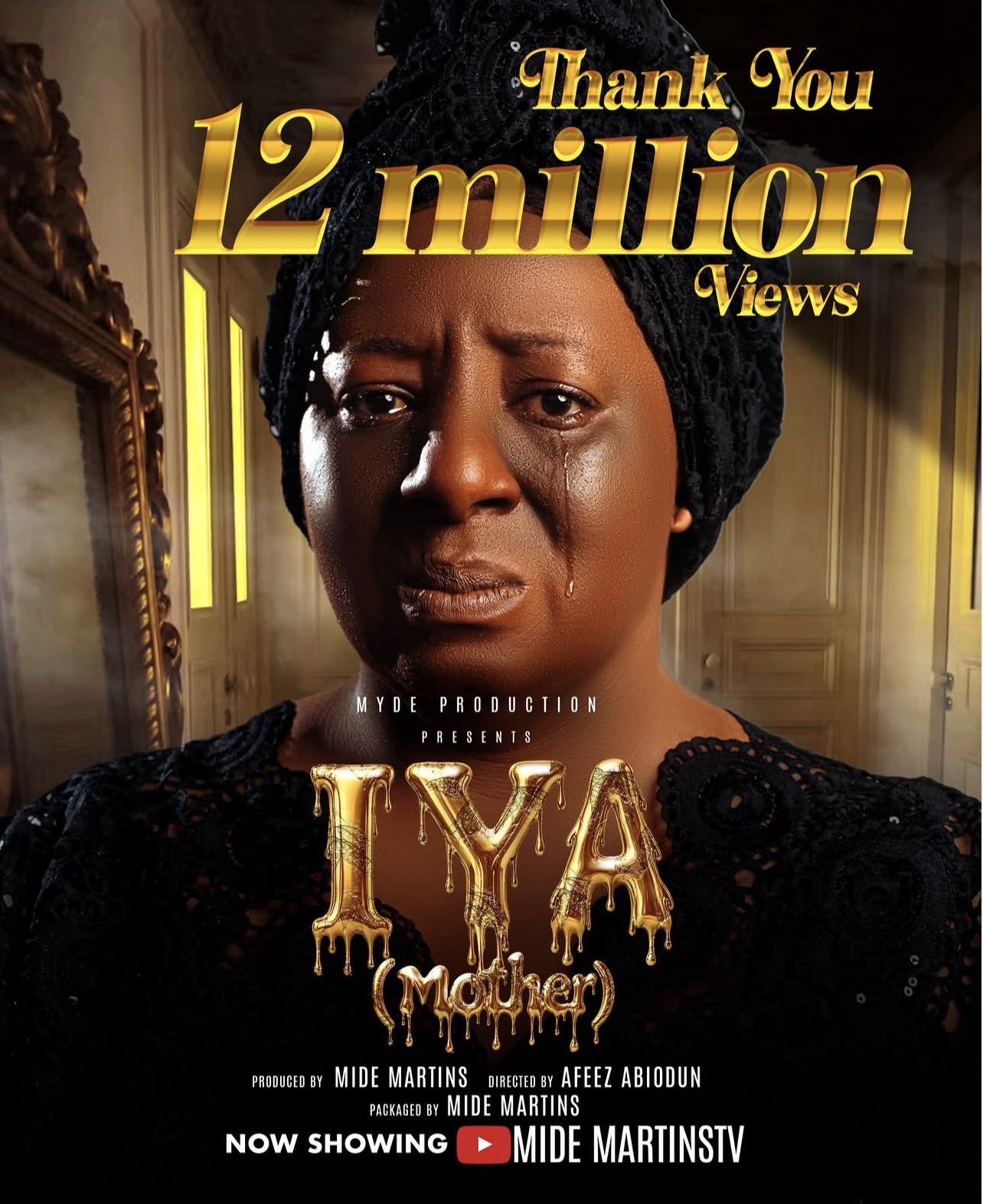
The remarkable performance of Iya demonstrates that audiences still respond strongly to stories rooted in everyday experiences.
The film shows that expensive visual effects or elaborate action scenes are not always necessary to capture attention. Instead, authentic storytelling, relatable family conflicts and emotionally convincing performances continue to resonate with viewers.
Its success also shows the growing importance of YouTube in Nollywood’s distribution landscape. More filmmakers are embracing the platform to reach larger audiences directly, and Iya is another example of how a compelling story can travel far beyond traditional cinema screens.
Conclusion
From its release on July 11, 2026, to the arrival of its second part on July 18, Iya has grown into far more than a successful YouTube release. With more than 13 million combined views, the film has become one of the standout Yoruba productions of 2026.
Its popularity is not simply the result of impressive numbers. It is the product of a relatable story, heartfelt performances, strong direction and themes that mirror the realities of many families.
For many viewers, Iya is more than a movie. It is a reminder of the sacrifices parents make, the wounds families carry and the difficult conversations that often stand between pain and healing.
That emotional honesty is ultimately what has made millions of people press play and recommend the film to others.