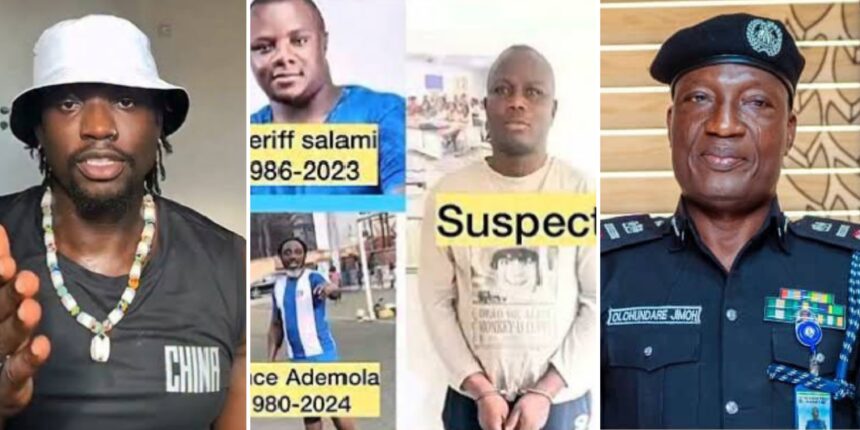
A quiet community in Lagos became the centre of one of Nigeria’s most heated public debates after a murder investigation transformed into a clash involving a social media activist, a senior police officer, a businessman accused in a criminal case, and questions about how justice should be pursued.
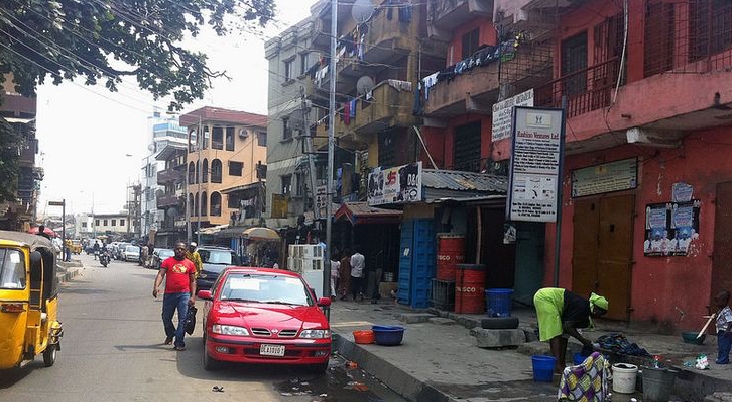
The name Ajiran entered national conversations not because it was a person, but because it is a community around the Lekki area of Lagos State where the killings of Sheriff Ishola Salami and Prince Ademola Akinloye became the subject of a major police investigation.
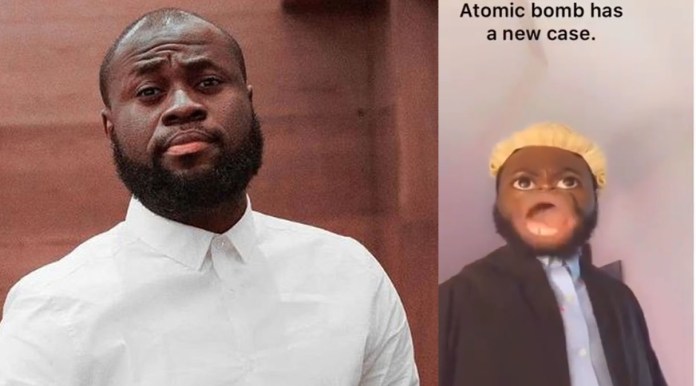
The case would later attract the attention of Martins Vincent Otse, popularly known as VeryDarkMan, who questioned the police handling of the investigation and accused Assistant Inspector General of Police Olohundare Moshood Jimoh of wrongdoing. His claims triggered a strong reaction from police authorities, civil society groups, and individuals who defended the senior officer’s actions.
At the centre of the dispute is a simple but difficult question: was a murder investigation properly handled, or were serious allegations being raised without enough proof?
The answer remains contested as both sides continue to defend their positions.
How the Ajiran murder case began
The controversy started with 2 separate killings linked to Ajiran community in Eti Osa Local Government Area of Lagos State.
Police records presented by authorities stated that Sheriff Ishola Salami was killed on April 18, 2023, while Prince Ademola Akinloye, son of a traditional ruler, was killed on August 26, 2024. The cases later became connected through a wider investigation involving alleged violent crimes, destruction of property, and claims of organised attacks.
The investigation gained renewed attention after a petition from representatives of the Ojomu Chieftaincy Family. According to groups defending AIG Jimoh, a petition dated January 7, 2026, led to a directive from the Inspector General of Police on January 8, 2026, ordering a review of the matter.
The review was handled during Jimoh’s time as Lagos State Commissioner of Police before he became Assistant Inspector General of Police in charge of Zone 2.
According to police accounts, the investigation produced statements from suspects, witness accounts, and other evidence that eventually led investigators to businessman Ahmed Tajudeen Akanbi.
The arrest of Ahmed Tajudeen Akanbi
The businessman at the centre of the investigation became one of the biggest issues in the controversy.
Police declared Ahmed Tajudeen Akanbi wanted in February 2026 over allegations connected to the Ajiran killings. Authorities later said he was tracked through international cooperation and arrested by INTERPOL in Cotonou, Benin Republic, in April 2026 before being returned to Nigeria.

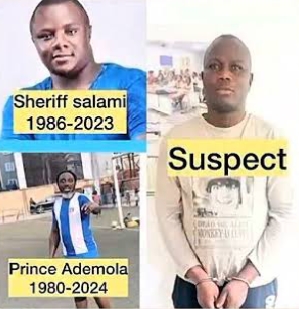
According to AIG Jimoh’s explanation, investigators arrested suspects whose statements allegedly connected Akanbi to the killings. He stated that the police had evidence strong enough to be tested in court.
Speaking about the matter, Jimoh said:
“The matter is already in court and justice must prevail.”
He also stated that police work ends when a matter reaches the court because he was no longer expected to publicly discuss details of an ongoing trial.
However, before and after Akanbi’s arrest, questions emerged from people who believed the businessman was being wrongly accused.
Those questions later became the foundation of VeryDarkMan’s public campaign.
VDM enters the controversy
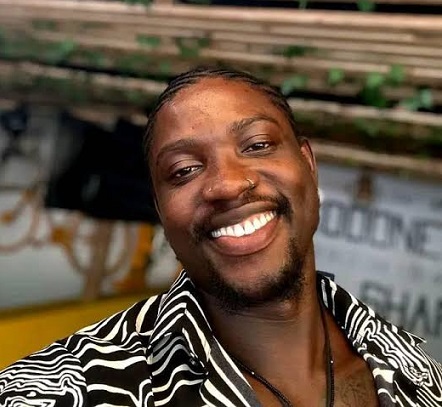
VeryDarkMan became involved after reviewing details surrounding the case and publicly questioning the police narrative.
In July 2026, he released videos accusing AIG Moshood Jimoh of corruption and alleging that the investigation had unfairly targeted Ahmed Tajudeen Akanbi.
VDM described Jimoh as “extremely corrupt” and accused him of threatening the justice system. He challenged the police officer to prove him wrong, stating that he was prepared to face legal consequences if his allegations were false.
His main argument focused on the statements of suspects involved in the investigation.
VDM claimed that the initial statements from arrested suspects did not mention Akanbi as the person responsible for the killings. According to him, this created questions about how the businessman later became the main suspect in the case.
He demanded that the police release or explain the original statements that connected Akanbi to the allegations.
The accusation created a major public reaction because it directly challenged the credibility of a senior police officer overseeing the investigation.
The police case against Akanbi
AIG Jimoh and those defending the police investigation rejected VDM’s claims.
They argued that the activist ignored important parts of the investigation and focused only on selected information.
According to documents cited by groups defending Jimoh, investigators had multiple sources of evidence, including witness accounts, statements from suspects, and other materials they claimed supported the case against Akanbi.
The documents also stated that some suspects allegedly made confessional statements claiming Akanbi ordered or financed the killings.
Supporters of the police officer argued that the matter had moved beyond investigation because it was already before the court, where evidence would be examined properly.
They maintained that public campaigns should not interfere with criminal proceedings.
The VGC property dispute allegation

Another major part of VDM’s argument involved a property dispute connected to Victoria Garden City, popularly known as VGC.
VDM suggested that the murder investigation could have links to a property conflict and questioned whether there were other interests influencing the case.
The property issue became one of the most debated aspects because it raised questions about possible motives behind the allegations.
However, defenders of AIG Jimoh rejected the suggestion that the police investigation was influenced by property interests.
They maintained that the investigation was triggered by complaints, evidence, and legal procedures rather than personal or financial interests.
VDM’s Arise TV interview, the defence of his activism
The controversy entered another major stage when VeryDarkMan appeared on Arise TV to explain his accusations against AIG Moshood Jimoh and why he refused to honour the police invitation requesting that he provide evidence for his claims.
During the interview, VDM defended his style of activism and rejected the idea that he should operate like a traditional civil society organisation. He described himself as an “online police”, explaining that his role was to publicly question individuals and institutions whenever he believed there were issues that required attention.
He explained that his approach was built around pressure and visibility because, according to him, some matters only receive attention when they become public issues.
VDM also used the example of the ratel, commonly known as the honey badger, to describe his personality. He said the animal represents his fearless approach because it does not easily retreat when facing opposition.
The interview became significant because it moved the conversation beyond the Ajiran murder investigation itself and focused on the larger question of how social media activists should challenge government institutions.
Why VDM rejected the police invitation
One of the biggest issues discussed during the Arise TV interview was the invitation issued to VDM by the police.
The invitation was connected to his allegations against AIG Jimoh, with authorities requesting that he provide evidence supporting his claims.
VDM argued that the invitation was not made in good faith. He described it as an attempt to intimidate him and said he believed the focus should remain on the issues he raised about the investigation rather than questioning him over his public statements.
He maintained that his position was not based on personal attacks but on concerns about a case involving a person’s freedom and reputation.
The police, however, maintained that requesting evidence was a normal part of investigating allegations. Their position was that accusations of corruption against a senior officer could not be ignored and that anyone making such claims should be ready to support them with facts.
The disagreement over the invitation became another major battle between VDM and police authorities.
AIG Jimoh’s response to the allegations
AIG Moshood Jimoh responded to the allegations by insisting that the Ajiran murder investigation was not based on personal decisions or political influence.
He stated that the matter was already before the court and that discussing details publicly could affect the legal process.
According to reports, Jimoh explained that the police had evidence against Ahmed Tajudeen Akanbi and that the proper place to test that evidence was the court.
He stated:
“The matter is already in court and justice must prevail.”
The police officer also rejected suggestions that he personally targeted Akanbi, explaining that investigations involve evidence, statements, and procedures carried out by investigators.

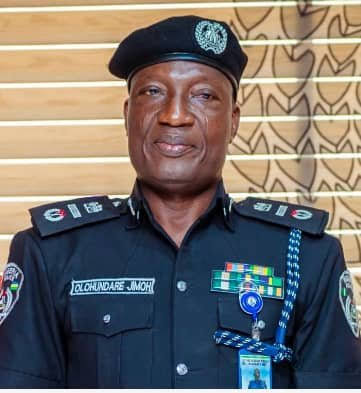
His position was that the police were performing their duty and that the legal system should be allowed to determine the outcome.
Rights groups defend AIG Jimoh
Following VDM’s allegations, several groups came out in defence of AIG Moshood Jimoh.
The groups argued that the accusations against the senior police officer were damaging because they involved claims of corruption and criminal misconduct.
They stated that public officers, including police leaders, should not be condemned through social media campaigns without evidence.
The groups also warned against attempts to interfere with an ongoing court process, arguing that the accused person and investigators both had rights that needed protection.
They maintained that the police investigation followed official procedures and that the evidence should be presented before the court rather than debated through online platforms.
The argument over evidence
The biggest issue connecting both sides is evidence.
VDM’s position is that the police should explain the inconsistencies he believes exist in the investigation. He has questioned how Akanbi became linked to the killings and why he believes the early statements did not directly identify him.
AIG Jimoh’s position is that the police have evidence and that the court is the correct place to determine whether that evidence is enough.
This disagreement represents the difference between public accountability campaigns and criminal justice procedures.
For VDM, public questions must be answered because institutions must be transparent.
For the police, allegations must go through legal processes because investigations involve confidential information and evidence that may only be properly examined during court proceedings.
The public reaction to the controversy
The dispute attracted widespread attention because it combined several issues that have repeatedly generated debate in Nigeria.
A murder investigation, allegations against a senior police officer, a businessman facing criminal accusations, and the involvement of a popular activist created a situation where many people followed every development.
The controversy also revived discussions about trust in law enforcement institutions and whether citizens should rely on official channels alone when raising concerns.
Social media has changed how Nigerians engage with public issues. Cases that previously remained within official institutions can now become national conversations within hours.
However, the same platforms that create awareness can also create challenges when allegations spread before investigations or courts determine facts.
A timeline of key events
The Ajiran controversy began with the killings of Sheriff Ishola Salami and Prince Ademola Akinloye, which later became connected to a wider police investigation.
On January 7, 2026, a petition connected to the matter was reportedly submitted, leading to further police action.
On January 8, 2026, the Inspector General of Police reportedly directed a review of the case.
In February 2026, Ahmed Tajudeen Akanbi was declared wanted by police over allegations connected to the investigation.
In April 2026, Akanbi was arrested in Cotonou, Benin Republic, through international cooperation and later returned to Nigeria.
In July 2026, VeryDarkMan released videos accusing AIG Moshood Jimoh of corruption and questioning the handling of the investigation.
After the allegations became public, police authorities requested that VDM provide evidence supporting his claims.
VDM later appeared on Arise TV, where he explained his position and defended his decision not to honour the invitation.
What the controversy represents
The clash between VeryDarkMan and AIG Moshood Jimoh has become bigger than the individuals involved.
At its core, the dispute raises questions about how Nigerians should demand accountability from powerful institutions and how those institutions should respond when challenged.
The controversy also shows the changing role of social media in justice related conversations. Activists now have platforms that allow them to challenge officials directly and attract public attention.
At the same time, the case highlights the importance of evidence, legal procedures, and the need to separate allegations from established facts.
The unanswered questions
Several issues remain central to the controversy.
The first is whether the evidence against Ahmed Tajudeen Akanbi will stand through the legal process.
The second is whether the concerns raised by VeryDarkMan about the investigation will receive further clarification.
The third is whether the police and other institutions can rebuild public confidence when serious accusations are made against senior officials.
The answers to these questions will depend on official records, court proceedings, and any further developments from investigators.
Final Thoughts
The VeryDarkMan versus AIG Moshood Jimoh controversy has transformed the Ajiran murder investigation into one of the most discussed accountability battles in Nigeria.
What began as a criminal investigation involving deaths in a Lagos community has expanded into a national conversation about police authority, online activism, evidence, and public trust.
VeryDarkMan continues to argue that his questions deserve answers, while AIG Jimoh’s defenders insist that the investigation followed due process and that the court remains the proper place to determine the truth.
For now, the matter remains unresolved, with allegations, denials, and competing narratives still surrounding one of Nigeria’s most closely watched police controversies of 2026.