Africa’s billionaire rankings can change quietly, sometimes without a dramatic business deal, a headline making acquisition or a new fortune appearing overnight. A movement in a company’s share price, a change in exchange rates or a fresh valuation can be enough to rearrange the order at the top. That is what makes the September 1, 2026 snapshot particularly interesting, because beneath the familiar names sits a pattern that becomes clearer when the list is examined country by country.
At first glance, the ranking looks like another list led by Aliko Dangote, with Johann Rupert, Abdulsamad Rabiu and other established billionaires filling the places behind him. A closer look, however, reveals a striking concentration. Nigeria supplied 3 names, Egypt supplied 3 names, South Africa supplied 3 names, while Eswatini supplied 1 name. Those 10 fortunes together reached an estimated $121.3 billion, creating a picture that says as much about the structure of African private wealth as it does about the individuals themselves.
Behind them came fortunes built across cement, manufacturing, retail, property, mining, construction, telecommunications, oil and finance. The names may be familiar, but the order and the concentration tell a more revealing story.
September 1 Ranking
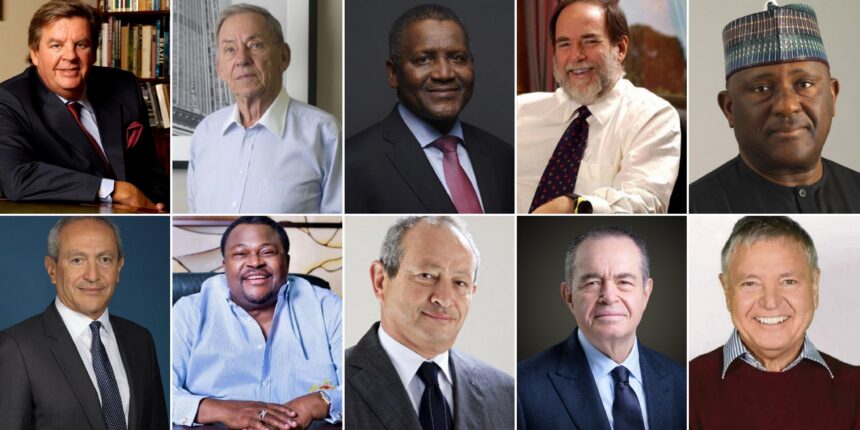
The September 1, 2026 Forbes real time ranking placed Aliko Dangote at the summit of Africa’s billionaire class with an estimated fortune of $31.4 billion. Nathan Kirsh followed in second place with $19.2 billion, while Johann Rupert and family occupied third place with $17.5 billion. Abdulsamad Rabiu came fourth with $12.6 billion, followed by Nicky Oppenheimer and family at $10.7 billion.
Nassef Sawiris held sixth position with $9.6 billion, Mike Adenuga came seventh with $7 billion, Naguib Sawiris followed with $5.6 billion, Mohamed Mansour stood at $4 billion and Michiel le Roux completed the top 10 with $3.7 billion. The ranking was reported using Forbes’ real time tracker, with the September figures presented as estimates rather than fixed declarations of cash wealth.
The first major pattern becomes obvious from the names alone. Nigeria, Egypt and South Africa each placed 3 billionaires inside the top 10. Together, those 3 countries accounted for 9 of the 10 positions, leaving Eswatini with a single representative in Nathan Kirsh. That concentration is difficult to miss because no other African country placed a billionaire inside this particular top 10.
Nigeria’s Three Names
Nigeria’s representation began with Dangote, whose $31.4 billion fortune put considerable distance between him and every other African billionaire on the September 1 ranking. Abdulsamad Rabiu followed at $12.6 billion, while Mike Adenuga occupied seventh position at $7 billion. Combined, the 3 Nigerian fortunes reached an estimated $51 billion.
That $51 billion figure represents approximately 42% of the total estimated $121.3 billion wealth held by the 10 billionaires on the ranking. It means Nigeria’s representation was not merely about having 3 names on the list. The country’s billionaires collectively accounted for the largest share of the wealth represented within the top 10.
Dangote was responsible for much of that weight. His $31.4 billion fortune alone was more than the combined fortunes of several billionaires below him. His lead over Kirsh stood at $12.2 billion, while his advantage over Rupert reached $13.9 billion. The gap gives the Nigerian industrialist a particularly strong position at the top of the September table.
Rabiu added another major industrial fortune to Nigeria’s total. His estimated $12.6 billion wealth represented a rise from the $11.2 billion attributed to him on Forbes’ March 2026 annual Africa list. That amounted to an increase of approximately $1.4 billion, or about 12.5%, between the 2 reference points.
Adenuga completed the Nigerian trio with an estimated $7 billion. His business interests include telecommunications through Globacom and oil production through Conoil, giving Nigeria’s representation a broader commercial base than manufacturing alone. Together, Dangote, Rabiu and Adenuga illustrated 3 different routes through which enormous private fortunes have been built in Nigeria.
Egypt’s Three Billionaires
Egypt matched Nigeria’s numerical representation with 3 billionaires of its own. Nassef Sawiris ranked sixth at $9.6 billion, Naguib Sawiris ranked eighth at $5.6 billion and Mohamed Mansour ranked ninth at $4 billion. Their combined estimated wealth reached $19.2 billion.
Nassef Sawiris was the highest placed Egyptian billionaire on the September 1 table. His fortune was associated primarily with construction and engineering, placing him in a different commercial category from his compatriot Naguib Sawiris, whose wealth is tied primarily to telecommunications.
Naguib Sawiris brought another major Egyptian business story into the ranking through his telecommunications fortune. His estimated $5.6 billion placed him 8th overall, while Mohamed Mansour completed Egypt’s representation at $4 billion. Mansour’s fortune came from diversified business interests, adding another dimension to the Egyptian group.
The 3 Egyptian fortunes therefore stretched across construction, engineering, telecommunications and diversified business interests. Their combined $19.2 billion also happened to equal Nathan Kirsh’s estimated individual fortune of $19.2 billion, creating an interesting comparison between the single billionaire representing Eswatini and the combined wealth of all 3 Egyptian billionaires.
South Africa’s Three Names
South Africa also supplied 3 billionaires to the September top 10. Johann Rupert and family ranked third with $17.5 billion, Nicky Oppenheimer and family came fifth with $10.7 billion, while Michiel le Roux took 10th place with $3.7 billion. Their combined estimated wealth reached $31.9 billion.
Rupert remained South Africa’s highest placed billionaire despite being pushed down to third place by Kirsh. His fortune was linked primarily to fashion and retail, while Oppenheimer’s wealth was associated with metals and mining. Le Roux brought finance and investments into the South African representation.
The South African group therefore covered several major sectors without relying on a single type of business. Rupert’s position near the top reflected the enormous scale of his fortune, while Oppenheimer remained firmly within the top 5 and Le Roux entered the ranking at the final position.
One of the smaller movements on the table also involved Le Roux. His estimated fortune of $3.7 billion placed him just ahead of Patrice Motsepe, whose reported fortune stood at $3.6 billion and put him in 11th place. The difference between the 2 fortunes was therefore only $100 million.
Eswatini’s Lone Billionaire
Eswatini had just 1 representative among the 10 richest Africans, but Nathan Kirsh occupied a position that made the country impossible to overlook. His estimated $19.2 billion fortune placed him second overall, directly behind Dangote and ahead of Rupert.
Kirsh’s wealth was associated primarily with retail and property interests. His second place position was one of the most striking features of the September ranking because it placed an Eswatini billionaire above some of the continent’s best known fortunes.
The significance of his position becomes clearer when the numbers are compared. Kirsh was $1.7 billion ahead of Rupert, $6.6 billion ahead of Rabiu and $9.6 billion ahead of Oppenheimer. Although Eswatini had only 1 billionaire in the top 10, that individual represented a fortune larger than the combined fortunes of several countries that had no representation in the table.
Dangote’s Wide Lead
Dangote’s position deserves separate attention because the numbers created a substantial gap at the top. His estimated $31.4 billion fortune was $12.2 billion higher than Kirsh’s $19.2 billion and $13.9 billion higher than Rupert’s $17.5 billion.
The figure also marked a notable increase from the $28.5 billion valuation attributed to Dangote on Forbes’ March 2026 annual Africa list. The difference was $2.9 billion, representing approximately 10.2% growth between the 2 figures.
The industrialist’s business empire has long extended beyond a single company. Forbes identifies him as founder and chairman of Dangote Cement and notes that he owns 85% of the publicly traded company through a holding company. His wider interests include fertilizer and the Dangote refinery.
The refinery became an increasingly important part of the broader Dangote business story after beginning refining operations in early 2024. On September 3, 2026, Reuters reported that Dangote had announced plans to increase the refinery’s capacity from 650,000 barrels per day to 1.4 million barrels per day.
The same September 3 report also covered plans for an initial public offering intended to raise approximately $5 billion. That figure needs to be kept separate from Dangote’s personal wealth estimate because an announced fundraising target does not mean the money has already been raised or added to his personal fortune.
The March Comparison
The March 2026 annual Africa list provides a useful reference point for understanding some of the movements seen by September 1. Dangote was valued at $28.5 billion in March, Rupert at $16.1 billion and Rabiu at $11.2 billion.
By September 1, Dangote had reached $31.4 billion, Rupert had reached $17.5 billion and Rabiu had reached $12.6 billion. The changes were therefore $2.9 billion for Dangote, $1.4 billion for Rupert and $1.4 billion for Rabiu.
Oppenheimer moved from $10.6 billion to $10.7 billion, an increase of $100 million. Nassef Sawiris remained at $9.6 billion in the figures being compared, while Adenuga rose from $6.5 billion to $7 billion, representing an increase of $500 million.
Naguib Sawiris remained at $5.6 billion and Mansour remained at $4 billion. Le Roux moved slightly downward from $3.8 billion to $3.7 billion, a decrease of $100 million.
Nathan Kirsh is treated separately because the March annual list and the September real time ranking are different snapshots. The annual ranking is not designed to function as a permanent daily leaderboard, while the real time tracker changes as market conditions affect the underlying assets.
Wealth Across Nine Places
The country pattern becomes even more interesting when the numbers are placed side by side. Nigeria contributed $51 billion, South Africa contributed $31.9 billion, Egypt contributed $19.2 billion and Eswatini contributed $19.2 billion.
Nigeria therefore stood clearly ahead of the other represented countries in combined wealth. South Africa followed with $31.9 billion, while Egypt and Eswatini came next at $19.2 billion each.
The 3 country groups also show different levels of concentration within their own national totals. Nigeria’s $51 billion was heavily influenced by Dangote’s $31.4 billion fortune, while South Africa’s $31.9 billion was spread across Rupert, Oppenheimer and Le Roux.
Egypt’s $19.2 billion was distributed across 3 fortunes at $9.6 billion, $5.6 billion and $4 billion. Eswatini reached the same $19.2 billion total through Kirsh alone, giving the country a very different wealth structure within the top 10.
Business Sectors Behind The Fortunes
The ranking also reveals how broad the sources of African billionaire wealth have become. Dangote’s fortune is connected to manufacturing, cement, fertilizer and refining, while Rabiu’s wealth comes from diversified industrial interests. Adenuga brings telecommunications and oil into Nigeria’s group.
South Africa’s representatives cover fashion and retail through Rupert, metals and mining through Oppenheimer, and finance and investments through Le Roux. Egypt’s billionaires span construction and engineering, telecommunications and diversified business interests.
Kirsh’s position adds retail and property to the overall picture. Put together, the top 10 therefore represent a mixture of old economy industries, consumer businesses, financial services, property and telecommunications.
That mixture matters because the fortunes are not moving for precisely the same reasons. A billionaire whose wealth is tied heavily to publicly traded shares can experience a different movement from one whose fortune is connected to private companies, property holdings or other assets.
Why The Numbers Move
Forbes’ real time billionaire estimates are designed to reflect changes in wealth as market conditions develop. Share prices and exchange rates can influence the estimated value attached to billionaire holdings, meaning a fortune can rise or fall even when there has been no major transaction.
That is why the September 1 numbers should be described as estimated net worth rather than cash in the bank. A $31.4 billion estimate does not mean Dangote has $31.4 billion sitting in liquid funds ready to be spent.
The same principle applies throughout the ranking. When Rupert moves from $16.1 billion in the March annual list to $17.5 billion in September, the increase does not automatically mean he received $1.4 billion in cash. It represents a change in the estimated value of the assets used to calculate his fortune.
The ranking therefore works best as a snapshot of wealth rather than a financial statement. It tells readers where the fortunes stood at a particular point in time while leaving room for the numbers to change as markets move.
The Pattern At The Top
The clearest pattern from September 1 is the dominance of 3 major national groups. Nigeria, Egypt and South Africa each supplied 3 billionaires, meaning 9 of the 10 positions were occupied by people from those 3 countries.
Eswatini broke the pattern with a single but extremely high ranking through Kirsh. His $19.2 billion fortune was enough to place him second, showing that numerical representation does not necessarily determine the order of wealth.
Nigeria’s advantage was particularly strong because its 3 billionaires collectively reached $51 billion. That total was approximately 42% of the $121.3 billion combined wealth attributed to the entire top 10.
South Africa’s $31.9 billion represented the second largest national share. Egypt’s $19.2 billion and Eswatini’s $19.2 billion completed the total, producing the full $121.3 billion represented by the September top 10.
Forbes’ September 1 Top 10 Richest Africans

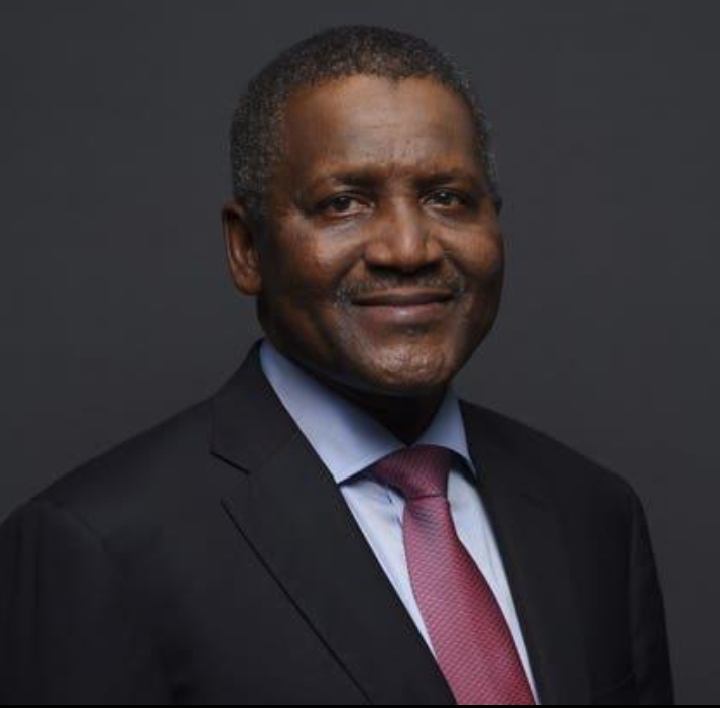
1. Aliko Dangote — $31.4 billion: Nigeria’s richest man remained firmly at the top, with his fortune tied largely to his interests in cement, manufacturing, fertilizer and the Dangote Refinery.

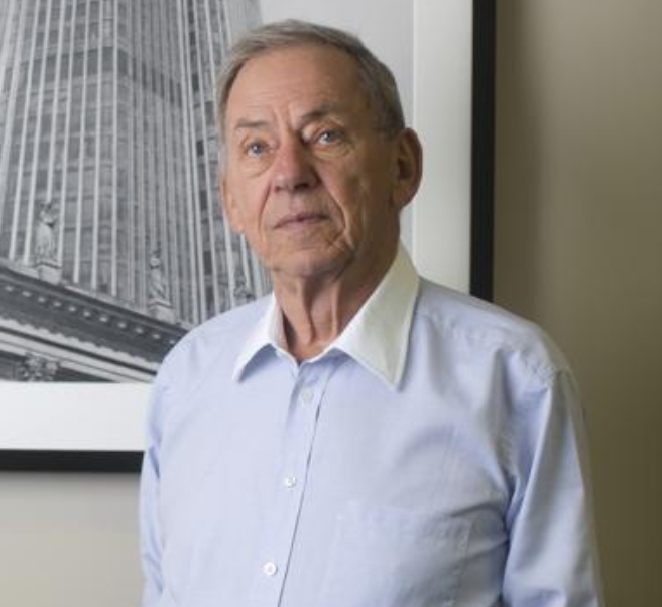
2. Nathan Kirsh — $19.2 billion: The Eswatini born billionaire secured second place, with his fortune built primarily through retail and property investments.

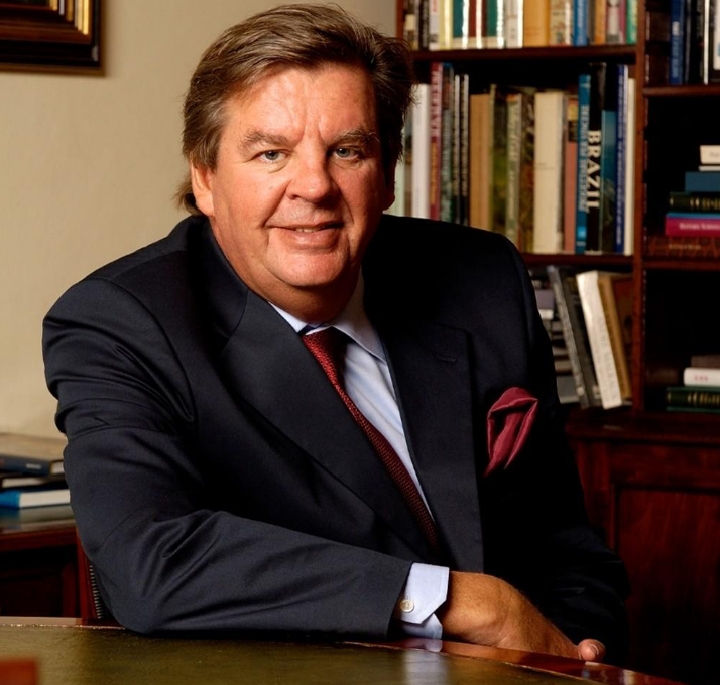
3. Johann Rupert & family — $17.5 billion: The South African billionaire maintained the third position, with much of his wealth connected to luxury goods, fashion and retail through Richemont.

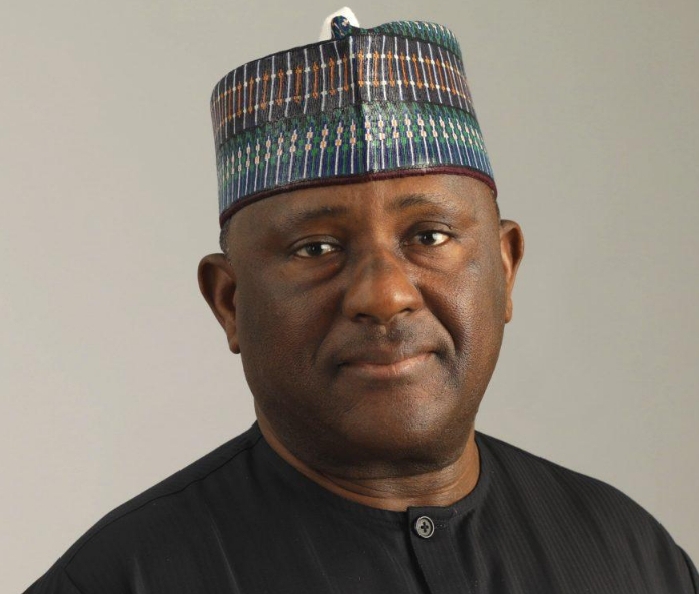
4. Abdulsamad Rabiu — $12.6 billion: Nigeria’s second billionaire on the table ranked fourth, with his wealth linked to manufacturing, cement, food and other diversified business interests.

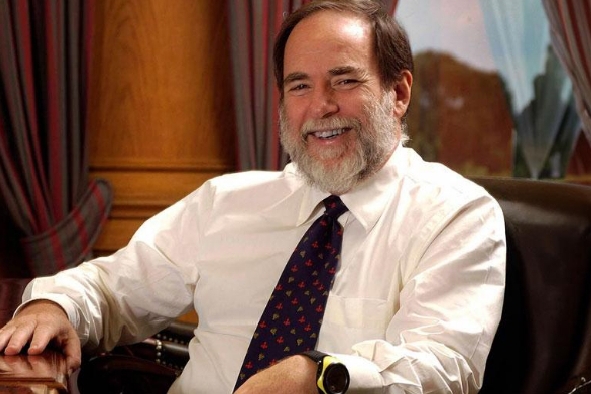
5. Nicky Oppenheimer & family — $10.7 billion: The South African mining heir remained among Africa’s wealthiest, with his fortune rooted in the family’s historic diamond and mining interests.

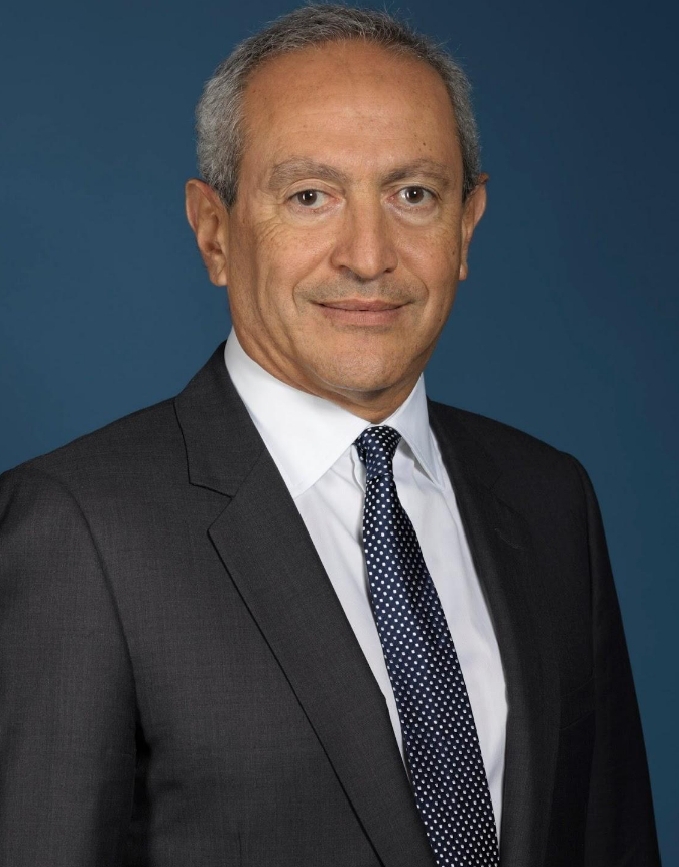
6. Nassef Sawiris — $9.6 billion: Egypt’s richest representative in the middle of the ranking built his fortune around construction, engineering, investments and other major business interests.

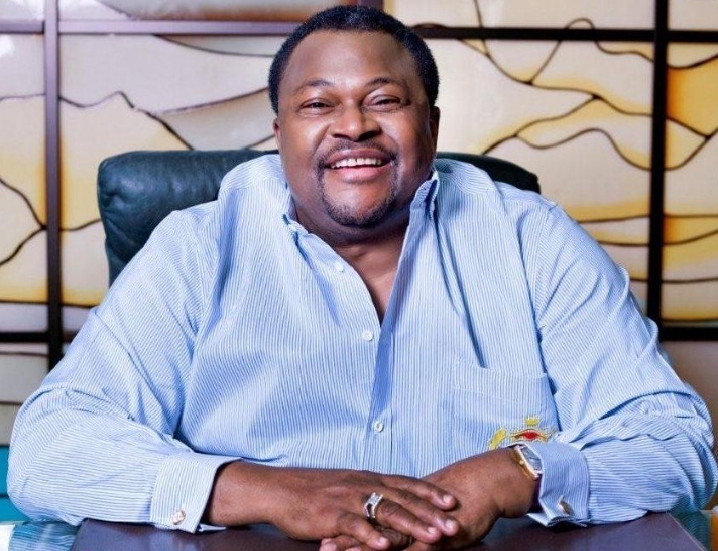
7. Mike Adenuga — $7 billion: Nigeria’s third entry occupied seventh place, with his fortune associated with telecommunications, oil production and businesses including Globacom and Conoil.

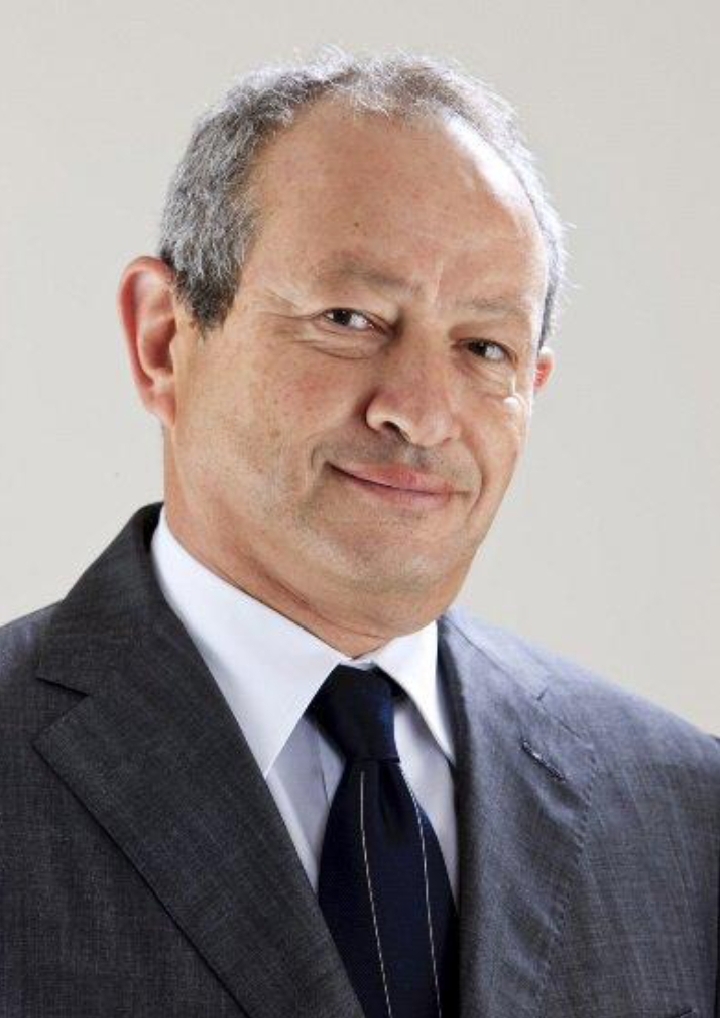
8. Naguib Sawiris — $5.6 billion: The Egyptian billionaire ranked eighth, with telecommunications remaining a major foundation of his wealth alongside investments across several sectors.

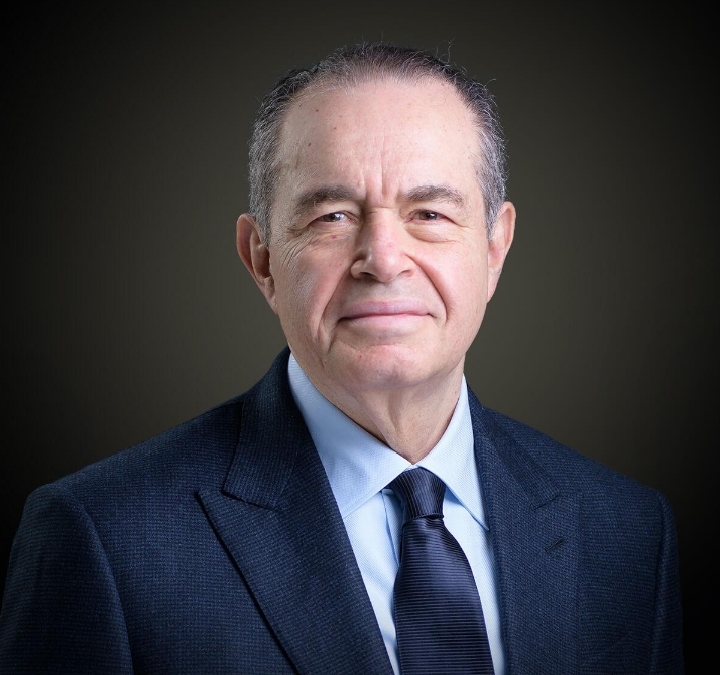
9. Mohamed Mansour — $4 billion: The Egyptian businessman took ninth place, with his fortune connected to the Mansour Group and its interests across automotive, consumer goods, financial services and other businesses.

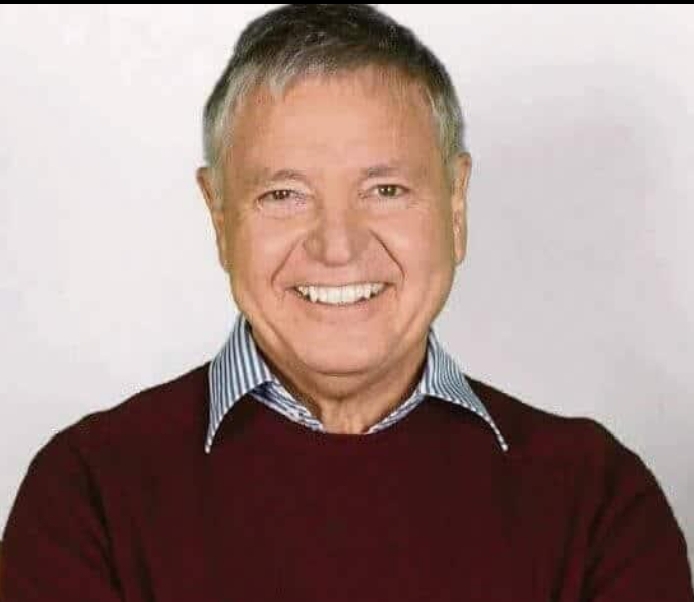
10. Michiel le Roux — $3.7 billion: The South African businessman completed the top 10, with his wealth largely tied to banking, finance and investment interests.
September’s Bigger Picture
The September 1 ranking offers a useful snapshot of how Africa’s largest private fortunes were positioned at that moment. Dangote remained comfortably ahead, Kirsh occupied an unusually high second position, Rupert remained within the top 3 and the next places were divided among established industrial, mining, construction, telecommunications and investment fortunes.
The numbers also show that rankings can tell a different story from annual wealth lists when viewed several months apart. Dangote’s estimated fortune had risen from $28.5 billion in March to $31.4 billion by September, while Rabiu moved from $11.2 billion to $12.6 billion and Adenuga from $6.5 billion to $7 billion.
Yet the most striking feature may not be the rise of any single fortune. It is the composition of the list itself. 3 Nigerians, 3 Egyptians and 3 South Africans occupied 9 of the 10 positions, while 1 Eswatini billionaire took the remaining place.
That is the pattern sitting underneath Forbes’ September 2026 top 10 richest Africans. The ranking is not simply a contest over who has the biggest number beside their name. It is also a snapshot of where Africa’s largest private fortunes are concentrated, the industries behind those fortunes and how quickly market based estimates can rearrange the order.