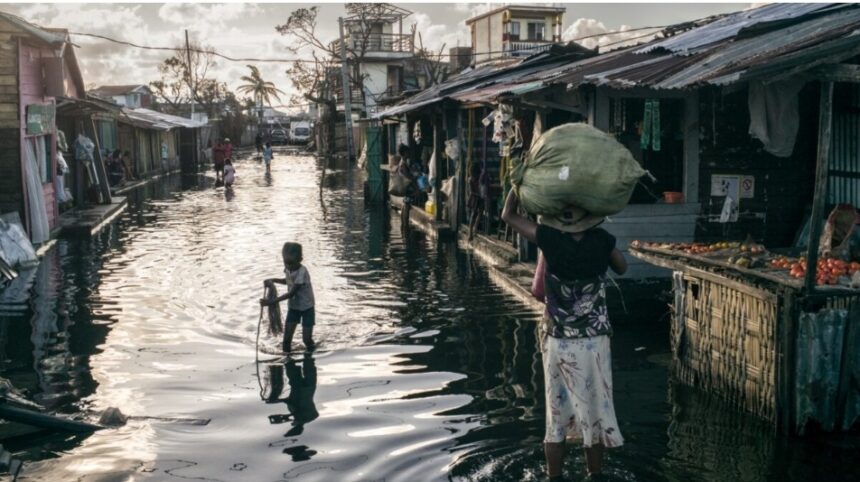
From West Africa to Asia and North America, devastating floods have killed more than 1,000 people, displaced thousands and disrupted communities between June and August 2026.
- 1. Côte d’Ivoire, June 27–July 1
- 2. Lagos, Nigeria, June 28
- 3. Ghana, June 28–30
- 4. India, July 2
- 5. China, July 4–8
- 6. Bangladesh, July 12
- 7. Canada, July 10–11
- 8. Afghanistan, July 20–21
- 9. Pakistan, July 27–31
- 10. Assam, India, July 25–28
- 11. China, July 26
- 12. Japan, August 13–14
- 13. Abuja, Nigeria, August 15–16
- 14. Philippines, August 20
- 15. New York, US, August 20–21
- 16. Nepal and Tibet, August 26–27
The disasters occurred amid warnings of increasingly volatile weather conditions, with the World Meteorological Organisation saying in June that a developing El Niño could heighten the likelihood of extreme weather, including heavy rainfall and flooding in some regions.
By July, the agency said the phenomenon was strengthening rapidly, raising concerns about increased rainfall in parts of the world.
The following is a timeline of some of the major flooding and flash-flood disasters recorded across different regions during the three-month period.
1. Côte d’Ivoire, June 27–July 1
Heavy rainfall triggered floods and landslides in parts of Côte d’Ivoire, particularly Abidjan, destroying houses, submerging roads and sweeping vehicles away.
The death toll, initially reported as 12, later climbed to 59, with government spokesperson Amadou Coulibaly describing the figure as “particularly high” for the year.
2. Lagos, Nigeria, June 28
Heavy rainfall caused flooding in several Lagos communities, including Mushin, Gbagada, Surulere, Ijesha, Ilupeju, Shomolu, Ikeja, Ikorodu, Oshodi, Victoria Island and parts of Lekki.
The commissioner for environment and water resources, Tokunbo Wahab, attributed the flooding to prolonged and intense rainfall that had been forecast by the Nigerian Meteorological Agency in its seasonal outlook.
No deaths were recorded in Lagos during the period of intense rainfall.
3. Ghana, June 28–30
Torrential rainfall caused flooding, landslides and other rain-related incidents across Greater Accra, Central, Volta, Western, Ashanti, Western North and Eastern regions.
At least 13 people were initially reported dead in Accra, while President John Mahama said the 140 millimetres of rainfall recorded was the highest experienced in the country in several years and described the flooding as “beyond our control” due to “changing climatic conditions”.
By July 7, the interior minister had put the number of deaths from rain-related incidents at 35.
4. India, July 2
Torrential rainfall flooded parts of Mumbai, Raigad, Palghar and Thane, submerging homes and vehicles while disrupting movement.
The Brihanmumbai Municipal Corporation said some areas of Mumbai received more than 200 millimetres of rain within 24 hours, prompting red alerts in parts of Maharashtra.
5. China, July 4–8
Typhoon Maysak brought torrential rain, flooding and tornadoes to parts of China, forcing more than 60,000 people to evacuate and affecting about 90,000 others.
At least 17 deaths were initially reported, but an updated August toll put the number at 159, including 107 people killed after six dams collapsed in Nanning, while 10 people remained missing.
6. Bangladesh, July 12
Floods and landslides killed at least 44 people after days of torrential rainfall affected seven districts, including Chattogram, Cox’s Bazar, Bandarban, Rangamati, Khagrachhari, Moulvibazar and Habiganj.
About 267,918 households were stranded, while more than one million people were affected by the flooding.
7. Canada, July 10–11
A severe storm brought heavy rainfall and flooding to parts of Edmonton, forcing road closures and disrupting public services.
Floodwaters affected public facilities and transport routes, while several areas recorded infrastructure damage.
8. Afghanistan, July 20–21
Flash floods struck eastern Afghanistan following heavy rainfall, killing at least 26 people and injuring 24 others.
Nuristan, Nangarhar and Baghlan provinces were affected, with homes and infrastructure damaged as rescue operations continued.
9. Pakistan, July 27–31
Heavy monsoon rains caused urban flooding in parts of Pakistan, including Peshawar and Lahore, where several neighbourhoods were inundated.
The National Disaster Management Authority initially reported at least 109 deaths from rain-related incidents, including flash floods and landslides, before the cumulative monsoon-season toll reached 121 by July 31.
10. Assam, India, July 25–28
Severe monsoon flooding in Assam killed at least 68 people and affected hundreds of thousands of residents.
The Assam State Disaster Management Authority said 763 villages were submerged and 48,742.09 hectares of cropland were damaged, while more than 500,000 people were affected across several districts.
11. China, July 26
China issued its highest-level flash-flood alert for several provinces as Typhoon Noul made landfall in the south, bringing torrential rainfall and increasing the risk of floods and landslides.
About 700,000 people were evacuated in Guangdong ahead of the storm.
12. Japan, August 13–14
Record rainfall triggered floods and landslides in Chiba prefecture, with some areas receiving more than 360 millimetres of rain within 24 hours.
At least six people died, more than 100,000 households were advised to evacuate and about 7,000 travellers were stranded at Narita International Airport.
Chiba governor, Toshihito Kumagai, described the disaster as an “extremely unusual situation”, saying he had never experienced flooding on such a scale.
13. Abuja, Nigeria, August 15–16
Flash floods struck parts of Nigeria’s capital, leaving residents stranded and vehicles submerged in areas including Wuse 2, Gudu and Lokogoma.
Floodwaters inundated roads, bridges and businesses as authorities assessed the impact.
14. Philippines, August 20
Persistent monsoon rains, intensified by a tropical storm, caused widespread flooding across 10 regions of the Philippines.
Tens of thousands of people were displaced or evacuated as floodwaters submerged communities and disrupted daily activities.
15. New York, US, August 20–21
Tornadoes, torrential rainfall and powerful winds battered parts of the northeastern United States, triggering flash floods and disrupting transportation in New York City and Delaware.
The National Weather Service said more than two inches of rain fell in several parts of New York, while emergency crews in Jersey City rescued 69 people trapped in vehicles.
16. Nepal and Tibet, August 26–27
A catastrophic flash flood struck the Nepal-Tibet border after part of a Himalayan glacier collapsed, sending ice and rocks into the Lhende Khola river.
The resulting floods destroyed highways, hydropower infrastructure and communities, with the reported death toll later rising to at least 900, including 626 people in Nepal and seven in Tibet.
A further 2,478 people were reported missing, including international travellers and pilgrims.