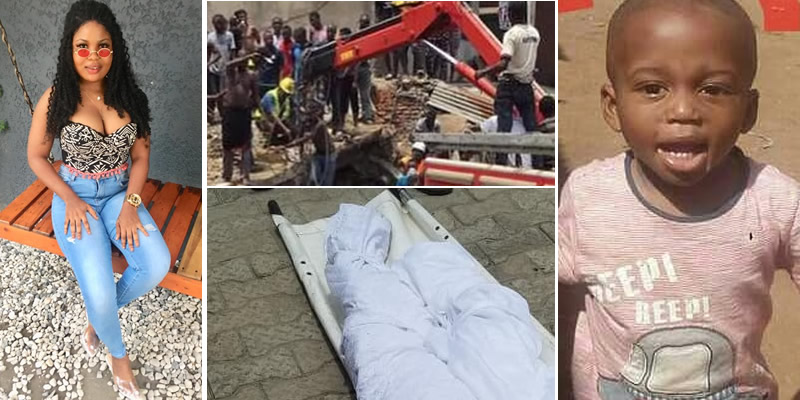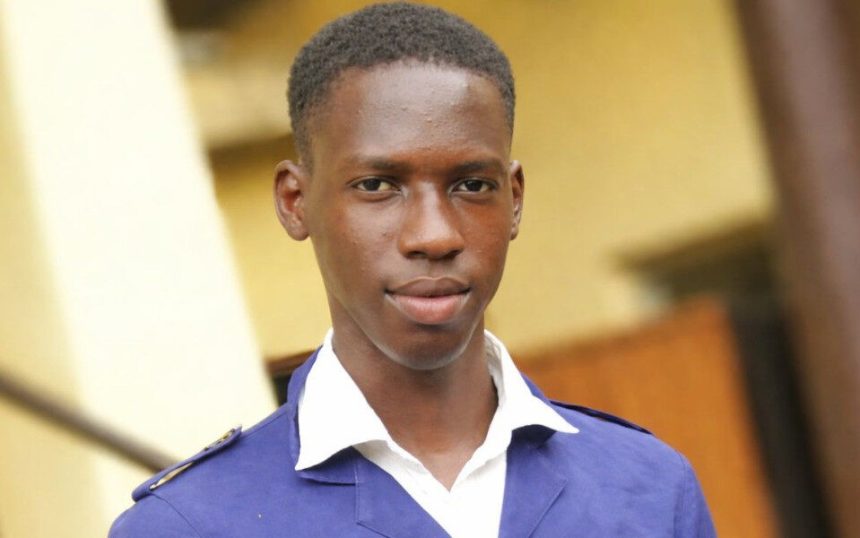
After six years of uncertainty and grief, the controversy surrounding the death of cub journalist Pelumi Onifade had finally been put to rest. Onifade, a 20-year-old Gboah TV journalist, was one of the many victims of the brutal and violent suppression of the #EndSARS protests in October 2020 by the Nigerian government.
Onifade vanished during the chaos and unrest that enveloped the unprecedented public demonstrations fuelled by police brutality and extrajudicial killings. His body was later found at the morgue in Ikorodu General Hospital.
On Thursday, the Lagos State Government, through the Lagos State University Teaching Hospital, released a postmortem report of Onifade’s death.
According to the report, the deceased died of a gunshot wound. It disclosed that a bullet caused massive internal bleeding, with bone fragments found in his abdomen and a fracture in his lower spine.
The autopsy report revealed that a bullet entered from his back and travelled upward and across his body, in a pattern consistent with a ricochet.
The findings may have untangled the misery behind Onifade’s death and give his long-suffering, forlorn family some respite and closure. But that does not close the chapter of the tragedy. There is a pertinent question that still needs to be answered. The report answered who pulled the trigger, but not why nothing has been done about it for so long.
The unsettling timeline
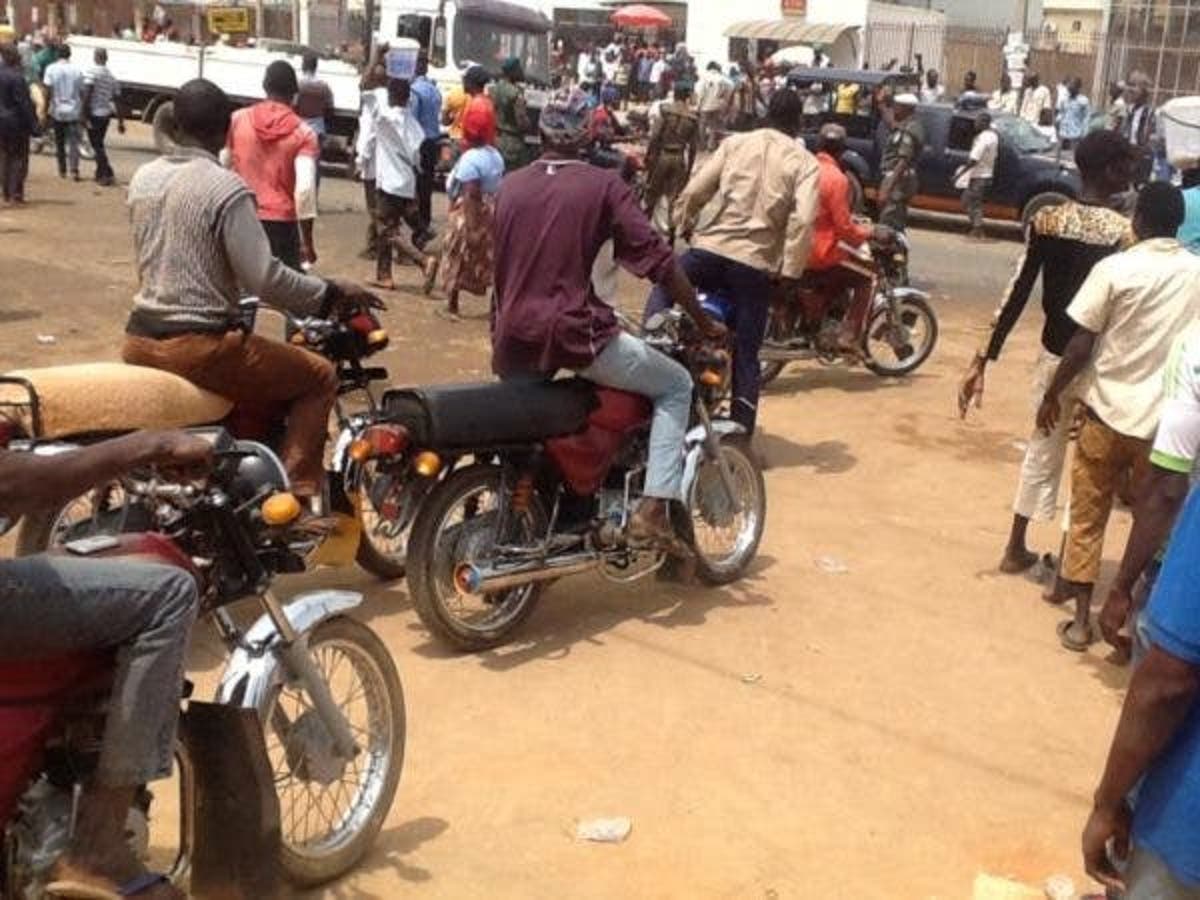
Onifade was apprehended during the brutal crackdown and indiscriminate arrest of protesters by officers of the Lagos State Task Force while reporting on an attempted looting incident in Agege, Lagos. He was wearing a jacket that clearly identified him as a journalist. After he was shot, his body was allegedly taken away by security operatives. It ended up unidentified at a mortuary in Ikorodu General
In the years that followed, family and colleagues searched frantically for him, not knowing if he was alive or dead. It took a judicial intervention and medical investigation for his family to make headway.
In 2024, the Federal High Court ordered Lagos State to investigate his disappearance, four years after Onifade went missing. The DNA match confirming the body was his came only in June 2026. The postmortem report itself was carried out in November 2020, yet was not signed and finalised until July 2026, nearly six years later.
Every stage of this case has moved at a snail’s pace, while the one man who could tell his own story has been silent since the day he was shot.
Justice for Onifade cannot stop at confirming his cause of death. Three things still need to happen.
First, the person who pulled the trigger must be identified and prosecuted for homicide. The postmortem confirms a firearm injury, but was disturbingly silent on the identity of the shooter. The coroner’s inquest, now adjourned until October 6, is expected to shed light on what happened and those involved. That process needs to move faster than the six years it took to get this far.
Second, someone needs to be held accountable. Nigeria has a terrible and disconcerting history of ordering investigations into deaths during protests, and a troubling norm of anyone actually facing consequences. Amnesty International has already asserted that police attached to the Lagos State Task Force killed Onifade deliberately. If that is proven, the officers involved should be prosecuted, not simply named in a report and forgotten.
Third, his family deserves closure that goes beyond medical findings and coroner inquest sessions. For more than half a decade, they grieve and agonise over the existential status of their son and have mourned without evidence. A post-mortem report confirming the death of Onifade is not enough to make up for the pain, heartache and trouble they have endured and will continue to endure for the foreseeable future. Whatever comes out of the inquest should include a clear plan for what happens to his remains and how the family is supported going forward.
A Litmus Test For Press Freedom
Onifade’s case is not just about one man and his one family. It is a tragedy that tests the resolve of the Nigerian state when it comes to journalists’ protection, especially those covering protests and other public demonstrations.
He was doing his job, wearing identification that said so, when he was shot and taken away. If his killers are not identified and tried, it sends a clear message to every young reporter covering the next protest: journalistic props and costumes will not protect you, and you may never get justice.
The postmortem report is laudable and a step in the right direction. It took six years to lend credence to the acceptable account of what many believed truly happened. But we cannot terminate the pursuit of justice at death confirmation. Justice must not only be served. It must be seen to have been served. The wheels of justice ground slowly in the last six years; it must now move at an efficient and audacious pace. Onifade deserves justice. His family does too.