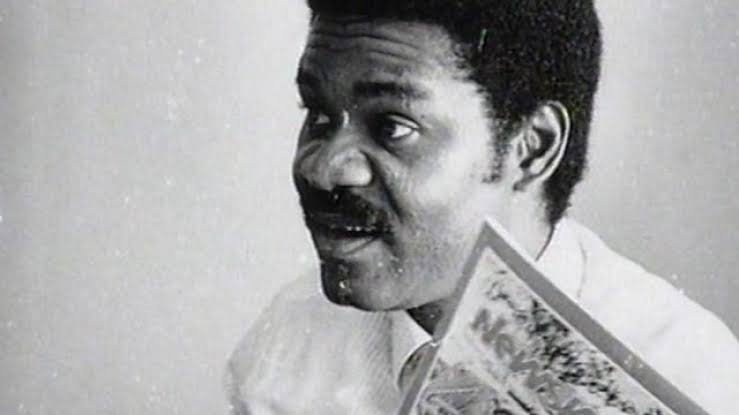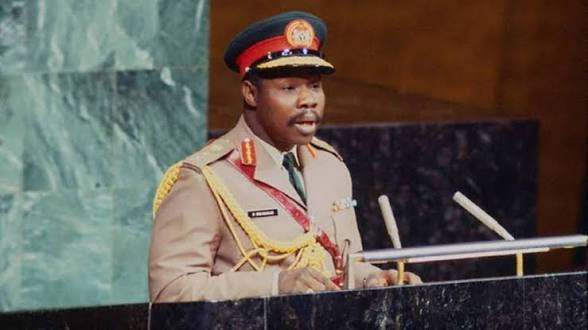
On September 21, 1978, General Olusegun Obasanjo, Head of the Federal Military Government, announced the lifting of the ban on partisan political activities, ending 12 years of proscription imposed since the first military coup.
General Obasanjo, in a nationwide broadcast, disclosed that the decision marks a decisive step in the transition programme to hand over power to an elected civilian government on October 1, 1979.
“The coming months would pose testing challenges not only to the participants in the ensuing political activities, but also to the mass media who have the responsibility of interpreting and informing the public,” the Head of State declared.
The ban, enforced under the State of Emergency Decree, had outlawed all political parties and associations following the collapse of the First Republic.
Immediately after the announcement, over 50 political associations thronged the headquarters of the Federal Electoral Commission (FEDECO) under Chief Michael Ani to seek registration.
FEDECO stipulated that only associations with a true national spread and a presence in at least two-thirds of the states will be registered.
At the close of screening later this year, only five associations are expected to meet the stringent conditions: NPN – National Party of Nigeria – led by Alhaji Shehu Shagari, UPN – Unity Party of Nigeria – led by Chief Obafemi Awolowo, NPP – Nigerian Peoples Party – led by Dr. Nnamdi Azikiwe, GNPP – Great Nigeria Peoples Party – led by Alhaji Waziri Ibrahim, and PRP – Peoples Redemption Party – led by Mallam Aminu Kano
Political observers noted that the new parties are largely reincarnations of First Republic groupings – NPN from NPC, UPN from Action Group, NPP from NCNC, and PRP from NEPU.
FEDECO also reiterated that local government elections conducted on a zero-party basis in 1976 were only a prelude. The stage is now set for State and Federal elections in mid-1979.