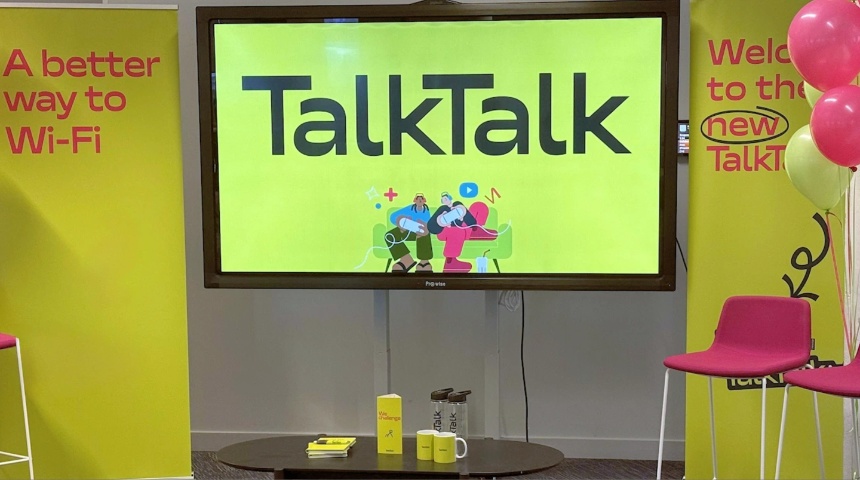
BT has bought TalkTalk. On the morning of Monday 5 October 2026, the telecoms giant announced it had acquired TalkTalk Telecommunications and PlatformX Communications out of the administration of TalkTalk Group, ending a long and messy decline for one of Britain’s best-known broadband names. BT puts the total cash impact for its 2027 financial year at around £400 million, and says the deal protects service for roughly 2.5 million customers.
If you are one of them, the short version is this: your broadband and phone line should keep working, and for now very little changes. The longer version is more interesting, because this was not a normal takeover. It was a rescue carried out in a hurry, with the government watching closely.
What BT has actually bought
BT acquired the two companies on a debt-free basis. That detail matters. TalkTalk had been carrying a heavy load of borrowing for years, with reports ahead of the deal putting it at about £1.4 billion, and BT has taken the operating businesses without that baggage.
The numbers BT shared are blunt. TalkTalk made revenues of about £1.2 billion over the last 12 months and still lost money. BT says the purchase will pay for itself over time as the business is stabilised and savings are found through integration, but it has not yet said how much TalkTalk will add to its own revenue, earnings or capital spending. Those figures are promised later in the financial year, once TalkTalk’s accounts have been lined up with BT’s accounting rules.
On the customer side, TalkTalk has around 1.5 million retail customers and about one million wholesale customers, according to trade reporting. The wholesale half is the part of the business where TalkTalk sells network access to other providers, which is why a collapse would have reached well beyond people who pay a TalkTalk bill.
Bloomberg reported that BT stepped in after talks to sell TalkTalk’s consumer and wholesale arms fell through.
Why the government got involved
The rescue was driven as much by public safety as by commercial logic. Culture Secretary Lisa Nandy said phone and broadband services are vital national infrastructure and warned that a failure at TalkTalk carried a genuine risk to life and public services, including hospitals, schools and emergency care. MLex reported that the government is intervening in the deal.
Some figures help explain the alarm. Before the deal, reporting put the number of vulnerable households on TalkTalk at more than 250,000, and industry sources said some networks linked to national security leaned partly on TalkTalk systems. Telecoms also has no special administration regime of the kind that exists for water, so keeping services running through an insolvency would have meant improvising between government, regulators, creditors and buyers.
BT chief executive Allison Kirkby called it a genuinely unprecedented situation in which millions of people and businesses were at risk. She said BT is present in every postcode and described acquiring TalkTalk as the only workable way to keep customers connected. Her stated priority is to stabilise the business and provide a safety net for the households and firms that rely on it.
How TalkTalk got here
TalkTalk started life as a spin-off from Carphone Warehouse and grew into one of Britain’s biggest cut-price broadband brands. The trouble started with a 2015 data breach that damaged trust, and the real financial damage came later.
In 2020, founder Sir Charles Dunstone and the investment firm Toscafund took the company private in a deal worth about £1.1 billion. Much of that was financed with borrowing, and when interest rates climbed, the debt became harder to carry. The group was split into three businesses: consumer, wholesale (PlatformX) and a business-focused arm that was later sold to its own shareholders.
A refinancing worth about £400 million in September 2024 pushed the debt deadlines out to September 2027 and bought some time. More money followed in 2025, including £100 million from shareholder Ares Management and cash raised by selling off some customers to Utility Warehouse. Jobs were cut along the way. Through all of it, the company kept losing customers, and by mid-2025 there were reports of late payments to Openreach, the BT-owned network that carries most of TalkTalk’s connections. That was also when the first reports surfaced that BT was weighing a bid.
It took another sixteen months, and a crisis, to get there.
What changes for TalkTalk customers now
Right now, not much. BT says TalkTalk and BT will operate separately and keep competing while regulators review the transaction, a process expected to take several weeks. In practical terms, your account, your bill and your support line stay with TalkTalk for the moment.
Once the review is finished, BT says TalkTalk customers will get access to its network and its wider range of products and services. What that means for contracts, prices, email addresses, routers and support has not been spelled out in the announcements so far, so anything you read that claims to know is guesswork.
A few sensible habits while you wait:
- Keep your direct debit running. An unpaid bill creates problems that have nothing to do with the takeover.
- Do not rush to switch. Check your contract first, because leaving early can mean exit fees.
- Treat unexpected messages with suspicion. Big corporate changes are a favourite hook for scammers, so contact TalkTalk or BT only through the official website or the number on your bill.
The competition question
BT already owns EE, Plusnet and Openreach, so adding TalkTalk will raise eyebrows. When the takeover was first rumoured in 2025, analysts estimated it could lift BT’s share of the UK broadband market to somewhere near 36 per cent and warned that a drawn-out competition investigation would only drain value from a weakening business.
This time the circumstances are different. BT describes the move as being in the public interest, and the government has stepped in rather than standing back. Regulators now have to decide how to weigh a bigger BT against the cost of letting a failing provider with millions of customers fall over. Keeping the two companies apart and competing during the review is BT’s way of showing it understands that concern.
Who is in charge
Clive Selley, who ran BT International, has been handed the job of stabilising TalkTalk and planning the integration, effective immediately. Martijn Blanken takes over Selley’s role as chief executive of BT International and remains chief executive-designate of BT’s proposed international joint venture with Verizon.
Three things will tell us how this plays out. The first is the regulatory verdict, which should land within weeks. The second is the financial detail BT has promised later this fiscal year, which will show what a loss-making business of this size really costs to run. The third, and the one that matters most to households, is what BT decides to do with the TalkTalk brand and its customers once it is allowed to.
For now, the lights stay on. For a company that spent years looking for a way out, TalkTalk’s customers at least have an owner with a network behind it.