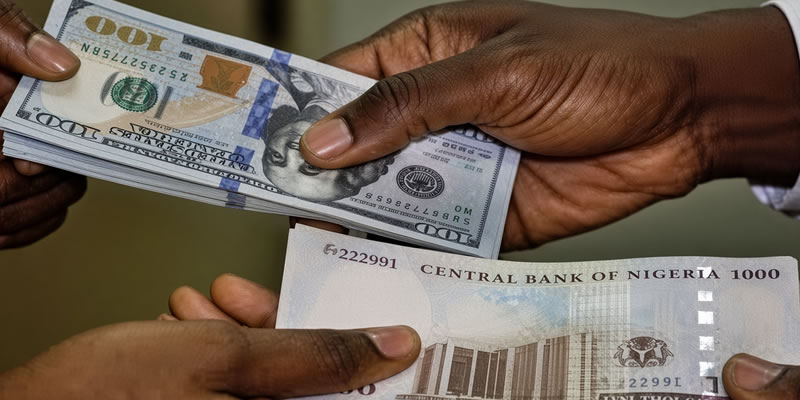
The naira began Thursday, October 8, 2026, in much the same place it has spent most of the past month: tightly range-bound in the official market and a few dozen naira weaker on the street.
At the Central Bank of Nigeria’s official window on Tuesday, October 6, the naira traded at ₦1,330.8745 per dollar, and closed that session at ₦1,331.50. That was slightly better than the day before, when the close was ₦1,332.90 per dollar. The CBN had not yet published Thursday’s figures when this report was filed, so the official number below is the latest confirmed close.
Dollar to Naira Today: The Rates at a Glance
| Market | Rate (₦ per $1) | Source and date |
|---|---|---|
| Official NFEM close | ₦1,331.50 | CBN data via Tribune, October 6 |
| CBN reference rate | ₦1,330.87 | Aboki Forex, October 7 |
| Black market (Lagos) | ₦1,360 | Aboki Forex, October 7 |
| Black market, buy / sell | ₦1,360 / ₦1,370 | Aboki FX via Tribune, October 6 |
| Mid-market (online converters) | About ₦1,327 | XE, October 7 |
Aboki Forex put the black-market rate at ₦1,360 and the CBN official rate at ₦1,330.87 on Wednesday morning. That leaves a gap of roughly ₦29 per dollar, or a little over 2 percent.
Not every tracker agrees. One street-rate aggregator listed the dollar at ₦1,375 to buy and ₦1,390 to sell on October 7. Parallel-market prices vary by city, dealer and transaction size, so anyone planning to trade should expect a spread of ₦30 or more from the official rate depending on where they stand.
What the Official Market Is Doing
Trading at the Nigerian Foreign Exchange Market (NFEM) has been quiet. By the time of reporting on Tuesday, 147 interbank transactions had been recorded, with turnover of about $313.55 million. The rate has barely moved from the CBN’s published position on October 2, when the central rate was ₦1,329.60, with a buying rate of ₦1,329.10 and a selling rate of ₦1,330.10.
The same stability shows up in mid-market data. Over the last seven days, the dollar moved between ₦1,325.11 and ₦1,330.50 on XE’s tracker, with volatility of just 0.16 percent. That is a far cry from the sharp swings Nigerians got used to in 2023 and 2024.
Support has come in part from the country’s reserves. Legit.ng reported the external reserves at about $54.8 billion in recent weeks, a cushion the CBN can use to calm the market when demand spikes. Even so, the same report noted that tighter liquidity and rising dollar demand occasionally nudge the naira weaker by small margins.
Black Market Rate: Where the Street Stands
The parallel market has been softer than the official window, though less dramatically than at the start of the year. On October 2, the black-market rate stood at ₦1,372 to buy and ₦1,363 to sell, with the dollar easing 0.84 percent over 24 hours. By October 6, Aboki FX quoted ₦1,360 for buying and ₦1,370 for selling.
Street dealers are also paying close attention to the other major currencies:
| Currency | Buy (₦) | Sell (₦) | Date |
|---|---|---|---|
| US Dollar | 1,375 | 1,390 | October 7 |
| British Pound | 1,850 | 1,880 | October 7 |
| Euro | 1,550 | 1,590 | October 7 |
| Canadian Dollar | 991 | 1,000 | October 7 |
Source: street-rate aggregator talentbase.ng. Figures differ by dealer and city.
How Much Is $100, $500 and $1,000 in Naira Today?
The table below converts common dollar amounts at the official closing rate of ₦1,331.50 and at the ₦1,360 street rate reported by Aboki Forex.
| Amount | Official (₦1,331.50) | Black market (₦1,360) |
|---|---|---|
| $50 | ₦66,575 | ₦68,000 |
| $100 | ₦133,150 | ₦136,000 |
| $500 | ₦665,750 | ₦680,000 |
| $1,000 | ₦1,331,500 | ₦1,360,000 |
| $5,000 | ₦6,657,500 | ₦6,800,000 |
| $10,000 | ₦13,315,000 | ₦13,600,000 |
These are indicative figures. Banks add their own margins, and cash transactions rarely settle at the exact quoted rate.
Naira Stronger Than at the Start of the Year
Seen against the past nine months, the naira has quietly recovered ground. On January 7, 2026, it opened at about ₦1,432 per dollar in the official window, with parallel-market traders quoting ₦1,485 to ₦1,500. Today’s official rate is roughly ₦100 stronger, and the street premium has narrowed considerably.
The path was not a straight line. On July 6, the naira closed at ₦1,368.27 in the official market, extending a run of gains. By September it had settled into the ₦1,330 range, with the CBN’s session rate at ₦1,331.28 on September 17. The same report noted that Reuters had cited about ₦1,328 official and ₦1,390 on the street around that time, so the gap between the two markets has stayed fairly constant for weeks.
Why the Gap Between Official and Street Rates?
For importers, students paying foreign fees, and families receiving remittances, the difference between ₦1,331 and ₦1,360 or more is real money. On a $10,000 transaction, it amounts to about ₦285,000.
Analysts generally describe the spread in terms of demand and supply for hard currency outside the banking system. Muda Yusuf, CEO of the Centre for the Promotion of Private Enterprise, has said the naira remains within a relatively stable band, crediting the CBN’s remittance policy for helping to ease pressure.
A narrow gap tends to signal that confidence is returning to the official window. A widening one usually points to unmet demand. For now, the numbers suggest the first reading is closer to the truth.
What to Watch Next
Three things are worth tracking in the coming days:
- The CBN’s October 7 and 8 closing rates, which will show whether the naira keeps its slight upward drift or gives some of it back.
- Street rates in Lagos and Abuja, where small shifts often show up before they appear in official data.
- Dollar demand around month-end, when corporate and import-related purchases traditionally pick up.
Quick Answers
What is the dollar to naira rate today?
At the official market, the latest confirmed close is ₦1,331.50 per dollar. On the black market, the rate is around ₦1,360, with some dealers quoting up to ₦1,390.
Is the naira getting stronger?
Over the course of 2026, yes. The official rate has moved from about ₦1,432 in January to about ₦1,331 now. Over the past week, though, it has moved very little.
Why is the black market rate higher than the CBN rate?
Street prices reflect dealers’ own supply and demand for cash dollars, which the official window does not fully capture.
Where can I check the official rate?
The CBN publishes NFEM rates on its website, and its figures lag the trading day slightly.
Exchange rates change throughout the day and differ by dealer, bank and location. Check with your bank or an authorised dealer before making a transaction.