Greater consumption of ultra-processed foods has been associated with increased risks of several health conditions, including cardiovascular disease, cancer, obesity, diabetes and death from any cause, according to a new study.
The research, published in the journal Family Medicine and Community Health on September 22, analysed evidence from 51 prospective cohort studies involving 8,819,894 adults across the Americas, Europe, Asia and Oceania.
The researchers, drawn from China, Singapore, South Korea and India, examined whether the amount of ultra-processed foods consumed was associated with the development of major chronic diseases and mortality.
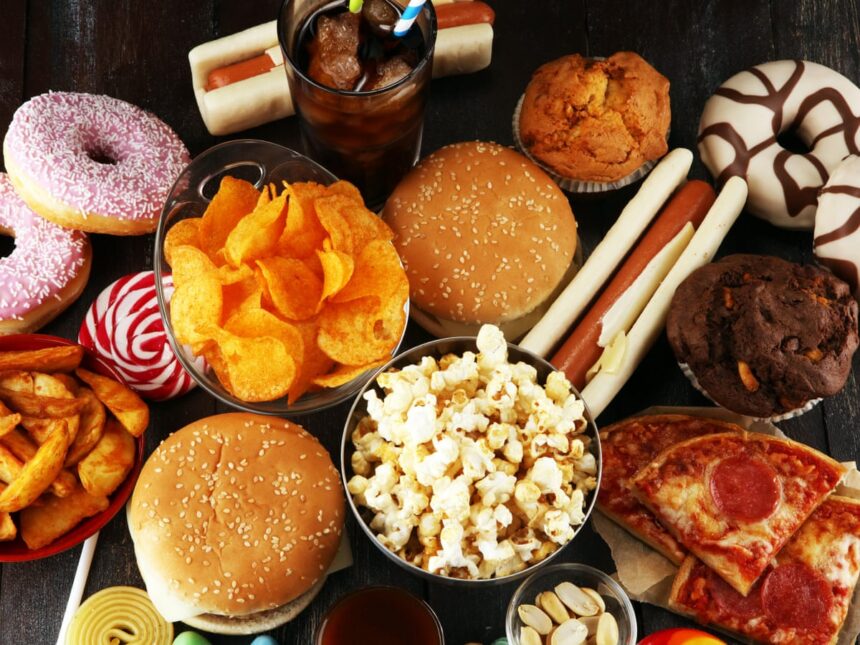
Ultra-processed foods are industrially manufactured products that commonly contain several ingredients and additives, including preservatives, sweeteners, emulsifiers, artificial colours and flavourings.
Common examples include soft drinks, crisps, chips and biscuits, while such products are generally characterised by high levels of calories, sugar and salt and comparatively lower amounts of dietary fibre, protein, vitamins and minerals than minimally processed foods.
The researchers assessed participants’ diets using food-frequency questionnaires, 24-hour dietary recalls and dietary histories, while examining outcomes including cardiovascular disease, cancer, obesity and overweight, metabolic syndrome, diabetes, depression, anxiety, digestive diseases and high blood pressure.
Compared with people consuming lower amounts of ultra-processed foods, those with higher intake had a 24 per cent increased risk of cardiovascular events, while the corresponding increases were 12 per cent for cancer, 23 per cent for obesity or overweight and 24 per cent for metabolic syndrome or diabetes.
The analysis also associated higher consumption with a 27 per cent increased risk of depression or anxiety, a 31 per cent increase for digestive diseases and an 18 per cent increase in the risk of death from any cause.
The researchers further observed that the risks increased even with relatively modest additional consumption of ultra-processed foods.
For every additional 100 grams of ultra-processed foods consumed daily, the risk of cardiovascular events increased by 14 per cent, while high blood pressure rose by 11 per cent, cancer by four per cent, death from any cause by three per cent and metabolic syndrome or diabetes by two per cent.
The study also found that every 10 per cent increase in the proportion of energy derived from ultra-processed foods was associated with a 16 per cent higher risk of metabolic syndrome or diabetes.
The lead author of the study, David Xiao Liu, said the potential effects of ultra-processed foods could involve several biological pathways operating at the same time.
“Ultra-processed foods affect the body through multiple pathways simultaneously — excess sugar, salt, and calories; food additives; loss of nutrients during processing; and contaminants introduced by packaging — so it makes sense that the health consequences would show up across many organ systems rather than just one,” he said.
However, the researchers cautioned that the findings demonstrate associations rather than proof that ultra-processed foods directly cause the health conditions identified.
They noted that much of the dietary information was self-reported, meaning participants may not have accurately recalled or recorded everything they consumed.
The researchers also acknowledged that other lifestyle factors could have contributed to the observed associations, while people below the age of 18 were excluded, limiting the extent to which the findings can be applied to children and teenagers.
The latest findings add to growing research into the health implications of diets containing large amounts of industrially processed foods, although the researchers’ stated limitations underline the need to interpret the associations with caution.
An earlier study had also reported similarities between ultra-processed foods and cigarettes when compared with natural foods such as fruits and vegetables.