Davido’s upcoming December concerts have taken an unexpected turn, drawing the singer into a heated public discussion that goes beyond music. What was announced as a celebration of his 15 years in the industry is now attracting attention for another reason, following a political decision by someone very close to him. The reactions have spread across social media, with some Nigerians questioning whether they can continue supporting the singer without considering the politics surrounding his family.
- How Adeleke’s endorsement sparked the controversy
- Why Davido has been drawn into the dispute
- The 3 concerts at the National Theatre
- Davido’s previous comments about the APC resurface
- What Davido said about his uncle’s political position
- Social media reactions turn attention to the concerts
- Has Davido addressed the boycott calls?
- What the reported ticket sales reveal
- The potential earnings from Davido’s residency
- Why the National Theatre is an important venue
- What the controversy means ahead of the 2027 election
- What happens next?
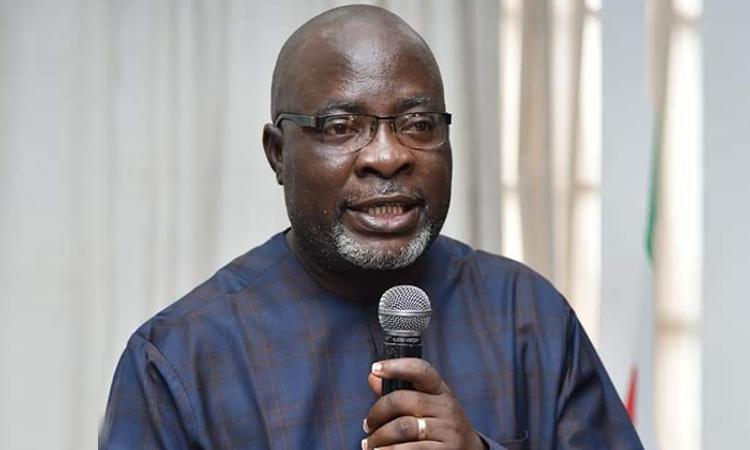
At the centre of the discussion are Davido’s uncle, Osun State Governor Ademola Adeleke, President Bola Tinubu and 3 concerts scheduled to take place in Lagos this December. The singer’s previous comments about the All Progressives Congress (APC) have also resurfaced, adding another dimension to a story unfolding ahead of the 2027 general election.
How Adeleke’s endorsement sparked the controversy

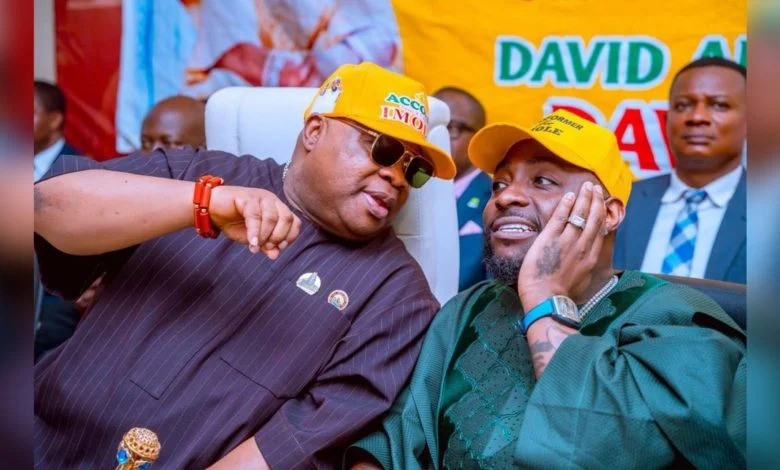
The discussion gained momentum after Governor Ademola Adeleke publicly declared his support for President Bola Tinubu’s second term bid ahead of the 2027 presidential election. Adeleke, who was elected governor under the Accord Party, was named the Osun State coordinator of Tinubu’s presidential campaign, attracting attention because the president belongs to the APC.
The governor reportedly reaffirmed his position during the inauguration of the APC Presidential Campaign Council at the State House in Abuja on Wednesday, October 14, 2026. During the event, Adeleke expressed support for Tinubu’s economic reforms and argued that the president needed another 4 years to consolidate his administration’s policies. He also described Tinubu as a son of Osun State and acknowledged the president’s support during the Osun governorship election.
Adeleke’s declaration prompted discussions about his political affiliation and the circumstances surrounding his own election. He secured another term in Osun State in August 2026 under the Accord Party, making his decision to support an APC presidential candidate a subject of interest among Nigerians following developments in the state.
The conversation soon moved beyond the governor’s political decision. Davido’s name entered the discussion because of his relationship with Adeleke and his previous involvement in the family’s political activities. Some social media users began threatening to boycott the singer’s upcoming concerts in Lagos, turning a political disagreement into a debate about whether his family connections should influence public support for his music.
Why Davido has been drawn into the dispute
Davido, whose real name is David Adeleke, is the nephew of Governor Ademola Adeleke. Their family relationship has attracted considerable public interest because both men are prominent figures, although they have built their public profiles in different fields.
While Adeleke holds elected office, Davido has established an international music career and become one of Nigeria’s most recognisable Afrobeats performers. The singer also openly supported his uncle during the Osun governorship election held on August 15, 2026, making his involvement familiar to people who followed the campaign.
That history helps explain why the governor’s latest political decision has prompted questions about Davido’s own position. Some people associate the singer with the views he expressed during the election and have revisited his earlier statements following Adeleke’s endorsement of Tinubu.
Their family connection has become a central part of the discussion, although it does not mean the 2 men must agree on every political issue. Adeleke can make decisions in his capacity as governor, while Davido can maintain his own views as an individual. The singer has also previously expressed reservations about his uncle supporting a presidential candidate.
The 3 concerts at the National Theatre

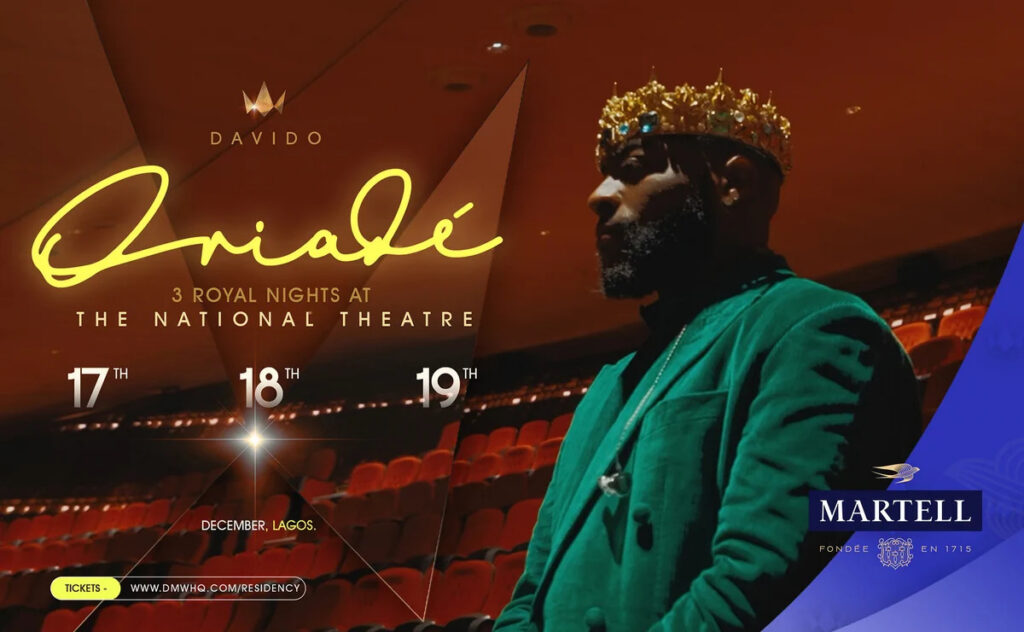
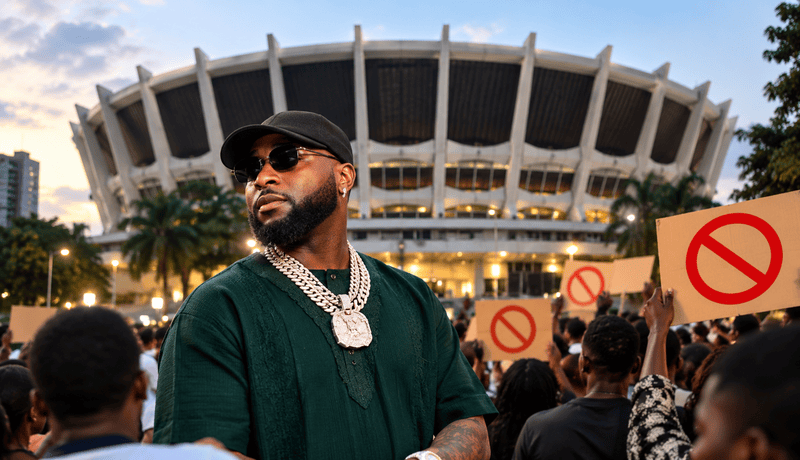
Davido is scheduled to perform at the Wole Soyinka Centre for Culture and Creative Arts, formerly known as the National Theatre, in Iganmu, Lagos, on December 17, 18 and 19, 2026.
Titled Oriadè: The Residency, the concert series was announced as a celebration of 15 years of the singer’s music career. The performances are expected to feature songs from his album Oriadè alongside selections from his wider catalogue, giving Nigerian fans an opportunity to experience his music across 3 consecutive nights.
The residency has attracted attention because of its scale and timing. Rather than organise a single performance, Davido is preparing for 3 shows at the same venue during Lagos’s busy December entertainment season. The arrangement also offers an opportunity to celebrate his career before a Nigerian audience.
The political dispute surrounding Adeleke has introduced an unexpected dimension to the event. Some Nigerians have taken to social media to announce that they will not purchase tickets, linking their decision to the governor’s support for Tinubu.
Davido’s previous comments about the APC resurface
Davido’s earlier criticism of the APC during the Osun governorship election campaign has become another major part of the discussion. The singer made strongly worded statements about the party and its supporters, and some of those comments have returned to public attention following his uncle’s endorsement of Tinubu.
One statement attributed to Davido described APC supporters in Osun State as “enemies of progress”. Another widely discussed remark was his declaration that he could never support the APC.
Those comments have given critics a reason to revisit his political position. Some have questioned the apparent difference between the stance Davido expressed during the Osun campaign and his uncle’s decision to support an APC presidential candidate ahead of the next general election.
The singer’s earlier remarks, though, reflected his own position at the time. They do not establish that every member of his family shared the same views, nor do they mean Adeleke must follow his nephew’s political preferences.
Davido’s public profile means that statements he makes during political campaigns can remain part of the conversation long after an election has ended. His uncle’s endorsement has brought those remarks back into circulation, creating another debate around a singer whose public life regularly attracts attention beyond entertainment.
What Davido said about his uncle’s political position
Davido had already expressed reservations about his uncle supporting a presidential candidate before the current boycott discussion gained momentum.
During August 2026, the singer directed a message at Adeleke, writing, “No more supporting any presidential candidate @AAdeleke_01 make we Dey our Dey!!!” The post was later deleted, but its contents continued to feature in conversations about the political differences between the 2 men.
His message indicated that he wanted his uncle to avoid publicly backing a presidential candidate ahead of the 2027 election. It also showed that Davido had addressed the issue before Adeleke’s support for Tinubu became the subject of the latest public debate.
On October 16, 2026, Davido also clarified that his uncle’s endorsement did not mean he would support the APC in the 2027 presidential election. The clarification is central to understanding the dispute because it separates the governor’s decision from the singer’s own political position.
Davido’s comments do not amount to an endorsement of Tinubu. Rather, they indicate that he does not consider his uncle’s political choice a decision he must automatically follow. Any further conclusions about his position would need to be based on his own subsequent statements or actions.
Social media reactions turn attention to the concerts
Following Adeleke’s endorsement, some social media users began calling for a boycott of Davido’s December performances. Their comments ranged from declarations that they would not buy tickets to remarks suggesting that the singer should depend on his relatives or APC supporters to fill the venue.
Others focused on the governor’s political affiliation and the expectations of people who supported him during the Osun election. Davido’s earlier criticism of the APC became another reference point, with some users questioning the relationship between those comments and the latest endorsement.
The discussion has also highlighted the difficulties celebrities can face when family members occupy prominent public positions. Even when they pursue different careers and hold separate views, their relationships can become part of political arguments, particularly when both have large public followings.
Some Nigerians have argued that Davido should not be held responsible for a decision made by his uncle. Their position centres on the idea that a family relationship does not automatically make 2 people responsible for each other’s political choices.
Has Davido addressed the boycott calls?
As of October 19, 2026, there is no established direct statement from Davido specifically addressing the calls to boycott his concerts.
The singer’s earlier clarification about his uncle’s endorsement remains relevant, but it was a statement about his own political position rather than a direct response to every social media post criticising the residency.
Davido also acknowledged an update about ticket sales on October 16, responding with the word “Alhamdulillah”. The reaction came amid reports that the concerts were approaching a sellout, attracting attention because the ticket update emerged around the same time as the boycott discussion.
What the reported ticket sales reveal
A report published on October 16, 2026, stated that fewer than 350 tickets remained across the 3 scheduled performances. The publication also reported a surge in purchases during the preceding 24 hours, suggesting that demand remained strong at the time.
Davido acknowledged the reported milestone on X. The update attracted further attention because some Nigerians were simultaneously calling for a boycott over Adeleke’s endorsement.

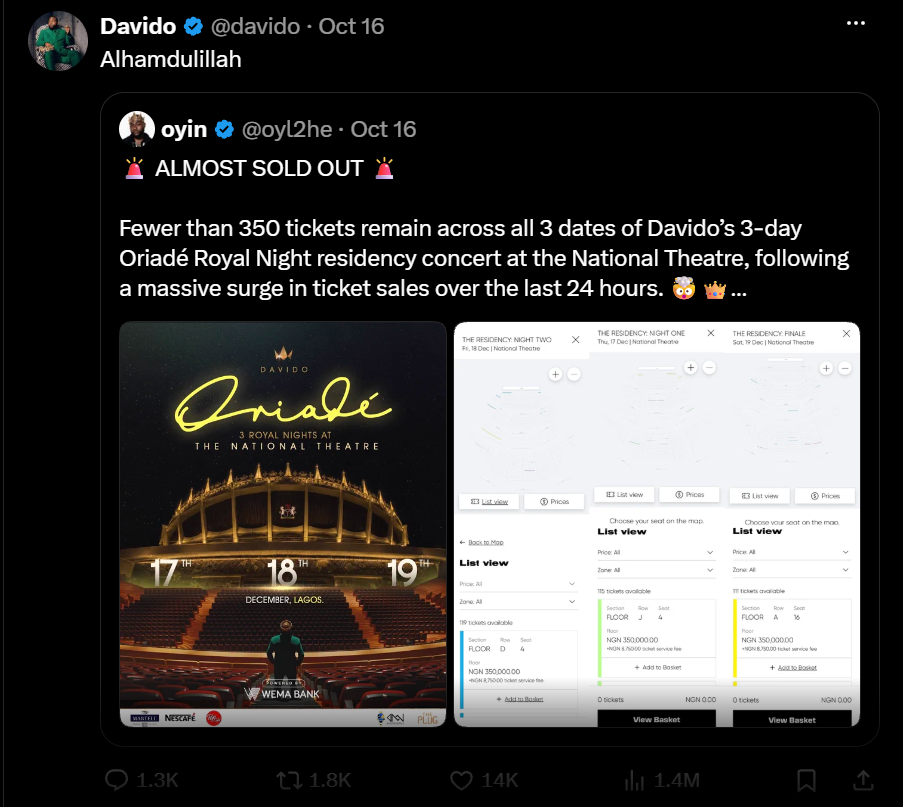
The reported figure offers a snapshot of ticket availability, not confirmation that every performance has sold out. Ticket sales can change as an event approaches, and the final position will depend on actual purchases for the December shows.
It is equally difficult to determine whether the boycott calls have affected sales. Strong reported demand does not necessarily mean that no potential buyers have withdrawn their support, just as online criticism does not automatically mean a concert will struggle to attract an audience.
The figures reported on October 16 indicate that the residency was approaching a sellout at that point. The eventual attendance and any measurable effect from the controversy will become clearer as the concert dates approach and the performances take place.
The potential earnings from Davido’s residency
The financial scale of the event has also attracted attention. An analysis published on October 2, 2026, estimated that the 3 night residency could generate approximately ₦2.3 billion in gross ticket revenue if the mapped seats were sold at their listed prices.
That amount is a projection rather than confirmed income. The final figure will depend on actual ticket sales, the prices paid by customers and the number of seats sold for each performance.
Gross revenue also differs from the money ultimately received by the artist and organisers. A concert of this scale involves expenses such as venue charges, production, lighting, sound equipment, security, marketing, staffing and taxes, all of which affect the final financial outcome.
The estimate illustrates the commercial potential of staging 3 performances at a major Lagos venue. It also helps explain why the residency has attracted attention beyond the singer’s immediate fan base.
The boycott controversy has now become part of the wider conversation surrounding a concert series that was already drawing interest because of its scale and expected ticket revenue. Its actual financial outcome will depend on the sales and costs recorded when the shows take place.
Why the National Theatre is an important venue
The Wole Soyinka Centre for Culture and Creative Arts in Iganmu, Lagos, is one of Nigeria’s best known cultural institutions. Formerly known as the National Theatre, the venue has undergone extensive renovation and remains a prominent location for major cultural and entertainment events.
Hosting Davido for 3 consecutive nights places the residency within the wider growth of Nigeria’s live music industry. The performances also give the singer an opportunity to celebrate 15 years in music with Nigerian audiences rather than relying solely on international shows.
The December timing adds to the event’s significance, as Lagos attracts music fans for concerts and other entertainment activities during the festive season. For Davido, the residency offers an opportunity to bring different parts of his musical catalogue to a local audience across several nights.
The reported revenue projection and ticket update have added to interest in the shows, while the political dispute has introduced another subject for public discussion. The final commercial performance will depend on actual ticket sales and attendance rather than the volume of online reactions alone.
What the controversy means ahead of the 2027 election
The disagreement involving Adeleke, Tinubu and Davido shows how political decisions can spill into entertainment discussions when prominent figures have family ties and large public followings. A governor’s endorsement can attract attention on its own, but the reaction may reach a wider audience when a relative has previously made strong statements about the same political party.
Adeleke’s decision to support Tinubu has raised questions about his political alignment because he belongs to the Accord Party, while the president represents the APC. Davido’s earlier comments about the party have added another dimension, particularly among people who remember his involvement in the Osun governorship campaign.
With the 2027 general election approaching, public figures may face greater scrutiny over their political statements and associations. Yet a family relationship does not establish shared political views, and Davido’s own comments have indicated that his uncle’s decision does not automatically determine his position.
The boycott calls also raise a practical question about the influence of online criticism on consumer behaviour. A person can publicly oppose a concert for political reasons, but the actual effect depends on whether that objection changes purchasing decisions.
For now, the story combines a political endorsement, a celebrity family connection and a major upcoming music event. The extent to which these issues affect Davido’s residency will become clearer as December approaches.
What happens next?
Davido’s Oriadè: The Residency remains scheduled for December 17, 18 and 19, 2026, at the National Theatre in Lagos. The performances were announced to celebrate 15 years of his music career, but the political debate surrounding his uncle has introduced an unexpected issue into the conversation.
Reports published on October 16 indicated that fewer than 350 tickets remained across the 3 shows, even as some Nigerians threatened to boycott the event. Those figures suggest strong reported demand at the time, but they do not establish whether the concerts will sell out or whether the online backlash has affected ticket purchases.
Davido has previously clarified that Adeleke’s political position does not automatically determine his own stance on the 2027 presidential election. That distinction remains essential to understanding why the singer has become part of the discussion, even though the endorsement was made by his uncle.
The main question now is whether the boycott calls will translate into a measurable change in attendance or remain largely an online reaction. Until the concerts take place and more reliable figures become available, the effect on the residency and Davido’s public image remains uncertain.