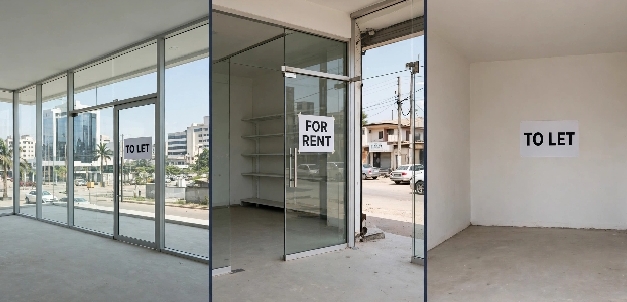
Finding a suitable shop or office has become an important financial decision for business owners planning to establish a new venture or expand an existing one in Nigeria. The amount required depends on the city, the neighbourhood, the size of the premises and the type of business the property is expected to accommodate, with additional charges often increasing the money needed before operations begin.
A trader searching for a small shop in Ibadan may encounter annual rents of a few hundred thousand naira, while a business looking for a prominent retail space in Lekki, Lagos, or Wuse 2, Abuja, may need several millions of naira. Office accommodation follows a similar pattern, with small offices in suburban areas attracting different prices from larger spaces in established commercial districts.
Property listings published in 2026 provide a picture of the prices landlords are advertising across different parts of the country. Examining these figures offers business owners, entrepreneurs and prospective tenants a practical way to understand commercial rental costs before choosing where to operate.
Nigeria’s Commercial Property Market in 2026
Nigeria’s commercial property market covers a wide range of premises, including neighbourhood shops, shopping plaza units, corporate offices, showrooms, warehouses and entire commercial buildings. Their rental prices differ considerably, making it necessary to distinguish between small business premises and properties designed for large companies or industrial operations.
According to Nigeria Property Centre’s fourth quarter 2026 market report, the median annual asking rent for commercial properties nationwide stood at ₦15 million. The corresponding median figures were ₦17 million for Lagos, ₦15 million for Abuja, ₦6 million for Rivers State and ₦3.5 million for Oyo State, although these figures cover different types of commercial property rather than shops and offices alone.
The platform analysed 3,043 commercial property rental listings nationwide, reporting an average annual asking rent of approximately ₦62.17 million. Advertised prices ranged from ₦50,000 to ₦54 billion, illustrating the enormous difference between smaller premises and high value commercial properties.
The average is substantially higher than the median because expensive buildings can raise the overall figure. For a small business owner, the asking price of a comparable shop or office in a particular neighbourhood provides a more useful starting point than a national average covering properties of vastly different sizes.
Lagos: Shop Rental Costs in Major Commercial Areas
Lagos has a broad commercial property market serving retailers, manufacturers, professional service providers, technology businesses and large corporations. Ikeja, Lekki, Yaba, Victoria Island and Ikoyi offer different types of commercial premises, with prices influenced by accessibility, customer traffic, property size and the nature of the surrounding business district.
Nigeria Property Centre reported a median annual asking rent of ₦17 million for commercial properties across Lagos in its fourth quarter 2026 report, representing a 13.3% increase from the preceding quarter. Individual shop listings, however, show that some smaller retail spaces are advertised for considerably less than that figure.
Shop rents in Ikeja
Ikeja remains an important commercial location for businesses seeking access to customers, suppliers and transport routes. Areas such as Computer Village, Allen Avenue, Opebi, Adeniyi Jones and Ikeja GRA accommodate different types of retail businesses, professional offices and larger commercial establishments.
As of October 17, 2026, Nigeria Property Centre listed 24 shops for rent in Ikeja, with an average advertised price of ₦10.4 million annually. Individual listings included shops in Computer Village advertised at ₦2.5 million, ₦3 million, ₦3.5 million and ₦4 million annually, while a 25 square metre shop in Allen was advertised at ₦3.5 million.
Other options included a shop off Opebi Road at ₦2 million annually and another at ₦2.5 million. At the more expensive end, a showroom measuring 300 square metres in Ikeja GRA was advertised at ₦60 million annually, reflecting the difference between a small retail unit and a substantial commercial space.
Shop rents in Lekki
Lekki offers retail premises ranging from small shops in neighbourhood shopping complexes to larger spaces in established commercial developments. Businesses considering the area need to examine the exact location and size of a property because prices can differ substantially even between premises situated within the same general neighbourhood.
On October 23, 2026, Nigeria Property Centre listed 413 shops for rent in Lekki, with an average asking price of ₦8 million annually. Selected listings included a road facing shop in Ikota at ₦700,000 annually, a shop in Ajiran at ₦1 million and a 24 square metre shop at the H.F.P Shopping Complex around Abraham Adesanya at ₦1.8 million annually.
Larger spaces attracted higher prices, including a 40 square metre shop at Lekki Town Square advertised at ₦200,000 per square metre annually, amounting to ₦8 million for the full space. A 98 square metre commercial space in Lekki Phase 1 was advertised at ₦170,000 per square metre annually, bringing its total annual rent to ₦16.66 million.
The Lekki Town Square listing also specified a service charge of ₦1 million annually, separate from the rent and other fees. Prospective tenants should therefore establish whether a quoted price covers the entire premises or represents a rate per square metre, as well as identify any additional charges before committing to a property.
Lagos: Office Rental Costs
Office accommodation in Lagos ranges from modest workspaces to large commercial floors designed for established companies. The choice of location often depends on the size of the business, the number of employees, access to clients and the facilities required for daily operations.
Nigeria Property Centre listed 1,563 office spaces for rent in Lagos as of September 13, 2026, with an average asking rent of ₦18 million annually. Selected listings included a furnished office measuring 120 square metres off Toyin Street in Ikeja at ₦7.5 million annually and another 120 square metre office on Allen Avenue at ₦11 million annually.
A much larger office building in Adeniyi Jones was advertised at ₦200,000 per square metre annually for a space measuring 2,246 square metres. The total annual rent at that rate would amount to ₦449.2 million, demonstrating the difference between renting a small office and securing an extensive commercial facility.
Businesses comparing office spaces should also examine whether they are renting a private office, a unit within a shared commercial building or an entire floor. Service charges, electricity arrangements, parking and other facilities can affect the total cost of operating from a particular location.
Abuja: Shop Rental Costs in Major Districts
Abuja’s commercial property market includes neighbourhood shops, shopping plazas, showrooms and retail premises in prominent business districts. Wuse, Wuse 2, Garki, Gwarinpa, Kubwa, Life Camp and the Central Business District provide options for businesses with different budgets and space requirements.
As of October 23, 2026, Nigeria Property Centre listed 94 shops for rent in Abuja, with an average advertised price of ₦10 million annually. The platform’s listings included smaller shops and larger commercial premises, with advertised prices starting at approximately ₦1.3 million annually.
A shop measuring approximately 23 square metres in FO1 Layout, Kubwa, was advertised at ₦2.3 million annually, while a 150 square metre commercial space in Life Camp was listed at ₦7.5 million. A 50 square metre shop in Wuse 2 was advertised at ₦11 million annually, illustrating the variation between neighbourhood locations and established commercial districts.
Larger showrooms on Aminu Kano Crescent in Wuse 2 attracted substantially higher prices. One 150 square metre showroom was advertised at ₦50 million annually, while a 140 square metre showroom was listed at ₦330,000 per square metre annually, equivalent to ₦46.2 million for the full space.
Additional charges also affect the initial cost of renting in Abuja. The Life Camp property listed at ₦7.5 million annually specified legal and agency fees of 10% each, alongside an annual service charge of ₦120,000, meaning prospective tenants would need to account for expenses beyond the rent.
Abuja: Office Rental Costs
Office rents in Abuja vary according to the district, building facilities and size of the premises. Businesses can choose from smaller offices in suburban commercial areas to larger office suites in Wuse, Wuse 2 and other established business locations.
Nigeria Property Centre listed 314 office spaces for rent in Abuja as of September 29, 2026, with an average advertised price of ₦12.2 million annually. Selected listings included an office in Mabushi at ₦3.4 million annually, an office measuring 120 square metres in Wuse at ₦18 million and a 320 square metre commercial office floor in Life Camp at ₦30 million annually.
An office in Wuse 2 was advertised at ₦11 million annually, while another listing in Wuse specified additional service, agency and legal charges that raised the total advertised package for a 120 square metre office to ₦25.2 million. The figures show why tenants should request a complete written breakdown of the initial payment before signing an agreement.
For businesses choosing between Abuja districts, the decision involves more than the annual rent. Access to clients, staff commuting costs, parking, electricity and the suitability of the building for the intended business can all influence the overall expense.
Port Harcourt: Commercial Rental Costs
Port Harcourt serves as an important commercial centre for Rivers State and the wider Niger Delta, with businesses operating across retail, logistics, professional services, distribution and oil and gas related activities. Commercial property prices vary depending on whether a tenant needs a small shop, a conventional office or a large industrial facility.
As of October 23, 2026, Nigeria Property Centre listed 76 commercial properties for rent in Port Harcourt. The platform reported an average asking rent of ₦12 million annually, with most listed properties falling between ₦4.43 million and ₦25 million, while the cheapest advertised options started at approximately ₦500,000 annually.
Some of the listings covered large facilities rather than ordinary retail shops. A warehouse measuring 2,000 square metres in Trans Amadi, with offices and truck access, was advertised at ₦75 million annually, while the stated agency and legal fees brought the total payment to ₦90 million before other applicable expenses.
That warehouse is more relevant to businesses requiring storage, distribution or industrial space than to a trader seeking a small shop. Anyone comparing rental prices in Port Harcourt should therefore examine properties according to their intended use instead of treating the average for all commercial premises as the cost of an ordinary retail unit.
Ibadan: Shop Rental Costs
Ibadan provides a different picture of commercial property costs, particularly for entrepreneurs looking for smaller retail spaces outside Lagos and Abuja. The city has commercial areas around Dugbe, Bodija, Challenge, Mokola, Akobo and major roads serving residential neighbourhoods and business districts.
Nigeria Property Centre listed 12 shops for rent in Ibadan as of October 23, 2026, with an average advertised price of ₦350,000 annually. The highest listed prices reached approximately ₦3 million annually, while several individual listings showed lower asking rents suitable for businesses seeking modest premises.
Six shops in the Sanyo area, off the Lagos to Ibadan Expressway, were advertised at ₦150,000 annually per shop. Another shop beside Idi Ogungun Primary Health Centre in the Gate area was listed at ₦300,000 annually, while a separate shop in Ibadan was advertised at ₦350,000 annually.
The Sanyo listing provided a breakdown of the initial payment, including ₦150,000 for annual rent, ₦30,000 for agency and agreement fees and ₦20,000 as a caution deposit. The total advertised package came to ₦200,000, although the small number of listings means these prices should not be treated as representative of every commercial area in Ibadan.
Enugu: Shop Rental Costs
Enugu offers commercial premises for retailers, restaurants, professional service providers, distributors and other businesses serving the city. Rental costs differ according to location, property size, floor level and the type of commercial activity the premises can accommodate.
Nigeria Property Centre listed 58 commercial properties for sale and rent in Enugu as of October 10, 2026. Selected shop listings included spaces in New Haven advertised at prices ranging from ₦700,000 to ₦1 million annually, depending on the floor, while shops in GRA were advertised at ₦3.5 million annually.
Another property described as a duplex shop in GRA was listed at ₦4 million annually. A 6 bedroom duplex on Agbani Road, offered for office and commercial use, was advertised at ₦2 million annually, showing that some properties can serve different purposes depending on their layout and suitability.
Businesses looking at Enugu should check whether a property is ready for immediate occupation or requires renovation before operations can begin. A lower advertised rent may be less attractive if the tenant must spend substantial money on fittings, electrical work, partitions or other improvements.
Kano: Commercial Property Costs
Kano’s commercial property market covers traditional market shops, modern shopping complexes, office buildings and industrial warehouses, with rental prices varying according to location, size and business use. Rising rents have also become a concern for traders, prompting lawmakers in the Kano State House of Assembly to call for a review of the state’s rent control law in October 2026.
A report published on October 13, 2026, cited examples of annual shop rents rising from ₦1 million to between ₦2 million within a year. The figures reflect concerns about increasing rental costs but do not represent a uniform rate across the state.
Available property listings provide further insight into the market. Shops around Kantin Kwari Market were estimated at ₦1 million to ₦3 million annually, while a commercial complex on Niger Street advertised individual shops at ₦1.5 million per year. Prime locations in Fagge were reported at approximately ₦2.5 million to ₦5 million annually.
Office and industrial property costs can be substantially higher. An office building on Ahmadu Bello Way was advertised at ₦10 million annually, while a larger office property with a showroom on Katsina Road was listed at ₦25 million. Warehouse listings included a facility in Hadejia Industrial Layout at ₦30 million annually and a 2,500 square metre warehouse in Dakata Industrial Estate at ₦40 million.
Additional Costs of Renting Shops or Offices
The annual rent is only one part of the financial commitment involved in securing commercial premises. Depending on the property and the tenancy agreement, tenants may also have to pay agency fees, legal or agreement charges, caution deposits, service charges and the cost of preparing the space for business.
Agency fees cover the services of an agent involved in the rental, while legal or agreement fees may cover the preparation or review of tenancy documents. Some commercial buildings also impose service charges for security, cleaning, maintenance and shared facilities, with electricity, water and internet expenses potentially billed separately.
Renovation costs can add another substantial expense, particularly when a shop needs counters, shelves, partitions, wiring, painting or signage. Businesses may also need to purchase furniture, machinery, stock and security installations before they can begin trading from the premises.
Consider a shop advertised at ₦3.5 million annually in Ikeja, with an agreement fee of ₦320,000, a caution fee of ₦320,000 and an agency fee of ₦400,000. The total of those advertised charges comes to ₦4.54 million, before any additional expenses, demonstrating why tenants should establish the full amount required at the beginning of the tenancy.
What Businesses Should Consider Before Renting
Choosing commercial premises requires balancing the rental cost against the benefits of the location and the needs of the business. A retailer selling everyday goods may prioritise a busy neighbourhood with affordable rent, while a company selling premium products may be willing to pay more for a prominent shop in an established commercial district.
Office based businesses may place greater importance on transport links, reliable electricity, internet access, parking and proximity to clients. Companies requiring storage or production space must also consider access for deliveries, security, loading facilities and whether the building can accommodate their equipment.
Tenants should inspect a property before paying, confirm the landlord’s authority to rent it and review the tenancy agreement carefully. They should also ask about rent increases, renewal terms, service charges, utility arrangements and responsibility for repairs so that the financial commitment is clear from the beginning.
Commercial Rental Costs Across Nigerian Cities
The available listings show substantial differences between commercial properties across the cities covered in this report. Selected small shops in Ibadan were advertised for ₦150,000 to ₦350,000 annually, while shops in New Haven, Enugu, ranged from ₦700,000 to ₦1 million in the examples reviewed.
Lekki listings included selected shops at ₦700,000 and ₦1 million annually, alongside larger retail spaces costing ₦8 million or more. In Abuja, a shop in Kubwa was advertised at ₦2.3 million annually, while a 50 square metre shop in Wuse 2 was listed at ₦11 million, demonstrating how location and property type can affect the asking price.
Lagos and Abuja also have large office spaces and showrooms with annual rents reaching tens of millions of naira. Port Harcourt’s listings include industrial facilities such as the Trans Amadi warehouse advertised at ₦75 million annually, showing why commercial property costs must be assessed according to the space a business actually needs.
These figures represent advertised prices from different dates in 2026 and are not uniform citywide averages for every type of shop or office. The most useful comparison for a prospective tenant is between similar properties in the locations being considered, with the full initial payment and ongoing operating costs included in the decision.