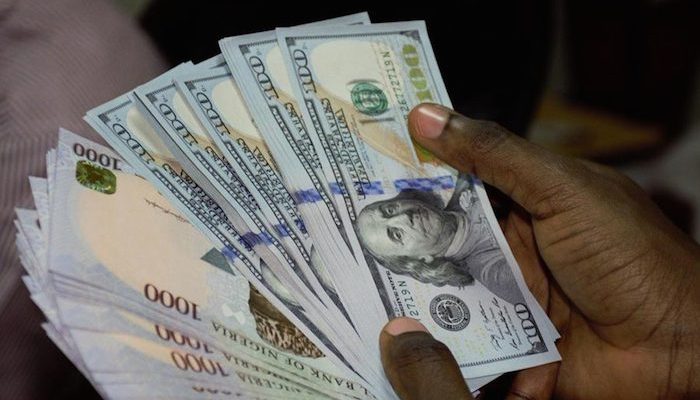
After weeks of trading in a narrow band, the naira starts the week weaker against the US dollar. The Central Bank of Nigeria (CBN) data for Friday, October 23, put the official Nigerian Foreign Exchange Market (NFEM) weighted average at ₦1,361.84 per dollar. The closing rate that day was reported at about ₦1,370.
The NFEM is closed on weekends, so Friday’s numbers remain the latest official data until Monday’s session posts. On the street, Aboki Forex had the dollar at ₦1,372 on Sunday night.
Dollar to Naira Today at a Glance
| Market | Rate per $1 | Note |
|---|---|---|
| Official NFEM (CBN weighted average) | ₦1,361.84 | Friday, October 23 |
| Official NFEM (closing rate) | About ₦1,370 | Friday, October 23 |
| Black market (Aboki Forex) | ₦1,372 | Sunday night, October 25 |
| Black market (other trackers) | ₦1,370 to ₦1,385 | Late last week |
Treat every number here as a snapshot. Dealers in Lagos, Abuja and Kano quote different prices, and the street rate can move several times in a day.
Official NFEM and CBN Rate: A Calm Month Ends With a Jolt
For most of October, the official window was among the quietest it has been all year. On October 13, the naira closed at ₦1,335.50, its weakest finish since August, after sessions around ₦1,333. It recovered quickly, and by the middle of the month the rate had barely moved. The naira closed at an official central rate of ₦1,332.26 on October 16, against ₦1,331.61 the day before.
The calm broke late last week.
| Date | Official NFEM rate (₦/$) | What happened |
|---|---|---|
| Fri, Oct 16 | 1,332.26 | Marginal slip of about 64 kobo |
| Tue, Oct 20 | 1,333.65 | Near-flat session |
| Wed, Oct 21 | 1,334.72 (closed at 1,337) | Dollar demand began to pick up |
| Thu, Oct 22 | About 1,339 | Reported by Reuters |
| Fri, Oct 23 | 1,361.84 (closed about 1,370) | Sharpest move in weeks |
The Wednesday figures are from CBN data, which showed the naira trading at ₦1,334.72 before closing at ₦1,337. Friday’s move of roughly ₦23 from Thursday’s level is the biggest single-day slide in this stretch.
One caution for readers comparing sources: some early-Friday reports still quoted spot deals between ₦1,330.95 and ₦1,332.00, before the session’s end-of-day data showed the weaker average. If you see an older figure in the ₦1,330s, it is probably stale.
Black Market Dollar to Naira Rate Today
The parallel market has been less dramatic. Through early October, dealers sold dollars at about ₦1,390 and bought at ₦1,375. Bureau de change (BDC) operators quoted those rates on October 6. By late last week, quotes had eased.
| Source | Buy (₦) | Sell (₦) | Date |
|---|---|---|---|
| Aboki Forex | 1,372 | 1,377 | Oct 25 |
| NGN Rates (user-reported) | 1,370 | 1,385 | Oct 23 |
| Monierate (aggregate) | About 1,368 | n/a | Oct 23 |
The spread between sources is about ₦15 to ₦20. That is normal for a market with no central price. If you are buying dollars, ask two or three dealers before you commit.
Is the Gap Between Official and Parallel Rates Closing?
Mostly, yes, and Friday’s slide is the reason. At the start of October, the street price sat well above the official one. On October 2, the official CBN reference rate was ₦1,329.16 against a parallel selling rate of ₦1,390, a difference of about ₦60.84. By October 6, the gap had narrowed to roughly ₦24.10.
With the official average now at ₦1,361.84 and the street rate near ₦1,372, the difference is around ₦10, or less than 1%. Measured against Friday’s ₦1,370 close, it is almost nothing.
For importers, students paying tuition abroad and anyone who has been buying from BDCs because the bank route was too slow, that matters. The incentive to pay a premium for street dollars has shrunk. It also means the official rate moved toward the parallel market this time, not the reverse.
How Much Is $100, $500 and $1,000 in Naira Today?
The table uses the official weighted average of ₦1,361.84 and a black market selling rate of ₦1,372.
| Dollar amount | Official NFEM (₦) | Black market (₦) |
|---|---|---|
| $1 | 1,361.84 | 1,372 |
| $50 | 68,092 | 68,600 |
| $100 | 136,184 | 137,200 |
| $500 | 680,920 | 686,000 |
| $1,000 | 1,361,840 | 1,372,000 |
| $5,000 | 6,809,200 | 6,860,000 |
Banks and licensed dealers add their own margins, so the amount that lands in your account can differ from these figures.
Pound and Euro to Naira Today
On the street, the pound and euro have held steady. Dealer quotes on October 22 showed the pound selling at ₦1,844.5 and the euro at ₦1,554 on one tracker. Other trackers on October 23 put the pound near ₦1,815 and the euro near ₦1,520. These figures vary a lot by source, so confirm with your dealer.
What Is Driving the Naira Right Now?
No single announcement explains Friday’s slide. Reports point to a pickup in dollar demand during the week, but I could not find a stated trigger. The wider picture is more reassuring for the currency than the daily numbers suggest.
- Reserves: Nigeria’s gross reserves reached $58.81 billion on October 12, the highest since November 2008, with net reserves around $46 billion. That gives the CBN room to smooth out sharp moves.
- Interest rates: The CBN cut the Monetary Policy Rate by 350 basis points, from 26.5% to 23%. Lower rates can make naira assets less attractive to foreign investors, which sometimes adds pressure on the currency.
- Import and corporate demand: A weaker naira raises the local cost of imported goods, raw materials and services priced in dollars, so businesses watch Monday’s session closely.
How the Naira Has Moved in 2026
The currency is far from its January peak, but still well ahead of where it traded a year ago.
| Period | Official NFEM (₦/$) | Parallel market (₦/$) |
|---|---|---|
| Late January | About 1,401 | 1,475 to 1,490 |
| Late April | About 1,383 | n/a |
| End of May | 1,372 | n/a |
| Late September | 1,328.67 | 1,375 to 1,390 |
| October 23 | 1,361.84 | About 1,372 |
The January figures come from reports that the naira hit about ₦1,400 at the official market, its strongest level since the electronic trading system began. The late-April reading came with a fall in external reserves and continued import demand. Compared with those months, the late-September to mid-October plateau of ₦1,325 to ₦1,335 was unusually stable.
What to Watch This Week
- Monday’s NFEM session: It will show whether Friday’s jump was a one-day spike or the start of a new range.
- Reserve data: Further growth would support the CBN’s ability to step in if the slide continues.
- The street premium: If the official rate stabilises near ₦1,360, the narrow gap with the parallel market is likely to hold.
Frequently Asked Questions
What is the dollar to naira rate today?
The latest official NFEM weighted average is ₦1,361.84 per dollar, from Friday, October 23. The black market is at roughly ₦1,372.
Why did the naira weaken on Friday?
Reports point to a pickup in dollar demand. No official reason has been given.
How much is $100 in naira today?
About ₦136,184 at the official rate and ₦137,200 on the parallel market.
Is the black market rate higher than the official rate?
Slightly. The gap is now around ₦10, down from roughly ₦60 at the start of October.
Does the exchange rate change on weekends?
The official market is closed on Sundays, so the CBN rate stays at Friday’s level until Monday’s session posts.
Rates are indicative and change throughout the day. Confirm with your bank or a licensed dealer before transacting.