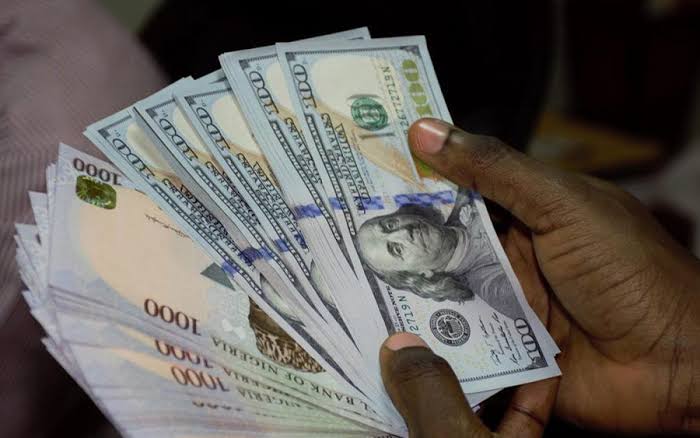
The naira began Wednesday, October 28, 2026, weaker than it was two weeks ago. The official rate has moved from the ₦1,330 band it held for most of the month to roughly ₦1,368 per dollar. On the street, dealers are selling the dollar at about ₦1,390.
If you are checking the dollar to naira rate today to pay school fees abroad, settle an import bill or plan a trip, the figures below are the ones to work with.
Dollar to Naira Today at a Glance
| Market | Rate per $1 | What it means |
|---|---|---|
| Official NFEM (CBN weighted average) | ₦1,367.61 | Latest published figure, Monday, October 26 |
| Official NFEM (closing rate) | ₦1,365.00 | Where the market ended on Monday |
| Black market (buying) | ₦1,375 | What dealers pay you for dollars |
| Black market (selling) | ₦1,390 | What you pay to buy dollars |
| Gap between official and black market | About ₦22 | Roughly 1.6% |
Rates differ between banks, bureau de change operators and cities, and by transaction size. Treat these as reference points and confirm with your dealer before you transact.
Official NFEM and CBN Rate: A Quiet Month Ends With a Jolt
For weeks the official market barely moved. From late September until Wednesday, October 21, closing rates sat between about ₦1,329 and ₦1,337 per dollar. The naira touched ₦1,335.50 on October 13, its weakest close since August, then recovered and gained 98 kobo to close at ₦1,331.61 on October 15.
Then the pressure arrived. CBN data show the naira trading at ₦1,334.72 on Wednesday, October 21. By Friday, October 23, the weighted average had slipped to ₦1,361.84. That is a loss of ₦27.12 in two sessions. Reports attributed the drop to a pickup in dollar demand.
Monday carried the slide further. The naira lost another ₦5.77 to trade at ₦1,367.61 per dollar, according to CBN figures. It closed the session at ₦1,365.00, with intraday deals done between ₦1,359 and ₦1,380. Forex turnover at the official window also fell, which can make prices jumpier when demand rises.
One warning for readers: several websites were still showing ₦1,331 as the official rate over the weekend and into this week. That number is out of date.
| Date (2026) | Official NFEM rate (₦/$) | What happened |
|---|---|---|
| Oct 2 | 1,329.16 | CBN reference rate, steady start to the month |
| Oct 15 | 1,331.61 | Naira gained 98 kobo |
| Oct 21 | 1,334.72 | Traded at this level, then closed at ₦1,337 |
| Oct 23 | 1,361.84 | Sharp drop on stronger dollar demand |
| Oct 26 | 1,367.61 | Further slip; closed at ₦1,365 |
Black Market Dollar to Naira Rate Today
On the parallel market, dollar sellers are asking about ₦1,390 today, with buyers of dollars offered ₦1,375. That is a spread of ₦15 between what dealers pay and what they charge. Rates on Tuesday ranged from ₦1,382 to ₦1,390 depending on the tracker, and the Tribune reported that dealers raised their buying rate by ₦10 and their selling rate by ₦13 on Monday compared with Friday.
Compare that with the start of the month. On October 1, the street rate was around ₦1,384 while the official rate was about ₦1,329, a gap of roughly ₦55. Today the gap is about ₦22.
The reason is simple: the official rate has done the moving. The street rate has been stubborn, hovering between roughly ₦1,360 and ₦1,390 all month. So the narrowing reflects the official window catching up, not the black market getting cheaper.
How Much Is $100, $500 and $1,000 in Naira Today?
| Dollar amount | Official NFEM (₦1,367.61) | Black market buying (₦1,375) | Black market selling (₦1,390) |
|---|---|---|---|
| $100 | ₦136,761 | ₦137,500 | ₦139,000 |
| $500 | ₦683,805 | ₦687,500 | ₦695,000 |
| $1,000 | ₦1,367,610 | ₦1,375,000 | ₦1,390,000 |
If you buy $1,000 on the street instead of at the official rate, you pay about ₦22,390 more.
Pound and Euro Against the Naira
| Currency | CBN official rate (₦) |
|---|---|
| British pound (£1) | 1,825.75 |
| Euro (€1) | 1,530.35 |
On the street, one tracker put the pound near ₦1,880 and the euro near ₦1,590.
Why Is the Naira Weakening Despite Strong Reserves?
On paper, Nigeria looks well cushioned. External reserves stood at $55.16 billion as of October 22, according to CBN figures. They crossed $54 billion in early August, which was an 18-year high. Crude oil prices have also stayed elevated, and analysts at Cowry Assets Management have said stronger oil revenue and improved foreign liquidity should support the currency.
So why the slide? The short answer is demand. Importers, students abroad, travellers and businesses all need dollars at the same time at month end, and thinner turnover at the official window leaves less room to absorb that demand. Nigerian analysts have also noted that the CBN’s reserve build-up and market interventions can slow how fast the naira adjusts, in either direction.
It helps to keep the bigger picture in view. The naira opened 2026 near ₦1,446 to the dollar. It reached ₦1,326.69 in early September, a two-year high. Even at ₦1,368, it remains stronger than it was at the start of the year by roughly ₦78.
What to Expect Next
Most outlooks lean toward stability rather than a sharp reversal. Coronation Merchant Bank has said it expects the naira to stay broadly stable in the near term, helped by CBN interventions and healthy reserves. One forecast published earlier this month put the naira in a ₦1,290 to ₦1,400 range through the end of 2026.
What could change that:
- CBN interventions: Fresh dollar supply to the market could pull the rate back toward ₦1,350.
- Month-end and year-end demand: Tuition, import and holiday travel payments typically lift demand for dollars.
- Oil prices and reserves: Higher crude earnings and rising reserves would give the CBN more room to defend the currency.
Tips Before You Buy or Sell Dollars
- Compare at least two or three dealers or banks before you commit.
- Ask for the all-in cost, including fees and charges.
- Use licensed channels for large payments, since they give you a paper trail.
- Avoid transacting on unverified social media quotes.