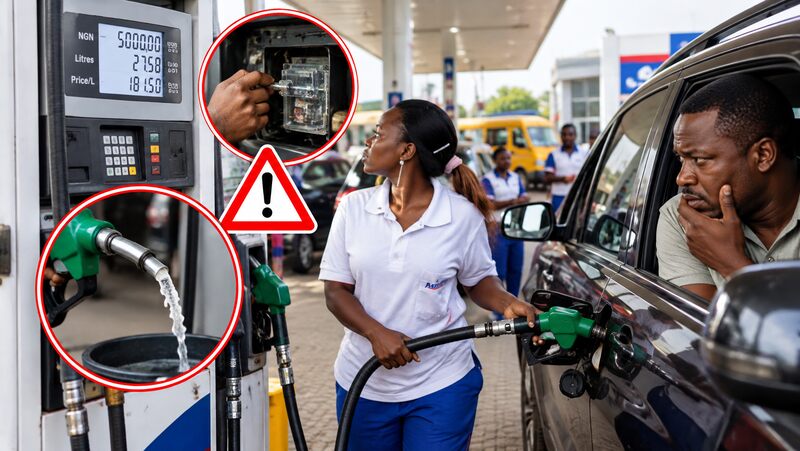
Every time a motorist drives into a filling station, the expectation is straightforward: pay for petrol, receive the correct quantity and continue the journey. Yet, questions surrounding the accuracy of fuel pumps have placed motorists on alert, particularly as the cost of buying petrol continues to put pressure on household budgets, transport operators and businesses across Nigeria. A small difference in the quantity delivered may appear insignificant during a single purchase, but repeated discrepancies can gradually increase the cost of keeping a vehicle on the road.
The issue gained fresh attention in September 2026, when the Nigerian Midstream and Downstream Petroleum Regulatory Authority (NMDPRA) directed filling stations nationwide to verify and recalibrate their dispensing equipment following reports of under dispensing. The regulator warned that serious or persistent violations could attract sanctions, including the revocation of operating licences. Subsequent enforcement activities have also brought the accuracy of petrol pumps into focus, raising questions about the checks motorists should make before leaving a filling station.
How Petrol Pump Fraud Happens in Nigeria
Petrol pump fraud generally involves practices that cause customers to pay more than they should or receive less fuel than the quantity recorded on the dispensing meter. The most common concern is underdispensing, which occurs when a pump delivers less petrol than the amount indicated by its measurement system. Such discrepancies can arise from faulty equipment, inaccurate calibration, poor maintenance or deliberate interference with a dispensing system, although the cause must be established through appropriate checks.

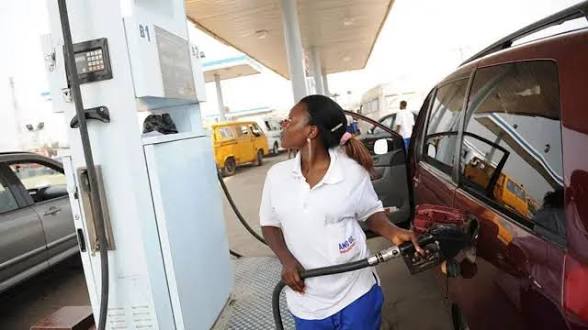
The financial consequences depend on the quantity missing and the prevailing price per litre. For instance, if petrol sells for ₦1,000 per litre, a motorist paying ₦20,000 should receive 20 litres, assuming the displayed price and transaction are correct. If the actual quantity delivered is only 18 litres, the customer loses the equivalent of ₦2,000 worth of fuel. This example is illustrative rather than evidence against any particular filling station, but it shows how inaccurate measurements can affect motorists who purchase petrol regularly.
Signs Motorists Should Watch Out for at Filling Stations
1. The Pump Does Not Start From Zero
Checking the pump display before dispensing begins is one of the simplest precautions motorists can take. The monetary display should read ₦0.00, while the litre counter should also start from zero for a new transaction. A pump that begins dispensing with an amount left over from a previous purchase can create confusion about the quantity supplied and the amount charged, leaving the customer uncertain about the actual transaction.
Motorists should insist that the attendant resets the meter before inserting the nozzle into the fuel tank. The check takes only a few seconds and provides a clear starting point for monitoring the purchase. Although a nonzero reading does not automatically prove deliberate fraud, a customer should not proceed until the display has been properly reset and the transaction can be monitored.
2. The Quantity of Petrol Appears Inconsistent With the Amount Paid
The amount displayed on a fuel pump and the number of litres dispensed should correspond with the price per litre. Motorists can use this relationship to check whether a transaction appears reasonable, particularly when purchasing a specific amount of petrol. If the price is ₦1,000 per litre, for example, a payment of ₦15,000 should correspond to 15 litres, provided the price has been entered correctly and the dispensing equipment is accurate.
Customers should watch both figures as the petrol enters the tank rather than concentrating exclusively on the monetary display. Any unexplained difference between the amount requested, the amount charged and the litres recorded deserves attention. Where the discrepancy cannot be resolved by the attendant, the motorist should request assistance from the station manager and retain the transaction details for a possible complaint.
3. The Attendant Enters the Wrong Amount
Errors can occur when an attendant enters an amount different from the customer’s request. Someone who asks for ₦20,000 worth of petrol could discover that the pump has been set for ₦10,000 or another figure, creating confusion during the transaction. Such mistakes may be accidental, but customers who fail to monitor the display could leave without noticing that the requested purchase was not completed as expected.
Motorists should state the amount clearly, check the display before dispensing begins and confirm the final reading when the transaction ends. Where the amount entered differs from the request, the attendant should correct it before continuing. Keeping track of the figures also makes it easier to resolve disagreements over the quantity purchased or the amount charged.
4. The Amount Charged Exceeds the Agreed Payment
Electronic transfers and point of sale payments have made it easier for motorists to pay for petrol, but customers still need to verify the amount requested by the station. A motorist who agrees to pay ₦20,000 should question an unexplained request for ₦22,000, particularly when the displayed fuel purchase does not account for the difference. A higher charge may result from an input error or misunderstanding, but it should be resolved before the transaction is completed.
Customers should compare the amount shown on the payment terminal with the amount displayed on the pump and the notification received from their bank. Receipts and electronic payment records can help establish the figures if a disagreement develops after the purchase. Motorists should avoid authorising an unexplained payment simply because other customers are waiting or the attendant is urging them to complete the transaction quickly.
5. The Attendant Cannot Explain an Unusual Reading
An unexplained meter reading is a reason to ask questions, particularly when the figures do not correspond with the requested amount. Motorists should request a clear explanation from the attendant and involve the station manager if the issue remains unresolved. A defensive response alone does not establish fraud, but customers deserve an opportunity to understand discrepancies affecting their payments and the quantity of petrol recorded.
Where the explanation does not resolve the problem, motorists should document the station’s name, location, time of purchase and the figures displayed on the pump. These details can help the relevant regulator investigate the complaint. Customers should avoid confrontations that could put them at risk, especially when an attendant or another person refuses to cooperate.
6. The Filling Station Cannot Provide a Receipt
Receipts provide useful evidence of a transaction, particularly when a motorist later discovers a discrepancy. Depending on the station’s system, a receipt may contain the amount paid, the date, the time and the quantity of petrol purchased. Comparing these details with the pump display and payment notification can help customers identify an incorrect charge or establish the circumstances surrounding a disputed transaction.
Motorists should request a receipt after purchasing petrol and keep it alongside any electronic payment notification. The absence of a receipt does not prove that a station has committed fraud, but it can make a disagreement more difficult to resolve. Customers who suspect under dispensing should preserve any available evidence rather than relying solely on their memory of the transaction.
7. The Pump Repeatedly Stops During Dispensing
Repeated interruptions during dispensing can attract a motorist’s attention, particularly when the attendant frequently stops and restarts the flow of petrol. However, such behaviour does not automatically indicate manipulation, because dispensing equipment can stop for technical reasons, including automatic nozzle shut off and equipment faults. The important issue is whether the final quantity delivered corresponds with the quantity recorded and the amount paid.
Customers should watch the display throughout the transaction and ask the attendant to explain repeated interruptions when they appear unusual. Where the pump is visibly malfunctioning, motorists can request that the station manager check the equipment before further dispensing takes place. A proper inspection may be necessary to determine whether the problem concerns the equipment, its calibration or the handling of the transaction.
8. The Vehicle Consumes Petrol Faster Than Expected
Motorists sometimes suspect a filling station after noticing that petrol finishes sooner than expected. Under dispensing may be one possible explanation, but vehicle performance, traffic congestion, driving habits, tyre pressure, engine condition and the weight carried by a vehicle can also affect fuel consumption. A single trip therefore provides limited evidence for determining whether a customer received less petrol than the amount recorded.
Drivers can monitor fuel purchases against mileage over several trips to identify recurring patterns. If the concern repeatedly arises after buying petrol from the same outlet, they should keep their receipts and transaction records and report any specific discrepancy to the relevant authority. A reliable pump measurement is more useful for establishing under dispensing than an estimate based on the fuel gauge alone.
What Vehicle Fuel Tank Capacity Can Reveal
Knowing the manufacturer’s stated fuel tank capacity can help motorists identify transactions that deserve closer examination. If a vehicle has a specified capacity of 45 litres, a recorded delivery substantially exceeding that capacity when the tank was believed to be empty warrants an explanation. However, tank capacity alone cannot establish that a filling station has manipulated its pump, because the quantity needed to fill a vehicle depends on how much fuel remains in the tank.
The fuel gauge may also show empty while some petrol remains, and the tank’s design can affect how much fuel is needed to fill it completely. Motorists should therefore use tank capacity as a reference point rather than conclusive evidence of fraud. In September 2026, the Petroleum Products Retail Outlets Association of Nigeria (PETROAN) advised motorists to pay attention to pump readings, request receipts and understand their vehicles’ tank capacities as part of the precautions against under dispensing.
NMDPRA’s September 2026 Warning to Filling Stations
The Nigerian Midstream and Downstream Petroleum Regulatory Authority brought renewed attention to pump accuracy in September 2026 after reporting incidents of under dispensing at retail outlets nationwide. On September 22, 2026, the regulator directed filling station operators to verify and calibrate their dispensing equipment and totalisers to ensure that customers received the quantities of petroleum products for which they paid.
The authority also warned that outlets found to be under dispensing or operating with improperly calibrated equipment could face corrective measures and further sanctions. Serious or persistent violations could result in the revocation of operating licences. The directive placed responsibility on retail operators to maintain accurate equipment rather than leaving customers to discover discrepancies after completing their purchases.
A totaliser records the cumulative quantity of fuel dispensed by a system, while the individual transaction display shows the amount and quantity associated with a particular purchase. Checking the dispensing equipment and its associated counters can help regulators determine whether a system is functioning correctly. The September directive therefore addressed the accuracy of the equipment used to measure and record fuel sales, rather than focusing exclusively on the conduct of individual attendants.
October 2026: Filling Stations Sealed in Rivers State
On October 8, 2026, reports emerged that the NMDPRA had sealed 2 filling stations in Port Harcourt, Rivers State, following an inspection exercise that identified under dispensing. The affected outlets were reported to be MRS Filling Station on Azikiwe Road and Stageoil Filling Station along Aba Road. The exercise formed part of the regulator’s monitoring of fuel quantities, product quality and safety compliance at retail outlets.
The inspection reportedly identified cases in which outlets dispensed less fuel than the quantities indicated. The regulatory team also identified an unusual case of over dispensing at another outlet and advised the operator to stop dispensing until the pump was recalibrated. The development showed why pump accuracy matters in both directions, since faulty equipment may deliver less or more fuel than the quantity recorded.
The enforcement action highlighted the regulator’s continuing attention to dispensing irregularities, but it does not establish that every filling station in Rivers State or elsewhere in Nigeria engages in under dispensing. The circumstances of each outlet must be considered separately, with any allegations assessed against the available inspection findings and regulatory records.
July 2026: Enforcement Action in Ogun State
On July 14, 2026, Channels Television reported that the NMDPRA had sealed 2 filling stations in Ogun State over under dispensing and other regulatory violations. The operation covered the Ajute and Ajuwon axis, where the authority reportedly identified repeated breaches of its requirements. The reported violations included under dispensing, removal of official seals and resumption of operations without authorisation.
One reported case involved a station that had allegedly been sealed several times since 2025 but continued operating after the seals were removed. The matter raised concerns about compliance with regulatory enforcement orders, as a station that has been sealed cannot simply resume operations without the required authorisation. The report also showed that the regulator’s concerns extended beyond the quantity of petrol dispensed to whether operators complied with corrective measures and enforcement actions.
February 2026: Earlier Enforcement in Rivers State
The NMDPRA also sealed filling stations in Port Harcourt in February 2026 over under dispensing of Premium Motor Spirit, commonly known as petrol. Voice of Nigeria reported that the regulator’s Retail Outlet Monitoring team physically measured dispensing pumps to determine whether customers were receiving the correct quantities. The exercise formed part of its monitoring activities aimed at addressing short measuring and other retail compliance concerns.
The February enforcement action, followed by the July operation in Ogun State and the October reports from Rivers State, demonstrates that pump accuracy remained an issue for regulators throughout 2026. These incidents also show the importance of physical inspections and measurement checks in establishing whether a dispensing system is accurate. Motorists who suspect a discrepancy can support these efforts by documenting their experiences and reporting specific concerns to the appropriate authority.
What Nigerian Law Says About Accurate Fuel Measurement
Nigeria has legal requirements governing measuring equipment used in commercial transactions. The Department of Weights and Measures under the Federal Ministry of Industry, Trade and Investment is responsible for ensuring that measurements used in trade are accurate and that relevant measuring instruments meet applicable requirements. Its responsibilities include the verification and certification of commercial measuring equipment.
The Weights and Measures Act and associated regulations provide a legal framework for measuring instruments used in trade, including equipment used to measure liquid fuel. These requirements are intended to protect the integrity of commercial transactions by ensuring that measurement systems are suitable for their purpose. A fuel pump reading is therefore not simply a figure chosen by a filling station operator, but a commercial measurement that must be sufficiently accurate.
The NMDPRA also regulates Nigeria’s midstream and downstream petroleum sectors, including retail outlets. Its September 2026 directive requiring operators to verify and calibrate dispensing equipment reinforced the need for accurate fuel measurement. Motorists who suspect that a pump is delivering less fuel than recorded can report the matter to the regulator and request that the relevant authority investigate.
How Motorists Can Report Suspected Petrol Pump Fraud
Motorists who suspect under dispensing should first record the details of the transaction and, where possible, raise the matter with the station manager. Useful information includes the station’s name and location, the date and time of purchase, the amount requested, the quantity displayed and the amount charged. Receipts, electronic payment notifications and photographs of the pump display, where obtained safely and lawfully, can help support the complaint.
The NMDPRA is a relevant authority for complaints involving petroleum retail outlets and dispensing accuracy. Motorists can consult its official website for current contact details and reporting channels. The Department of Weights and Measures is also relevant when the complaint concerns the accuracy of a commercial measuring instrument, while the Federal Competition and Consumer Protection Commission (FCCPC) provides a consumer complaint process for disputes involving businesses.
The FCCPC allows consumers to submit complaints through its complaint handling process and provide supporting documents, including receipts and correspondence. Motorists can consult the commission’s official complaint information. Providing specific details makes it easier for the relevant authority to understand the complaint and determine whether further investigation or testing is required.
Essential Checks Before Leaving a Filling Station
Motorists can reduce avoidable disputes by checking the pump before dispensing begins, confirming the requested amount and monitoring the monetary and litre displays throughout the transaction. After dispensing, they should verify the final reading, compare the amount charged with the agreed purchase and request a receipt. Electronic payment notifications should also be retained, particularly when the transaction involves a point of sale terminal or bank transfer.
These precautions cannot guarantee that every pump is accurate, but they give motorists a clearer record of what they paid for and what the equipment recorded. Where a discrepancy appears, customers should request an explanation and document the incident rather than making an immediate accusation. A complaint supported by transaction details can help the appropriate authority investigate whether the issue resulted from an error, faulty equipment or deliberate misconduct.
What Motorists Should Remember About Petrol Pump Fraud in 2026
The NMDPRA’s September 2026 warning and subsequent enforcement activities have kept petrol dispensing accuracy in the spotlight. The reported incidents in Rivers State and Ogun State demonstrate that regulators have taken action against outlets accused of under dispensing and other violations, while industry associations have also urged motorists to pay attention to pump readings and retain receipts.
Motorists should remain alert without assuming that every unusual transaction is fraudulent. A pump that starts from zero may still require accurate calibration, while a vehicle consuming petrol faster than expected may have a mechanical problem unrelated to the filling station. The most useful approach is to check the figures, preserve evidence and report a specific discrepancy through the appropriate channels.
Every motorists are entitled to receive the quantity of petrol they pay for, and filling station operators are responsible for ensuring that their dispensing equipment meets applicable requirements. Regular checks, accurate measurements and effective enforcement are essential to protecting customers and maintaining confidence in petrol sales across Nigeria.