
Some moments in the gospel music scene refuse to fade away. Years after a disagreement has passed, a familiar name, an old video or an unexpected gesture can bring the memory rushing back. And sometimes, it takes just a few words to make people look at an old story differently.
Yinka Alaseyori’s Birthday Message To Tope Alabi Sparks Reactions


On Tuesday, October 27, 2026, gospel singer Yinka Alaseyori took to Instagram to celebrate her senior colleague, Tope Alabi, on her birthday. The message was filled with prayers and goodwill, but it quickly attracted attention because of the history between the two singers.
“Happy birthday Ma L/Evang @tope_alabi_ and congratulations on your new age,” Yinka wrote.
She continued: “Sufficient grace, strength and mercy we pray for you, ma. Best of God this day and beyond ma.”
It was a respectful birthday message, with no mention of their past disagreement. Yet, for people who remember what happened in June 2021, the post brought back memories of one of the most talked-about controversies in Nigerian gospel music.
Some reports described the birthday message as a possible sign that the singers had reconciled. However, neither Tope nor Yinka has publicly confirmed that they have formally settled any differences. For now, the post has raised questions rather than provided a definite answer.
How The ‘Oniduro Mi’ Controversy Started
To understand why Yinka’s birthday message has attracted so much attention, it is necessary to return to June 2021, when a video of Tope Alabi ministering at an event began circulating on social media.
In the video, Tope questioned the wording of the popular worship song Oniduro Mi, which means “My Guarantor” or “My Surety”. The song celebrates God as the one who stands for His people and does not abandon them.
Although the song had been strongly associated with Yinka, she was not its original writer. Evangelist Toluwalase Adelegan reportedly wrote it in 2014 after receiving inspiration while rehearsing with her choir for an event. Yinka’s version later appeared in her worship medley Arojinle, released in March 2020, and helped bring the song to a much wider audience.
By June 2021, Oniduro Mi had become a popular worship song, and Yinka was increasingly recognised for her rendition. Then came Tope’s comments.
What Tope Alabi Said

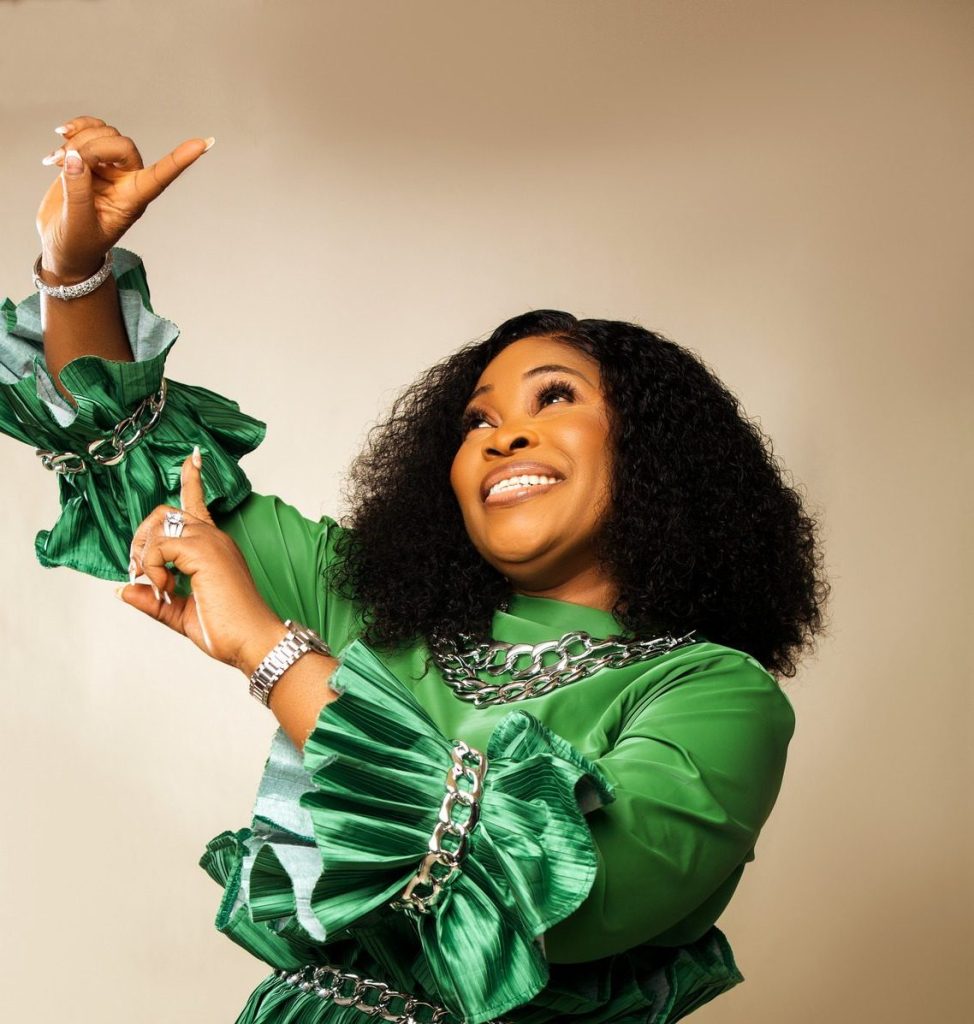
While ministering at an event on Saturday, June 12, 2021, Tope spoke about the song and questioned whether describing God as a guarantor fully captured His greatness.
In the widely circulated video, she asked, in Yoruba, whether that was all people could sing about God, considering how great He was and the many things He represented.
She made it clear that she did not consider the song bad. However, she said that when she had wanted to sing it herself, the Holy Spirit had cautioned her against doing so. In her words:
“Look at how enormous God is, the multiple things He is, and someone will now say “Oniduro mi ese” (thank you my guarantor/surety). God is not your guarantor. God is bigger than our guarantor. I love the song. The day I wanted to sing it, the Holy Spirit asked me to shut up. He’s more than a guarantor.”
Tope went on to argue that gospel singers should not release every song exactly as they believed it had been revealed to them. In her view, they needed to reflect on the message, understand it and consider how best to express it. She explained that God had given singers the ability to think through what they received spiritually before sharing it with others. She said:
“If you receive a song in the spirit, there are some conversations you should have with the Holy Spirit before releasing it.”
She warned that without such reflection, singers could end up saying things that did not properly communicate the message they intended to deliver. But it was her explanation of the word “guarantor” that made her argument even more striking. Tope compared God with a human guarantor who agrees to stand surety for someone who owes a debt. If the debtor fails to pay and the guarantor cannot afford to settle the debt, she reasoned, the guarantor cannot be killed simply for failing to pay.
She then contrasted that example with her understanding of God’s sacrifice. She said:
“God didn’t stand for us, He died for us. He’s more than a guarantor.”
Tope also suggested that people who were not the owners of the song had become angry when she raised the issue, asking whether she should not speak the truth. Her point, as she presented it, was that God was greater than the description used in the song. But because Oniduro Mi had become closely associated with Yinka, the remarks were quickly interpreted as criticism of the younger singer.
Tope did not name Yinka in the reported comments. Nevertheless, the timing, the popularity of the song and the clear connection between Yinka and the rendition made the controversy difficult to separate from her name.
Why Tope’s Comments Sparked Backlash
The video spread rapidly online, and many people disagreed with Tope’s approach. For some listeners, calling God a guarantor was not an attempt to limit His power. Rather, it was an expression of faith in a God who stands by His people when they face difficulties.
Others questioned why Tope had chosen to make the criticism publicly instead of discussing her concerns privately with Yinka.
Nollywood actress Anita Joseph was among those who reacted. She argued that there was nothing wrong with the line and suggested that the growing popularity of the song had brought the matter into the gospel music scene.
Singer Slimcase also questioned the public approach. He wrote that Tope could have contacted Yinka privately to discuss the matter, referring to the biblical call to reason together.
The reactions soon moved beyond the wording of the song. Some netizens accused Tope of being jealous of Yinka’s growing popularity, while others defended her right to express her theological understanding.
The controversy became one of the most talked-about subjects in the gospel music scene at the time. A debate about a worship song had turned into a wider discussion about criticism, respect among gospel ministers and how disagreements should be handled in public.
Yinka Alaseyori Responds


For several days, Yinka did not publicly respond to the controversy. When she eventually spoke, however, she did not attack Tope or challenge her comments point by point. Instead, she appealed for peace. In a video shared online in June 2021, Yinka pleaded with people who were discussing the matter to stop escalating it. In her words:
“I beg you in the name of God, wherever you are, I beg you in God’s name wherever you can hear the sound of my voice from, let peace reign.”
She then urged people to let Jesus take the wheel. Yinka Added:
“Mummy Tope Alabi is our mother. She’s a mother to me and so many, and by virtue, we have been blessed by her ministration.”
She ended by asking people to focus on worshipping and celebrating God. Her response was significant because she publicly acknowledged Tope’s influence and asked people not to turn the disagreement into a fight. Rather than encouraging her supporters to attack the older singer, she reminded them of the blessings they had received through Tope’s ministry.
The response also offered a glimpse into the respect Yinka had for Tope, despite the controversy surrounding the song.
Behind The Scenes: Was There An Apology?

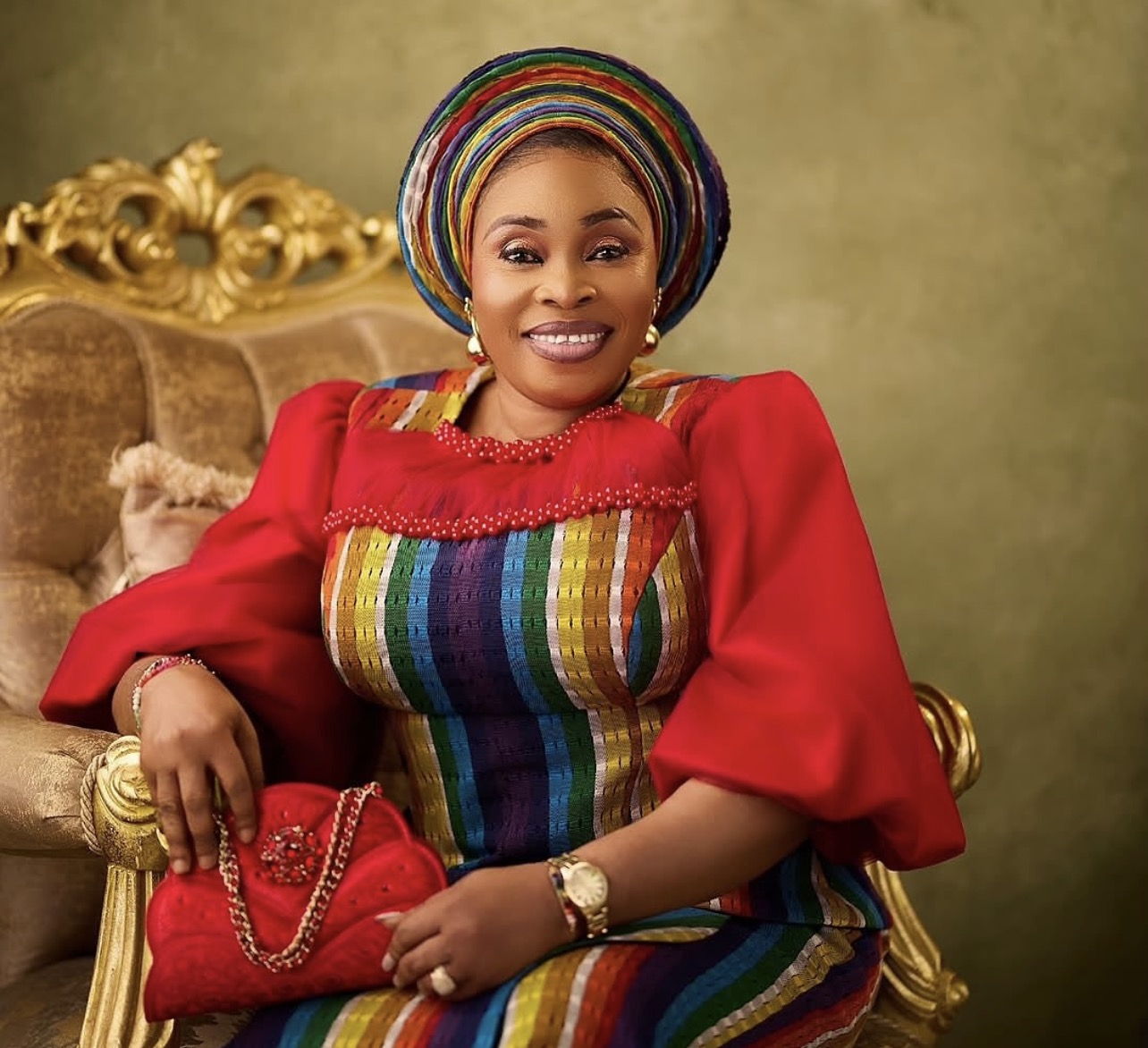
As the backlash continued, other gospel musicians tried to calm the situation. On June 19, 2021, veteran gospel musician Timi Osukoya, popularly known as Telemi, had spoken to Tope, Yinka and the song’s original writer, Tolu Adelegan. Telemi said he had urged the parties to allow peace to reign. He also advised Yinka not to make further comments about the matter because people could twist her words and give them meanings she did not intend.
He said he had also advised Tope to apologise publicly, arguing that the way criticism was delivered mattered as much as the criticism itself. He added that public correction could be difficult for people to accept and could lead to further complications. Telemi also noted that different singers could receive the same song and express it differently. In his view, no one had a monopoly on understanding God.
The question of an apology then became another part of the story. On June 19, Tope reportedly apologised to Yinka and was said to have acknowledged that publicly criticising the song had been a mistake. The report quoted her as saying, “I am awfully sorry for doing that.” It also reported that Tope described Yinka as her daughter in ministry and denied that jealousy had motivated her comments.
However, a counter statement said Tope’s reported apology had not been authored by her, according to a source close to the singer.
The reports therefore did not establish a clear, undisputed account of a public apology. What they did show was that efforts were being made to resolve the controversy and that the disagreement had become serious enough to prompt intervention from other gospel musicians.
What Happened After The 2021 Controversy?


The later events make the story more complicated than a simple account of two singers who stopped speaking to each other. On October 27, 2021, just months after the controversy, Yinka celebrated Tope’s 51st birthday on social media.
In her message, she thanked Tope for “breaking limits and boundaries”, making it possible for others to dream and continuing to fulfil God’s purpose. She wrote:
“Thank you for being all that God has called you to be. A very happy birthday to you ma’am. The best of your days have just begun ma. Congratulations momma.”
The message was notable because it came after the public disagreement and Yinka’s appeal for peace. Rather than distancing herself from Tope in her birthday message, she praised her and referred to her as “momma”.
Yinka celebrated Tope again on October 27, 2022, thanking God for “the gift of you to our world” and praying for her new year.
That same month, Tope Alabi also publicly congratulated Yinka after she announced the birth of her daughter. “You are welcome baby girl, congratulations,” Tope wrote.
These moments matter because they complicate claims that the singers completely cut off contact or ceased acknowledging each other after June 2021. Their public gestures showed goodwill, even though they did not explain the full state of their private relationship.
Have Tope Alabi And Yinka Alaseyori Settled Their Differences?
The 2021 controversy began with a disagreement over the meaning of a song. In the months and years that followed, birthday messages and public congratulations continued to complicate the idea of a lasting feud.
Now, in 2026, Yinka has once again publicly celebrated Tope, prompting people to revisit the old controversy. The birthday tribute is a clear gesture of goodwill, but it does not by itself settle the question of whether the two singers have formally reconciled. That answer can only come from the women themselves.