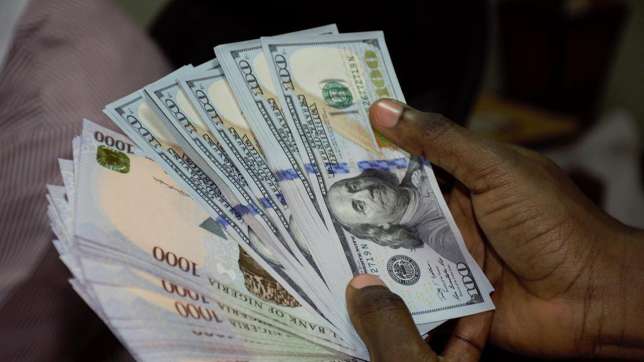
The dollar to naira rate today, Tuesday, November 10, 2026, is about ₦1,346.51 at the official Nigerian Foreign Exchange Market (NFEM). On the parallel market, popularly called the black market, dealers are buying at ₦1,410 and selling at ₦1,430. The dollar was changing hands at an average of ₦1,346.51 on the official market, while parallel-market dealers quoted ₦1,410 for buying and ₦1,430 for selling.
The official window has hardly moved in a week. The street market has drifted upward, and the gap between the two has widened again. Here is where things stand this morning, why the two markets keep drifting apart, and what it means if you are paying school fees, settling an import bill or planning a trip.
Dollar to Naira Today at a Glance
| Market | Rate (₦ per $1) | Basis |
|---|---|---|
| Official NFEM / CBN rate | ₦1,346.51 (average) | Tuesday, November 10 |
| NFEM opening range | ₦1,343.35 to ₦1,347.32 | Tuesday, November 10 |
| Last published NFEM close | ₦1,346.79 | Friday, November 6 |
| Parallel market (buying) | ₦1,410 | Dealer quotes, November 10 |
| Parallel market (selling) | ₦1,415 to ₦1,430 | Dealer quotes, November 9 to 10 |
The Monday close had not been confirmed in every source at the time of writing. One rate tracker listed the CBN official rate at ₦1,349.34 in its update just after midnight on November 10. Expect small differences from site to site until the CBN publishes the full session data.
Official NFEM and CBN Rate: Calm, With a Slight Wobble
The naira has stayed in a very narrow band. It closed at ₦1,350.45 on November 5, according to CBN data, down from ₦1,348 the day before. Some reports put the November 5 close closer to ₦1,348.74, so check which data point a source is using. Friday brought a small recovery. The naira appreciated to ₦1,346.79 per dollar on November 6.
The CBN reference rate tracks the NFEM weighted average, so the “CBN rate” and the “NFEM rate” are effectively the same figure. The window trades on business days only. That is why the Friday close carried through the weekend, and why Monday and Tuesday are the first fresh readings of the week.
| Date (2026) | NFEM rate (₦/$) | Black market (₦/$) |
|---|---|---|
| Monday, November 2 | ₦1,346.01 | n/a |
| Tuesday, November 3 | ₦1,347.75 | ₦1,390 |
| Wednesday, November 4 | ₦1,348.00 | n/a |
| Thursday, November 5 | ₦1,348.74 to ₦1,350.45 | ₦1,390 |
| Friday, November 6 | ₦1,346.79 | ₦1,390 to ₦1,400 |
| Monday, November 9 | ₦1,346.79 (carried from Friday) | ₦1,415 to ₦1,430 |
| Tuesday, November 10 | ₦1,346.51 (average) | ₦1,410 to ₦1,430 |
Black-market figures are indicative dealer quotes and differ by location and aggregator.
Black Market Dollar to Naira Rate Today
The parallel market was calm to begin with, then turned. Early in the week, dealers were quoting around ₦1,390. The Lagos selling rate rose from ₦1,390 on November 3 to ₦1,430 by November 9, about 2.9 percent in a week. Quotes still vary by tracker. Monierate listed ₦1,428 to buy and ₦1,415 to sell as of November 9. A separate report on the same day described the naira slipping at the parallel market as demand for forex rose.
If you need dollars in cash, expect to pay somewhere between ₦1,415 and ₦1,430 per dollar today. Prices in Abuja, Kano, Port Harcourt and Lagos can differ by a few naira.
Official vs Parallel: How Wide Is the Gap?
The difference between the official and parallel-market rates stood between ₦68.21 and ₦83.21 per dollar in Monday’s figures. Using today’s official average of ₦1,346.51, the premium at ₦1,430 is about ₦83.49, or just over 6 percent. A few weeks ago it was closer to ₦40.
The gap has several causes:
- Access: Bank and NFEM dollars are limited by documentation, allocation and who is eligible. Street dollars are available in cash, immediately and with no paperwork.
- Demand: Travel, school fees, medical bills and import payments tend to pick up in the last quarter of the year.
- Timing: The NFEM closes when the business day ends. The parallel market trades around the clock, so it reacts first to rumours, news and sudden demand.
How Much Is $1 to $10,000 in Naira Today?
The table uses the last published official rate of ₦1,346.79 and the parallel selling rates of ₦1,415 and ₦1,430.
| Dollar amount | At the official rate (₦) | At ₦1,415 (₦) | At ₦1,430 (₦) |
|---|---|---|---|
| $1 | 1,346.79 | 1,415 | 1,430 |
| $50 | 67,340 | 70,750 | 71,500 |
| $100 | 134,679 | 141,500 | 143,000 |
| $200 | 269,358 | 283,000 | 286,000 |
| $500 | 673,395 | 707,500 | 715,000 |
| $1,000 | 1,346,790 | 1,415,000 | 1,430,000 |
| $5,000 | 6,733,950 | 7,075,000 | 7,150,000 |
| $10,000 | 13,467,900 | 14,150,000 | 14,300,000 |
On a $1,000 transaction, the difference between the official rate and the top street quote is roughly ₦83,000. That is why many people try to route payments through their banks where they can.
Why the Naira Has Held Up in 2026
The longer picture is much kinder to the naira than the past few days suggest. The naira gained 6.26 percent against the dollar over the 12 months to November 6, moving from ₦1,436.74 a year earlier to ₦1,346.79. That is a gain of ₦89.95. Other reports say it opened 2026 at about ₦1,446, so the official rate is nearly 7 percent stronger than at the start of the year.
Several things are helping:
- Reserves: Nigeria’s foreign exchange reserves stood at $55.133 billion as of November 5. Net reserves are reported at a record of about $46 billion, which gives the CBN room to step into the market when it needs to.
- Oil: Bonny Light, Nigeria’s benchmark crude, was selling at about $115 a barrel, and oil output is at a four-year high. More crude earnings mean more dollars flowing into the system.
- Tight money: The benchmark policy rate stands at 23 percent. High rates keep naira assets attractive to investors.
Why the Naira Still Slipped Early This Month
Bigger reserves have not made the naira immune. Gross reserves rose by only $295.35 million in October, and the naira still weakened in the first week of November. A recent CBN-linked research paper points to budget deficits as a major driver of exchange-rate pressure. The argument is that a country can hold more dollars and still see a softer currency if government borrowing keeps pushing the pace.
CBN Governor Olayemi Cardoso has also made clear that he wants the naira’s value to reflect fundamentals rather than artificial support. In other words, do not expect the central bank to fight small daily moves.
What to Watch Next
- Today’s NFEM close: If the rate stays near ₦1,346, the market is still comfortable. A move past ₦1,350 would suggest more pressure.
- The parallel premium: If street dealers push past ₦1,430, the gap with the official rate will keep widening.
- Oil prices: A sudden fall in global oil demand or a disruption to Nigerian output could cut FX inflows and push the naira below ₦1,350 to the dollar.
- Weekly reserves data: Slower accumulation, as in October, would worry traders.
Frequently Asked Questions
What is the dollar to naira rate today?
About ₦1,346.51 at the official NFEM, and ₦1,410 to ₦1,430 on the black market.
What is the CBN dollar rate today?
The CBN rate follows the NFEM weighted average, so it is roughly ₦1,346 to ₦1,349 this week.
How much is $100 in naira today?
About ₦134,650 officially and ₦141,000 to ₦143,000 on the street.
Why is the black market rate higher than the official rate?
Demand for cash dollars is high, access to bank dollars is limited, and the parallel market reacts faster to news.
Is the naira stronger than a year ago?
Yes. It has gained about 6.3 percent since November 2025.
Why is there no new official rate on weekends?
The NFEM trades only on business days, so Friday’s close stands until Monday.
Disclaimer: Exchange rates change throughout the day. Parallel-market figures are indicative dealer quotes and vary by location. Check with your bank or a licensed bureau de change before transacting.