
For thousands of Nigerian students, securing admission into a university is only the beginning of a much bigger financial struggle, as tuition fees, accommodation, learning materials and other academic expenses continue to place pressure on families. Across the country, young entrepreneurs face a similar challenge, with promising business ideas often remaining on paper because the money needed to purchase equipment, employ workers, secure premises or expand operations is beyond their reach. Several wealthy Nigerians have established foundations and philanthropic organisations that are providing financial assistance to people facing these difficulties, with some programmes offering millions of naira in business grants and others supporting students through university education.
The interventions have attracted attention because of the amounts involved, the number of beneficiaries and the different categories of Nigerians they seek to support. From a major education commitment covering undergraduate students across the country to entrepreneurship programmes offering thousands of dollars in seed funding, these initiatives have created opportunities in education, business development, vocational training and women’s economic empowerment.
Some have established application procedures that allow qualified Nigerians to compete for financial assistance, while others work directly with universities, government institutions and development organisations. Examining their activities reveals the billionaires behind these programmes, the amounts involved, the people they target and the application arrangements available to prospective beneficiaries.
Aliko Dangote’s ₦100 Billion Annual Education Programme

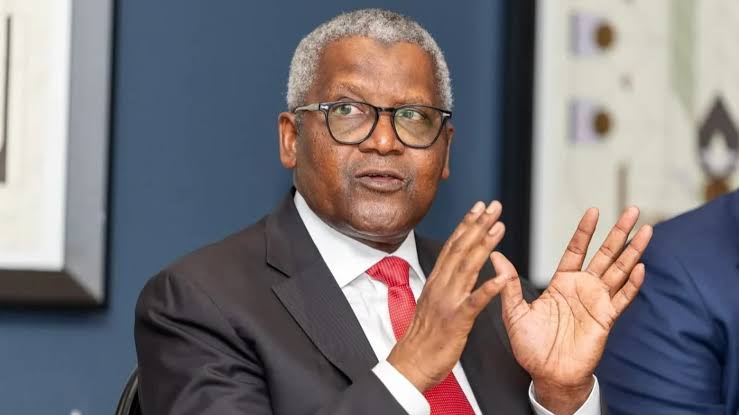
Aliko Dangote is among the Nigerian billionaires making substantial commitments to educational development through the Aliko Dangote Foundation, which announced a ₦100 billion annual education support programme on December 11, 2025. The initiative was unveiled in Lagos, with Vice President Kashim Shettima attending the launch, and was designed as a 10 year intervention with a projected total commitment of ₦1 trillion. Its focus extends beyond university scholarships, covering vulnerable students, technical and vocational education, secondary school education for girls, teacher development and educational infrastructure. The scale of the programme makes it one of the most significant private education funding commitments announced in Nigeria, particularly because its intended beneficiaries include students and communities across different parts of the country.
One of its major components is an undergraduate scholarship initiative targeting 30,000 students in Nigerian federal and state universities. The National Universities Commission published information about the scheme on September 4, 2026, explaining that the first phase would cover students studying Science, Technology, Engineering, Medicine and related disciplines. The programme is designed to reach students across the country’s 774 local government areas, giving the initiative a nationwide structure rather than limiting its benefits to a particular state or institution. Applicants are expected to have a minimum CGPA of 2.5, equivalent to Second Class Lower, and undergo the foundation’s selection process. Another important provision reserves 5 per cent of the scholarship quota for students living with disabilities.
The scholarship programme was scheduled to commence in October 2026 alongside the 2026/2027 academic session, making it particularly relevant to undergraduates preparing for another academic year. Beyond the immediate scholarship beneficiaries, the wider ₦100 billion commitment also covers people seeking vocational qualifications and communities requiring better educational facilities. Students interested in the undergraduate component should follow announcements from the foundation and the National Universities Commission for the confirmed application portal, award amounts, payment arrangements and deadlines. The announcement of a scholarship programme is an important development, but prospective applicants should rely on the official application instructions before submitting personal documents or paying anyone claiming to facilitate selection.
Tony Elumelu’s $5,000 Entrepreneurship Grants

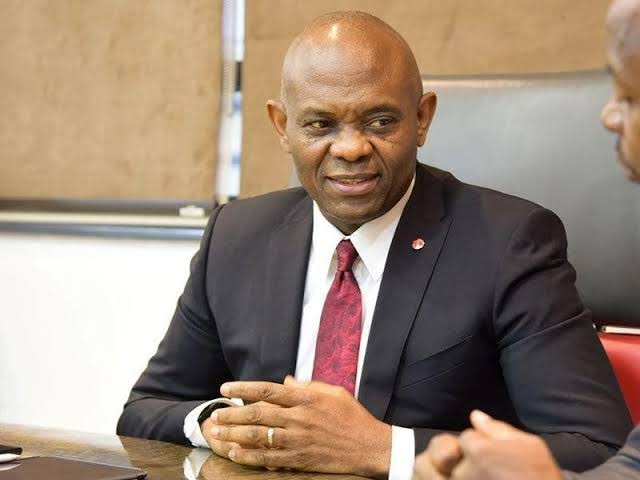
Tony Elumelu has become one of the most recognisable Nigerian businessmen supporting young African entrepreneurs through the Tony Elumelu Foundation. Established in 2010, the foundation launched its flagship entrepreneurship programme in 2015 to identify promising business owners, provide training and mentorship, and support selected entrepreneurs with startup capital. Its funding arrangement is particularly attractive because successful applicants receive $5,000 in non refundable seed capital, meaning the grant is not structured as a conventional loan that beneficiaries must repay. The programme also provides business management training, mentorship, networking opportunities and access to resources intended to help entrepreneurs build sustainable businesses.
The 2026 application cycle opened on January 6, 2026, inviting entrepreneurs from all 54 African countries, including Nigeria, to submit their business ideas and applications. The foundation subsequently announced 3,200 selected entrepreneurs on March 24, 2026, following more than 265,000 applications received across the continent. Each selected entrepreneur was awarded $5,000 alongside access to training and mentorship, while the foundation disclosed plans to deploy $16 million through its entrepreneurship programmes during 2026. Women accounted for 51 per cent of the selected cohort, while 75 per cent were between 18 and 35 years old. Another 30 per cent came from rural communities, and 13 selected entrepreneurs were reported to be living with disabilities.
The successful businesses represented different sectors, including agriculture, artificial intelligence, healthcare, financial technology and the green economy. This makes the programme relevant to entrepreneurs whose ideas address practical challenges in their communities, rather than only businesses operating in technology or other fashionable industries. Applicants are expected to demonstrate an understanding of their proposed businesses, identify their target markets and explain how their products or services can generate income. The 2026 selection has already been completed, so Nigerians interested in the next opportunity should monitor the foundation’s official TEFConnect platform for subsequent application announcements. The $5,000 grant remains one of the clearest examples of a billionaire backed initiative offering direct financial assistance to selected African business owners.
Folorunso Alakija’s ₦300 Million Business Grants


Folorunso Alakija is another Nigerian billionaire whose philanthropic activities have created opportunities for women seeking financial independence and business growth. Through Flourish Africa, she supports female entrepreneurs with business training, mentorship and grants designed to help them establish or expand their businesses. The initiative addresses the financial difficulties that often prevent women from turning small enterprises into sustainable businesses, particularly where access to conventional financing is limited. Its approach combines practical training with competitive business assessments, allowing participants to develop their business plans before the final grant beneficiaries are selected.
The programme initially operated with a grant structure that provided up to ₦2 million to selected entrepreneurs, while its annual allocation was subsequently increased from ₦200 million to ₦300 million. Under the revised arrangement, successful beneficiaries can receive up to ₦3 million each. The foundation’s programme structure includes training for at least 500 female entrepreneurs annually, with the strongest participants progressing through further assessments and business presentations. This process gives the organisers an opportunity to examine the viability of each business, its potential for growth and the entrepreneur’s understanding of the market before deciding who receives financial support.
A significant development occurred in February 2026, when Flourish Africa announced 100 female owned businesses as beneficiaries of its fourth grant programme. Each selected business received ₦3 million, bringing the total grant distribution to ₦300 million. The selection process involved 506 women participating in business training, 409 submitting formal business plans and 200 advancing to the business pitch stage before the final 100 beneficiaries emerged. The programme’s eligibility requirements include being female, being between 18 and 50 years old and operating a business in Nigeria. Applicants also need access to internet enabled devices for virtual training, while businesses jointly owned with men must have at least 51 per cent female ownership under the stated conditions.
Flourish Africa is particularly relevant to women operating businesses in fashion, food production, agriculture, retail, manufacturing and other commercial sectors. The foundation’s support goes beyond transferring money, as the training and mentorship are intended to improve business management and help beneficiaries make better use of their funding. Its fourth grant cycle has already been completed, meaning prospective applicants should look out for the next programme announcement instead of assuming that the ₦3 million grant is currently available. Alakija also established the Rose of Sharon Foundation, which provides a different form of assistance to widows, their children and orphans through scholarships, vocational training, business empowerment and interest free loans.
The Rose of Sharon Foundation’s educational intervention, known as the Bridge of Hope Educational Programme, supports access to primary, secondary and tertiary education. Its activities also include assistance for widows seeking to establish or strengthen small businesses, particularly through financial support that does not carry conventional interest charges. The foundation reports that its interventions have directly impacted more than 4,262 widows, while scholarships have been awarded to 1,971 children of widows and 322 orphans. These programmes make Alakija’s philanthropic work relevant to both female business owners and families facing educational and financial difficulties.
Jim Ovia’s University Scholarship Programme


Jim Ovia, the founder of Zenith Bank, established the Jim Ovia Foundation to promote educational development and provide opportunities for young Nigerians. Its scholarship programme is designed to assist academically qualified students who have gained admission into Nigerian universities but require financial support to continue their education. Unlike business grants that require applicants to demonstrate commercial potential, this intervention focuses on academic qualifications and admission status. It is particularly relevant to young people from financially disadvantaged backgrounds who have the ability to pursue university education but face difficulties meeting the associated costs.
The foundation’s published 2026 application requirements state that applicants must have completed senior secondary school and gained admission into a Nigerian federal or state university. They must provide proof of admission, possess at least 5 O’Level credits and be at least 16 years old. The scholarship does not restrict applicants to particular courses or programmes of study, allowing students in different academic disciplines to be considered. Supporting documents must be submitted clearly, and applicants are advised to follow the instructions provided by the foundation rather than rely on unofficial application agents.
The foundation has also issued important warnings concerning its application process, particularly the use of intermediaries who demand money from students. Applications are free, and paying an agent does not guarantee selection. Multiple applications can lead to disqualification, while forged documents can also result in an applicant being rejected. The foundation’s website indicated that the 2026 scholarship cycle would be opening soon, making it an opportunity worth monitoring for students who have recently secured admission or are preparing to enter university. The exact award amount and number of new beneficiaries should be confirmed through the foundation’s current application announcement rather than assumed from previous scholarship reports.
Abdul Samad Rabiu’s $100 Million Annual Philanthropic Commitment


Abdul Samad Rabiu, the founder of BUA Group, established ASR Africa as a philanthropic initiative focused on addressing development challenges across Nigeria and other African countries. The organisation operates through an annual philanthropic commitment of $100 million, with $50 million allocated to Nigeria and another $50 million dedicated to other African countries. Its major intervention areas include education, healthcare and social development, making its activities relevant to universities, healthcare institutions, communities and organisations working on development projects. The funding structure is different from individual scholarship programmes because much of the assistance is directed towards institutions and organisations rather than unrestricted payments to individual applicants.
ASR Africa operates grant schemes through which eligible organisations can submit proposals for projects that address identified development needs. Potential applicants include government institutions, non governmental organisations, private organisations and other qualifying bodies involved in education, healthcare or social development. The application process involves registering on the organisation’s platform, providing relevant documentation and submitting a proposal for assessment. Successful applicants may receive funding after approval and the completion of necessary checks, while the organisation monitors project implementation and progress. Universities and other institutions can therefore benefit from funding for facilities, infrastructure and development projects that improve services for their communities.
Its Tertiary Education Grants Scheme has supported Nigerian universities through substantial institutional interventions, including previous ₦1 billion grants to 6 universities. The beneficiaries included the University of Ibadan, University of Benin, University of Ilorin, Ahmadu Bello University, University of Nigeria, Nsukka, and University of Maiduguri. Another development was announced on November 5, 2026, when ASR Africa disclosed a ₦250 million donation towards an administrative building at the College of Health Sciences, Usmanu Danfodiyo University, Sokoto. The intervention formed part of the organisation’s wider tertiary education support activities. University students may benefit through improved learning facilities and institutional development, although anyone seeking personal tuition assistance should distinguish these grants from direct undergraduate scholarships.
Sir Emeka Offor’s Scholarships, Skills Development

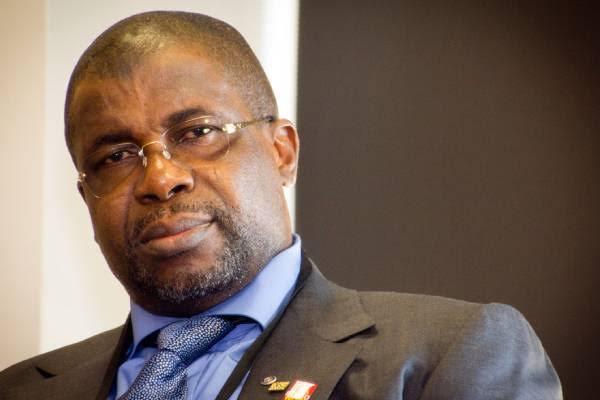
Executive Chairman of the Chrome Group, Sir Emeka Offor established the Sir Emeka Offor Foundation to support education, healthcare, human capacity development and disadvantaged communities. Its educational interventions include university scholarships for academically gifted students from economically disadvantaged backgrounds. The foundation reports that it has awarded more than 120 university scholarships, providing opportunities for students who may otherwise struggle to complete their studies because of financial difficulties. Its support also includes an unusual incentive for outstanding academic performance, as students who graduate first in their class are eligible to receive a car and an offer of full time employment within the Chrome Group of Companies.
The foundation’s activities extend beyond university tuition support, covering school infrastructure, youth empowerment, vocational training and other community development projects. Its human capacity development objectives also identify skills acquisition and small and medium sized enterprise development as important areas of intervention. This gives its activities relevance to young Nigerians who want to acquire practical skills and improve their chances of securing employment or establishing businesses. The foundation has documented its scholarship and empowerment work, although a current nationwide application window and fixed scholarship amount should be confirmed directly before prospective applicants are advised to submit applications.
Deji Adeleke: Scholarships Worth Millions for Disadvantaged Nigerian Students


Dr Deji Adeleke, father of Nigerian singer Davido, is another wealthy Nigerian businessman supporting education through the Springtime Development Foundation (SDF), which he established in 1996. The foundation provides scholarships and educational assistance to financially disadvantaged Nigerians, with its programme covering students in universities, polytechnics, colleges, secondary schools and other post secondary institutions. Its scholarship scheme is not restricted to Adeleke University, the private institution established by Adeleke in Ede, Osun State, in 2011. Applicants are required to submit a handwritten application letter, 4 coloured passport photographs, a recommendation letter, birth certificate or declaration of age, WASCE or NECO results and a photocopy of their school identity card. Applications are free, while shortlisted candidates may undergo an aptitude test and oral examination before selection.
A significant example of the foundation’s financial commitment emerged in September 2025, when 10 students from Ayedaade, Irewole and Isokan Federal Constituency in Osun State were selected for scholarships after scoring at least 250 in the 2025 Unified Tertiary Matriculation Examination. More than 60 students who met the examination score requirement participated in the screening process, with 10 eventually selected as beneficiaries. Each successful candidate was reported to receive a scholarship worth ₦15 million. Adeleke’s educational support also extends to his university, where Osun State Governor Ademola Adeleke disclosed during its July 2024 convocation activities that approximately 70 per cent of students were receiving scholarships. The foundation’s published scholarship information provides application guidance, although prospective applicants should confirm the current 2026 intake, available slots and award arrangements directly before applying.
Mike Adenuga: Reported $20.5 Million Annual Scholarship Funding for Students


Mike Adenuga, founder of Globacom and Conoil, is associated with the Mike Adenuga Foundation, which supports educational development, healthcare and community welfare. His philanthropic activities have reportedly included scholarship assistance for female students pursuing undergraduate, master’s and doctoral degrees in Nigeria and other countries. Reports published in 2023 and 2024 attributed an annual scholarship allocation of approximately $20.5 million to the foundation, with beneficiaries reportedly studying in countries including the United States, United Kingdom, Canada, Australia, China, Japan and India.
The reported intervention is particularly significant because it extends beyond undergraduate education to postgraduate studies, creating opportunities for students seeking advanced academic qualifications. The foundation’s wider philanthropic activities have also included support for cultural education through the Mike Adenuga Centre in Lagos, which opened in 2019 to promote French language learning and cultural exchange.
Femi Otedola: ₦750 Million Student Scholarships, ₦4 Billion University Project


Femi Otedola has supported Nigerian education through scholarship donations, direct student assistance and investments in university infrastructure. One of his significant contributions dates back to 2005, when he donated ₦200 million to the Sir Michael Otedola Scholarship Scheme, established by his father in 1987 to support academically outstanding but financially disadvantaged students. The scheme has reportedly assisted more than 1,000 students from Lagos State.
On October 30, 2023, Otedola announced another major intervention at Augustine University’s fifth convocation ceremony, donating ₦750 million to cover the tuition fees of 750 fresh and returning students for the 2023/2024 academic session, with each beneficiary receiving ₦1 million. He also provided ₦140 million for furnishing the university’s Faculty of Engineering building and ₦110 million for campus streetlights and a standby generator.
On October 30, 2025, during the institution’s seventh convocation and 10th anniversary celebration, he announced a further ₦4 billion commitment towards a new Electrical and Electronics Engineering building. At the same ceremony, he gave ₦10 million to a physically challenged graduating student, Emmanuel Opeoluwa, from the Department of Philosophy. These interventions demonstrate his involvement in both direct student assistance and long term university development.
Programmes Nigerians Can Benefit From
The different initiatives provide opportunities for people with varying financial needs, although their application arrangements and target beneficiaries are not the same. University students can monitor the Dangote and Jim Ovia scholarship announcements, while female entrepreneurs can follow Flourish Africa for its next grant cycle. Business owners seeking startup capital can prepare for the next Tony Elumelu Foundation programme, which has already demonstrated its ability to distribute thousands of grants across Africa. Widows and vulnerable families can also explore the Rose of Sharon Foundation’s educational and business empowerment interventions, while qualifying organisations can examine ASR Africa’s institutional grant schemes.
The application requirements also vary according to the purpose of each programme. Students should prepare their admission letters, academic records, O’Level results, identification documents and any evidence of financial need requested by the relevant foundation. Entrepreneurs should have a clear business proposal, details of their products or services, information about their target customers and a realistic explanation of how additional funding will be used. Business registration documents and financial records may also be useful where required. These preparations can help applicants respond properly when an application window opens, although each foundation’s published instructions remain the final guide to its requirements.
The financial assistance offered by these organisations also comes with different expectations. A scholarship applicant is generally assessed on academic qualifications, admission status and other stated eligibility conditions, while a business grant applicant may need to demonstrate commercial viability, market demand and the ability to manage funding. Institutional grants require a different approach, as organisations may have to submit project proposals, budgets, implementation plans and supporting documentation. Applicants should also be careful with individuals promising guaranteed scholarships or grants in exchange for payments, particularly where the foundation has clearly stated that its application process is free.
The growing number of billionaire funded initiatives shows how private foundations are becoming an important part of Nigeria’s education and business support landscape. Dangote’s ₦100 billion annual education commitment, Elumelu’s $5,000 entrepreneurship grants, Alakija’s ₦300 million Flourish Africa distribution and Rabiu’s $100 million annual philanthropic commitment represent different approaches to addressing financial barriers. Their beneficiaries range from university students and female entrepreneurs to widows, young business owners, universities and development organisations.
For Nigerians searching for financial assistance, the most useful step is to identify the programme that matches their circumstances and follow its official announcements. Some opportunities have already completed their 2026 selection processes, others have announced upcoming application arrangements, while institutional funding operates through proposals rather than individual applications. Understanding these differences can help students, entrepreneurs and vulnerable families identify genuine opportunities, prepare the necessary documents and avoid losing money to fraudulent agents claiming to have access to billionaire funded scholarships and grants.