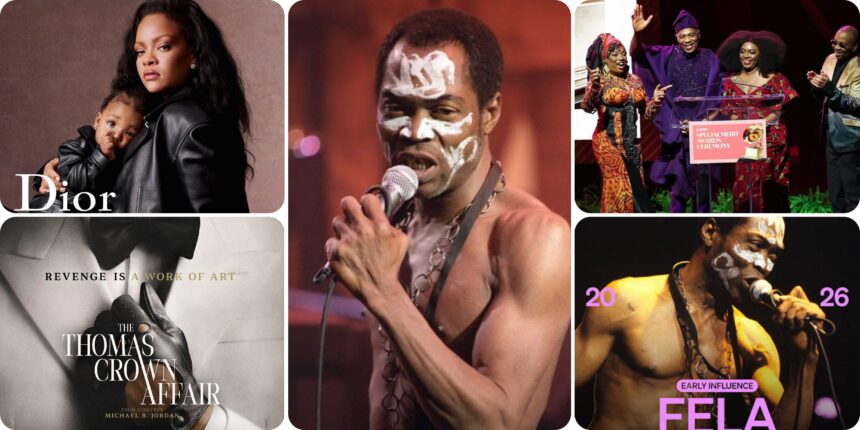
There are legacies that time struggles to contain. Long after the voices behind them have gone silent, their influence continues to find new spaces, reaching people and places they may never have imagined. For some artists, recognition comes in the form of awards, while for others, it is reflected in the continued relevance of their work. But every once in a while, something happens that reminds the world of the lasting impact of a particular name.
For Nigerian music legend Fela Anikulapo-Kuti, 2026 has been one of those remarkable years, with his name and music finding their way into some of the biggest international platforms.
1. Fela Kuti receives Grammy Lifetime Achievement Award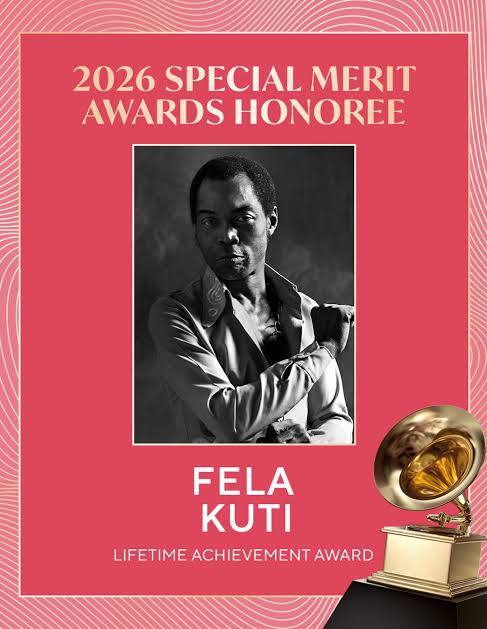

Nearly three decades after his death, Fela Kuti received one of the music industry’s most prestigious honours when the Recording Academy posthumously presented him with the Grammy Lifetime Achievement Award.
The recognition was announced by the Recording Academy on December 19, 2025, as part of the recipients selected for its 2026 Special Merit Awards. Fela was honoured alongside music greats including Chaka Khan, Cher, Carlos Santana, Paul Simon and Whitney Houston.
The award ceremony took place on Saturday, January 31, 2026, at the Wilshire Ebell Theatre in Los Angeles, California, during Grammy Week.
Fela’s children, Yeni, Femi, Kunle and Shalewa Kuti, attended the ceremony and accepted the award on his behalf.

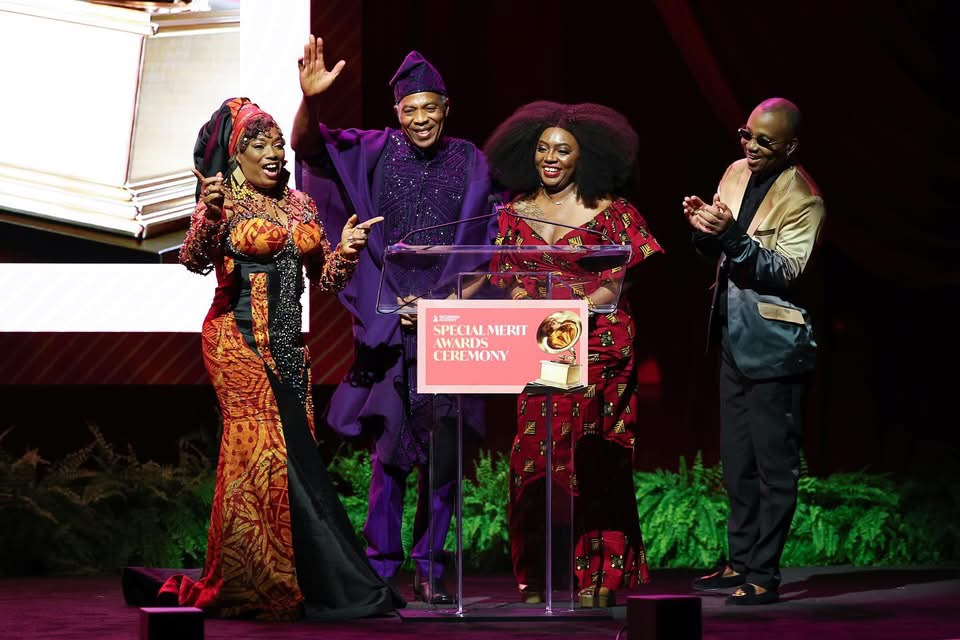
The recognition was particularly significant because Fela became the first African to receive the Recording Academy’s Lifetime Achievement Award.
The honour acknowledged his contributions to recorded music and his lasting influence on generations of musicians. Reacting to the recognition, his son, Seun Kuti, described it as an important moment for his father’s legacy.
Speaking to the BBC ahead of the ceremony, he said: “Fela has been in the hearts of the people for such a long time. Now the Grammys have acknowledged it, and it’s a double victory.” He added that the recognition was “bringing balance to a Fela story”.
For a musician whose work was often met with resistance from authorities during his lifetime, the Grammy recognition marked a significant moment in the international celebration of his contribution to music.
2. Another historic honour as Fela joins the Rock & Roll Hall of Fame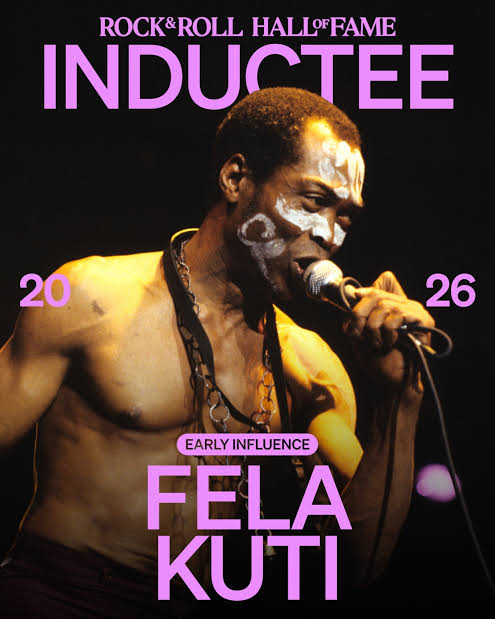

Fela’s Grammy recognition was not the only major institutional honour he received in 2026. On April 13, the Rock & Roll Hall of Fame announced its 2026 inductees, with the Nigerian music legend named among the recipients of its Early Influence Award.
The category recognises musicians whose work and performance styles have directly influenced, inspired and helped shape the development of rock and other forms of music.
Fela was inducted alongside other influential figures, including Celia Cruz, Queen Latifah, MC Lyte and Gram Parsons. The official induction ceremony took place on Saturday, November 14, at the Peacock Theatre in Los Angeles, California.

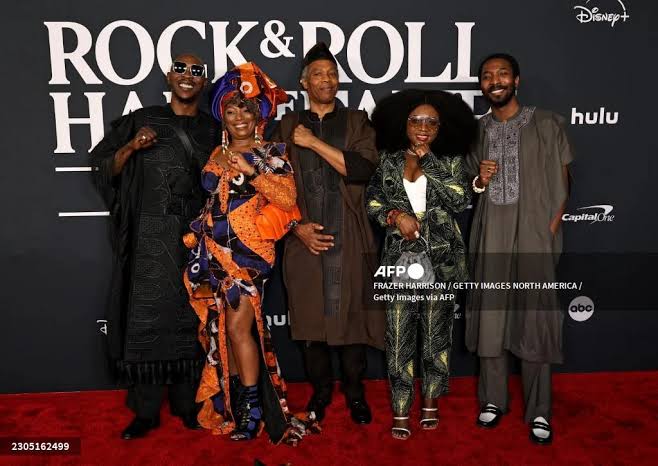
Fela’s children and other members of his family attended to represent him. His induction placed him among an international group of music figures whose contributions have shaped different generations and genres.
According to the Rock & Roll Hall of Fame, Fela was a revolutionary voice who spoke against injustice through his innovative music, provoking political change while blending jazz, West African and soul influences to pioneer Afrobeat. The institution also quoted the musician reflecting on his artistic philosophy: “As an artist, the whole idea about your environment must be represented in music.” He further explained his belief in the role of music in society, saying: “So, I think, as far as Africa is concerned … music has to be for revolution.”
The induction was another major acknowledgement of how Fela’s music went beyond entertainment to influence culture, politics and the development of music around the world. It also made him the first African-born solo artist inducted into the Rock & Roll Hall of Fame.
3. Michael B. Jordan brings Fela’s ‘Gentleman’ to Hollywood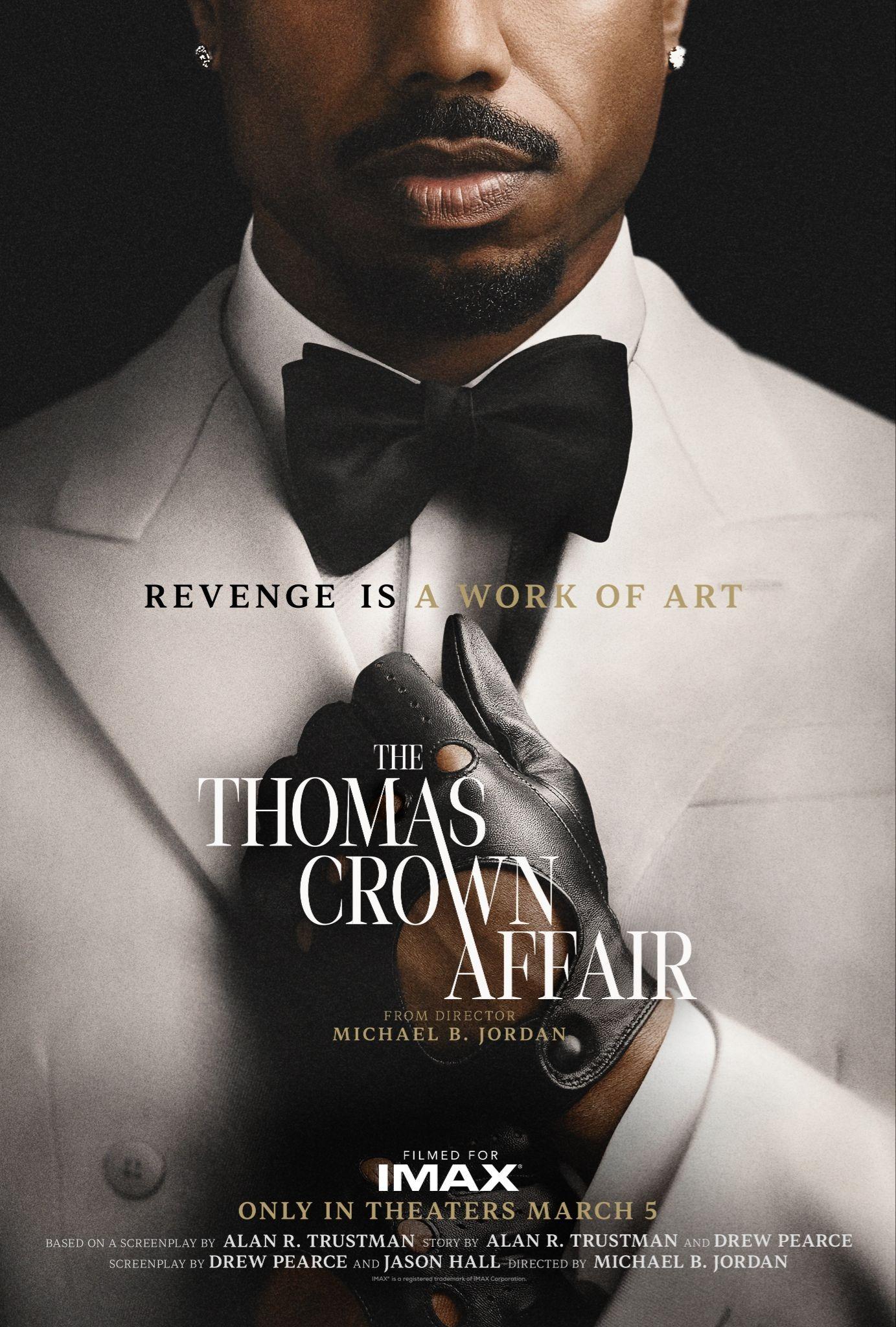

Beyond receiving major honours from international music institutions, Fela’s catalogue also found its way into Hollywood in November. On November 13, 2026, the official trailer for The Thomas Crown Affair, starring Hollywood actor Michael B. Jordan, was unveiled, featuring Fela’s 1973 classic, ‘Gentleman’.
The song provided the musical backdrop for scenes in the upcoming heist thriller, introducing the Afrobeat legend’s sound to another international audience. Jordan directs, produces and stars in the film, playing the title character, Thomas Crown, a billionaire art thief. The cast also includes Adria Arjona, Kenneth Branagh, Lily Gladstone, Danai Gurira and Pilou Asbæk. The film, produced by Amazon MGM Studios, is scheduled to arrive in cinemas worldwide on March 5, 2027.
Originally released in 1973 as the title track of Fela’s album Gentleman, the song remains one of his recognised recordings. In it, Fela challenges the tendency among some Africans to imitate Western lifestyles and abandon aspects of their own cultural identity. The song questions what it means to be a gentleman, particularly when the standards used to define one are shaped by colonial ideas and Western expectations.
Its inclusion in a major Hollywood production more than five decades after its release gives the song another opportunity to reach audiences beyond the generation that first encountered it. It also places Fela’s distinctive sound in a contemporary film production led by one of Hollywood’s prominent actors and filmmakers.
4. Rihanna brings Fela’s ‘Lady’ to Dior campaign with her daughter

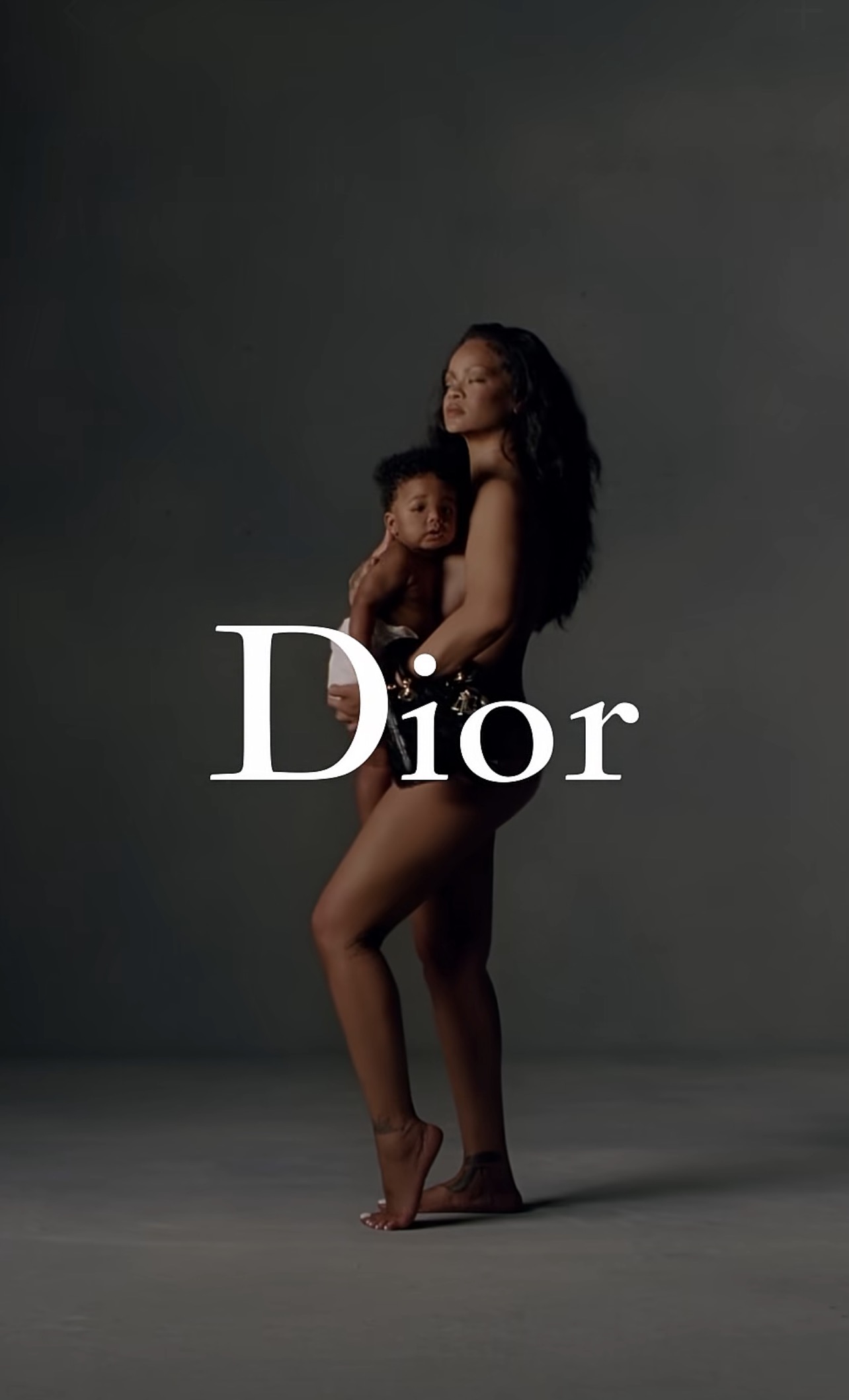
Just days after ‘Gentleman’ found its way into Hollywood, another Fela Kuti classic received international attention through the fashion industry. On Thursday, November 19, 2026, global music star Rihanna unveiled Dior’s 2027 Lady Dior campaign, featuring her daughter, Rocki Irish Mayers, with Fela’s 1972 song ‘Lady’ serving as the campaign’s soundtrack.
The campaign features intimate images and moving visuals of Rihanna and her daughter, placing their relationship at the centre of the fashion house’s presentation. Photographer Sam Rock shot the campaign, while filmmaker Melina Matsoukas directed the accompanying film. Dior’s creative director, Jonathan Anderson, oversaw its creative direction.
For Fela, the campaign marks another international use of his music in a major production, this time by one of the world’s most recognisable luxury fashion houses. ‘Lady’ was originally released in 1972 as part of his album Shakara. The song explores questions surrounding identity, gender roles and the expectations placed on African women, particularly in relation to Western ideas of womanhood.
Its appearance in a campaign starring Rihanna, one of the world’s most influential entertainers and fashion figures, brings the song into a different cultural setting more than five decades after its release. It is also notable that the song shares its title with the Lady Dior campaign and handbag, making the choice an interesting connection between Fela’s catalogue and the fashion house’s branding.
Why Fela’s music continues to resonate across generations
While the Grammy and Rock & Roll Hall of Fame honours recognise Fela’s contribution to music history, the appearances of ‘Gentleman’ and ‘Lady’ in Hollywood and Dior productions show another side of his enduring influence.
Fela died on August 2, 1997, at the age of 58, but his music has continued to find new audiences long after his death. Born in Abeokuta in 1938, he pioneered Afrobeat by bringing together elements of traditional Nigerian music, highlife, jazz, funk, salsa and other influences.
However, his contribution went beyond creating a distinctive sound. He used his music to address corruption, military rule, inequality, colonial mentality and social injustice. Songs such as ‘Zombie’, ‘Sorrow, Tears and Blood’, ‘Water No Get Enemy’ and ‘Gentleman’ reflected his views about society and the political realities of his time.
His outspoken approach often brought him into conflict with successive Nigerian military governments, but it also helped establish him as one of Africa’s most influential musical and political voices.
The Recording Academy has also acknowledged his influence on international artists, including Beyoncé, Paul McCartney and Thom Yorke, while recognising his role in shaping modern Nigerian Afrobeats. His legacy has also been carried forward by his children, including Femi Kuti and Seun Kuti, who continue to perform and promote Afrobeat through their respective musical careers.
Nearly 30 years after his death, Fela’s work remains relevant to conversations about music, culture and society.
Conclusion
Some artists leave behind songs, while others leave behind an entire movement. The passage of time may change the way people listen, dress, communicate and experience music, but certain works continue to hold their place regardless of the era. And perhaps that is one of the most interesting things about Fela Kuti’s legacy: the world is still finding new ways to engage with it.