


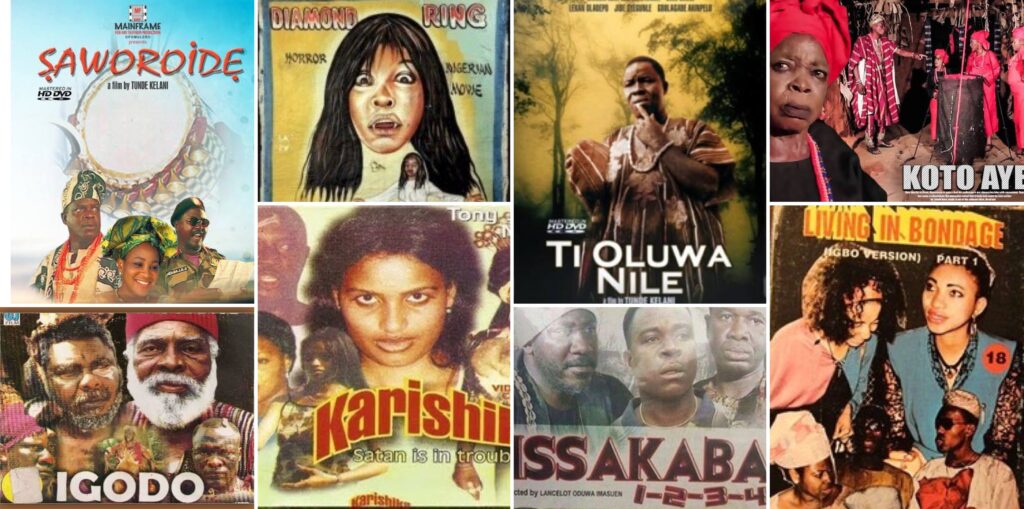
Let’s not lie—some of us are still more excited to watch an old Nollywood movie from the 90s than the latest Netflix original. The audio may be off, the camera may shake, and the video might have “Part 1 of 4” in big fonts—but we love it!
Even in 2025, people are still watching, quoting, and celebrating the magic of old Nollywood. Yoruba, Hausa, Igbo, and English-language classics each had their own unique flavor—but one thing they all had in common? They stuck with us.
Here’s why these movies still have a cult following:
1. Relatable Stories That Spoke to Us All

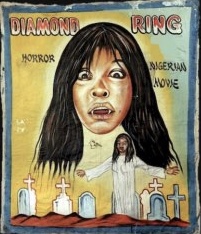
Igbo classics like Living in Bondage, Nneka the Pretty Serpent, and Oracle gave us deep stories about greed, consequences, and the spiritual side of life. Yoruba films like Ti Oluwa Ni Ile, Saworoide, and Koto Orun brought culture, tradition, and moral values to the screen with powerful proverbs and bold characters. And of course, the English films like Domitilla, Diamond Ring, and Blood Money gave us drama for days!
2. Legendary Actors That Carried Every Scene

And let’s not forget the English-language stars who blended across cultures: Pete Edochie, Liz Benson, Saint Obi, Ramsey Nouah, and Kanayo O. Kanayo of course, arguably the king of sacrificial roles.
3. Cultural and Spiritual Realness
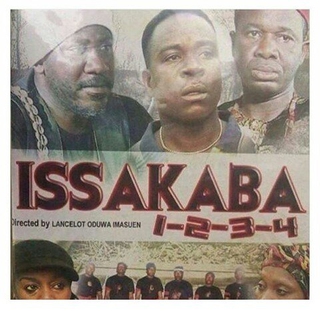

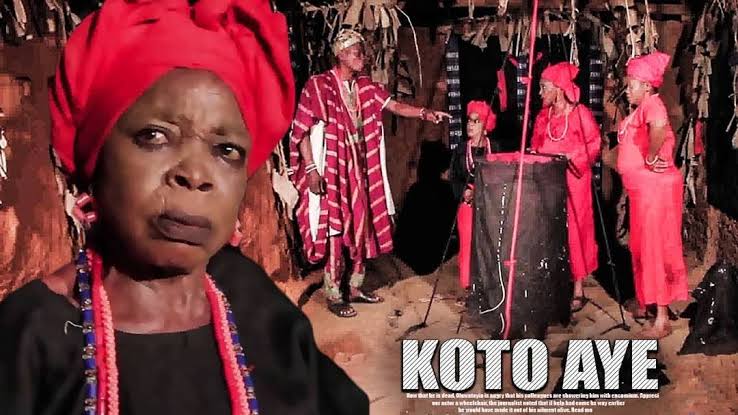
Yoruba films like Ajani Ogun, Koto Aiye, and Aje Ni Iya Mi were loaded with traditional beliefs and lessons. You’d hear prayers, chants, and chants in deep Yoruba, with scenes of village meetings and spiritual warfare. Same with Igbo films like Issakaba, Evil Forest, and Igodo—action-packed with heavy cultural undertones.
4. Language, Proverbs, Costume and Village Vibe
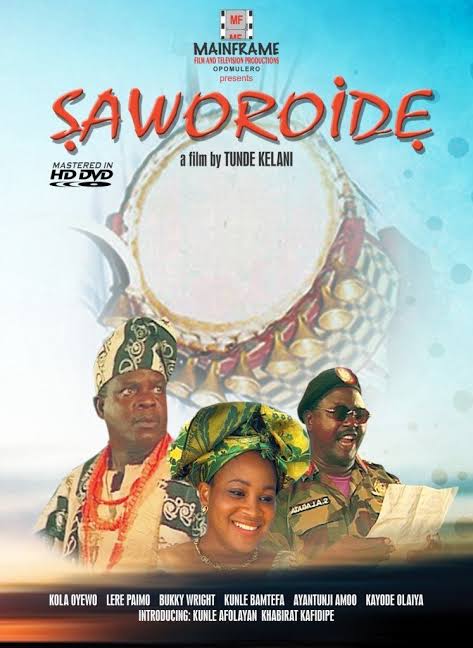

You can’t talk about 90s Nollywood without mentioning the language! These films were proudly rooted in their culture.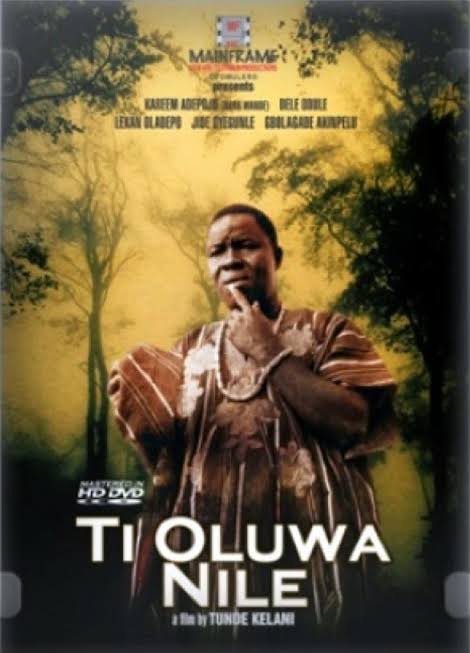

In Yoruba movies, proverbs ruled every conversation. You hear proverbs like, “Ti ewe ba pe lara ose a dose” (If a leaf is bonded with soap for long, it will become soap).
Igbo films also came with deep Igbo dialogues, spiritual incantations, and wise sayings. Imagine Pete Edochie in his rich voice saying “Onye wetere mmanụ, ya bialu k’ojuo ya n’ala.” (Let the one who brought palm oil rub it on the ground).
And even the English-speaking films were soaked in Nigerian pidgin and local expressions, making it feel like home, no matter where you were watching from.
5. Community Watching: The Golden Era of Home Videos
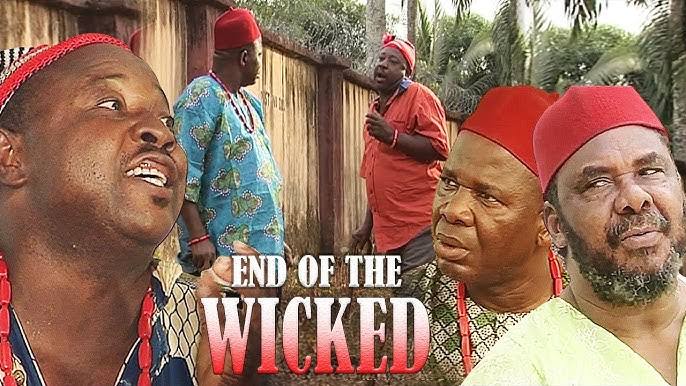

Whether you were Igbo, Yoruba, Hausa, or from anywhere else in Nigeria, those family movie nights bonded us. Everyone in the house had an opinion during the movie—“This woman too like money!” or “That juju go catch him last last!”. What of the “To God be the glory” ending almost every single movie had? It was fun to predict that was the end.
6. They Represented Us

The Igbo films showed ancestral pride and wealth gone wrong. Yoruba films highlighted tradition, respect, and community. English-language dramas tackled modern life, relationships, and ambition. Together, they gave us a full picture of who we are.
On a final note, 90s and early 2000s gave us the soul of Nollywood. Yes, the sound sometimes echoed like a church hall, and yes, the visual effects were “creative”. But the heart? 100%. These films were raw, bold, and unforgettable.
So when someone says they’d rather watch Ti Oluwa Ni Ile, Igodo, Ori, Diamond Ring or Living in Bondage again instead of the latest cinema blockbuster, it’s not just nostalgia—it’s because those movies made us feel something.
They made us think, laugh, pray, fear, and most importantly, remember who we are.
“To God Be the Glory”