


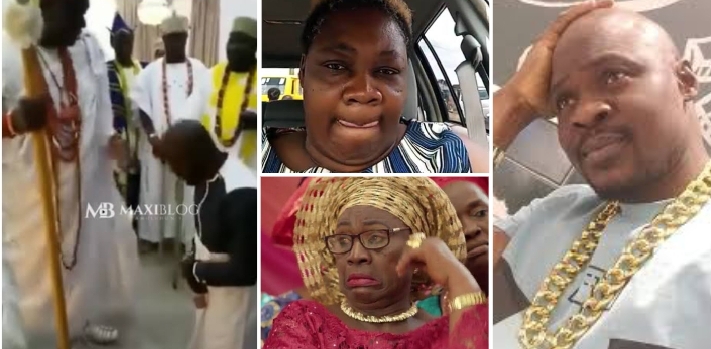
Three years after Nigeria watched a teary Princess drag the darkest corners of Nollywood into public view, the silence was broken again. On June 24, 2025, a new revelation—one involving a monarch, a convicted actor, and a revered veteran—reignited fury.
But this time, it wasn’t just about Baba Ijesha. It was about who stood with him. And why.
This article presents a full, neutral analysis of the events that unfolded before and after Baba Ijesha’s palace appearance, placing it in the broader context of justice, public perception, celebrity influence, and cultural authority in contemporary Nigeria.
CASE ORIGINS: HOW THE 2021 BABA IJESHA CASE SHOOK NOLLYWOOD

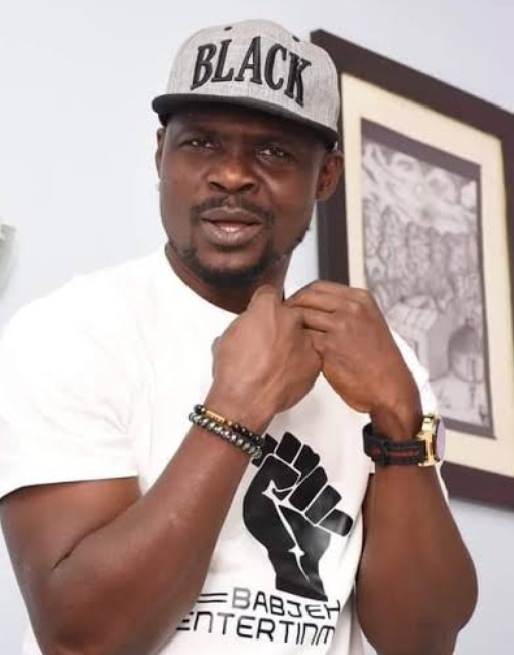
The controversy traces back to April 2021, when veteran comic actor Baba Ijesha (Olanrewaju Omiyinka) was arrested by Lagos State Police for sexually molesting a 14-year-old minor who was under the foster care of comedienne Princess (Damilola Adekoya).
Key facts:
- The abuse had allegedly occurred years earlier, but was uncovered after the child showed signs of trauma.
- Princess set up a CCTV sting operation in her home, which recorded Baba Ijesha attempting to molest the same child.
- The video footage was submitted to police and also leaked, triggering national outrage.
Legal outcome:
- In July 2022, the Ikeja Sexual Offences and Domestic Violence Court sentenced Baba Ijesha to 16 years imprisonment.
- He was found guilty of indecent treatment of a child, sexual assault, and attempted sexual assault by penetration.
This case marked a cultural turning point:
- It was one of the first high-profile molestation cases in Nigeria backed by digital evidence.
- It triggered conversations around celebrity impunity, child rights, and police handling of sexual offence.
PRINCESS AND THE WEIGHT OF PUBLIC CONDEMNATION

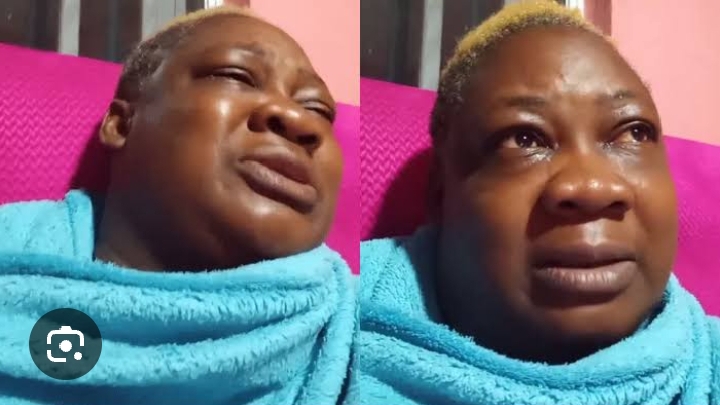
From 2021 to 2022, Princess became not only a complainant but also a reluctant symbol of advocacy for child protection in entertainment.
But the personal cost was enormous:
- She faced online harassment, gaslighting by colleagues, and public criticism for “making the case public.”
- Princess lost endorsement deals and slowed down her comedy skits in 2022–2023, citing emotional burnout.
While she fought the legal battle, many of her senior colleagues distanced themselves—or worse, urged her to “forgive and move on.”
IYA RAINBOW’S CONTROVERSIAL INTERVENTION IN 2021

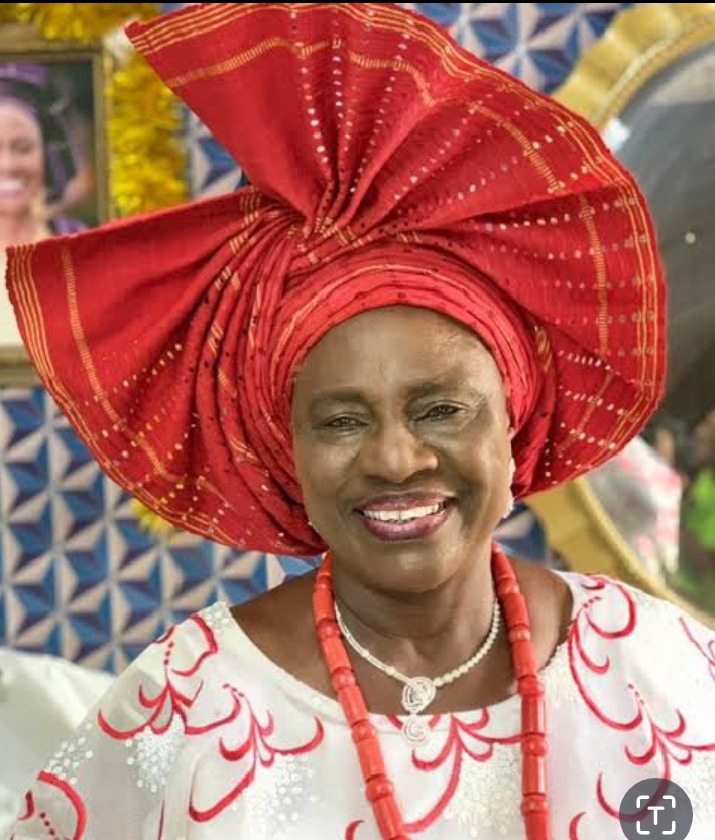
One of the most controversial figures during the trial period was veteran actress Iya Rainbow (Idowu Philips).
In late 2021, she gave an interview to BBC Yoruba in which she stated:
“We tried to beg Princess… several elders in the industry pleaded, but she did not listen. She is stubborn.”
Public reaction:
- Many saw her statements as an attempt to pressurize Princess into dropping the case.
- It reignited an age-old divide in Nollywood: younger actors seeking legal reform vs older veterans prioritizing internal resolution.
Iya Rainbow defended her role as that of a peace-maker, but the damage was done. Princess went on to publicly criticize her in interviews, accusing her of “protecting a molester.”
The two never reconciled.
BABA IJESHA’S DISAPPEARANCE AND 2025 VIDEO RESURFACING
After his sentencing in 2022, Baba Ijesha disappeared from public view.
Between 2023 and early 2025:
There were no public updates on his incarceration.
Journalists who attempted to trace his prison status got no clear responses from Lagos State Ministry of Justice.
Then, in June 2025, a video surfaced showing Baba Ijesha in the Ooni of Ife’s palace:
He was dressed in traditional white attire, surrounded by palace guards.
He bowed before the monarch and was addressed with ceremonial respect.

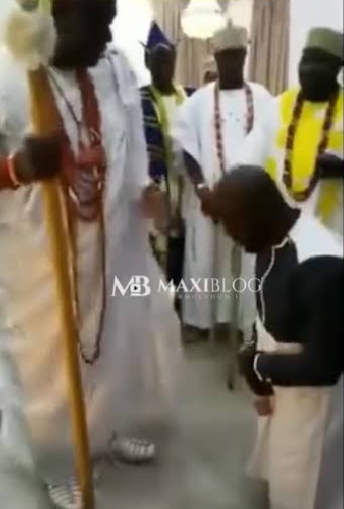
The video was first uploaded by a little-known culture blog, then reposted by influencer @asakyGRN, who tagged Princess with the caption:
“Forgiveness dey palace o. Your enemies are free.”
PRINCESS RESPONDS: PUBLIC ACCUSATION AGAINST IYA RAINBOW
Hours after the video went viral, Princess released an emotional video via her verified Instagram and X (Twitter) account.
She accused Iya Rainbow of:
- Being responsible for Baba Ijesha’s “freedom.”
- Taking him to the Ooni’s palace in what she called a mockery of justice.
- Undermining everything she had fought for.
In her words:
“She took him to the Ooni. The same woman who begged me to drop the case now led him to a palace? What message does that send to survivors?”
Though visibly emotional, Princess maintained a firm tone. She did not call for violence but demanded public accountability.
WHERE IS BABA IJESHA? LEGAL STATUS STILL UNCLEAR
This is where the situation becomes legally and ethically murky.
As of late June 2025:
There is no official documentation confirming Baba Ijesha’s release.
The Lagos State Judiciary and Kirikiri Correctional Centre have not published a formal statement.
Implication:
- If Baba Ijesha has been released without public notice, it raises serious concerns about transparency in sexual offence sentencing.
- If the palace visit occurred during prison leave or conditional release, it still sends a cultural message of rehabilitation and reintegration, which contradicts the court’s moral judgment.
WHAT ROLE DID IYA RAINBOW REALLY PLAY?
Princess’s allegations place Iya Rainbow at the centre of this firestorm again. But as of June 26, 2025:
Iya Rainbow has issued no statement.
Neither her publicist nor the Theatre Arts and Motion Pictures Practitioners Association of Nigeria (TAMPAN) has addressed the renewed accusations.
Palace sources from the Ooni’s camp have refused to comment publicly.
Analysis:
- Princess believes Iya Rainbow facilitated the visit, possibly using industry influence or direct palace connections.
- Observers note that Iya Rainbow has previously participated in royal events in Ile-Ife and is considered a Yoruba cultural ambassador.
However, without concrete evidence, the accusations remain allegations—though they carry emotional weight given the history.
THE OONI’S PALACE: POWER, SYMBOLISM, AND SILENCE
Why does a palace visit matter this much?
In Yoruba culture:
- The Ooni of Ife is not merely a traditional ruler—he represents ancestral legitimacy and moral leadership.
- A public visit to the palace symbolizes cleansing, forgiveness, and social reacceptance.
So when Baba Ijesha appeared before the Ooni:
- It was not seen as neutral hospitality.
- It visually and culturally suggested acceptance, even possible absolution.
- This is what Princess was reacting to—not just the freedom, but the symbolism of redemption given to a convicted sex offender.
- The Ooni’s camp has made no official denial or clarification. That silence, in the court of public opinion, has been deafening.
THE SOCIAL MEDIA FALLOUT: NIGERIA DIVIDED AGAIN
Following Princess’s video, Nigerians took sides online:
Outrage:
- Many condemned the palace’s silence and questioned Iya Rainbow’s morality.
- Feminist groups like Stand to End Rape (STER) and Mirabel Centre reposted Princess’s video with support.
Defensiveness:
- Others argued that “everyone deserves a second chance.”
- Some accused Princess of dragging royal institutions into “civil disputes.”
WHAT MUST HAPPEN NOW
1. Clarity from Authorities
The Nigerian Correctional Service must explain the terms of Baba Ijesha’s release. If he was freed legally, the process must be shared publicly.
2. Statement from the Palace
If the Ooni did meet Baba Ijesha, the palace must clarify the context—spiritual counsel, private visit, or public appearance—and explain its position on public morality.
3. Response from Iya Rainbow
Silence may shield her from short-term backlash, but long-term credibility requires addressing the accusation, especially given her stature in Yoruba film.
4. Industry Guidelines
Nollywood must consider creating a public-facing ethical board or accountability framework—covering matters like abuse allegations, post-conviction appearances, and role eligibility.
CLOSING REFLECTION: An Unfolding Dialogue, Not a Closed Chapter
The current discussion around Baba Ijesha’s palace visit, and the renewed tension between Princess and Iya Rainbow, does not represent the reopening of a legal case. Rather, it is a continuation of Nigeria’s ongoing negotiation between justice, tradition, and public accountability.
At its core, the episode invites a conversation about:
How justice is remembered and perceived after a sentence is served
Whether symbolic gestures — such as a palace visit — should be seen as social endorsements
And how public figures shape and reflect societal values through their actions, associations, and silences
This is not a moment of final judgment but one of cultural reflection. It underscores the importance of careful public discourse, responsible mediation, and continued dialogue between legal institutions, cultural authorities, and media audiences.