


Once upon a time, Nigerian TV lived on long seasons, endless soap operas, and weekly family dramas that stretched for years. Viewers tuned in every Thursday night for Super Story or followed telenovelas across 150 episodes. That was the model. But today, things are different. In Nollywood’s streaming age, the most exciting storytelling often comes in short bursts, compact mini-series designed to be binged in one sitting.
From Netflix to Showmax to YouTube, Nigerian creators are embracing the mini-series format. Its limited runs of four to eight episodes, are often shot with higher budgets and sharper scripts. These series are fast, focused, and built for a generation that doesn’t want to wait weeks for payoffs.
Why Mini-Series, Why Now?
It’s seems two things changed the game: audience behaviour and economics.
On the audience side, Nigerians are bingers now. Traffic is long, schedules are crazy, and attention spans are short. We want stories we can finish over a weekend.
The data also backs it up as Showmax reported that eight of its top ten most-streamed titles in Nigeria in 2024 were local productions. Nigerians are watching our own stories and when they’re packaged tightly, they trend even harder.
On the production side, mini-series make financial sense. Instead of stretching 20 episodes on a slim budget, producers can pour resources into five or six episodes, giving us richer cinematography, better costumes, and stronger post-production. In short, it means more quality per minute. That’s why it’s noticeable that most of these new series look and feel “bigger” than the Nollywood TV of old.

The Breakout Moments
If we’re talking Nigerian mini-series, two titles kicked the door wide open:
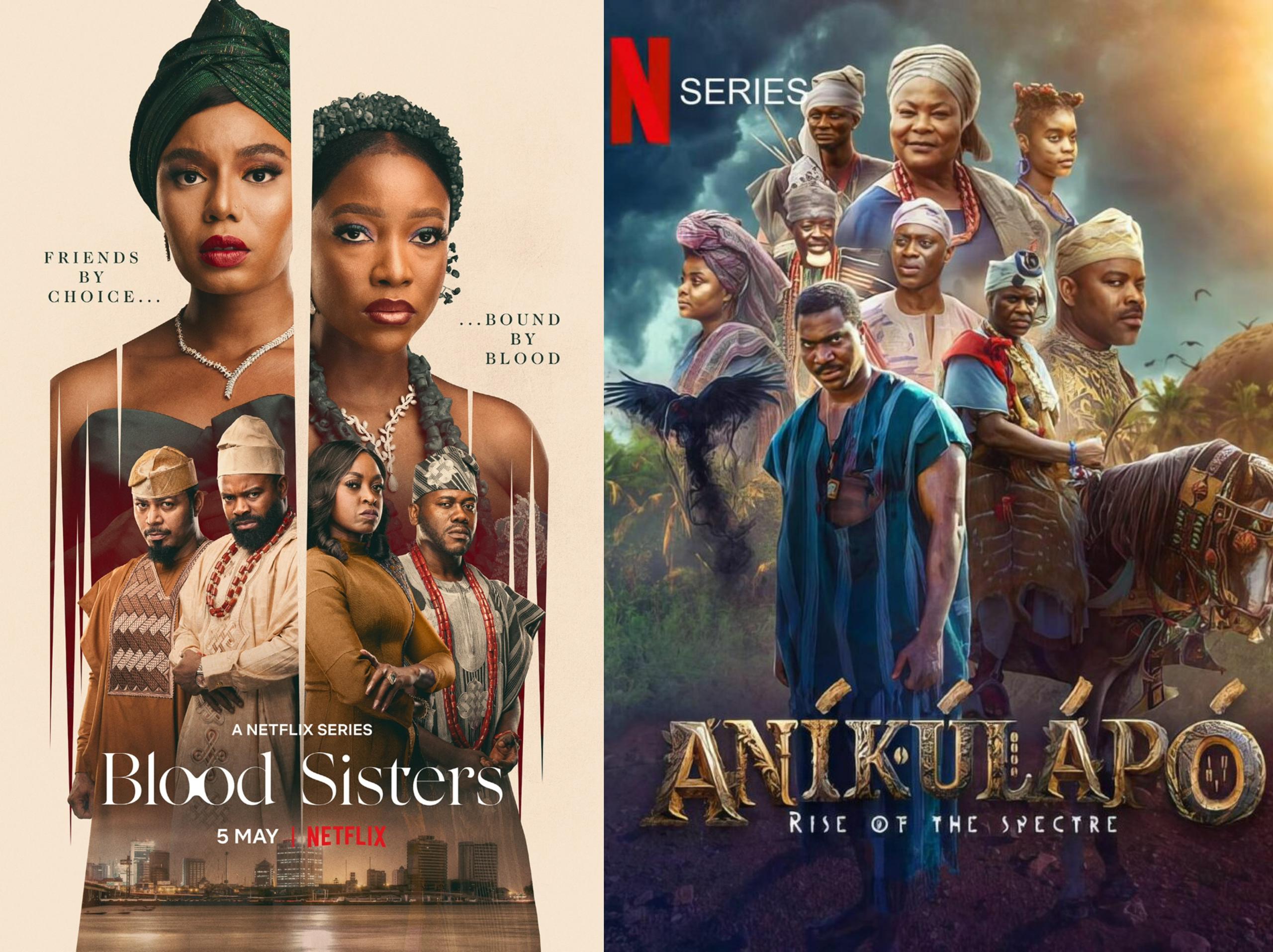
- Blood Sisters (2022, Netflix): Produced by Mo Abudu’s EbonyLife, it was Nigeria’s first Netflix Original series, a four-part crime thriller. It gripped audiences instantly and dominated social conversations. Blood Sisters proved that Nollywood could serve tight, bingeable drama with the same urgency as global thrillers.
- Aníkúlápó: Rise of the Spectre (2024, Netflix): Kunle Afolayan took his hit film Aníkúlápó and expanded it into a six-part fantasy series. Instead of a never-ending saga, he used six episodes to dive deeper into Yoruba mythology, worldbuilding, and intrigue. It was bold, visually ambitious, and a clear example of Nollywood learning how to adapt epic stories into short arcs.
These shows were not only popular, they were proof of concept. They told Nollywood filmmakers that Nigerians will binge a limited series, and it can go global.
The Netflix Wave: A New Class of Mini-Series
Since Blood Sisters, Netflix has doubled down on short Nigerian series, giving us some of the most talked-about Nollywood content of the past three years. Each one shows how flexible the mini-series format can be:
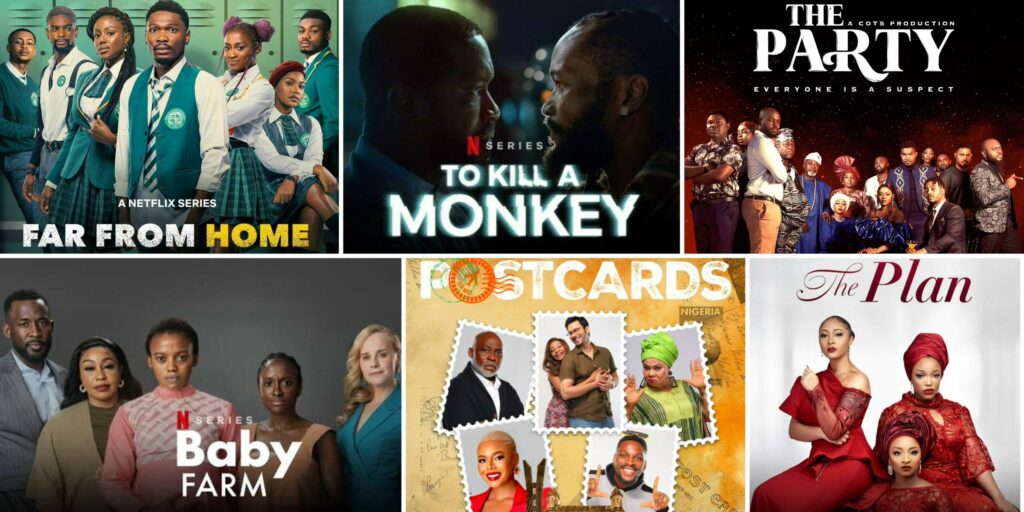
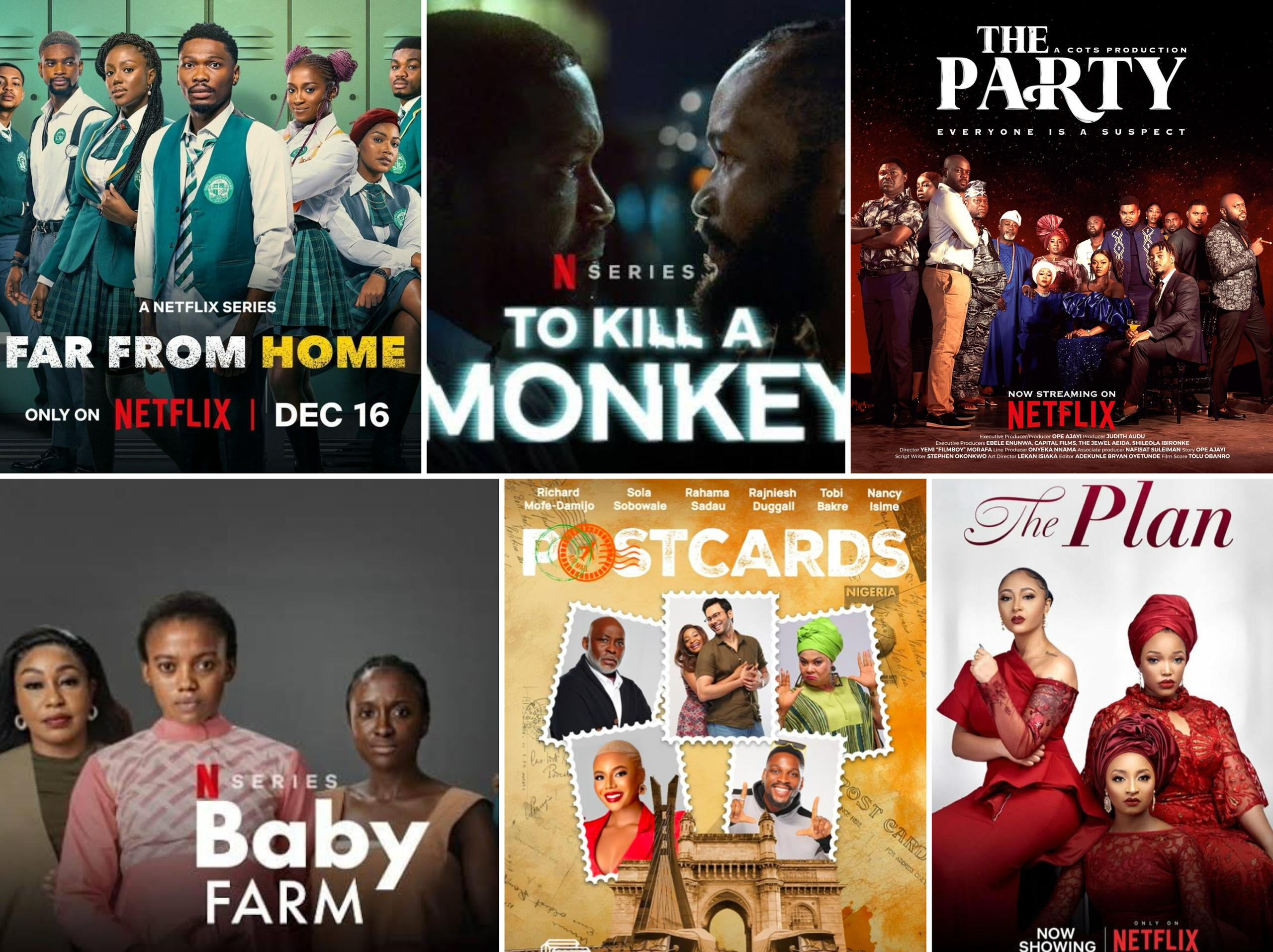
- Far From Home (2022): Nigeria’s first young-adult Netflix Original. Across just five episodes, we followed Ishaya, a teenager from humble roots who hustles his way into an elite Lagos school. The mix of youth culture, class divide, and secrets made it one of the most refreshing Nigerian series in years.
- Shanty Town (2023): A gritty six-part crime saga starring Ini Edo, Richard Mofe-Damijo, Chidi Mokeme and Nse Ikpe-Etim. It pulled audiences into the underworld of Lagos sex work, politics, and survival. Raw, dark, and stylish, it proved mini-series could push boundaries.
- Baby Farm (2024): Tackling child trafficking and exploitation, this series used its limited run to deliver a hard-hitting social message without dragging. Its short length amplified the urgency of its subject matter.
- To Kill a Monkey (2024): A crime drama built on suspense and betrayal. The series kept audiences talking precisely because it didn’t overstay its welcome. Six episodes, sharp cliffhangers, and it was done.
- Postcards (2024): A softer side of Nollywood storytelling. This romantic limited series explored family, love, and memory. With just a few episodes, it hit emotional notes that would have been lost in a stretched-out run.
- The Plan (2024): A heist-driven Nigerian mini-series with pace and energy. Perfect for bingeing, it showed how Nollywood can play in the thriller sandbox without overextending.
- The Party (2025): A drama of glamour, politics, and betrayal, all unfolding around a Lagos high-society party. Its strength was the focus using a handful of episodes to unpack everything beneath the glitter.
Each of these titles demonstrates the same lesson of having short, intense storytelling sticks. Nigerians finish them, talk about them, and move on, leaving a cultural footprint.
Other Platforms Still Matter

Netflix may get the headlines, but it’s not the only platform pushing this wave.
- Showmax continues to invest in local originals. Titles like Wura and Flawsome may lean closer to the telenovela side, but Showmax also champions tighter arcs and Nigeria-only series that trend locally. In fact, Showmax revealed that in 2024, Nigerian productions were consistently its most-streamed.
- YouTube web-series remain the grassroots lab for mini-series storytelling. Long before Netflix arrived, shows like Skinny Girl in Transit and The Men’s Club built loyal followings on short, web-based episodes. That same ecosystem still exists incubating talent, testing formats, and giving younger audiences their own bingeable stories.
Why Mini-Series Work So Well
- Pacing: They cut out the filler so every scene matters. No scene-dragging.
- Quality: Budgets are spread over fewer episodes, so production looks better.
- Audience lifestyle: Nigerians want weekend binges, not endless seasons.
- Global platforms: Mini-series make Nigerian stories more exportable. A four-to-six part drama is easier for an international audience to commit to.
It’s a perfect match of story form and modern life.
The Cultural Payoff
One underrated advantage of mini-series is how quickly they generate buzz. A new six-episode drop can dominate social media for a week, spark memes, and create debates around the themes. Shanty Town had people arguing about morality and governance. Far From Home had young Nigerians comparing their school experiences. Blood Sisters raised conversations about domestic abuse and corruption. To Kill A Monkey sparked discussions on betrayal and while others took sides.
That kind of cultural impact used to take months of TV to build. Now it happens in a weekend.
Not Every Story Fits
Of course, not everything can or should be a mini-series. Some Nollywood staples like telenovelas, soap operas, multi-generational sagas, need long arcs. The mini-series is a tool, not a replacement. But for thrillers, mysteries, fantasy tales, or focused character studies, it’s the sharpest tool we’ve got right now.
Conclusion
Mini-series are not just convenient entertainment. They’re evidence that Nollywood can adapt, experiment, and thrive in the streaming era. They show that filmmakers don’t need to stretch a story thin to be heard, because sometimes six episodes are more powerful than sixty.