


The hall was dim, but the laughter was bright. It was the kind of laughter that rumbled like distant thunder before breaking loose into rolling waves, unstoppable, defiant, cleansing. Somewhere in the swirl of cigarette smoke, cheap beer, and restless chatter of 1960s Ibadan nightlife, a man with oversized glasses, an ill-fitting agbada, and a mischievous grin shuffled onto the stage. The crowd hushed for a second, as if uncertain what kind of spirit had just appeared before them. Then, with a wobble of his knees and a drawl that wrapped Yoruba tones into satirical knots, the man spoke. The room erupted.
That man was Moses Olaiya Adejumo, the world would know him as Baba Sala—Nigeria’s first true king of comedy. Long before Nollywood became a behemoth, before Instagram skits and Netflix stand-ups, before even the polished slapstick of television, there was Baba Sala. He carved an empire of laughter with nothing but a bag of tricks, a handful of musicians, and a stubborn refusal to let colonial pretensions silence the Yoruba genius for wit.
But Baba Sala was more than a comic; he was a rebellion wrapped in a joke. He was the clown who dared to confront power with parody, who turned the anxieties of a new Nigeria into contagious humor. In his mouth, the sharp edges of Yoruba proverbs became harmlessly deadly, cutting through the air while leaving only laughter in their wake. His audience thought they were laughing at his stuttering, bumbling stage character, but they were also laughing at themselves—their hypocrisies, their ambitions, their awkward dance with modernity.

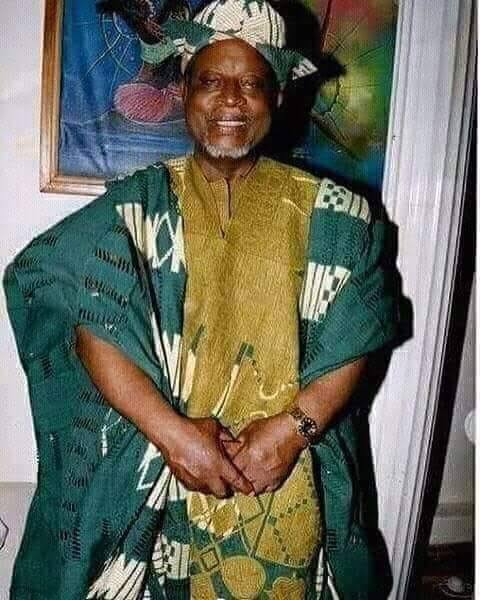
This is not just a story of a man. It is the story of a nation’s sense of humor. A nation that has laughed through coups, dictatorships, inflation, and heartbreak. A nation that still hears Baba Sala’s voice in every skit, every stand-up routine, every Nollywood gag. His was a thousand laughs in one man, but each laugh carried the burden of history.
The Early Years: Moses Olaiya, Born into a Land of Dualities
In 1936, when Moses Olaiya Adejumo was born in Ilesa, Osun State, Nigeria was still a colony tethered to the British Crown. Yoruba society, with its layered hierarchies of kings, chiefs, and priests, was also tethered—to tradition, to dignity, to a cosmology that balanced humor with gravitas. For a boy like Moses, growing up meant navigating a world of contradictions: the strict discipline of mission schools on one side and the playful chaos of Yoruba street theater on the other.
His parents, like many of their generation, were caught in the paradox of ambition. They wanted their son to rise with education, to wear the Western suit and tie that symbolized upward mobility. But Moses’s heart beat to a different rhythm—literally. He was drawn to the talking drum, to the lilting melody of highlife, to the dramatic improvisations of Yoruba traveling theater.
Even as a child, he displayed an instinct for mischief. Family accounts remember him as a boy who could turn any domestic chore into a performance. Asked to fetch water, he might stagger like an old man, dramatizing the weight of the pot. Sent to market, he could return imitating the trader’s pitch until neighbors roared with laughter. The stage was already inside him; he merely needed an audience.
The 1940s and 1950s in Nigeria were turbulent, as nationalist movements grew louder and colonial structures wobbled under the pressure of independence. Entertainment, however, was one of the few outlets where ordinary Nigerians could breathe. Traveling musicians like Rex Lawson, Cardinal Rex Jim Lawson, and Bobby Benson set the night alight. Yoruba alárìnjó performers took theater from town to town, mixing satire, dance, and acrobatics in open-air stages. Moses watched, absorbed, and imitated.
By the time he finished school, he had already chosen a path that defied convention. Instead of a clerical job in government or a teaching career, Moses picked up a guitar. He was determined to carve his destiny in sound and performance, even if society dismissed entertainers as unserious men.
The Musician Before the Comedian
Long before the world knew him as Baba Sala, Moses Olaiya was a musician of repute. In fact, his first identity in the entertainment world was as the leader of a highlife band known as the Federal Rhythm Dandies. The band was a breeding ground of legends; one of its members was a young man named Sunday Ishola Adeniyi, later known as King Sunny Adé—who would go on to become the global ambassador of juju music.
This was no small achievement. In the 1950s and early 1960s, highlife was the sound of an emerging Nigerian elite. It was cosmopolitan, blending Ghanaian palmwine rhythms with jazz, swing, and Yoruba drums. It played at weddings, in nightclubs, at political rallies. And there was Moses, guitar slung across his shoulder, coaxing melodies out of strings while his band enthralled Lagos and Ibadan crowds.

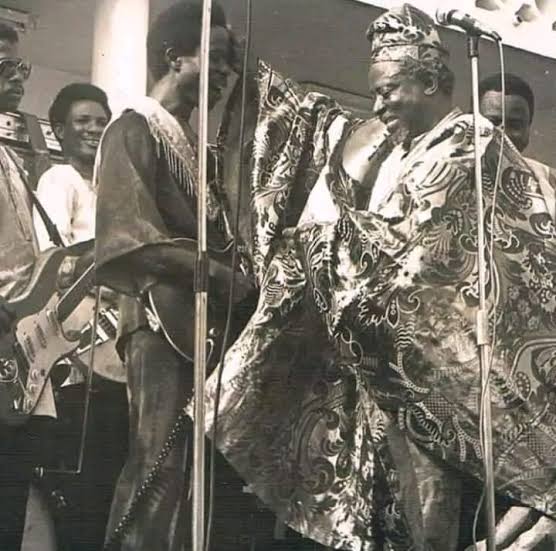
Yet even in music, his mischievous streak peeked through. While others played straight, Moses added humor to his performances. He would mimic Western accents in song, twist Yoruba proverbs into comic punchlines, and act out exaggerated skits between musical sets. Audiences adored it. He was the bandleader who could make you dance and laugh in the same breath.
But the music industry was fierce. The competition from Victor Olaiya, Rex Lawson, and Ebenezer Obey was suffocating. Moses realized that his true genius was not in competing note for note but in creating something Nigeria had never seen: a fusion of music, theater, and comedy that turned entertainment into satire.
The stage was calling, louder than the guitar.
From Bandstand to Comic Stage
It was in the late 1960s that Moses Olaiya reinvented himself as Baba Sala, the bumbling old man whose comedic antics would define an era. The transformation was both deliberate and accidental. As his musical career plateaued, Moses leaned harder into the comic skits he used to spice his shows. The response was electric. Audiences demanded more of the foolishness, the mimicry, the self-deprecating humor.
Soon, the oversized glasses appeared. The sagging agbada followed. A stubby walking stick, a fake protruding belly, and a nasal drawl completed the persona. Baba Sala was born—not just as a character, but as a mirror.
Nigeria of the late 1960s and early 1970s was a nation scarred by civil war, inflation, and political uncertainty. Laughter became a form of therapy, and Baba Sala became its most reliable dispenser. He mocked the pretensions of the newly rich, the greed of corrupt officials, the vanity of urban elites, and the everyday struggles of ordinary Yoruba families.
On stage, he exaggerated human flaws until they became absurd. His Baba Sala character was greedy, lazy, cowardly, and vain—but in ways so harmless that the audience laughed at their own reflection without shame. He democratized laughter, ensuring that nobody—rich or poor, literate or illiterate—felt excluded.
By the 1970s, Baba Sala had built a full theater troupe, touring Nigeria with plays that combined slapstick, satire, and music. He was a one-man institution, pioneering the path that would later be followed by the likes of Hubert Ogunde, Oga Bello, and later Nollywood stars who fused drama with comedy.
The Comic Empire of the 1970s: Baba Sala on the Road
The 1970s in Nigeria were an age of oil wealth, political chaos, and restless creativity. Lagos throbbed with music from Fela’s Shrine, while Ibadan swirled with intellectual ferment. Across Yoruba land, traveling theatre companies drew thousands of spectators into makeshift halls, community centers, and open-air stages. Into this lively but competitive ecosystem, Baba Sala launched his troupe—Alawada Group, a name that would become synonymous with laughter.
His formula was simple yet radical. Unlike other theatre groups that leaned heavily on moralistic drama, Baba Sala infused comedy into every layer of performance. The Alawada shows were carnivals of exaggeration: comical dances, absurd costumes, musical interludes, and improvised jokes that drew directly from Yoruba street wisdom.
The character of Baba Sala himself was the magnet. With his grotesquely oversized agbada flapping like sails, his thick glasses magnifying eyes that rolled in exaggerated panic, and his quivering falsetto voice, he became an instant icon. But what made audiences fall in love with him was not just the physical comedy—it was the relatability. Baba Sala was every man’s folly made flesh: the greedy uncle at weddings, the boastful neighbor, the bumbling father who gave terrible advice.
The troupe crisscrossed Nigeria, performing in big cities and small towns alike. Night after night, laughter became the common language that united market women, students, chiefs, and civil servants. In a country frequently divided by politics and ethnicity, Baba Sala’s humor transcended barriers.
From Stage to Screen: Baba Sala’s Foray into Film
As television gained traction in the late 1970s, Baba Sala recognized that the stage alone could not contain his vision. He began to transition his comic empire into television and film, paving the way for the Nigerian film industry as we know it today.
In 1980, he released his groundbreaking celluloid film “Orun Mooru.” The movie was a landmark not just for Baba Sala but for Yoruba cinema. It told the story of greed and foolish ambition, with Baba Sala playing the hapless protagonist whose attempts at quick wealth ended in calamity. The humor was relentless, but beneath the slapstick lay a biting critique of Nigeria’s obsession with sudden riches.
The success of Orun Mooru was immediate and overwhelming. Audiences flocked to cinemas, laughing so hard that some screenings had to be paused for the crowd to recover. The film solidified Baba Sala as Nigeria’s first true movie comedian, long before Nollywood would industrialize the genre.
But success was quickly followed by heartbreak. The film became the first major victim of piracy in Nigeria. Copies of Orun Mooru were illegally duplicated and sold cheaply, siphoning off Baba Sala’s earnings. The financial blow was devastating. What should have been the crowning glory of his career became the beginning of economic struggles that haunted him for decades.

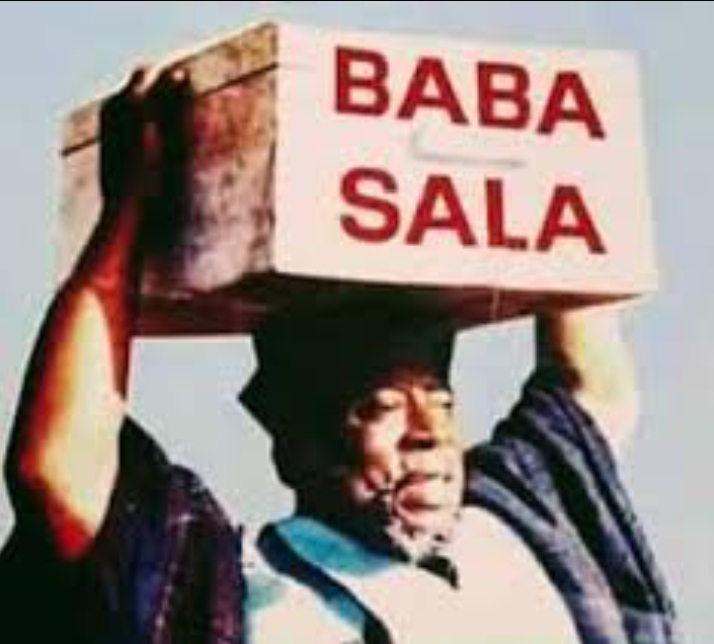
Still, he did not relent. Baba Sala went on to make other films—“Aare Agbaye,” “Mosebolatan,” “Oroki Day,” and others—that combined Yoruba theatrical traditions with cinematic storytelling. Each was filled with the same comic spirit: a relentless skewering of human greed, folly, and pretension.
Laughter Against the Backdrop of Nigeria’s Turbulence
The late 1970s and 1980s were marked by military coups, economic boom-and-bust cycles, and growing social inequality. For many Nigerians, daily life was a constant negotiation of scarcity, inflation, and authoritarian politics. In this climate, Baba Sala’s comedy became more than entertainment—it became a form of survival.
When soldiers patrolled the streets and politicians looted the treasury, Baba Sala’s bumbling antics allowed Nigerians to laugh at the absurdity of their leaders without openly defying them. His humor was never overtly political, but it was deeply subversive in its own way. By mocking human vanity and corruption, he provided audiences with a safe space to process the frustrations of life in a fragile nation.
The Yoruba worldview has always valued satire as a social tool. Proverbs, riddles, and folk tales often carried coded criticism of chiefs and rulers. Baba Sala inherited this tradition and modernized it, placing it on television screens and cinema halls. His comedy was, in essence, the continuation of Yoruba oral critique—masked in laughter, sharpened by parody.
The Pain Behind the Laughter
But even as he brought joy to millions, Baba Sala’s personal journey was marked by shadows. The piracy of Orun Mooru left him financially crippled, and he never fully recovered from the blow. Despite being a pioneer, he did not enjoy the kind of wealth or recognition that later comedians and Nollywood stars would amass.
He often spoke of how the Nigerian entertainment system failed to protect artists. The very nation that laughed with him offered little structural support to safeguard his intellectual property. In later years, he struggled with debts, and at times, his livelihood depended on small performances and goodwill.
Yet, his resilience was remarkable. He continued to tour, to perform, to make Nigerians laugh, even when the industry had moved on to younger faces. His dedication to comedy was not driven by riches but by a profound belief that humor was his calling, his ministry to the world.
Baba Sala’s Influence on Generations
Without Baba Sala, there would be no lineage of Nigerian comedy as we know it today.
His theatrical structure directly influenced Moses Olaiya’s contemporaries like Hubert Ogunde, but more importantly, it laid the foundation for later Yoruba comedians and Nollywood stars. Actors like Oga Bello (Adebayo Salami), Jide Kosoko, Mr. Latin (Bolaji Amusan), and Adebayo Faleti drew inspiration from the Baba Sala model of fusing satire with family-centered stories.
Even the new wave of comedians—Ali Baba, Basketmouth, AY, Bovi—owe a debt to him. Though their stages are glitzier and their jokes sharper, they are still walking through the doors Baba Sala opened: the idea that laughter can be a profession, a cultural export, a national unifier.


The skit culture of Instagram and TikTok today is, in many ways, the digital reincarnation of Baba Sala’s traveling troupe. The costumes, the exaggeration, the everyday scenarios turned into humor—they are all echoes of the eternal comic rebellion he began.
Later Years: The Sunset of a Pioneer
By the 1990s and 2000s, Baba Sala had largely retreated from the national spotlight. The younger generation of comedians had taken center stage, and Nollywood’s rapid expansion created new icons. Yet, his influence lingered like a fragrance.
He was honored with awards and recognition in his later years, though many argued it was too little, too late. In interviews, he often displayed humility, speaking more of gratitude than bitterness. His faith, as a devoted Christian, gave him strength in the twilight of his life.
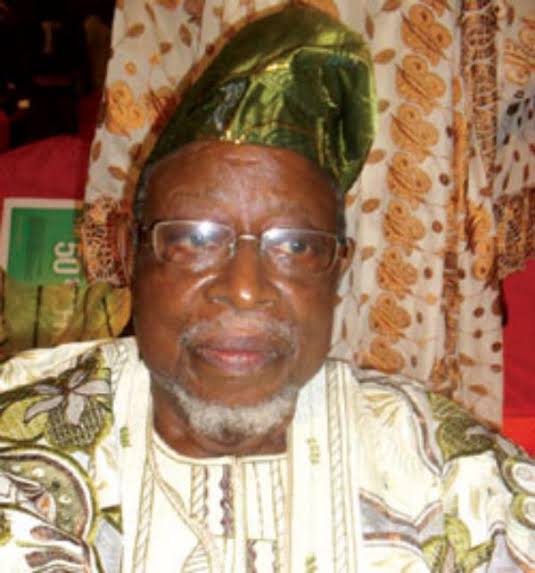
In 2018, at the age of 81, Baba Sala passed away. Nigeria mourned not just a man but an era—the era of pure, unfiltered comedy that had sustained the nation through some of its darkest days. His death was reported with reverence, but it also sparked renewed conversations about how Nigeria treats its cultural pioneers.

Baba Sala and the Global Pantheon of Comedy
Although Baba Sala’s work was deeply Yoruba in flavor, his artistry belongs in conversation with the world’s greatest comedians.

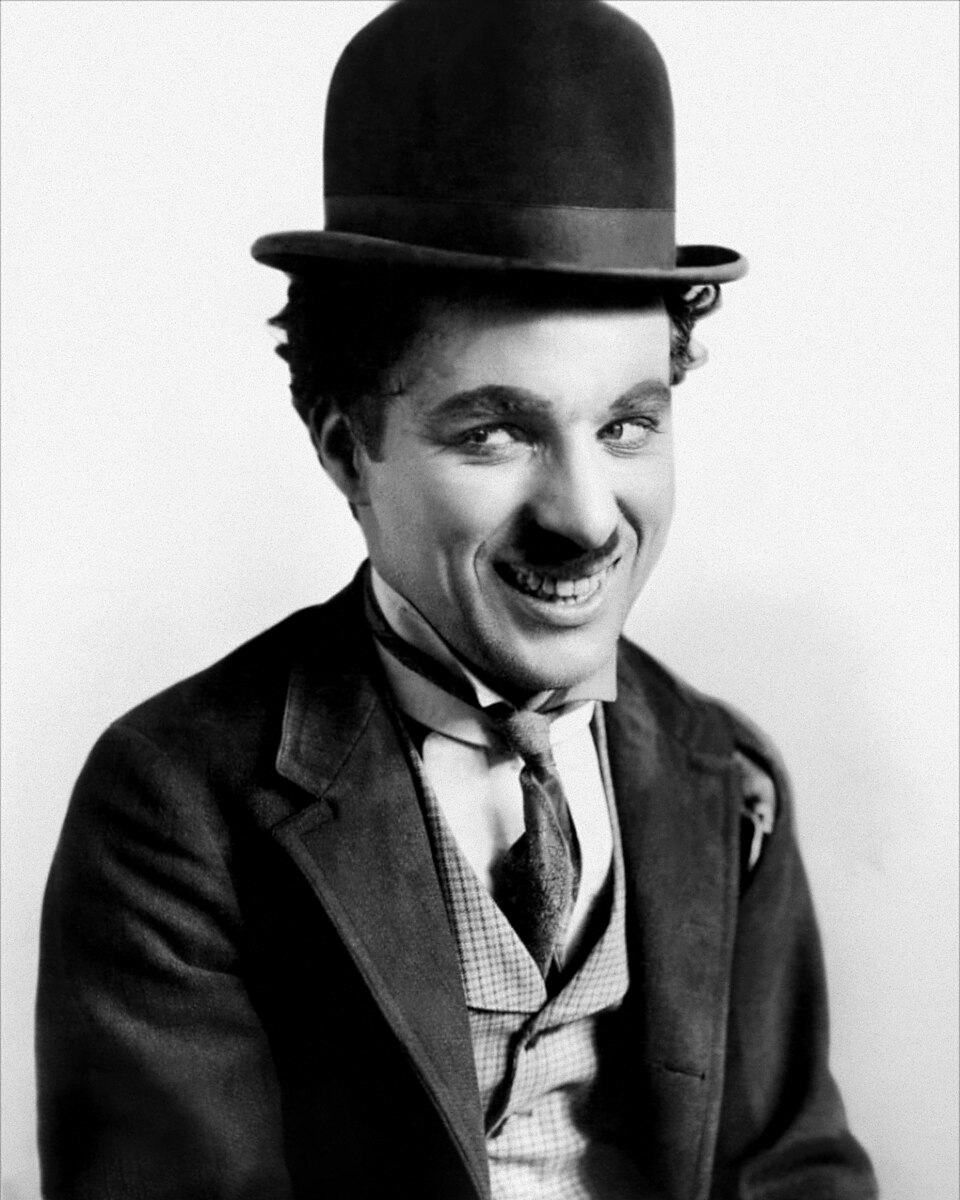
Like English comic actor Charlie Chaplin, Baba Sala created a comic persona whose costume, gait, and voice became instantly recognizable. Chaplin’s “Tramp” shuffled through industrial modernity with slapstick resilience; Baba Sala’s bumbling elder stumbled through Nigeria’s chaotic modernization with equal absurdity. Both men spoke to societies undergoing transformation, turning the anxieties of change into laughter.

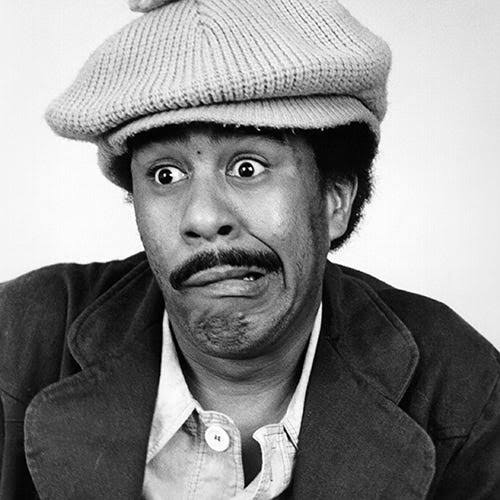
Like American comedian Richard Pryor, Baba Sala understood that comedy could tackle uncomfortable truths. Pryor used raw honesty to dissect race, class, and personal pain in America. Baba Sala, though less explicit, used parody to critique corruption, greed, and vanity in Nigeria. Both made audiences laugh at their own contradictions.

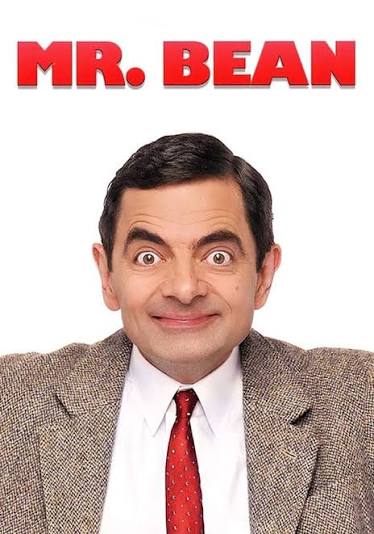
And like Mr. Bean (Rowan Atkinson), Baba Sala mastered physical exaggeration as universal language. Even without translation, a foreigner could watch his skits and understand the humor of his flailing arms, his overstuffed clothes, his wide-eyed panic. His comedy was rooted in Yoruba realities, yet it carried a universality that could have traveled far, had Nigeria’s film industry then possessed the distribution reach it enjoys today.
Legacy: The Thousand Laughs That Built a Nation
What, then, is Baba Sala’s place in Nigeria’s cultural memory?
He was not merely a clown. He was an architect of joy, a builder of communal release. In a nation repeatedly battered by bad governance, inflation, military decrees, and social fractures, he carved out spaces where laughter reigned supreme. He proved that humor was not frivolous—it was survival.
He also set the precedent that comedy could be a career. Today’s comedians sign endorsement deals, fill stadiums, and trend globally, but their freedom to do so rests on Baba Sala’s shoulders. He bore the ridicule of being dismissed as unserious so that comedy could later be taken seriously.
His legacy is also a cautionary one: that Nigeria must do more to protect its pioneers, lest they die unsung and unsupported. Baba Sala gave his life to laughter, but laughter alone could not shield him from hardship. Honoring him fully means building systems that ensure future artists are not abandoned.
The Eternal Echo
In the end, Baba Sala was not just a man. He was a chorus, a festival, an echo. His laughter was layered—silly on the surface, profound underneath. When he stumbled across the stage in his wobbling agbada, Nigerians were not only entertained; they were reminded that even in failure, in folly, in financial ruin, one could still laugh and live.
A thousand laughs in one man—that is his eternal gift. Each laugh was a rebellion against despair, a protest against injustice, a balm against grief. Each laugh continues to ripple through generations, from the wooden stages of Ilesa to the digital screens of Lagos, from the memory of elders who saw him live to the children who mimic his antics on TikTok without knowing his name.

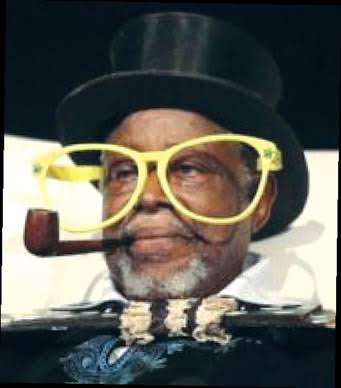
In that sense, Baba Sala never died. He lives in the cadence of Yoruba satire, in the flamboyant agbadas of modern skit-makers, in every Nigerian who chooses laughter over lament. He is the eternal echo—the proof that comedy, at its best, is not just entertainment but endurance.
When Nigerians laugh today, they are still laughing with Baba Sala.