


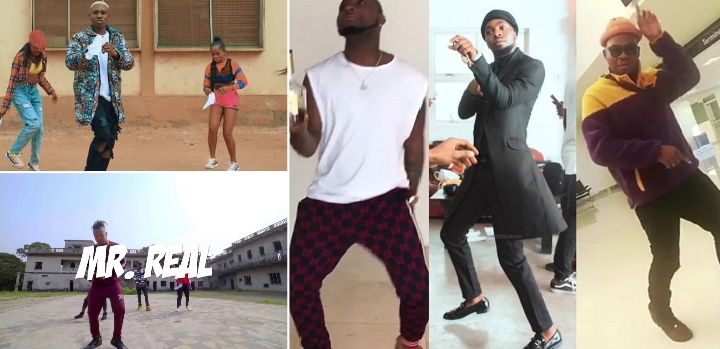
On a humid Friday night in Lagos, when the traffic lights blink slower than usual and the air thickens with sweat and generator fumes, a crowd gathers near a street junction in Agege. A DJ’s small speaker, patched with tape and defiance, blasts a beat that could wake the city itself.
“Legbegbe o! Legbegbe!” — Mr. Real’s voice bounces off the walls, gritty and ecstatic. Someone screams “Shaku Shaku!” and the crowd erupts.
A young man slides forward in plastic slippers, shoulders rolling like a wave, hands gesturing with coded precision. It’s a dance, but it’s also a story — of hustle, rebellion, and Lagos’s endless motion. People circle him, phones up, filming. The street becomes a stage, the city’s chaos becomes choreography.
In Lagos, rhythm is survival. And when the Shaku Shaku craze hit its peak, it felt as though the entire city was speaking one language — body first, words later.
No one could have guessed that what began as a local gesture in dusty Agege would soon define a cultural generation. But that’s the Lagos way: everything small burns fast, loud, and global.
The Beat Before the Boom
Before Shaku Shaku became a national phenomenon, it was a street whisper. The early days weren’t glamorous — just neighborhood boys moving to beats played on cracked phones, inventing steps that mirrored the way Lagos moved: forward, sideways, hustling, dodging.
Its roots lie deep in the arteries of the mainland — in Agege, Mushin, Oshodi, Ikorodu. Areas often dismissed as chaotic, yet they pulse with the innovation of the street. The dance was born not from studios or choreographers but from the spontaneous rhythm of daily survival. Each movement had meaning: the shuffle mimicked evading law enforcement, the swing of the arms echoed the street seller’s hustle, the slouch was swagger — the body language of those who had learned to thrive in tight corners.

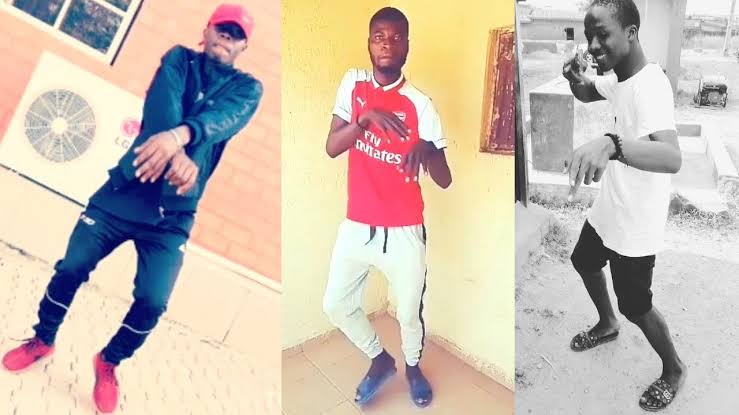
By 2016, when Afro-pop was dominated by clean beats and club-friendly moves, Shaku Shaku arrived like rebellion. It was raw, unfiltered, and unapologetically local. Lagos had always danced — from the highlife drums of the ’60s to the Alanta madness of the 2000s — but this was different. Shaku Shaku wasn’t just movement; it was attitude.
The dance reflected a city where wealth and struggle lived side by side. It said, “We’re still here.” Even when the roads were bad, when the power failed, when the rent was due — there was rhythm. There was Lagos.
The earliest videos of Shaku Shaku came from street carnivals — Lagos Street Party, Olamide’s OLIC shows, spontaneous sidewalk jams in Agege or Orile. It spread without strategy, like laughter in a crowd. By the time Olamide released “Wo!!” and “Science Student,” the beat had broken past Agege’s narrow streets and found its echo across Nigeria. The boom had begun.
The Streets That Invented a Language
To understand Shaku Shaku is to understand Lagos — a city that speaks with its body long before its mouth. The dance was not invented by choreographers; it was a response, a vocabulary formed in motion. In Lagos, every gesture tells a story.
The slouching shoulders? That’s the danfo driver’s posture after twelve hours on Third Mainland Bridge. The shuffling feet? The okada man weaving through traffic, dodging bills and chaos. The hand rolls and finger snaps? A coded confidence — “I dey, no shaking.” It’s not grace; it’s grit turned beautiful.
In the streets of Lagos, even conversation dances. Slang evolves like music: “No wahala,” “No gree for anybody,” “Area,” “Gbe body e.” Shaku Shaku became the physical version of those phrases — a performance of resilience. It was the sound of people refusing invisibility.
Every generation in Lagos finds its rhythm of rebellion. The 1980s had Fuji, born from the frustration of the working class. The 2000s had galala and suo from Ajegunle. But Shaku Shaku was the first dance to truly unite street kids and Instagram influencers — poverty and pixels, body and broadcast.
When you saw a banker in Lekki and a bus conductor in Oshodi doing the same dance, you knew the city had found a common beat. For a moment, class dissolved. Lagos became one body moving to one rhythm — brief, chaotic, unforgettable.
From Corners to Cameras: The Viral Explosion
By 2017, Shaku Shaku was no longer a street secret. Lagos’s concrete and sweat had birthed a digital fire. Instagram became the new dance floor.
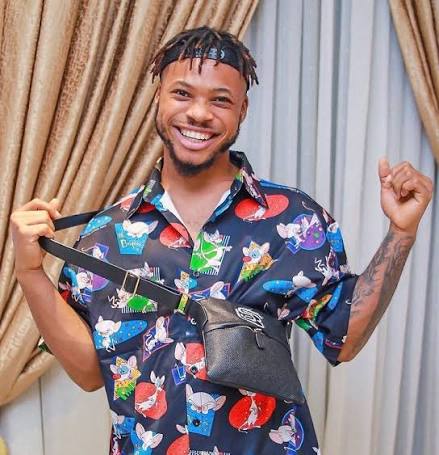
Videos of Poco Lee’s high-energy moves spread like wildfire. He wasn’t just dancing — he was evangelizing. Every bounce, every exaggerated step turned the street’s coded language into viral choreography. Soon, Zlatan Ibile joined the momentum, weaving Shaku Shaku into his sound and swagger.

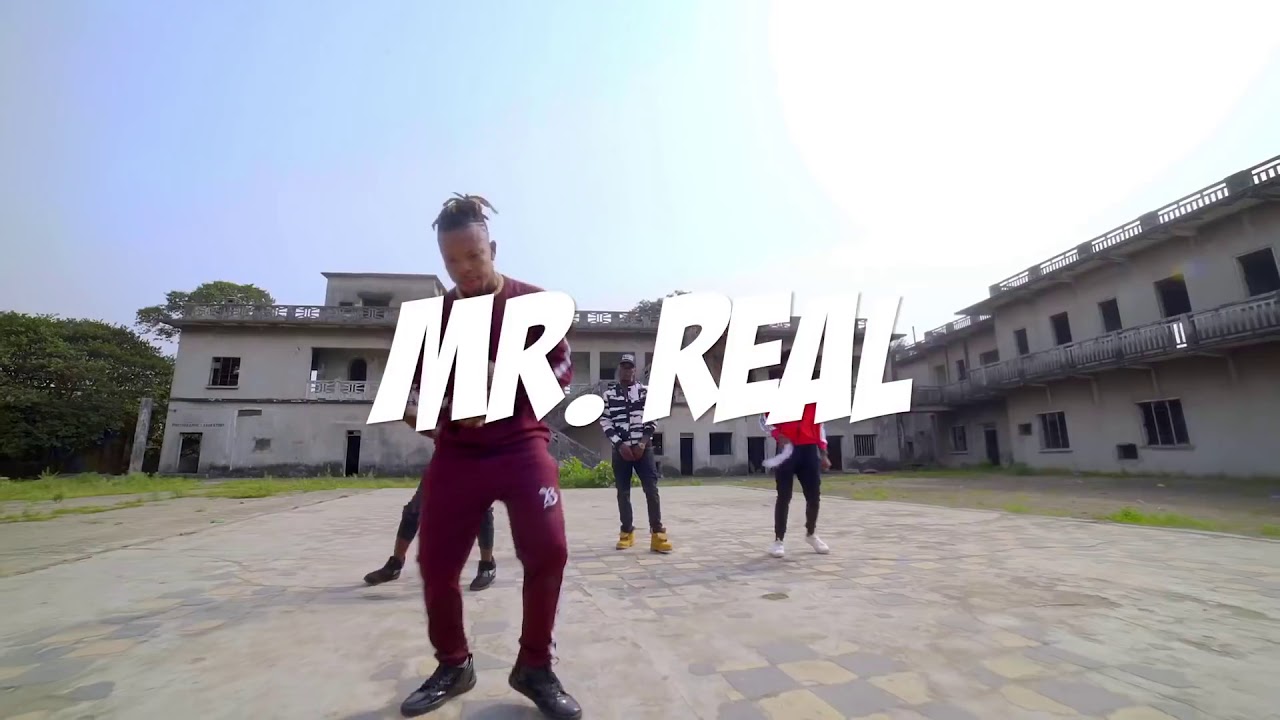
Songs became inseparable from the dance. Mr. Real’s “Legbegbe”, Idowest’s “Shepeteri”, and Olamide’s “Science Student” were not just hits — they were cultural declarations. Each track carried the tempo of Lagos traffic, the laughter of its people, the pulse of its nightlife. When Olamide shouted “Won ti get e!” the crowd didn’t just sing — they moved, instinctively, like a city exhaling.
Social media collapsed the gap between mainland and island, between slum and skyscraper. A street dancer could wake up famous by evening. Record labels began hunting for those who could move as much as they could sing. For the first time, virality wasn’t about wealth or production quality — it was about energy.
In a country burdened by unemployment and uncertainty, Shaku Shaku gave the youth something priceless: visibility. You didn’t need money to matter — just movement. The street was suddenly enough.
When Shaku Shaku Met Lagos Itself
It’s hard to say where the dance ended and the city began. The rhythm of Shaku Shaku was the rhythm of Lagos itself — unpredictable, relentless, playful, sometimes absurd.
Watch the movement closely: shoulders dip like danfos dodging potholes, knees bend like market women balancing baskets, arms wave like traffic wardens at Ojuelegba roundabout. Shaku Shaku wasn’t choreographed — it was lived.
Every neighborhood interpreted it differently. In Mushin, it was aggression wrapped in rhythm. In Ikorodu, it was freedom. On the Island, it became performance — sleek, polished, performed for the camera lens. Yet everywhere, it carried the same Lagos essence: survive first, dance later.

The city is its own rhythm section. The honk of buses, the calls of hawkers, the echo of church drums, and the metallic hum of generators — all form an accidental orchestra. Shaku Shaku emerged from that noise and turned it into melody.
To live in Lagos is to learn to improvise. To dance Shaku Shaku is to turn that improvisation into pride.
The Cultural Flood: Media, Fashion, and Global Glimpses
By 2018, Shaku Shaku was everywhere — radio, runway, billboard, classroom. Lagos Fashion Week saw models strut to street beats. Corporate commercials borrowed its moves to appear “in touch.” Even luxury brands began remixing street energy into their advertising.
When the Nigerian Super Eagles unveiled their 2018 Nike World Cup kit — the now-legendary green zigzag design — fans celebrated not just with cheers but with Shaku Shaku dances. It became part of national identity. Footballers, influencers, even pastors were caught doing it.
Celebrities carried it abroad. Wizkid performed it in London. Davido introduced it at the MOBO Awards. Tiwa Savage used it in her “Diet” video. The global media called it “Nigeria’s street revolution.” The West loved its unpolished charm, though few understood the pain behind its swagger.
For those in Lagos, it wasn’t just dance. It was dignity. It was proof that beauty could rise from disorder, that rhythm could emerge from hardship. The world saw the energy; Lagosians felt the meaning. Shaku Shaku was survival art — elegant chaos turned cultural export.
In those years, the city’s creative industries exploded. Videographers, stylists, and music producers thrived. Lagos turned movement into money. The street had become the factory floor of pop culture.
The Transition: When Zanku Arrived
By late 2018, a new rhythm entered — Zanku (Legwork), pioneered by Zlatan. It was harder, sharper, faster. The Shaku Shaku era began to fade, though never fully vanish.
This was the natural cycle of Lagos culture — no dance ever dies; it evolves. Zanku borrowed from Shaku’s defiance but replaced its playfulness with force. It was less sway, more stomp — an anthem of assertiveness. But beneath the surface, the DNA was the same: expression born from survival.
Every Lagos dance has an expiration date because the city itself never stops changing. Alanta burned bright and vanished. Skelewu shook the country and disappeared. Shaku Shaku had its reign, and now it was time for a new step.
Yet something about Shaku Shaku lingered. Even as Zanku ruled clubs and TikTok dances replaced street jams, Shaku remained the turning point — the moment when the street became the center of Nigeria’s cultural narrative. It democratized fame. It reminded Lagos that the pulse of the people beats stronger than the plans of elites.

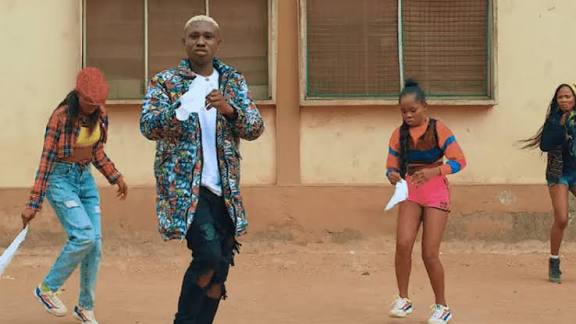
In the archives of Nigerian pop culture, Shaku Shaku stands as a bridge — from the analog street to the digital world.
Beyond the Dance: What Lagos Taught the World
The Shaku Shaku craze taught the world what Lagos had always known: innovation doesn’t wait for permission.
In a city where traffic can last hours and opportunities vanish overnight, creativity becomes a form of protest. The dance was rebellion disguised as rhythm.
It was also Lagos’s reminder to itself. That even when systems fail, the spirit doesn’t. The same city that frustrates you with noise and gridlock will surprise you with laughter and movement. Shaku Shaku captured that paradox — the idea that joy could exist amid dysfunction.
The dance didn’t just entertain; it connected Lagos to the world’s cultural bloodstream. Afrobeat became global not just through melody but through motion. Every time an international artist copied a Shaku move, they borrowed a piece of Lagos — its chaos, its humor, its audacity.
Even after the viral phase passed, Shaku Shaku’s legacy endured. It opened doors for street dancers to become choreographers, influencers, and entrepreneurs. It birthed careers, brands, and movements. And more importantly, it showed that Lagos — with all its contradictions — could export its soul.
Takeaway: The Beat That Never Died
Years later, if you walk through Lagos at dusk, you can still feel the ghost of Shaku Shaku in the air. In a danfo, the conductor’s rhythmic knock on the bus door echoes the beat. At a wedding in Surulere, someone throws back their shoulders, eyes closed, lost in that familiar groove. The music changes, but the feeling doesn’t.
Lagos is a city of endless remixes. Every generation finds its step, but all steps belong to the same rhythm — resilience. The Shaku Shaku era may have passed, but its heartbeat remains in the city’s dust and laughter.

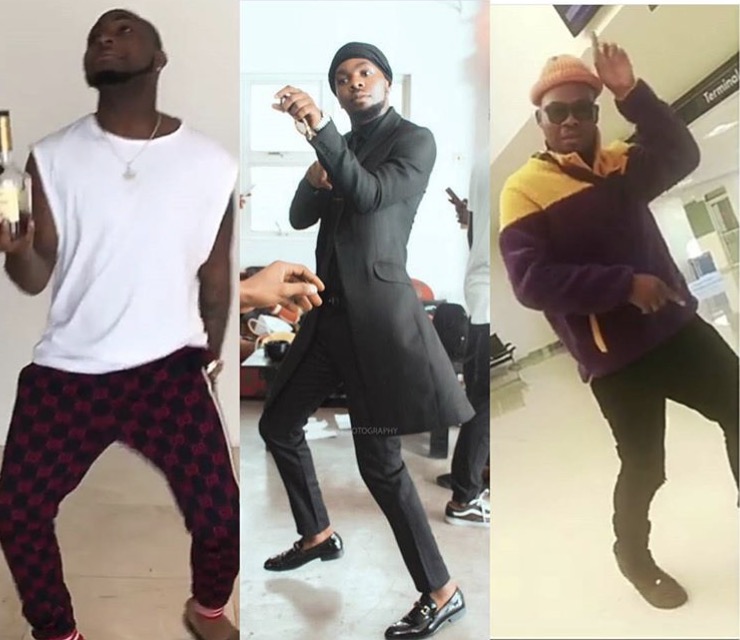
The craze collided with the spirit of Lagos — and in doing so, it revealed something timeless: that creativity is the city’s oxygen, its refusal to surrender. When the music fades and the traffic roars again, Lagos keeps moving. Because Lagos doesn’t just dance to survive — it survives because it dances.