


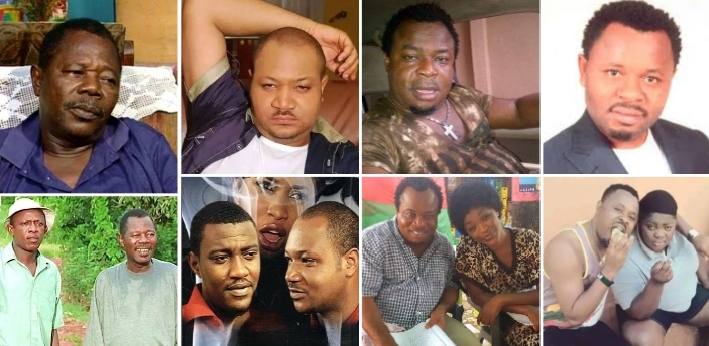
It often begins with a camera flash — an actor collapsing into a scripted death, the director shouting “Cut!” before the silence feels too real. But sometimes, the scene doesn’t end where it’s supposed to.
Nigeria’s film industry — restless, relentless, and radiant — has, on rare occasions, blurred the fragile line between performance and prophecy. These are the moments when fiction predicted fate, when art folded into life, and the actors who gave everything to their roles never came back the same.
In a land where cinema is more than entertainment, where it is a vessel of faith, culture, and memory, such coincidences have never been treated lightly. A Yoruba filmmaker might call it ayanmo — destiny. An Igbo director might simply say, “the story chose him.”
What follows is not rumor, nor superstition, but a chronicle of real Nigerian actors whose tragedies bled into their roles, creating scenes that would outlive them — and redefine what it means to “die on camera.”
The Pioneer Who Never Got to Watch His Final Frame — Sam Loco-Efe

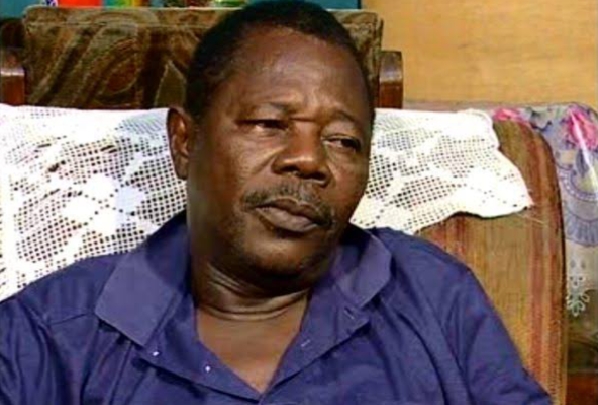
It was August 2011 in Owerri, Imo State — the set of a new production still buzzing with laughter and late-night banter. Sam Loco-Efe, one of the last true veterans of the stage-to-screen era, was in his hotel room, revising lines for the next day’s scene. The film’s theme — the quiet loneliness of aging, the exhaustion of carrying too much history — mirrored his own private fatigue.
He never woke up.
When the crew gathered the next morning, ready to shoot his next appearance, word spread that he had died peacefully in his sleep. He was 66. The irony was devastating. In his unfinished film, Sam Loco’s character was scripted to deliver a monologue about “leaving the world with dignity.” The camera never captured it, but in a way, life filmed it for him.
Across Nigeria, tributes poured in. The industry lost not just a comedic icon but one of its deepest dramatic souls. To those who had known him since his theatre days with the Eastern Nigeria Broadcasting Corporation, his death on location felt symbolic — as though he had chosen to exit exactly where his art had always lived.
Even now, directors speak of him in reverence — “He died in character,” they say, “the actor who took his bow where fiction met fate.”
The Actor Who Died Twice — Clem Onyeka and the Stray Bullet of Asaba

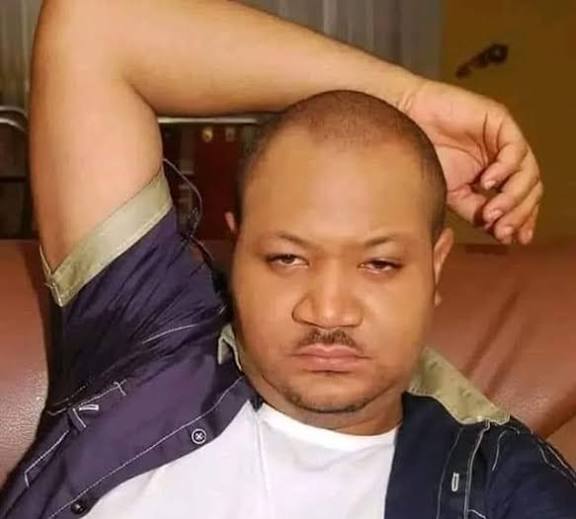
October 2014. Asaba’s midday sun blazed over an open road. Cameras were rolling. It was meant to be another action sequence — fake robbers, toy guns, planned chaos. But fate was scripting its own version.
Actor Clem Onyeka, known for his raw charisma and quick smile, was in the middle of filming a robbery scene when police officers nearby engaged real armed robbers in pursuit. Within seconds, a stray bullet tore through the air.
He fell — and this time, there was no director shouting “Cut!”
The confusion blurred everything. Extras screamed. Crew members thought it was part of the scene. Someone shouted his name. Then someone else screamed again — this time not in character. By the time the smoke cleared, Clem Onyeka was gone. He was 37.
News channels scrambled to confirm the story. The irony was unbearable: he had died in the same scene his character was meant to fake. It wasn’t cinema anymore — it was tragedy filmed live, in front of his colleagues.
In the days that followed, his colleagues called it “the moment Nollywood met mortality.” It forced the industry to rethink safety standards, to question the blurred boundaries between performance and peril. Yet beyond the procedural aftermath lay something deeper — a haunting reminder that the screen is never far from life, especially in a country where fiction often echoes reality too perfectly.
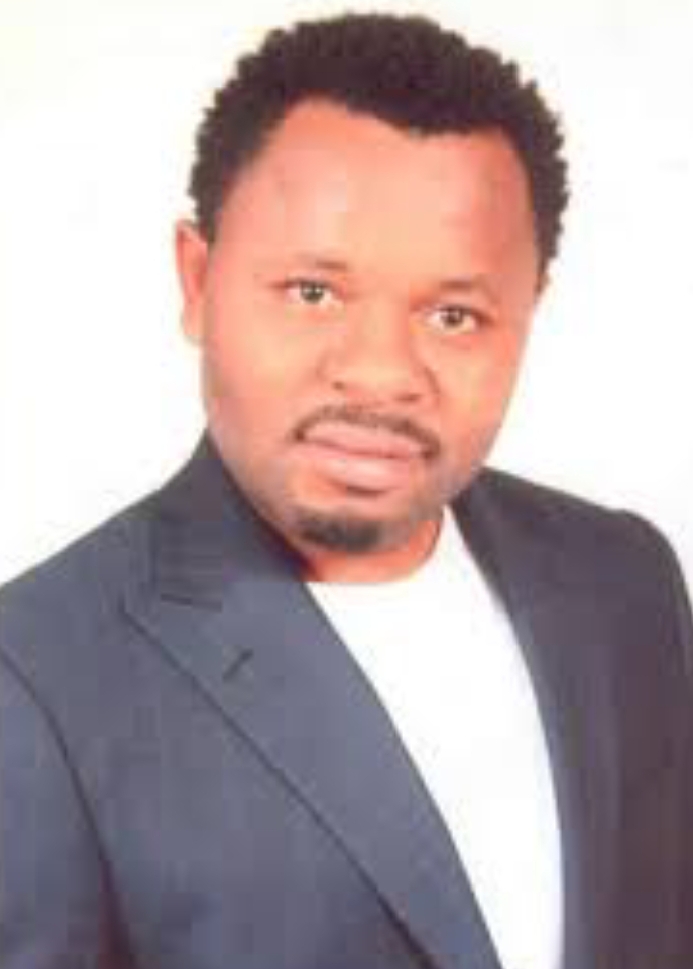
The Actor Who Lived His Script — Muna Obiekwe

By the time Muna Obiekwe’s final film premiered, he was already gone.
A handsome, emotionally expressive actor, Muna was the poster face of Nollywood’s early-2000s romantic dramas. But off-screen, he was fighting a private battle with kidney disease — one he kept from the public, even from close friends.
In one of his last movies, he played a man whose health deteriorated in silence — a man who smiled on camera while hiding the truth. When the film eventually surfaced after his death in January 2015, audiences were chilled by how closely the role resembled his final days.
He had acted his own farewell.
Muna’s death shook Nollywood because it felt symbolic of the industry itself — brilliant, ambitious, but quietly wounded beneath the surface. He had filmed his pain into permanence. And in those scenes — where his eyes seemed to hold something unsaid — Nigerians saw more than fiction. They saw the human cost of pretending everything was fine.
In cultural terms, his death redefined how fans perceived celebrity vulnerability. In a society where actors were expected to embody glamour, Muna’s real-life suffering exposed the emotional labor behind the lens. He became the quiet patron saint of hidden battles in Nollywood.
The Comedian Who Couldn’t Escape His Own Joke — Dede One Day


Laughter was his gift, but it became his goodbye.
Dede One Day, born Peter Onwuzurike Oyem Mauney, was among Nigeria’s most beloved comic actors and performers — the kind who could make even silence funny. On December 14, 2015, during a live performance in Owerri, he collapsed on stage. The audience thought it was a joke — part of his skit. When he didn’t get up, they realized it wasn’t.
He died of cardiac arrest before dawn.
The chilling irony? His most recent TV sketches had centered on a man overworking himself, ignoring signs of stress, and joking about his blood pressure. What had been a punchline became prophecy.
His death resonated far beyond entertainment. It was a national mirror — a reflection of a country that laughs through its exhaustion, that hides heartache behind performance. In Dede’s final act, Nigeria saw itself: a people who joke their way through pain, until the laughter fades into silence.
Between the Sacred and the Script — Yoruba Cinema’s Invisible Burdens
In Yoruba film tradition, the line between the spiritual and the real has always been porous. Many filmmakers still observe rituals before shooting in certain historical sites — particularly palaces or sacred groves.
Actors like Kola Oyewo, Femi Adebayo, and Peter Fatomilola have spoken publicly about the “psychological residue” of roles that required embodying ancestral characters or reenacting myths. While there’s no verified “curse,” several Yoruba productions have recorded instances of actors falling ill, fainting, or suffering nightmares after filming symbolic death scenes.
The industry treats these moments not as superstition but as metaphysical fatigue — the cost of immersion when art collides with cultural memory.
When Kunle Afolayan shot The Figurine (Araromire) in 2009, locals in Aramoko-Ekiti warned that the legend it referenced had “real spirits attached.” The production went ahead anyway, but cast members later admitted to feeling “uneasy energy” during certain scenes. The film became one of the most haunting in Nigerian cinema — and proof that even modern Nollywood still films inside old cosmologies.
The Actress Who Saw Her Character Before She Became One

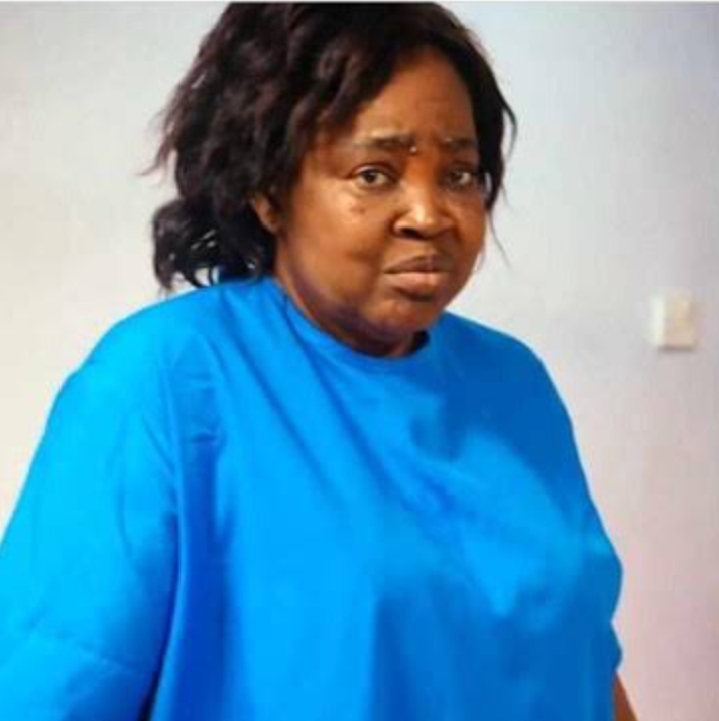
In 2019, a lesser-known actress named Emilia Dike collapsed and died suddenly at home in Enugu. She had acted in several family dramas where she played widows and matriarchs facing unexpected death. After her passing, clips of her earlier performances circulated — scenes of her giving farewell speeches, weeping for lost children, saying, “Tell them I didn’t mean to go.”
For audiences, it was unnerving. She had performed her own absence years before it arrived.
While not mystical, these coincidences reveal the emotional precarity of Nigerian acting — where the line between acting grief and living it is perilously thin. Actors carry not just scripts but the entire emotional weather of their characters. Sometimes, the body can’t tell the difference.
When the Scene Refused to End — Accidents, Exhaustion, and the Edge of Art
In a 2003 Yoruba film shoot in Ibadan, a young stunt actor reportedly collapsed after performing a fake hanging scene repeatedly under the sun. He survived, but the footage — later edited into the film — showed his limp fall eerily similar to what nearly became real death.
Incidents like this never made national headlines, yet they are quietly remembered across film sets. Heat exhaustion, overwork, poorly maintained equipment — these are the unsung dangers of Nollywood production. Behind every death scene that makes audiences cry lies the physical toll of shooting in unpredictable conditions.
In many ways, these moments of blurred reality are less about supernatural curses and more about human fragility — about how deeply Nigerian actors give themselves to roles in an industry built on passion rather than structure.
Death as Character — What These Stories Mean for Nigerian Cinema
Each tragedy — Sam Loco-Efe’s quiet passing, Clem Onyeka’s stray bullet, Muna Obiekwe’s illness, Dede One Day’s collapse — tells a different part of the same truth: that in Nollywood, performance is a form of life, not an imitation of it.
Unlike in Hollywood, where scripts are tightly insulated from the realities of their actors, Nigerian cinema often mirrors its environment too closely to separate art from existence. Poverty, politics, spirituality, and mortality — they all inhabit the same set.
When an actor dies playing a role that mirrors his fate, it’s not just coincidence. It’s commentary — a living testament to a nation where stories are survival, where characters outlive the people who embody them.
The Afterimage — Memory, Myth, and the Screen That Never Fades
Every screening now carries ghosts.
When viewers watch Things Fall Apart and see Pete Edochie’s Okonkwo, they remember Sam Loco’s laughter echoing in history. When they replay Muna’s scenes, they whisper prayers. When comedians perform tributes to Dede One Day, the laughter always ends with a pause.
Cinema immortalizes what life cannot sustain. It holds a pulse long after the heartbeat stops.
For Nigerian audiences, these actors’ deaths do not erase them — they transform them. In cultural memory, they become part of the script that never ends, the eternal scene where the line between performance and prophecy remains forever blurred.
Final Thoughts: The Curtain That Refused to Fall
Perhaps that is the strange grace of Nollywood — that it records not just stories, but souls. Every frame, every line delivered in heat, exhaustion, or quiet conviction, becomes a small echo of the actor’s essence.
So when Sam Loco-Efe smiled his last smile, when Clem Onyeka fell with the camera still rolling, when Muna Obiekwe acted through his pain, when Dede One Day turned his own joke into tragedy — the screen didn’t lie. It simply refused to forget.
And that, perhaps, is the greatest mystery of all: In Nigerian cinema, no actor truly dies on screen. They only fade into the light — where story and soul finally become one.