



Nigerian music has always had a memory. Even when it dances into the future with Afrobeats and global fusions, it never quite forgets the melodies that raised a generation. In the last few years, that memory has become a full-blown movement. From Tems reviving Seyi Sodimu’s Love Me Jeje to Simi’s soulful take on Ebenezer Obey’s Aimasiko, the new wave of artists are reaching into the country’s golden musical archives and reintroducing old emotions to new ears.
The Nostalgia Effect
Every few months, another familiar sound sneaks back into the charts, reborn in the voice of a modern star. These revivals aren’t lazy remakes. They are cultural conversations between eras and proof that Nigerian music’s past still shapes its most innovative future. Younger artists see it as homage. Older listeners see it as validation. Together, they fuel a nostalgia economy that keeps growing with every remix, sample, and reimagined classic.
Streaming platforms and social media have also made these cross-generational experiments more rewarding. Younger fans now discover legends like Ebenezer Obey, Osita Osadebe, or Oliver De Coque not through dusty vinyls but through remixes trending on TikTok or music videos racking up millions of views on YouTube.
The Classics Reborn
Aimasiko – From Ebenezer Obey to Simi

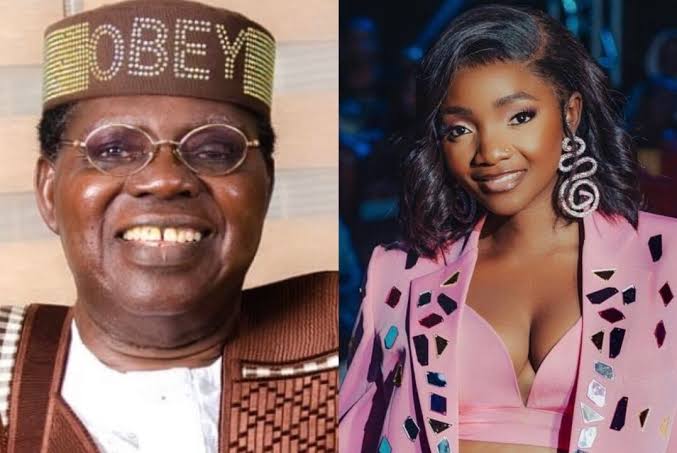
When Simi reworked Aimasiko, she wasn’t just reviving a classic juju track but was paying respect to a timeless philosophy. The original, released by Chief Commander Ebenezer Obey decades ago, preached patience and faith in divine timing. Simi’s version, nestled in her debut album Simisola, introduced the wisdom of the elders to a younger Afropop audience. With Obey’s blessing and a music video rich in Yoruba culture, the song became both a bridge and a blessing. Basically, a spiritual anthem wrapped in pop soul.
Davido’s nods to tradition and the KWAM 1 link

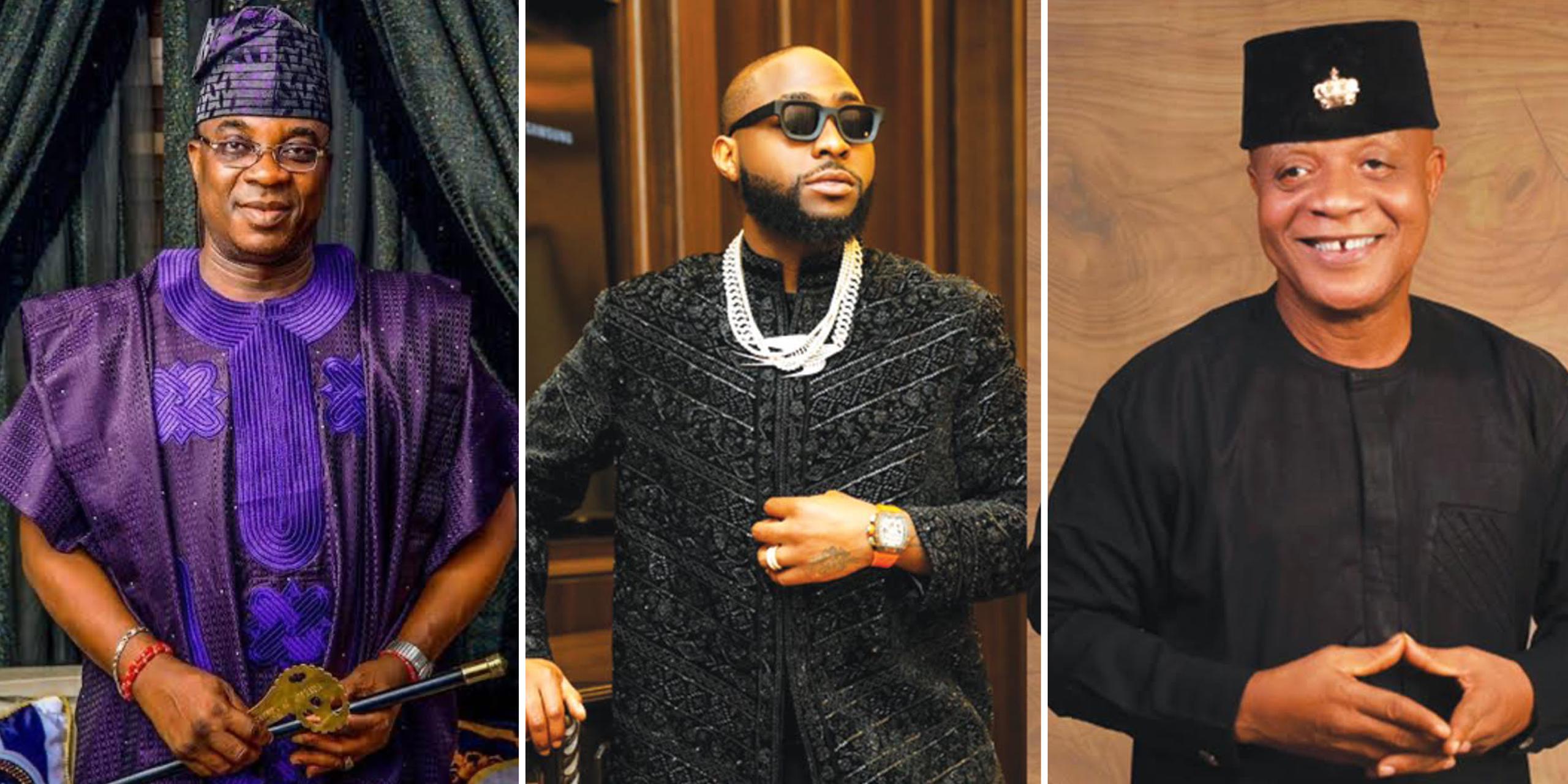
Davido is often framed as a modern Afrobeats superstar but he has also leaned on older Nigerian textures to root his sound. His 2017 single Like Dat carries rhythmic and melodic nods to Fuji pioneer King Wasiu Ayinde Marshal, popularly KWAM 1, showing how mainstream pop borrows from Fuji’s percussive energy. More recently Davido’s 2025 work credited Bright Chimezie as an influence on With You, a reminder that big stars use classic hooks and regional genres to widen emotional reach and spotlight older icons again. These are not accidental lifts but deliberate choices that fold musical ancestry into modern hits.
Sweet Mother – Nigeria’s Eternal Love Letter

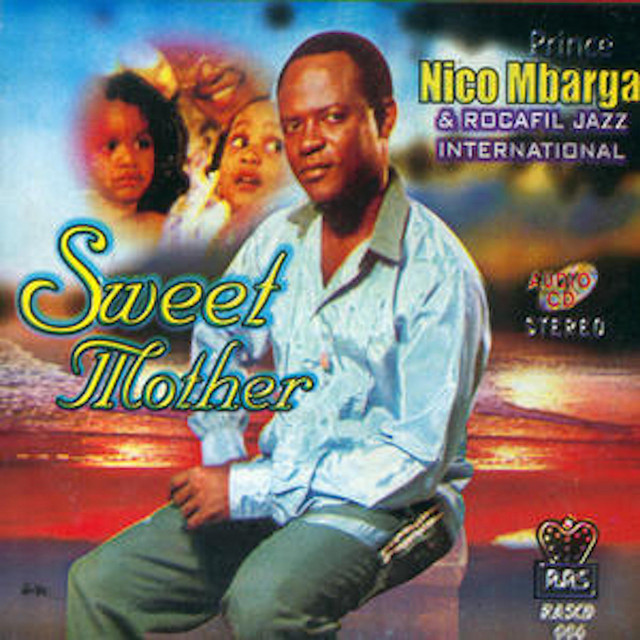
There are songs, and then there is Sweet Mother. Originally released by Prince Nico Mbarga in 1976, the highlife ballad remains one of Africa’s most beloved records. Its many modern reinterpretations from live tributes to sampled melodies in Afropop hits have kept its legacy alive. No one artist owns its revival; it’s a national sentiment that resurfaces every Mother’s Day, in skits, films, and acoustic renditions across YouTube. Its timeless appeal proves that some classics never truly fade; they simply wait for another generation to sing them again.
Love Me Jeje – From Seyi Sodimu to Tems

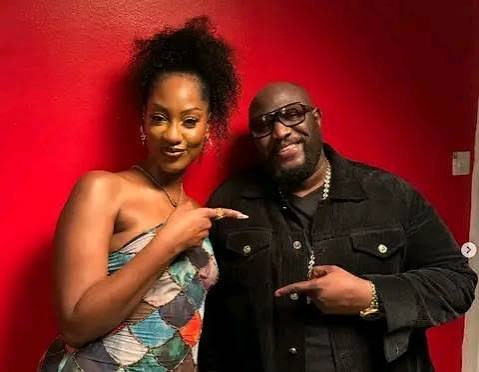
When Tems dropped her 2024 version of Love Me Jeje, the reaction was immediate. The single surpassed one million YouTube views within days, with fans praising how she turned a ’90s love anthem into a sultry, modern groove. The original by Seyi Sodimu and Shaffy Bello was a radio staple in 1997, marking one of Nigeria’s earliest R&B crossovers. Tems’ reinterpretation, smooth and stripped down, brought the same tenderness to a new digital era. It became a full-circle moment where yesterday’s romance met today’s minimalism.
Osondi Owendi – From Osita Osadebe to Flavour’s Highlife Revival

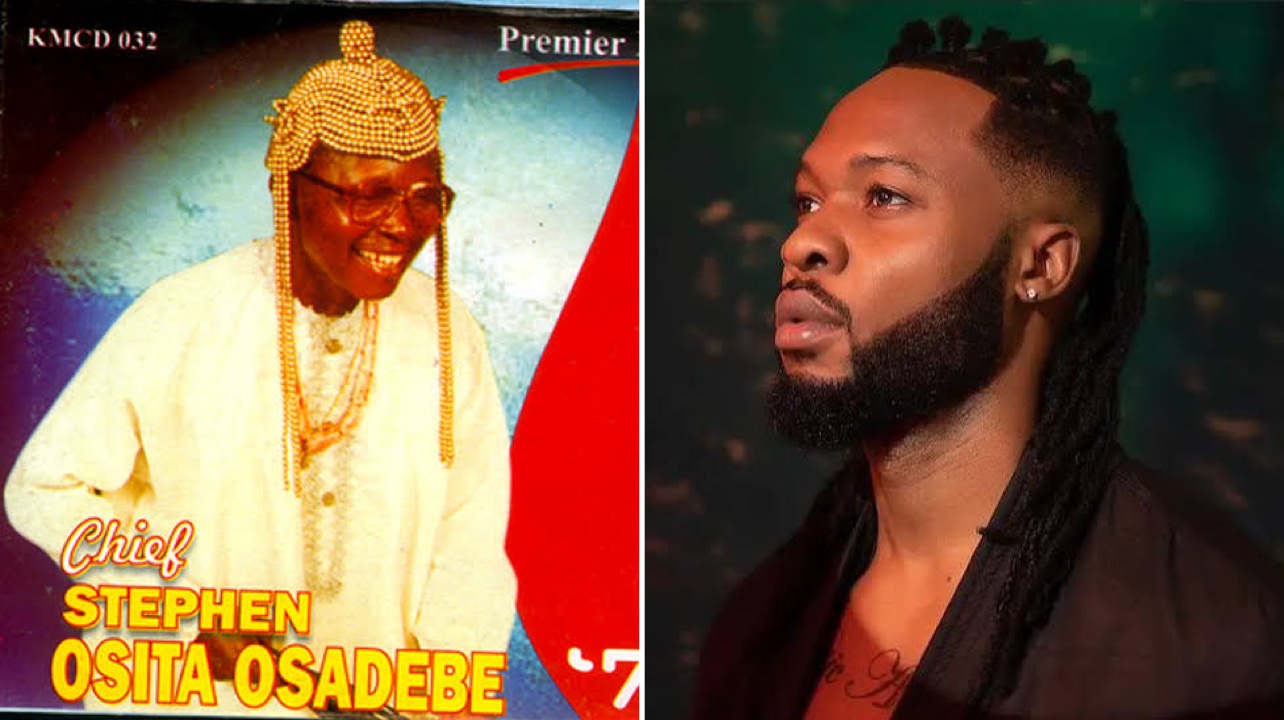
Highlife never left the southeast, but Flavour gave it a fresh heartbeat. His Ada Ada and Levels carry echoes of Osadebe’s Osondi Owendi, one of the most influential highlife tracks in Igbo music history. By merging vintage instrumentation with contemporary production, Flavour turned nostalgia into pop appeal. The respect is mutual as Osadebe’s legacy lives on every time Flavour takes a traditional rhythm and gives it swagger for a new crowd.
Olufunmi reimagined by ID Cabasa
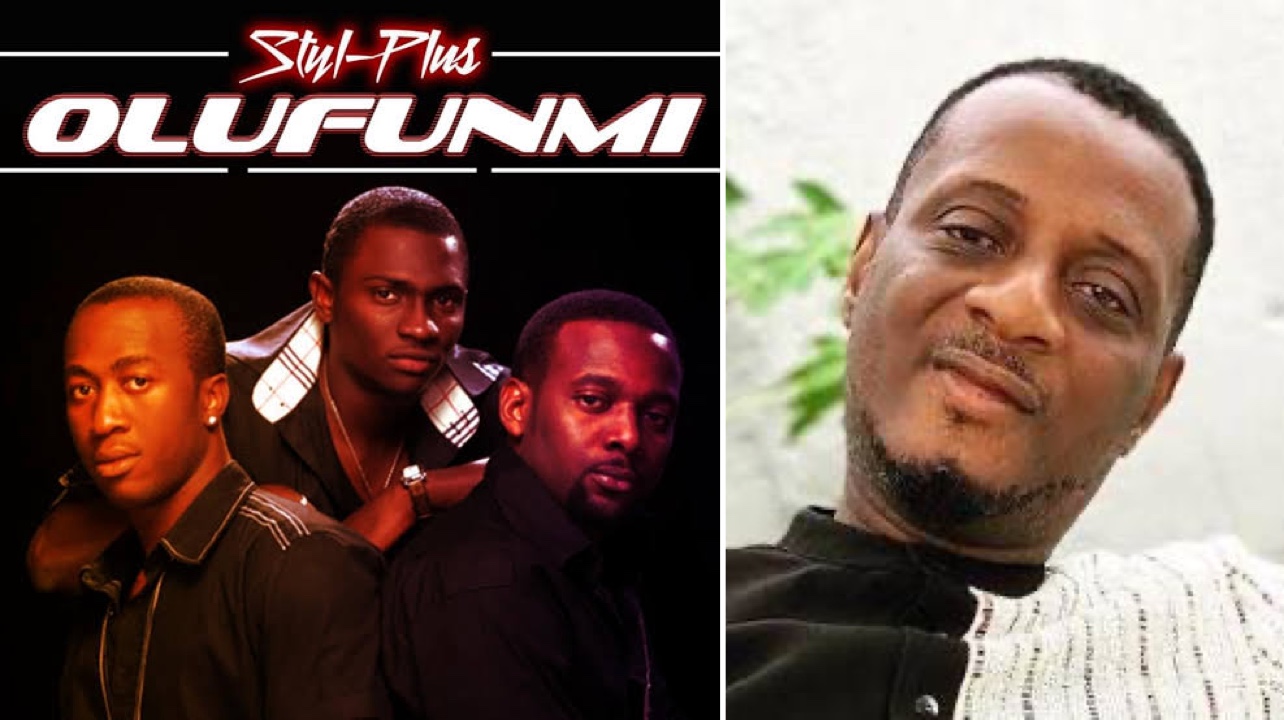
Styl-Plus’ Olufunmi was a defining early-2000s love ballad, and in 2024 producer ID Cabasa gave it a full modern makeover. Titled Olufunmi Reimagined, the track features Fireboy DML, Odumodublvck, BOJ and Joeboy. Cabasa preserves the original hook while updating the production and inviting a cross-generation cast of voices to carry the melody into playlists and TikTok loops. The video and streams show the formula at work — nostalgia plus contemporary star power equals instant rediscovery. The release clocked millions of plays on Spotify within weeks of release.
Oliver De Coque’s Legacy – Safin De Coque and the Trap-Highlife Fusion

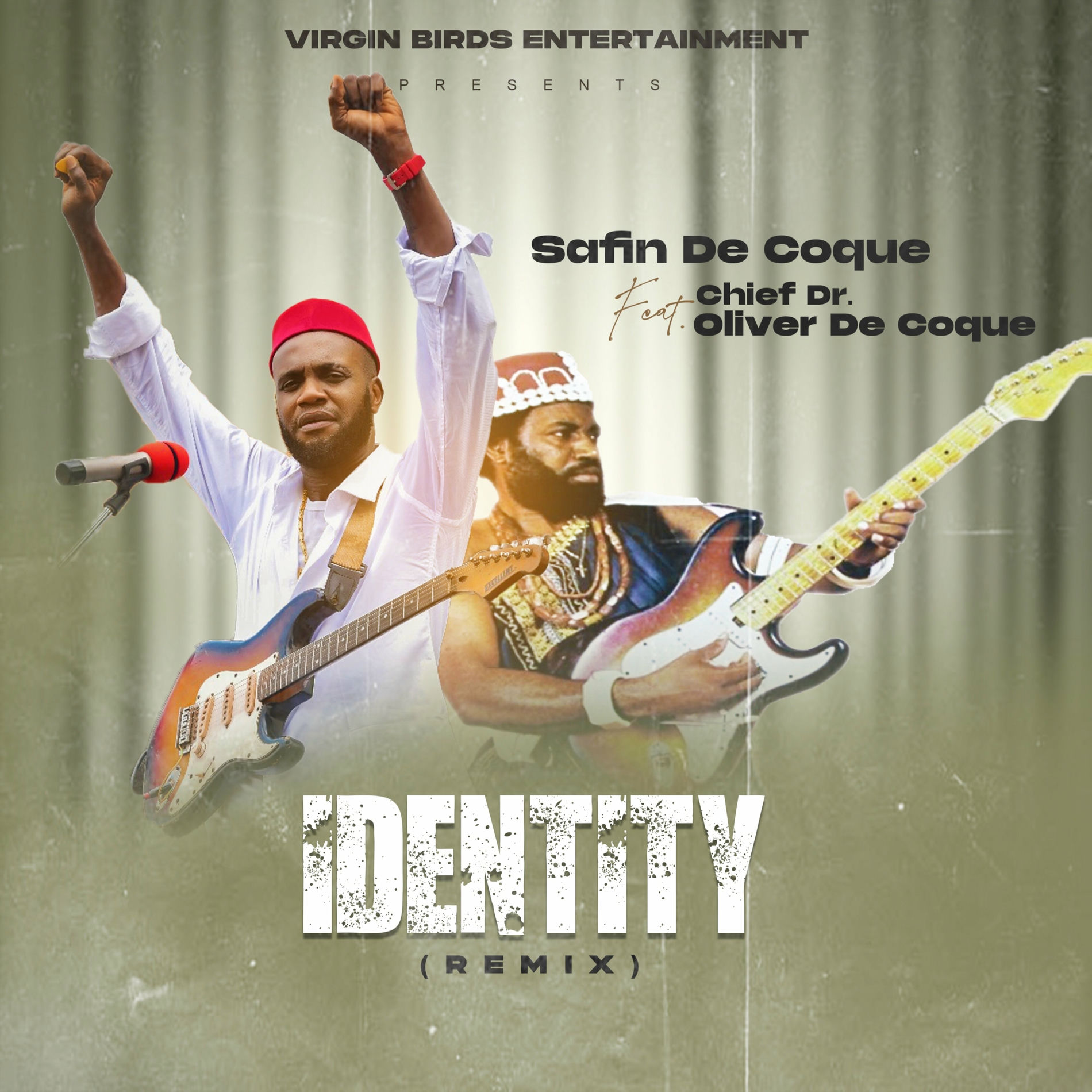
Some legacies run in the blood. Safin De Coque, son of the late highlife icon Oliver De Coque, took his father’s trademark guitar licks and layered them over trap beats and street rhythms. Songs like Egwu Eji and Identity blend old-school highlife with Gen Z bounce, proving that the remix formula isn’t only about covering old songs alone. It’s also about reimagining entire genres for a streaming generation.
Fela’s Sound Lives On – Burna Boy’s Global Conversation

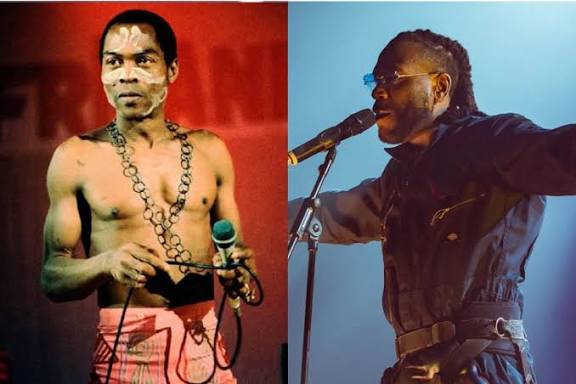
No revival conversation is complete without Fela Kuti. Burna Boy’s music remains the most successful modern reinterpretation of the Afrobeat pioneer’s legacy. Tracks like Ye, Onyeka, and Big 7 borrow Fela’s fearless energy and activism but repackage them for the Afrofusion age. This modernized Afrobeat has carried Burna from Lagos clubs to the Grammys, solidifying Fela’s influence as the heartbeat of Nigeria’s global sound.
Mike Ejeagha – From Folklore to TikTok Fame


Few could have predicted that a folklore storyteller from the 1970s would go viral on social media in the 2020s with his Gwo Gwo Nwgo classic. But late Mike Ejeagha’s deep-voiced wisdom and acoustic storytelling have found new life online. His songs are sampled in lo-fi remixes, used in Nollywood montages, and quoted by Gen Z creators who have turned his once-regional tales into digital poetry. It’s the remix era’s most unexpected triumph, which is another solid proof that the internet can make a legend out of a teacher all over again.
The Industry Take
For producers and record labels, these revivals aren’t just nostalgic experiments. They are smart business moves. Sampling and remaking familiar tunes guarantee emotional connection and clicks. Music executives admit that when a classic melody plays in a club or playlist, audiences instinctively react, even if they can’t place where they first heard it. That emotional recognition translates into streams, virality, and longevity.
The trend has also created a new kind of collaboration that transcends time. Some veteran artists like Ebenezer Obey and Seyi Sodimu have publicly endorsed these reinterpretations, calling them proof that Nigerian music is alive and evolutionary. It’s a mutual exchange of respect where the legends lend legacy, the newcomers bring visibility.
The Remix Era and What It Means
If the 2000s were about creating new genres, the 2020s are about curating them. Nigerian artists aren’t just remixing songs alone, they’re also remixing memory itself. Each revival tells a story of where we’ve been, what we’ve become, and how music continues to bind generations.
As Tems, Simi, and others continue to bridge eras, one truth remains clear: in Nigerian music, the past isn’t behind us. It’s right here in the chorus, waiting to be sung again, but this time, by new voices and louder speakers.