


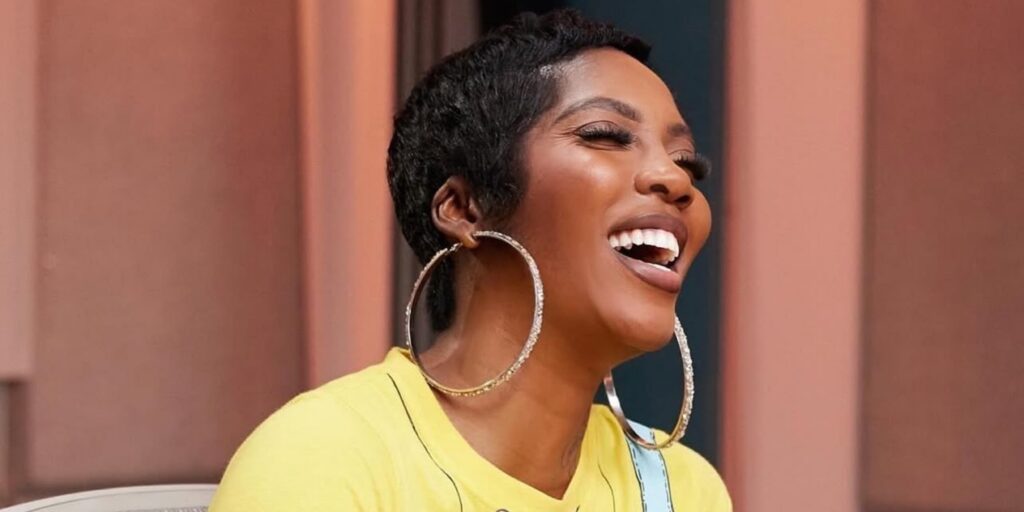
When Tiwa Savage told the world she could “be a second wife,” it sounded like the kind of confession that sets the internet ablaze. Within hours, clips of the statement dominated social media, sparking debates about love, marriage, and the double standards women face.
But behind the soundbite was a woman telling her truth in a weary, unfiltered, and brutally honest way. It seemed to be from a place of what fame, heartbreak, and time have taught her. Tiwa Savage said in a viral video:
“If I meet somebody who can really marry me, they are either in their 50s or already married.
So, I don’t know. Maybe I could be a second wife.”
Almost immediately, the conversation turned sensational. Yet when Tiwa later clarified her words, the picture became clearer. The songstress’ words were not about glamorizing polygamy but about emotional fatigue. She added:
“It’s not my choice though. I don’t want to. I wish I could tell my truth, but I will be dragged. I was a first wife, where did that get me? I got married as the only wife, but here we are. I’m tired of being heartbroken.”
Her confession was soaked in vulnerability, as if she was exhausted from her expectations being shattered.
A Queen Who Walked Through Fire

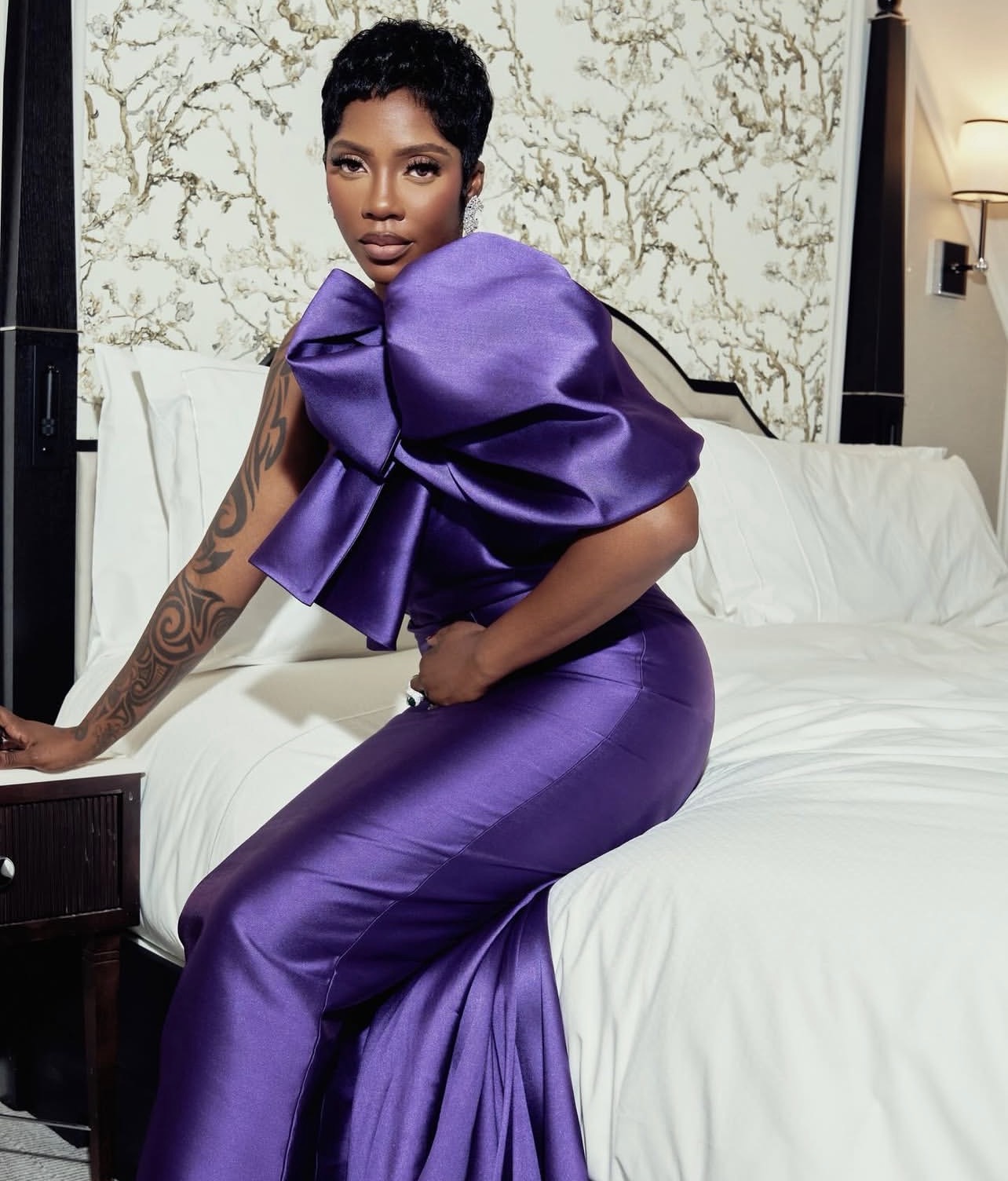
Tiwatope Omolara Savage’s story began far from the spotlight. Born on February 5, 1980, in Isale Eko, Lagos Island, she grew up surrounded by the kind of hustle that shapes survivors. Her family relocated to London when she was 11, and there, her relationship with music deepened.
She sang in church choirs, performed background vocals for icons like George Michael and Whitney Houston, and studied at Berklee College of Music in Boston. The training was global, but her dream remained local because she wanted to bring all that refinement home.
By 2010, Tiwa Savage returned to Nigeria with a sound too polished to ignore. Her debut single “Kele Kele Love” changed the language of Nigerian pop. It wasn’t just a hit, it was a declaration that female artists could command the stage with glamour and grit.
Her first album, Once Upon a Time, established her as Afrobeats’ leading woman, and in the years that followed, she built a reputation for defying ceilings.
Breaking Barriers in a Man’s Game

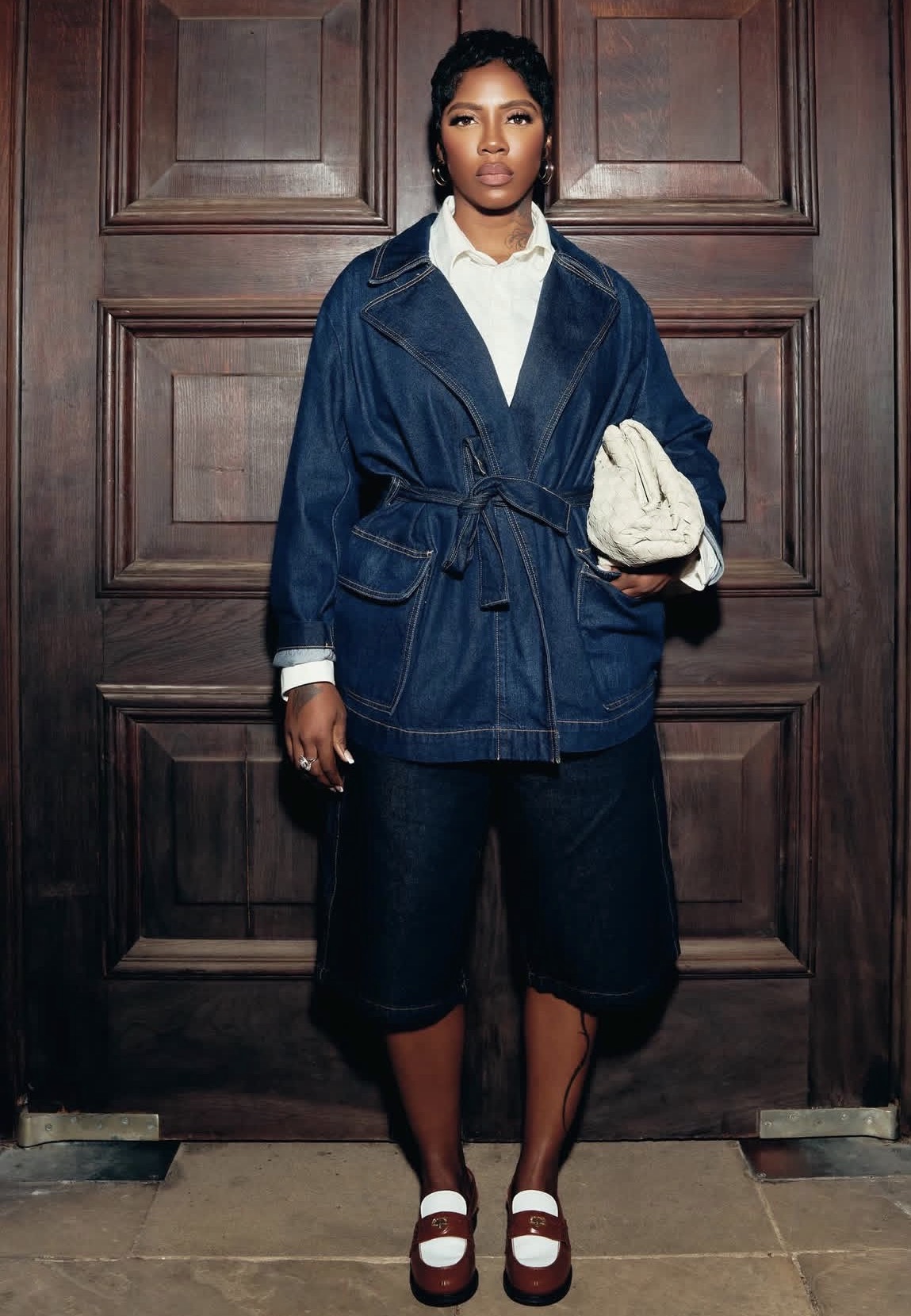
In an industry long dominated by men, Tiwa Savage carved her place by being both voice and brand. Her blend of Yoruba cadence and R&B precision redefined what a pop diva could sound like in Africa.
Her 2018 MTV Europe Music Award win, which is the first for an African female artist, marked a turning point. By then, Tiwa wasn’t just a performer; she was a cultural statement.
Yet her rise wasn’t without bruises. Her marriage to her former manager, Tunji “Teebillz” Balogun, was once a fairy-tale, but when it fell apart publicly, Tiwa became tabloid fuel. The internet speculated, the blogs feasted, and yet, she never disappeared.
Instead, she turned pain into melody. Songs like “Koroba,” “Somebody’s Son,” and “Dangerous Love”became her language of survival. The songs were not exactly about heartbreak, but rather about endurance.
Fame, Love and the Burden of Expectation

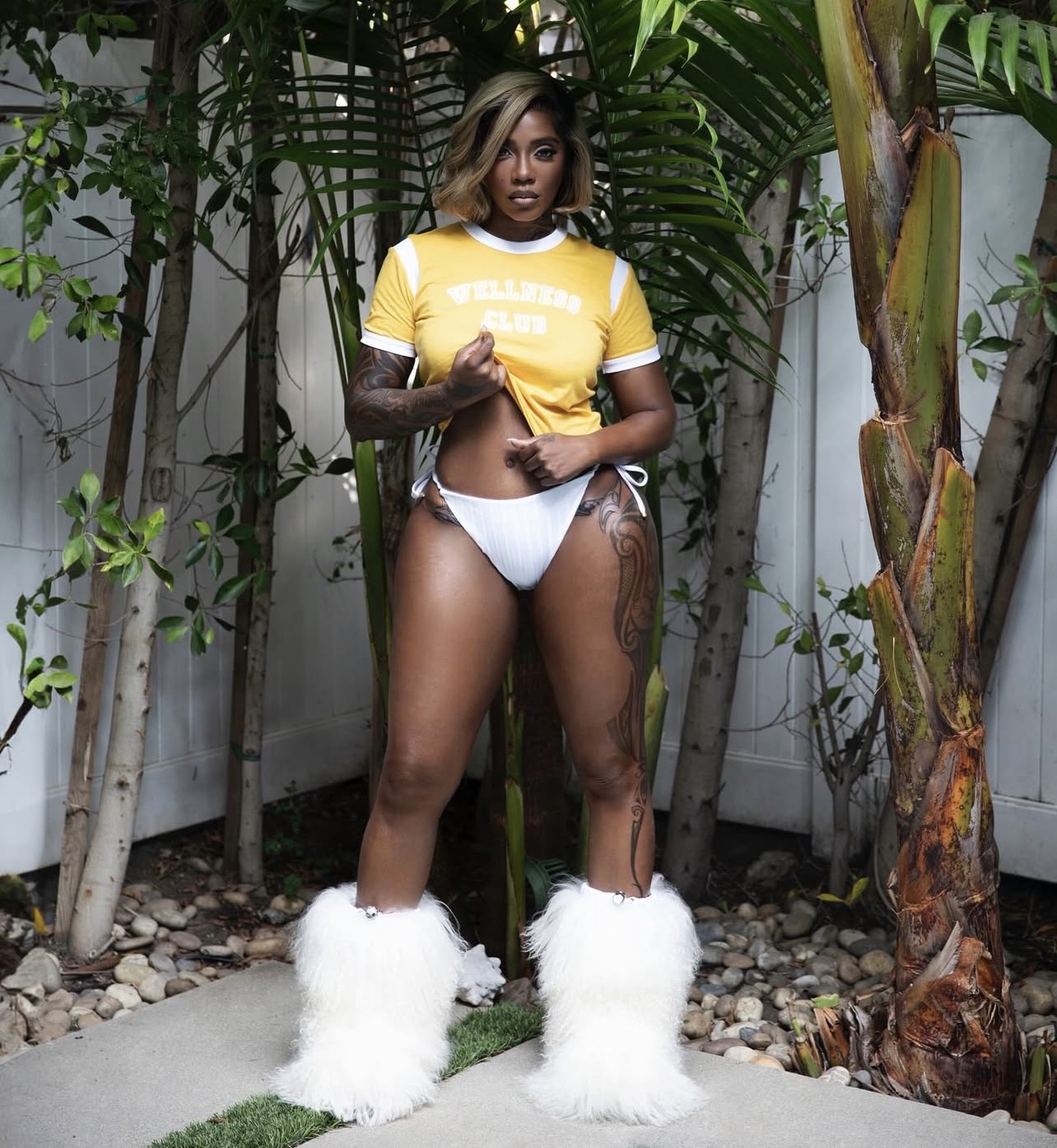
When Tiwa Savage speaks about love, it often comes from the trenches, with a mix of softness and scar tissue. Her latest remarks about being a “second wife” tapped into something deeper. It spoke on the emotional weight carried by successful women in a society that measures worth through marriage.
In Nigeria, where women are often expected to “have it all,” Tiwa’s honesty cut through the façade. She wasn’t romanticizing polygamy; she was confronting the loneliness that often hides behind success.
Her clarification echoed the fatigue that comes from constantly rebuilding oneself while being judged for every crack.
For Tiwa, fame hasn’t insulated her from heartbreak. If anything, it’s magnified it.
Reinvention, Not Retreat

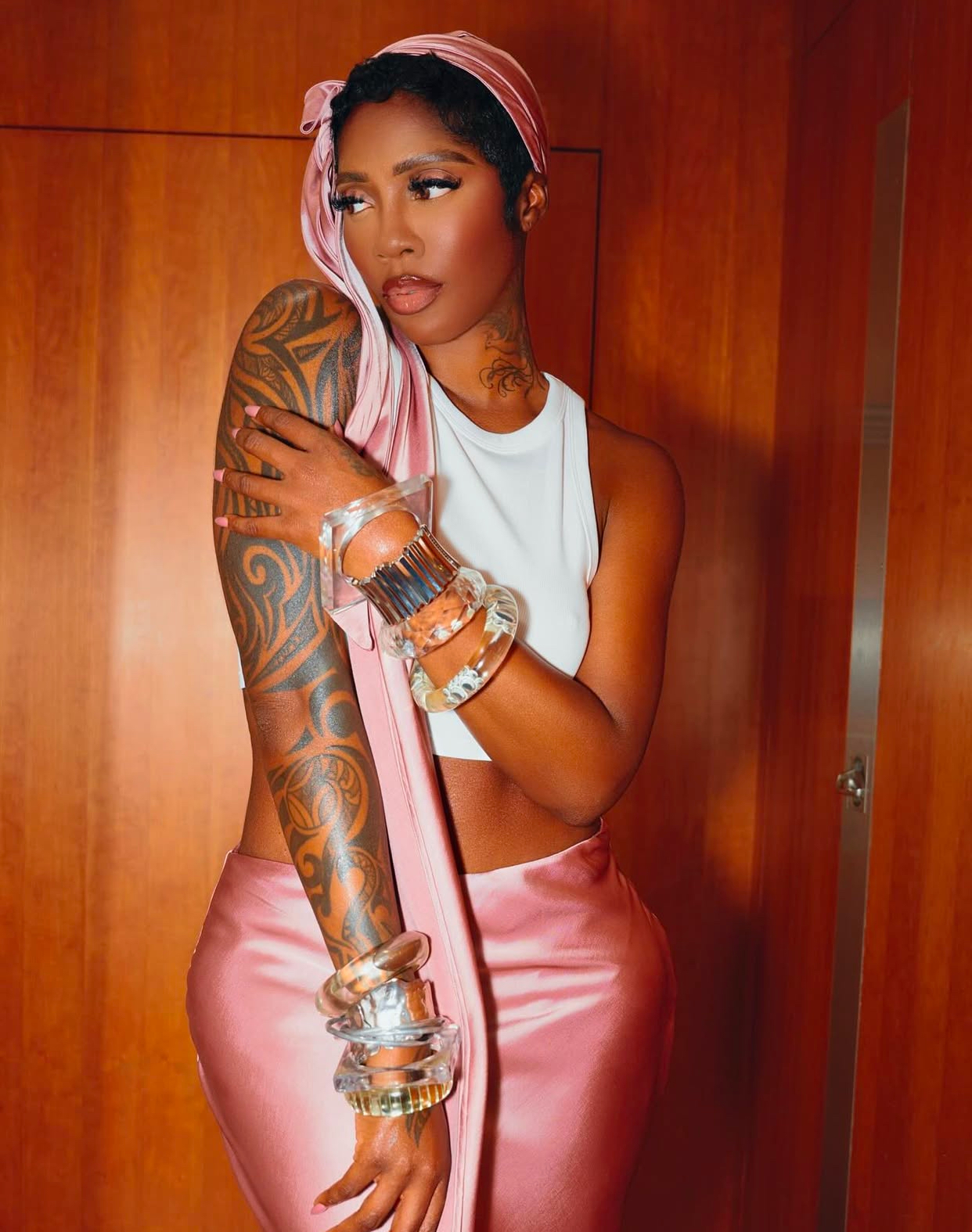
Tiwa Savage’s career has been a series of reinventions. From her Mavin Records days to signing with Universal Music Group, she’s never stopped expanding her sound or her story.
Her evolution from Afro-pop sweetheart to global powerhouse mirrors the Afrobeats movement itself, as ambitious, restless and unstoppable. But unlike many, Tiwa’s story has been deeply personal.
Her latest creative era feels introspective, stripped-down, and intentional. Her 2025 project, This One Is Personal, is a deeper look into her life, detailing the fame, fragility, and freedom she’s fought for.
Conclusion
After all the noise, Tiwa remains the same person who sings her truth and wouldn’t let trolls or critics weigh her down with their opinions. Just as she was able to move past her marriage crash, leaked sex tape and claims of not supporting her fellow female colleagues in the industry, Tiwa Savage will rise above the “second wife” narrative.