


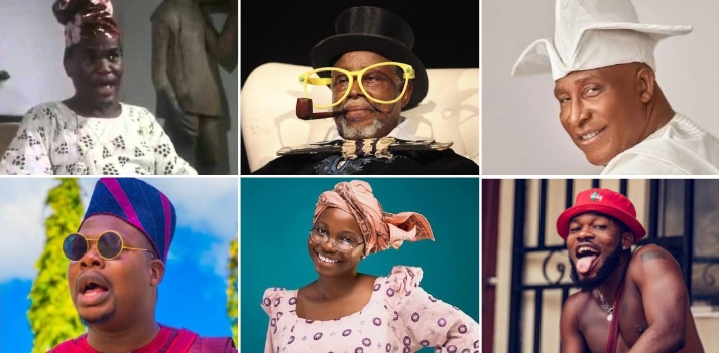
The laughter used to echo from the wooden stages of Ibadan, from smoky halls where kerosene lamps hummed against the ceiling and Baba Sala’s trumpet announced the night’s joy. Then, almost unnoticed, the laughter moved — from theatre curtains to the front camera of an iPhone. Somewhere between those two worlds, between Baba Sala’s carefully built stages and Taaooma’s one-minute kitchen scenes, a hidden thread connects generations. The Yoruba theatre never truly died; it just found new light through a digital lens.
When a skit by Broda Shaggi opens with his famous catchphrase — “Fine girl, can I know you?” — it feels unserious at first. But the structure, the rhythm, and the improvisation carry the same pulse as Hubert Ogunde’s legendary plays that once toured Western Nigeria. It is the same dramatic exaggeration, the same coded morality, and the same celebration of wit that Yoruba elders used to define as alárìnjó: performance as mirror, laughter as lesson. The actors changed; the essence didn’t. What the elders built with traveling troupes and script-laden vans, the skit-makers now build with tripods and ring lights.
Between both generations lies not a replacement but a reincarnation — a cultural relay race where one medium hands the baton to another. What Yoruba theatre began as an artistic resistance to colonial erasure, these skit-makers continue as digital resistance to irrelevance. To understand them fully, one must see beyond the humor — into the layered continuity that binds a Baba Sala sketch to a Mr Macaroni skit.
Roots Of Performance — From Hubert Ogunde’s Mission to the street stage
Before smartphones democratized comedy, performance in Yoruba land was a sacred negotiation between art, morality, and survival. The traveling theatre movement that emerged in the 1940s was more than entertainment; it was an unwritten social syllabus. Hubert Ogunde, often called the father of modern Nigerian theatre, envisioned drama as a vehicle of identity. His plays like “Tiger’s Empire” and “Bread and Bullet” fused satire with social critique, blending Yoruba proverbs and Christian allegory to confront both colonial rule and moral decay.

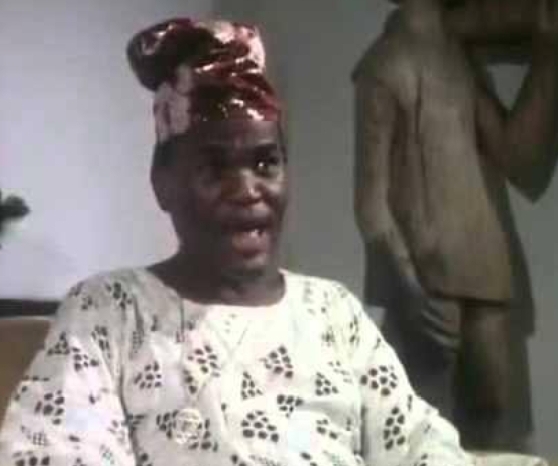
When Ogunde’s troupe journeyed from town to town, they brought with them a philosophy that would echo through generations — the belief that humor is not a lesser art but a carrier of wisdom. His successors, such as Duro Ladipo, Oyin Adejobi, and later Moses Olaiya (Baba Sala), inherited this ethos and turned it into a carnival of laughter and lamentation. Yoruba theatre was not performed for leisure; it was performed to awaken the sleeping conscience of the land.
The alárìnjó tradition itself — a traveling masquerade theatre dating back to precolonial Yoruba society — taught its performers to transform public spaces into moral classrooms. The actor was expected to entertain and enlighten, often in the same breath. In the way Ogunde’s chorus would suddenly freeze mid-song to emphasize a proverb, one can already hear the seeds of the punchline timing that today’s skit-makers use. The rhythm of Yoruba storytelling has always been theatrical, episodic, and communal — a perfect match for the algorithmic flow of social media content decades later.
The Yoruba stage prepared the soil for a future digital theatre long before its tools existed. Each jest, each exaggerated gesture, was a form of coded communication. The theatre was both performance and pedagogy. And in that rhythm of instruction-through-laughter, today’s skit culture found its ancestral home.
The Era Of Baba Sala And Adebayo Salami— Comedy As Culture, Not Content
By the 1970s and 1980s, the Yoruba theatrical tradition had expanded into film, aided by television’s arrival and the establishment of the Western Nigeria Television Service (WNTV) in Ibadan — Africa’s first. Baba Sala, Adebayo Salami, Adeboye, and their peers were no longer mere performers; they were custodians of Yoruba expression in an era of modernization. Their comedies were filled with linguistic brilliance and domestic chaos — the same themes that social media now thrives on.

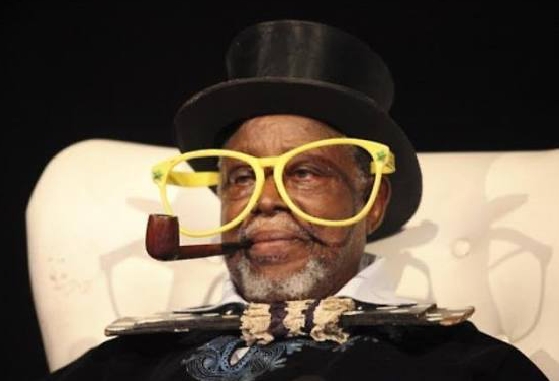
What separated Baba Sala’s humour from mere slapstick was its moral undertone. Beneath every exaggerated stumble or broken English joke was a reflection of class, greed, and humility. The Yoruba audience never consumed comedy passively; they decoded it. The theatre and early television era created a social mirror through laughter — a dynamic modern skit-makers have unconsciously inherited.
When Adebayo Salami transitioned from acting to directing, his focus on family drama, cultural pride, and everyday satire gave birth to the Yoruba home video boom. That era built a bridge between traditional stage and domestic television — a halfway house between Hubert Ogunde’s open-air theatre and YouTube’s endless scroll. Salami’s works, particularly the Awada Kerikeri brand, carried the DNA of social critique dressed as laughter.

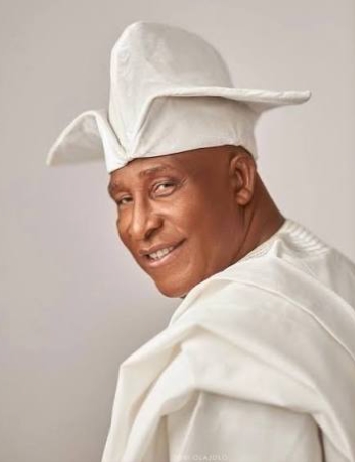
Decades later, when a skit-maker like Taaooma uses humor to expose the contradictions between African parenting and youthful independence, she is, in effect, continuing Oga Bello’s cinematic sermon with new gadgets. The difference lies only in production medium, not cultural function. Yoruba comedy remains a mirror wrapped in mischief.
The Rise Of Digital Theatre — Mr Macaroni, Broda Shaggi, And The New Alárìnjó
By the late 2010s, as broadband widened and Instagram birthed micro-fame, Yoruba comedic energy found new disciples.

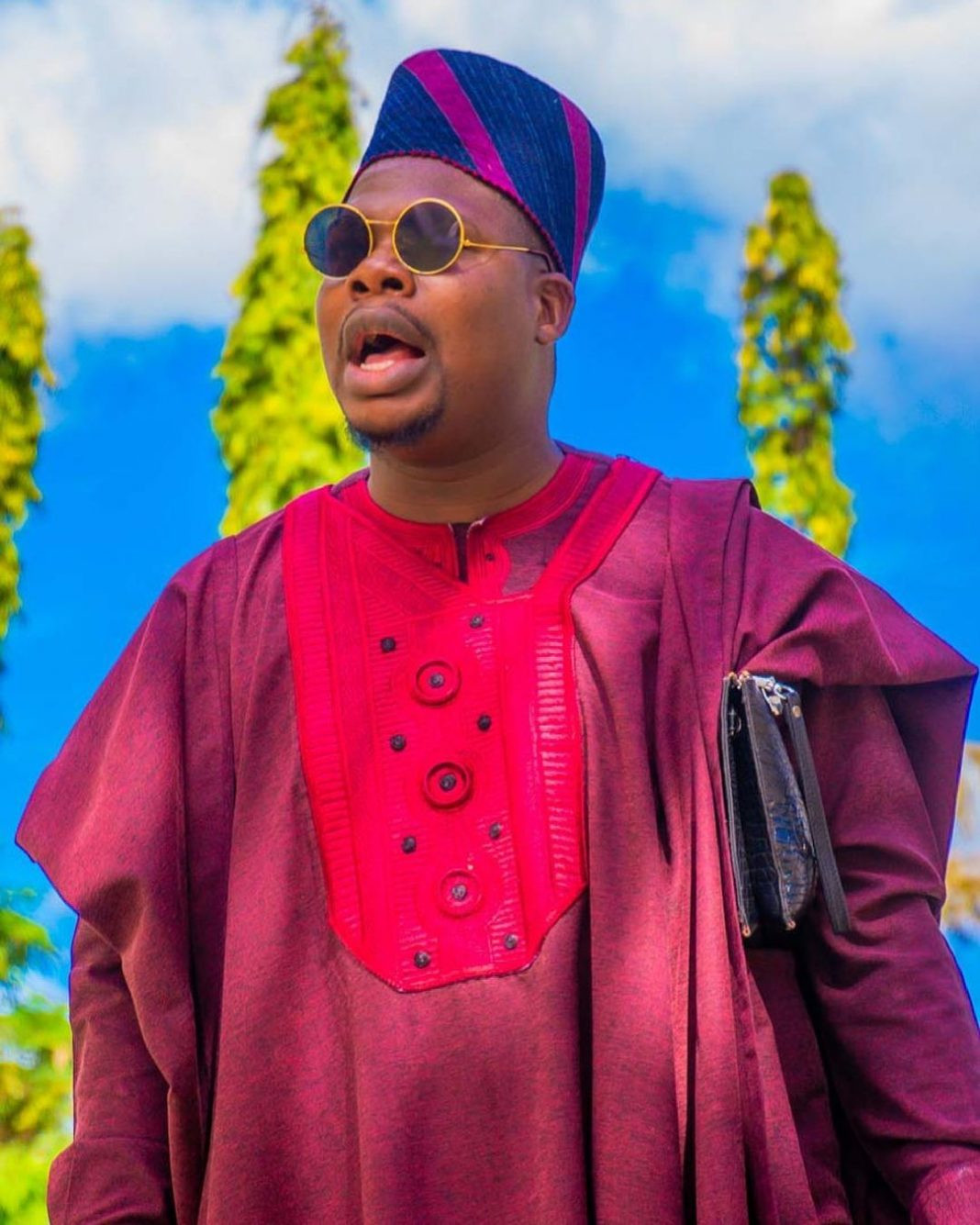
The transition was almost mystical. Debo Adebayo, known as Mr Macaroni, brought a level of performance discipline rarely seen in skit-making — his character “Daddy Wa” blended satire, sexual hypocrisy, and Yoruba honor culture into every exaggerated “You’re doing well!” His skits feel short, yet they echo the dramaturgy of Hubert Ogunde’s moral storytelling.
Broda Shaggi, another graduate of the theatrical spirit, brings alárìnjó into Lagos street aesthetics. His improvisational street interviews mimic the structure of Yoruba masquerade plays — sudden, interactive, unpredictable, yet deeply moral beneath the laughter. Behind his chaotic energy lies a dramaturgical mind — one trained by the Yoruba belief that laughter must teach, not merely amuse.


The most fascinating evolution came with the rise of female-led Yoruba skit-making. Taaooma’s multi-character acting (mother, father, child) invokes the multi-role stage tradition of Yoruba theatre troupes, where one actor might switch genders or temperaments mid-scene. Layi Wasabi, with his exaggerated diction and courtroom satire, revives the linguistic pomp once associated with Yoruba judicial drama on stage. Even smaller creators across Ibadan, Akure, and Abeokuta mimic the structure — they perform morality plays disguised as social jokes.


This digital revival shows that Yoruba theatrical genes are not extinct; they have simply adapted to fit the bandwidth. The same Yoruba audience that once gathered around makeshift stages now gathers around screens, seeking laughter that feels familiar yet modern. The alárìnjó has gone online
Linguistic Legacy — Yoruba Humor And The Power Of Proverbial Speech
Language has always been the heartbeat of Yoruba performance. The rhythm, tone, and layered meanings of Yoruba proverbs carry an emotional sophistication that transcends direct translation. The theatrical elders mastered this — and so have the skit-makers.
Baba Sala’s humor often came from word distortion — deliberate malapropisms that exaggerated social difference. Mr Macaroni continues this by blending English with Yoruba politeness markers like “Ehn ehn” and “Ma’ammy.” The code-switching is not stylistic flair; it is a cultural identity marker. Yoruba speech thrives on tone, on rhythm, on what linguists call pragmatic irony.
Modern skit-makers use Yoruba to express societal contradiction — the conflict between tradition and urbanization. A Taaooma skit where a mother scolds her child for wearing revealing clothes is a direct digital echo of a 1980s Yoruba play warning against Western influence. The syntax of moral conflict remains unchanged; only the screen shrank.
Proverbial speech remains the crown jewel of Yoruba expression. “Ọ̀rọ̀ pẹ̀lẹ́ ló ń tún ara ẹni ṣe” — gentle words heal the self. This wisdom appears even in digital form. Layi Wasabi’s witty “lawyer” character often embeds Yoruba proverbs inside courtroom jokes, turning comedy into philosophy. The Yoruba tongue remains both instrument and message — a survival weapon in a world increasingly flattened by English dominance.
The new skit era thus safeguards not just humor but linguistic heritage. The jokes trend, but the language endures. Each meme carries a proverb’s echo, each punchline hides a moral warning. Beneath the laughter, the Yoruba soul still speaks.
Intergenerational Bridges — When Elders Watch The Young Perform
Across many Yoruba towns, it’s no longer strange to see veteran actors appear in YouTube skits. Chiwetalu Agu guest-starring in a Mr Macaroni video isn’t just collaboration; it’s cultural transference. These appearances symbolize reconciliation between eras. The elders, once kings of the screen, now play guests in digital kingdoms. Yet their presence legitimizes the skit space, grounding it in heritage.
Kunle Afolayan’s filmmaking school has also become a bridge — training a generation of creators who merge Yoruba theatrical discipline with digital experimentation. Some skit-makers trained in stage performance before switching to online formats, understanding timing and audience psychology from live theatre experience.
In cultural gatherings and interviews, veterans like Nkem Owoh, Yinka Quadri have expressed admiration for how skit-makers sustain Yoruba comedy’s visibility in a world saturated with English-language content. This mutual respect closes a generational loop. The laughter that once echoed in physical theatres now echoes through Wi-Fi signals — different medium, same ancestry.
The collaborations have even birthed hybrid performances: extended skit series that feel like serialized theatre. Mr Macaroni’s “Professor Hard Life” series follows dramatic arcs; Taaooma’s family episodes have recurring character arcs similar to traditional troupe plays. The line between theatre and digital skit has blurred completely. The Yoruba comedic tradition, once confined to stage, now travels borderless, global, unending.
Social Themes And Moral Continuity — Laughter As A Form Of Resistance
Every Yoruba play, from Ogunde’s time, carried an ethical seed. The plays ridiculed greed, dishonesty, and moral decay — not through sermons, but through laughter that exposed human folly. That same spirit powers the digital skit era.
Mr Macaroni’s videos about corrupt politicians mirror Ogunde’s “Human Parasites.” Taaooma’s depictions of parental discipline revive Oyin Adejobi’s domestic moral plays. Broda Shaggi’s street interviews carry the sharpness of Baba Sala’s working-class satire. The moral continuity is almost uncanny. The Yoruba culture of ẹ̀kọ́ ní ṣíṣe àwada — teaching through humor — remains the invisible syllabus of skit-making.
The social function of Yoruba humor has also survived. In a country where news fatigue and economic hardship dominate, skit-makers restore a form of communal therapy. Just as the theatre once gave audiences an escape from colonial tension and post-war despair, digital skits now provide relief from social pressure. Beneath the laughter lies endurance — the Yoruba philosophy of àkúnlẹ́yàn (destiny chosen kneeling), the understanding that life’s burdens are better borne with humor.
The Yoruba worldview treats laughter not as distraction but as survival. The elders used it to instruct; the youth use it to cope. Between both lies a sacred continuity of healing.
Technology And The Spirit Of The Masquerade
To a Yoruba observer, the phone camera functions like a new kind of mask. In traditional Egúngún performance, the masquerade conceals identity to reveal truth. In digital skit-making, anonymity and character acting play the same role. Mr Macaroni’s “Daddy Wa” is not Debo Adebayo — he is a symbolic vessel of societal hypocrisy. Taaooma’s mother character is not Mariam Apaokagi; she is a distilled archetype of Yoruba motherhood.
Technology, in this sense, has become the new costume. The camera filters and comic editing replace the masquerade veil, but the principle is unchanged: concealment as revelation. Yoruba theatre always believed that humor wears disguise to tell truth safely. The modern skit-maker inherits that license — to mock power, to ridicule vice, to heal the collective through laughter.
Social media platforms like Instagram, TikTok, and YouTube have thus become the new Oja (market square). The Yoruba performer still dances in public, but now the marketplace is digital. Each skit is a short procession — entry, performance, and applause — a continuation of the ancient performance circle.
This metaphorical link between technology and tradition is perhaps the most poetic evidence that Yoruba theatre never vanished. It simply migrated into data streams, its masquerade now coded in pixels.
Cultural Economy — From Stage Revenue To Streaming Royalties
The economic evolution of Yoruba performance mirrors its technological one. During the theatre era, actors survived on ticket sales and donations. Television introduced royalties, though inconsistently. Today, digital skit-makers operate in a monetized system — advertising, brand deals, and streaming revenue.
Yet the entrepreneurial spirit that sustained the alárìnjó troupes lives on. Yoruba performers have always been self-reliant producers. Ogunde built his own theatre; Baba Sala funded his films; modern skit-makers self-finance production through sponsorships. The business model changed, but the independence persisted.
A crucial continuity lies in community support. Yoruba audiences, historically loyal to their comedians, continue to serve as economic lifeline. Just as villagers once bought tickets for itinerant plays, viewers now boost algorithms through likes and shares. The performance economy remains rooted in communal participation.
The global reach of digital Yoruba comedy has opened a new diaspora audience. Skits subtitled in English bring Yoruba humor to non-Yoruba viewers, expanding cultural capital and visibility. The Yoruba stage has gone global without leaving home.
The Future Of Yoruba Theatre — Digital Heritage And Cultural Immortality
What the Yoruba elders built was never meant to vanish; it was meant to evolve. The same spiritual current that carried Ogunde’s troupe across Western Nigeria now flows through data cables and camera lenses. The Yoruba art of performance has become digital heritage — accessible, remixable, immortal.
Yet preservation remains a challenge. Theatrical documentation is scarce, and many young creators know the elders only through fragmented YouTube clips. Bridging that gap requires not just nostalgia but intentional archiving. Platforms that curate Yoruba theatre history could serve as the new cultural libraries, ensuring that digital creators understand the roots of their craft.
The cross-generational dialogue continues to expand. The Ooni of Ife’s endorsement of Yoruba cultural representation online signals institutional recognition of this digital theatre. If Hubert Ogunde used the stage to defend Yoruba identity from colonial dilution, the skit-makers now defend it from cultural amnesia.
What ties them all together is spirit — the ẹ̀mí àwada, the soul of laughter. It is the Yoruba belief that humor can dignify pain, that wit can balance chaos, and that laughter, when rooted in truth, can preserve a people’s identity. The phone may be modern, the jokes may trend, but the heartbeat remains ancestral.
Closeout — The Unbroken Stage
Long after the wooden stages crumbled and the applause faded into digital emojis, the Yoruba theatre’s pulse continues to beat — now behind screens, in ring-lit rooms, in cities where tradition and technology dance to the same drum.
Each time a young skit-maker says, “You’re doing well!” or “Ehn ehn mummy,” somewhere, an elder smiles knowingly — for the laughter has come home again. The Yoruba stage did not die; it multiplied. Its lights are countless now, glowing not from lanterns, but from the tiny blue screens in every palm.
What connects the elders to the skit-makers is not nostalgia but destiny — a lineage of performance that adapts, survives, and teaches. The Yoruba performer has always been both clown and prophet, both comedian and custodian. From Ogunde to Macaroni, from Baba Sala to Taaooma, the laughter is the same river — flowing through changing landscapes, eternal in spirit.
The curtain never fell. It simply opened into another world.