


In the minds of thousands of Nigerian visa applicants, the biggest challenge is securing an appointment. But the real turning point is what happens inside the interview room.
Whether you’re seeking to enter the United States, United Kingdom, Canada, or a Schengen country, your choice between Lagos and Abuja doesn’t just affect convenience or traffic logistics—it can shape your fate during the interview itself.
This article focuses on what the headline promises: the visa interview experience. It unpacks the emotional, procedural, and practical differences between interviews conducted in Lagos and Abuja for the four most sought-after destinations: U.S., U.K., Canada, and Schengen.
You’ll get a real sense of what to expect, what can go wrong, and how to prepare not just your papers, but your posture, your tone, and your story.
?? The U.S. Visa Interview — Behind the Glass
Of all visa interviews, the U.S. visa process is the most visibly judgmental—and immediate. Unlike other countries that make you wait days or weeks, U.S. consular officers often decide within minutes, while you’re standing in front of them.
The Setting
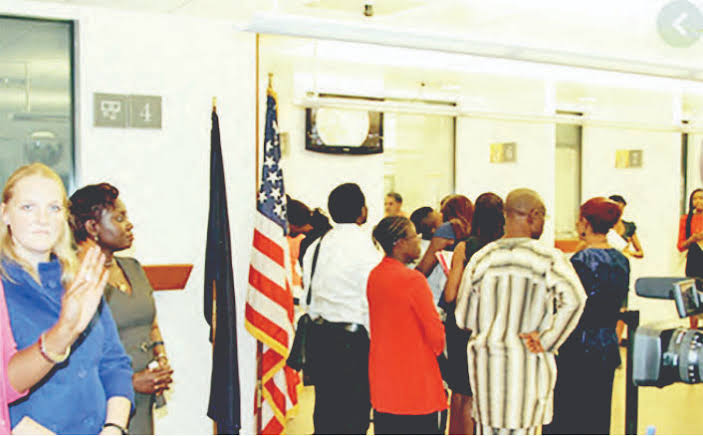
Lagos: The U.S. Consulate in Victoria Island. Hot, crowded, high volume. The waiting area outside is packed by 6:00 a.m. Even Priority slots do not shield you from lines.
Abuja: The U.S. Embassy in the capital. Quieter, more orderly, and easier to reach from within Northern Nigeria.
The Experience

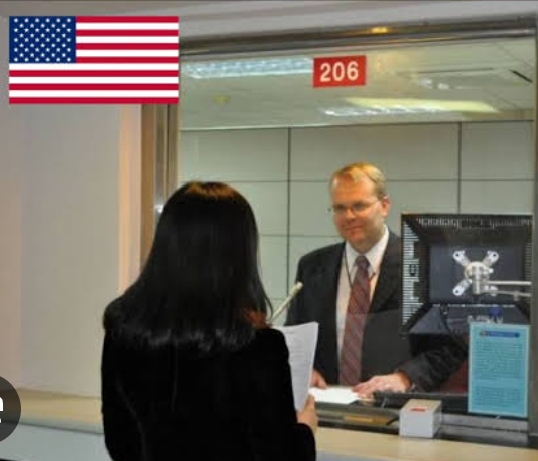
You are called to a window in a bulletproof glass cubicle. On the other side sits an officer trained to assess threats, immigration risk, and fraud—all in under 3 minutes.
You are fingerprinted again before speaking.
The officer will not necessarily look at your documents.
They observe your tone, fluency, confidence, and consistency.
Key Differences Between Cities:
In Lagos, consular officers handle a higher volume. They may seem more lenient with clarification and pause if they detect nerves but sense truth.
In Abuja, interviews tend to be shorter. Many applicants are interrupted mid-sentence. You may be rejected not for what you said, but how quickly you were judged.
Real Applicant Narratives:
“I was only able to say my name and my destination before the Abuja officer handed me a refusal slip.”
“In Lagos, the officer didn’t even look at my bank statement, just asked what I did for a living and told me ‘your visa is approved.’”
What They Look For:
- Clear economic and social ties to Nigeria
- No intent to overstay
- Strong travel history helps but is not mandatory
Pro Tip: If your answers sound memorized or overly perfect, it becomes suspicious. Speak as if explaining to a friend, but clearly.
The ?? U.K. Interview Illusion — When the Real Conversation Happens

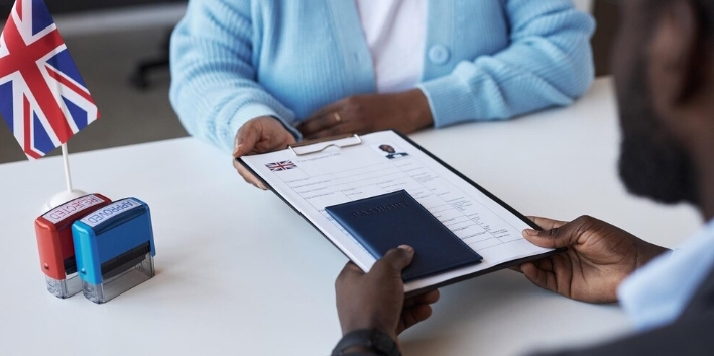
The United Kingdom doesn’t usually conduct live interviews at the point of application. Your main appointment is with TLScontact, not UKVI staff. But don’t be misled: the UK process includes hidden evaluations that affect outcomes.
The Lagos & Abuja TLS Experience
Lagos (Victoria Island or Ikeja) TLS centers are packed. Time slots are rushed. Clerks simply check your documents and collect your biometrics.
Abuja’s TLS center is more orderly, with less wait-time and friendlier staff, but the same process.
No questions are asked on-site. You leave, often without knowing if your documents were even read.
When the Interview Happens
A small but critical number of applicants—especially students, dependents, or applicants with questionable histories—receive an email requesting a follow-up interview.
This may be:
- A video call
- A phone interview
- A written request for clarification
These interviews test:
- Authenticity of your sponsor
- Whether your employment or study plan is credible
- Whether you understand your own application
What Applicants Miss:
- Your written answers in the visa form are the real interview.
- UKVI caseworkers interpret tone, structure, and inconsistencies.
Abuja applicants are sometimes flagged for follow-up if UKVI suspects northern document fraud. Lagos applicants are often overlooked because of bulk—but this can hurt or help, depending on detail.
?? Canada’s Quiet Gatekeepers — When Silence Is Not Safety


Canada uses VFS Global, and its in-person process ends after you submit biometrics. But don’t assume absence of an interview means absence of scrutiny.
Canadian visa decisions are among the most algorithm-driven, but if a red flag appears, you will be called.
Lagos vs. Abuja VFS
Lagos: High traffic, occasional delays. VFS staff are procedural.
Abuja: Lower volume, better attention to document format and file size issues.
Who Gets Interviewed:
- Applicants with refugee/asylum-linked documents
- Financial discrepancies
- Misrepresented family ties
- Some student visa applicants flagged by IRCC
When an interview is triggered, it is often:
- A video call with an IRCC official
- Conducted in Abuja High Commission
These interviews are detailed, lasting up to 20–30 minutes, with specific questions:
- Who paid your tuition?
- Why Canada, not the U.S. or U.K.?
- Can you explain this bank statement inconsistency?
Important: Lagos applicants are less likely to be flagged for interviews due to volume. This may benefit shallow applications in the short term but raises refusal rates.
Schengen Zone — Interview by Country, Not by Continent
No two Schengen countries treat Nigerian applications the same. Some—like France, Netherlands, and Spain—rarely interview. Others—Germany, Austria, Belgium—almost always do.
Lagos
- Most interviews are conducted at VFS. Few applicants go into embassy buildings.
- French and Dutch consular staff rely on document screening.
Abuja
Germany, Austria, Belgium conduct live interviews inside their embassies.
Applicants are often surprised by how thorough the questions are.
Common Questions:
- Why are you traveling now?
- What evidence do you have you’ll return to Nigeria?
- Why are you visiting this specific country?
Some embassies also verify employment details via phone calls to Nigerian employers—especially from Abuja.
Inside the Room: Tone, Tension, and Truth
Across all visa types, the interview room environment impacts your performance.
In Lagos:

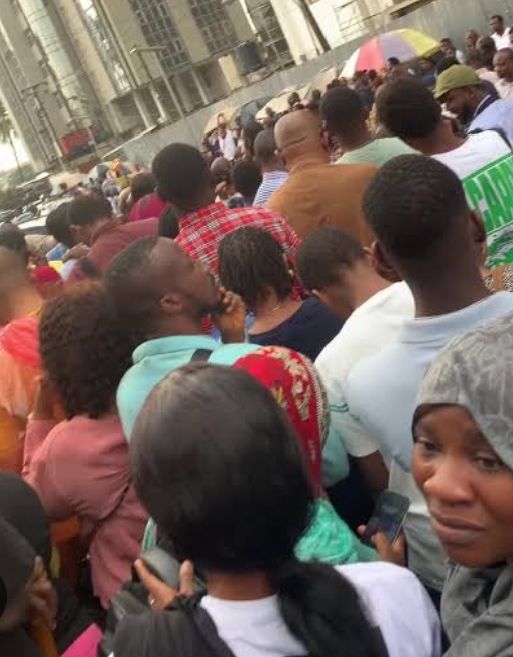
- More applicants, more noise, more distraction
- Officers seem used to chaos, but it’s harder to stand out
- Nerves are more visible, especially for first-time travelers
In Abuja:
- Quieter, fewer applicants, more scrutiny
- You may feel exposed, and that pressure can backfire
- Officers are known to interrupt, probe inconsistencies faster
Behavioral Triggers That Hurt Applicants:
- Speaking too fast or too slow
- Using memorized phrases (“I wish to attend a conference”)
- Inability to explain basic plans (e.g., dates, sponsors)
This is where many fail. It’s not the documents—it’s the delivery. Especially in cities where cultural misreadings (e.g., silence interpreted as evasion) matter.
The Interview Room Reality — What Actually Happens
Even though the process differs slightly across embassies, the core experience inside the interview room (or desk) has defining features:
- Officers read your eyes and your tone as much as your form
- Interviews rarely last more than five minutes (U.S.)
- The embassy rarely keeps documents unless confident
- They don’t reject you on one thing—but how it all adds up
In Abuja, the silence can feel clinical. In Lagos, the crowd can feel theatrical. But what unites both is how quickly decisions are made. You’re judged for:
- Clarity
- Confidence
- Continuity in your story
The Aftermath — Passport Collection
This is the quiet part, but it leaves many unprepared.
U.S.
- If approved, your passport is held and returned via DHL
- If refused, it’s returned immediately with a form stating denial reason
UK
- You receive an email: “A decision has been made”
- You never know the outcome until you collect your passport at TLS
Canada
- You receive a Passport Request Letter if approved
- Your passport is then submitted again to VFS for stamping
Schengen
- Passport returned in a sealed envelope via VFS
- If denied, a formal reason letter is attached
City Dynamics:
- Lagos passport returns tend to be faster due to larger courier volume
- Abuja may take slightly longer but less chaotic at point of collection
Closing Reflection: The Visa Interview Is the Moment, Not the Process
The real difference between Lagos and Abuja isn’t convenience. It’s how you’re evaluated. In one, you may feel like a number. In the other, a case file. Neither is easier or harder—just different in pressure and perception.
The key isn’t the city. It’s whether you understand that your interview is a performance, and every word, glance, or pause is being measured.
So when your turn comes, don’t just have your documents ready. Have your mind rehearsed for clarity, your voice practiced for calm, and your answers shaped not by perfection—but by truth spoken simply and clearly.
Because when you walk into that embassy, you’re not asking for a visa. You’re telling a story. And it must be believable.