


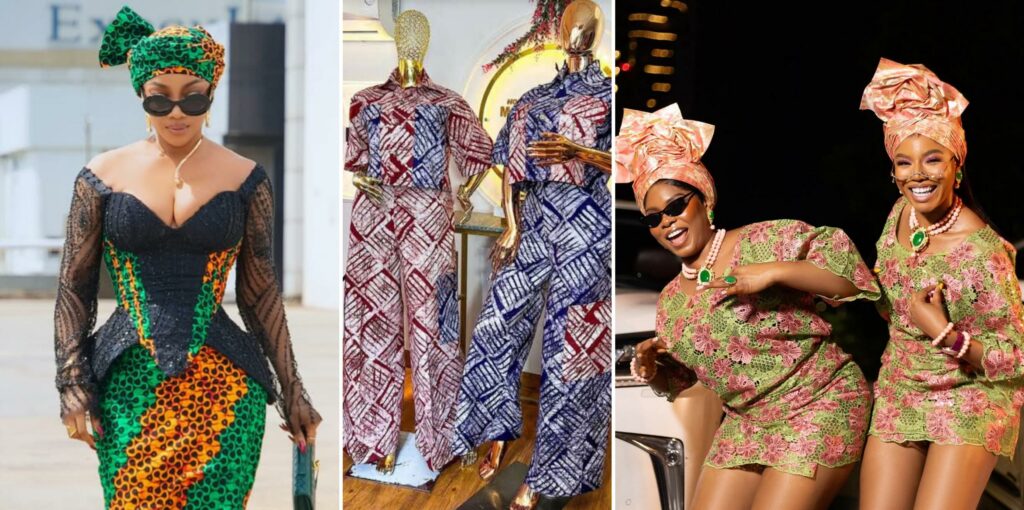
Fashion is cyclical. What fades away often finds its way back, refreshed and reimagined. In Nigeria, this cycle is playing out boldly in the revival of traditional fabrics and silhouettes once associated with our mothers and grandmothers. From lace bubas to ankara jumpsuits, and now the resurgence of Kampala, the past is not just influencing the present, it’s defining it.
The Comeback of Lace & Buba

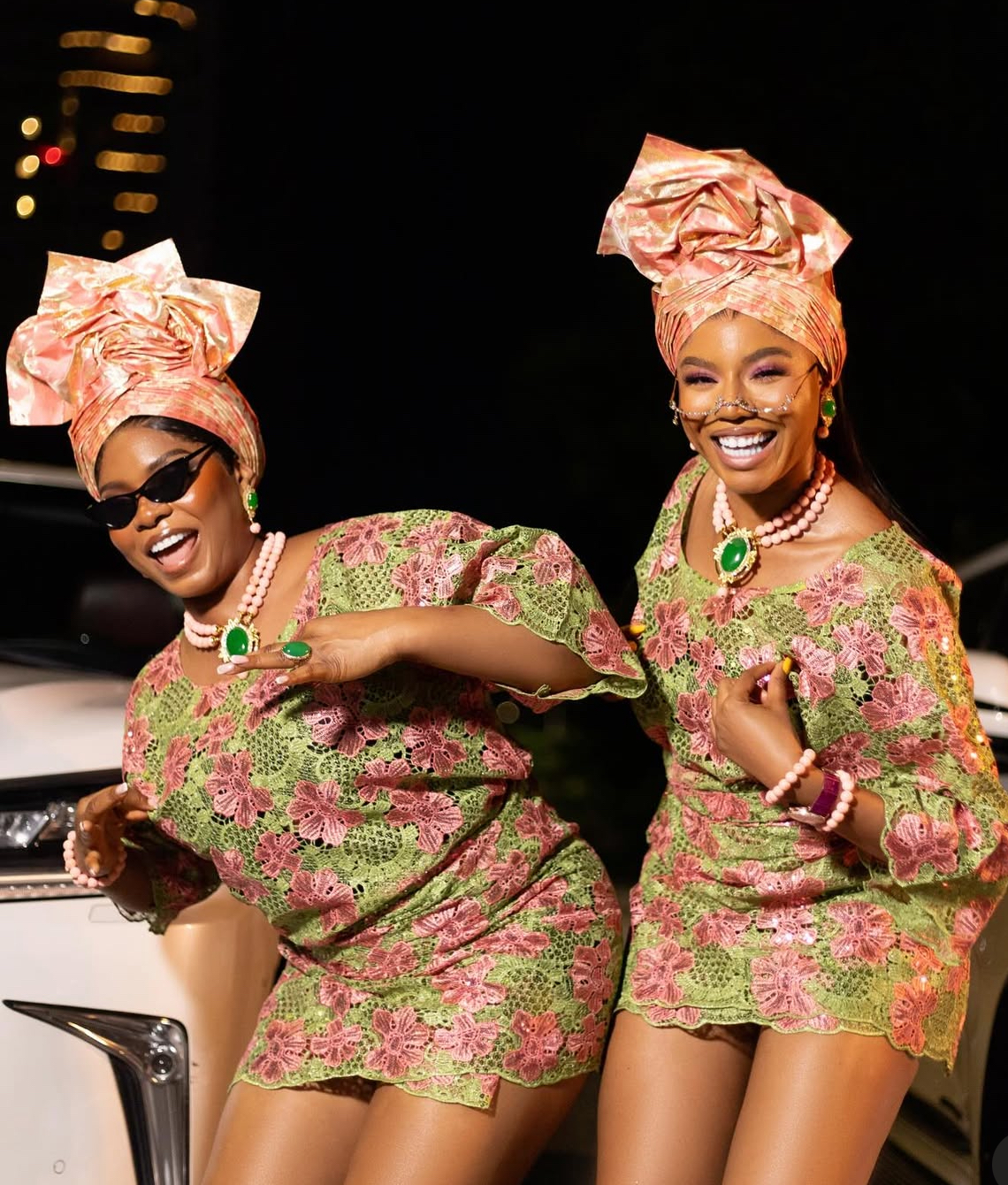
There was a time when lace meant stiff, oversized bubas, floor-sweeping iro, and elaborate gele tied high for church or owambe. Many millennials and Gen Z once saw these looks as “dated” or “old-school.” But today, designers are reshaping lace into daring evening dresses, chic minis, and off-shoulder tops. Even the traditional buba is getting slimmer cuts, statement sleeves, and bold embellishments that make it wearable beyond formal events.

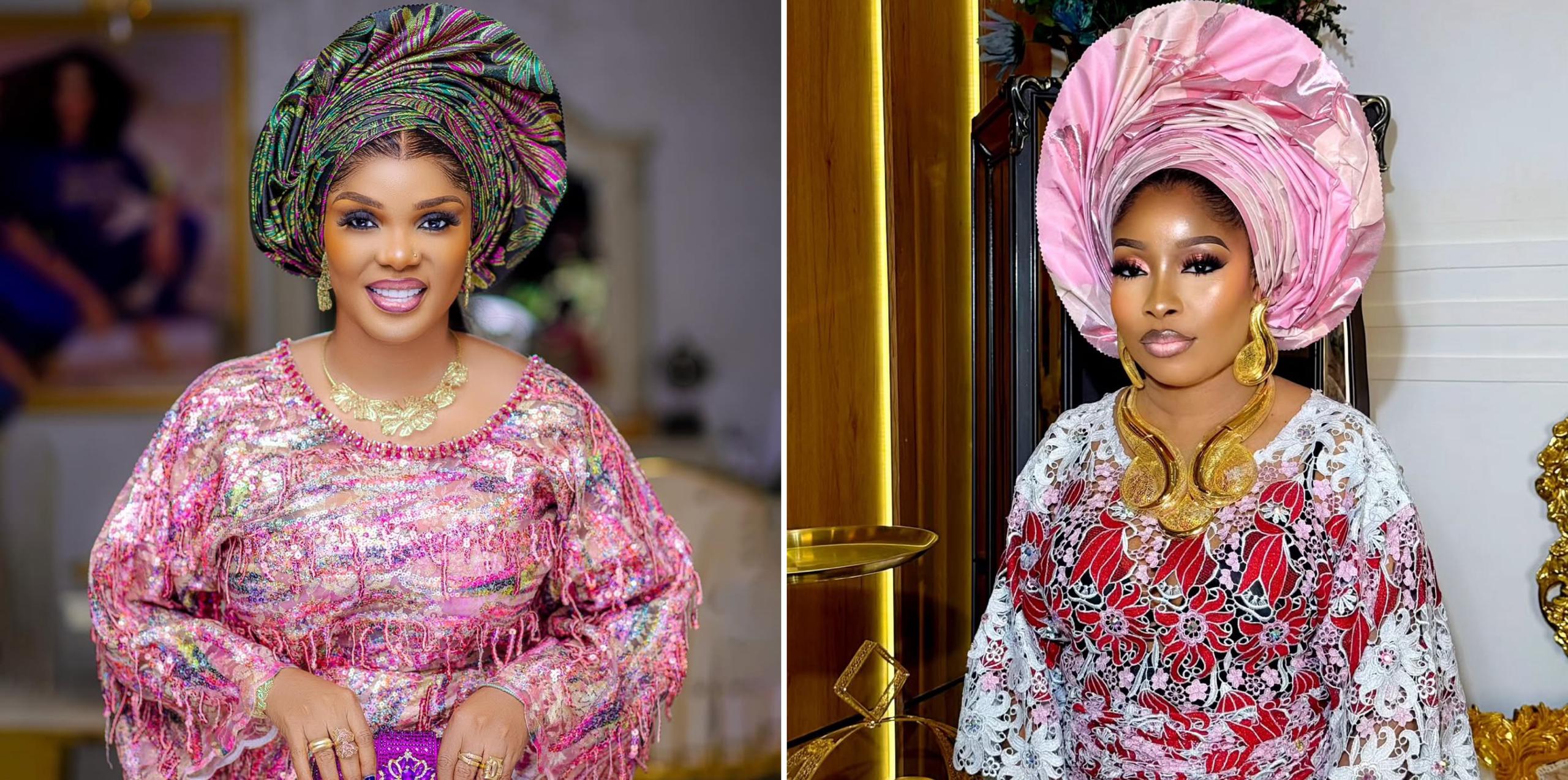
Modern lace palettes from champagne golds to pastel lilacs and monochrome whites are being styled in ways that feel less ceremonial and more fashion-forward. This fusion allows wearers to embody elegance while keeping the cultural essence intact.
Ankara Beyond Owambe

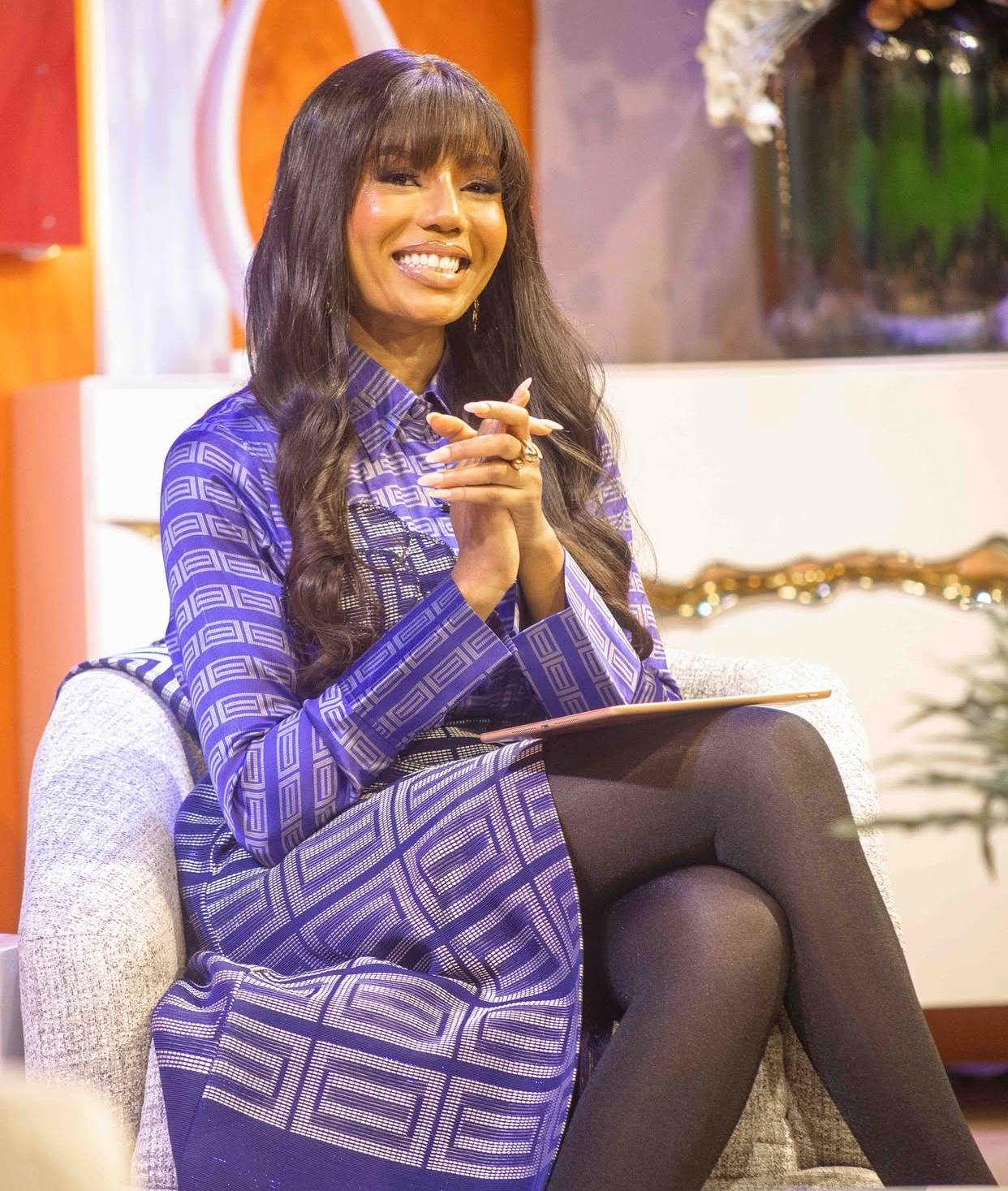
Ankara has long been linked to group “uniforms” for weddings, burials and celebrations. But young Nigerians are rewriting that story. Ankara now graces edgy two-piece sets, tailored blazers, jumpsuits, backpacks, clutch purses, earrings, and even bomber jackets. It’s crossing over into everyday streetwear, styled with sneakers, denim, or bold accessories.
Runway designers and Instagram stylists alike are using Ankara to merge global fashion aesthetics with African identity. Whether it’s a corset top paired with wide-leg pants or a playful wrap dress, the fabric has moved far beyond its ceremonial box into a statement of individuality and creativity.
From Adire to Kampala: A Modern Revival

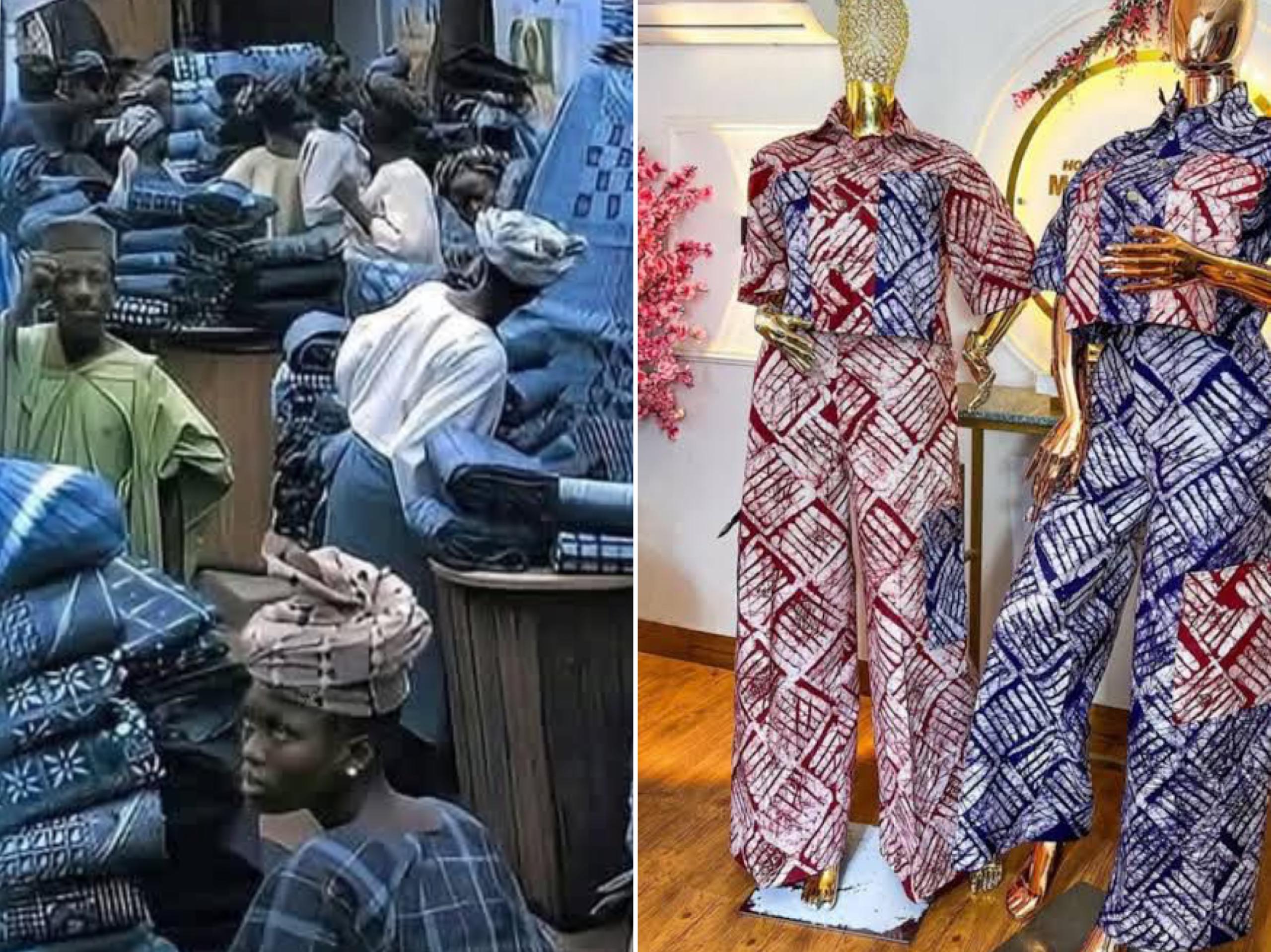
To understand Kampala, you have to trace it back to Adire, the Yoruba resist-dye textile tradition. Adire is painstakingly hand-dyed, usually in indigo, using tying, stitching, or wax techniques.
Kampala, on the other hand, is the mass-produced, printed evolution of that heritage. It borrows Adire’s patterns but renders them in brighter colors and bolder motifs, often through machine printing rather than hand-dyeing. Popularised in the 1970s, Kampala became an everyday, accessible fabric across Nigeria.
Today, Kampala is making a stylish return. No longer limited to wrappers and iro & buba, it’s being tailored into wide-leg trousers, chic jumpsuits, breezy two-piece sets, and the beloved “Rich Aunty” bubu gown. This revival proves that even printed fabrics rooted in tradition can find fresh life on runways, Instagram feeds, and in the wardrobes of fashion-forward youth.
The Gele Reinvented

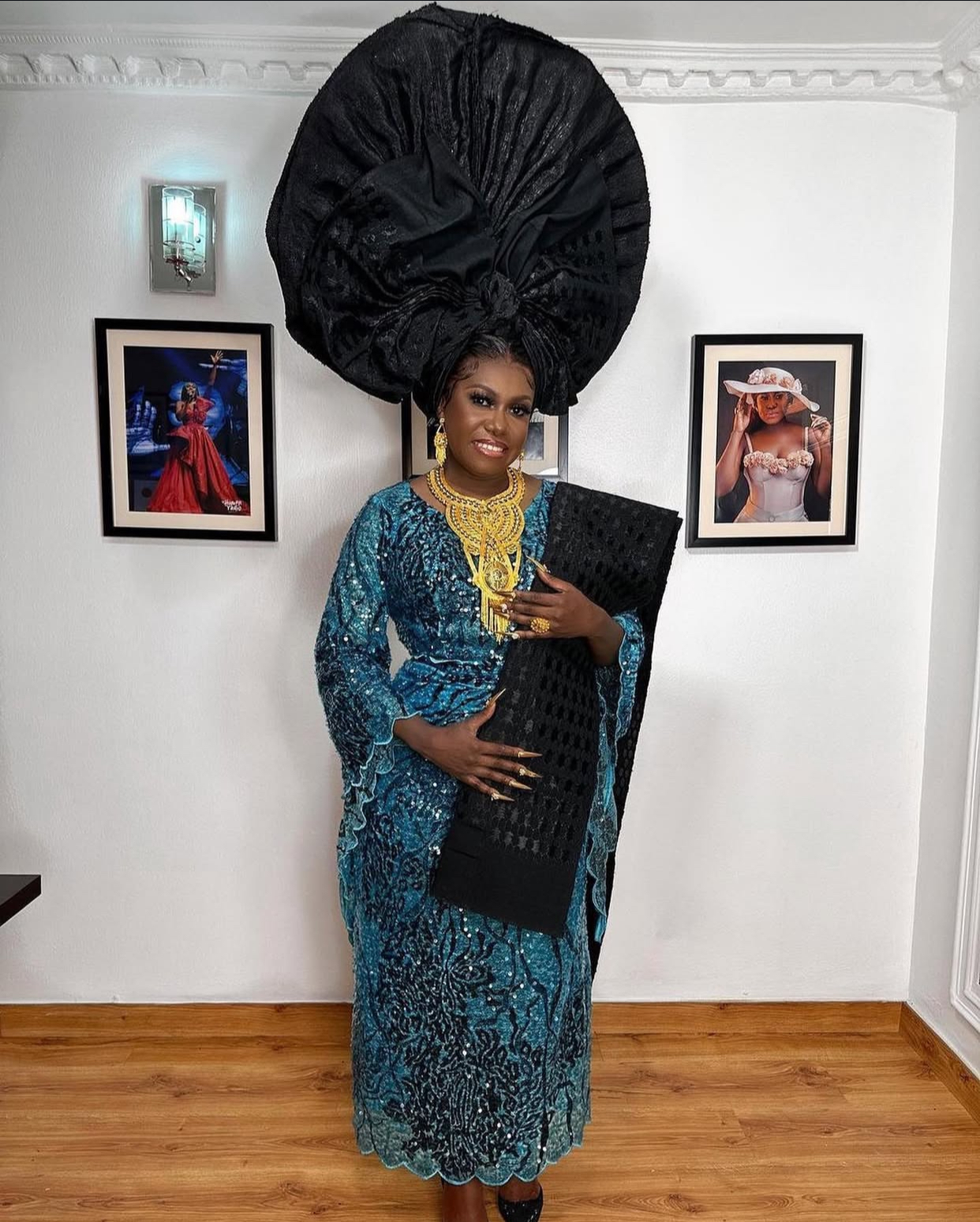
The gele, once stiff and heavy, was an unmistakable symbol of Nigerian womanhood. Today, it has undergone a radical transformation. With innovations like “sego gele”, or the ready-to-wear, pre-tied styles, young women can now rock elaborate headpieces without hours of folding and pinning.

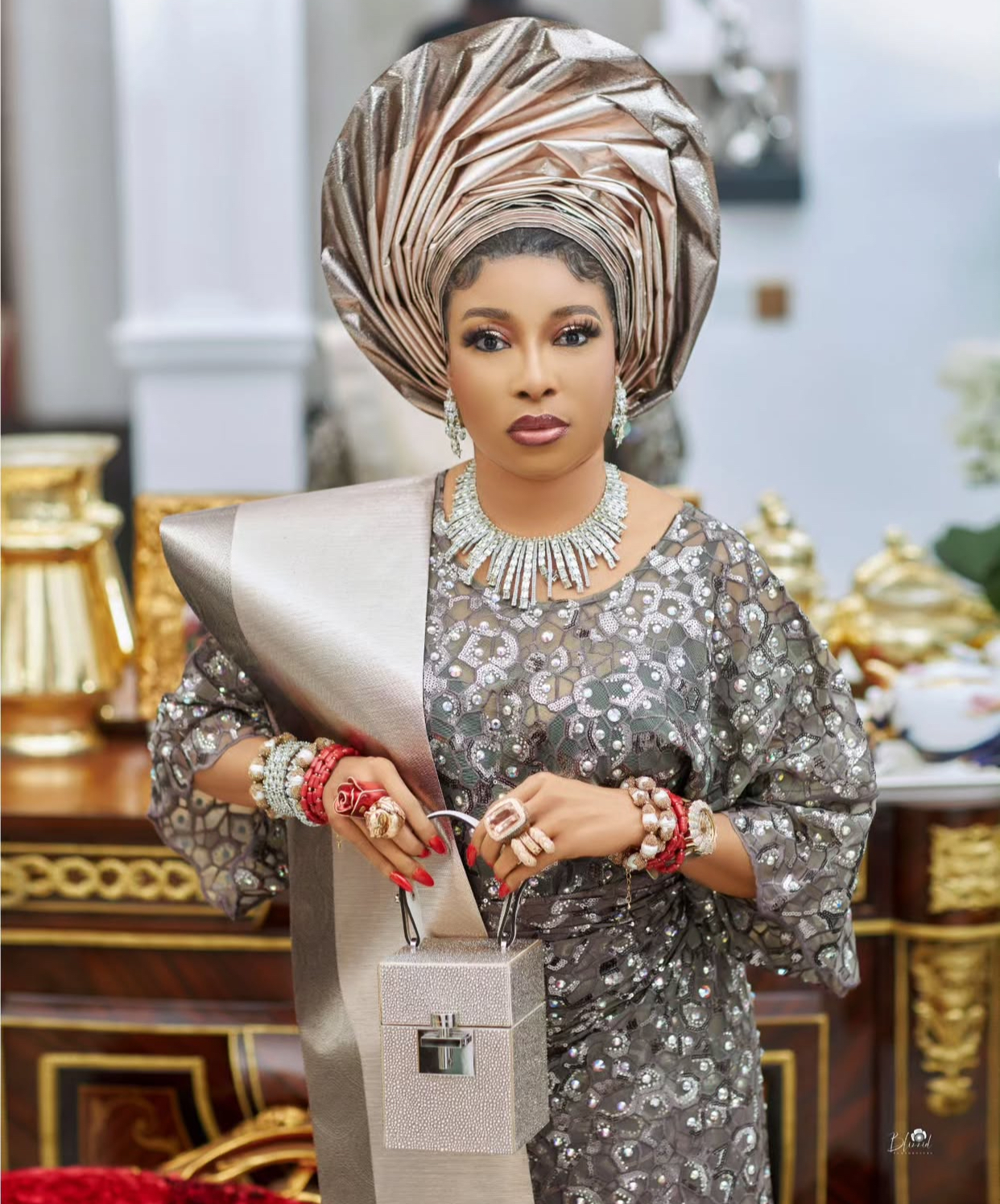
This reinvention makes the gele accessible. It’s no longer reserved for weddings alone, but can be styled for birthdays, galas, or even fashion shoots. Designers are also experimenting with softer fabrics and sleeker shapes, giving gele a modern, almost sculptural aesthetic.
Why It Matters: Fashion as Cultural Reclamation

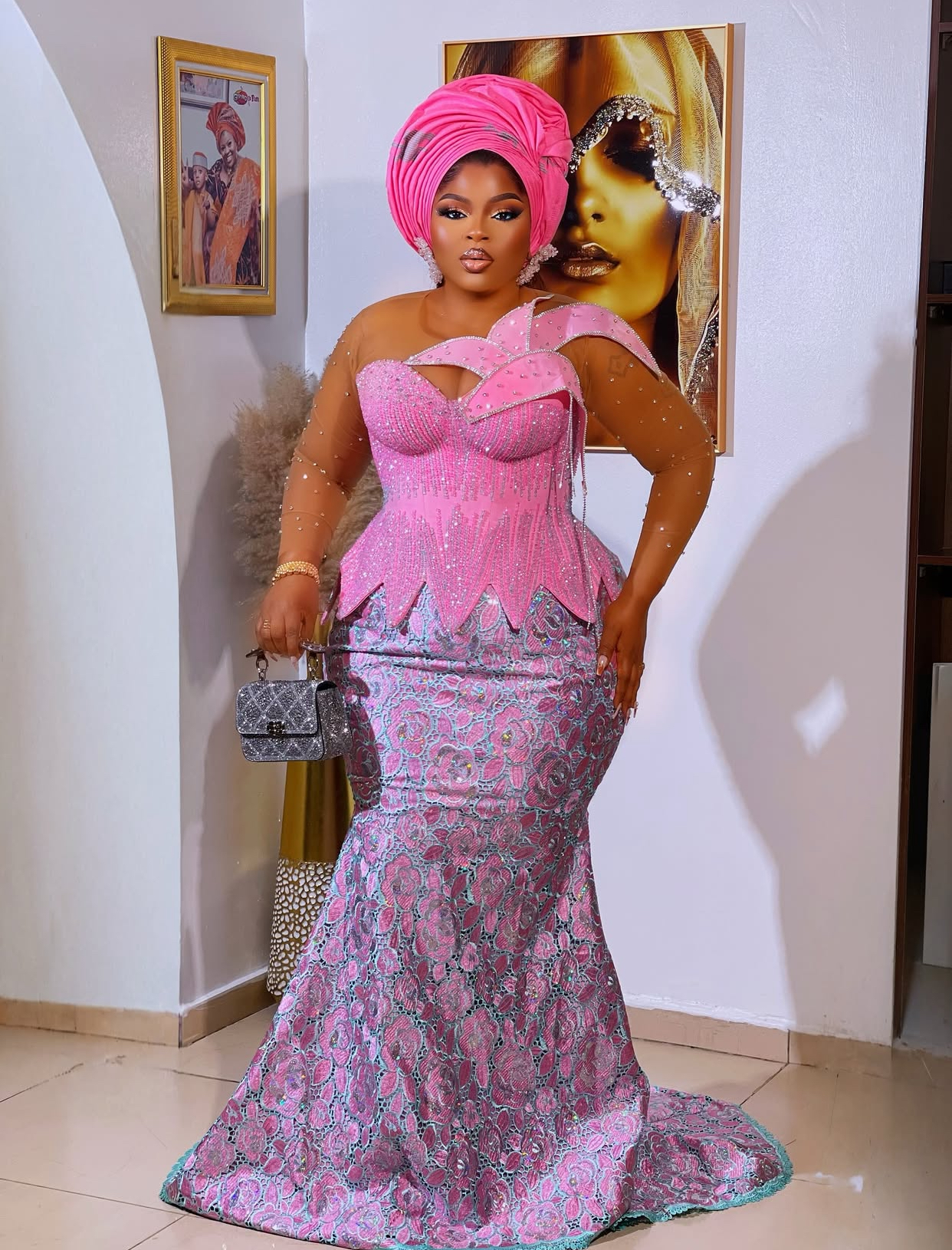
This revival is more than a trend cycle, it’s a cultural reclamation. For decades, Western fashion often dominated as the “standard” of style. But young Nigerians are confidently reclaiming heritage by giving traditional fabrics new life. Wearing lace in a modern cut or slaying in a Kampala jumpsuit is not just about aesthetics; it’s about identity, pride, and storytelling.
Instagram feeds and fashion runways prove the point: the past is stylishly present. What our grandmothers wore with grace is now being reinterpreted with flair by their granddaughters and the world is paying attention.
In essence, Nigerian fashion isn’t just reviving old-school looks. It is remixing them, making the traditional timeless.