

The Lagos real estate market is a theater of promises. On the surface, it glitters with possibility—prime land in Lekki promising “future Dubai,” lush plots in Epe advertised as “the new oil city,” and developers who swear the land is “secure and in process.” But beneath the glossy brochures lies a legal minefield. Many unsuspecting buyers, caught up in the feverish chase for property in Africa’s most ambitious city, have signed documents with hearts pounding—only to discover, too late, that what they paid for never legally existed.
One word haunts these stories: excision.
Excision is not just a technicality. It is the thin line between inheriting a dream and financing a nightmare. It is the difference between your investment growing into a future estate and your millions vanishing into smoke. To buy land in Lagos without understanding excision is like stepping onto a battlefield blindfolded. You might walk across safely, but history suggests more often than not, you’ll step on a landmine.
The question is not whether excision matters—it is why every single buyer, from the first-time investor saving salaries to the billionaire developing estates, must treat it as a life-and-death clause.
The Shadow of 1978: The Law That Changed Land Forever
To understand excision, one must step back into the 1970s. Before 1978, land in Lagos—like across Nigeria—was largely held by families, lineages, and communities. Ownership was ancestral. Land was an inheritance, passed down through oral traditions, family boundaries, and community recognition.

Then came the Land Use Act of 1978. In a sweeping stroke, the law vested all land in each state under the control of the state governor. The indigenous families—custodians of land for generations—woke up to find themselves technically dispossessed. Their ownership rights had been reduced to “customary rights of occupancy,” revocable at the governor’s discretion.
It was both a legal revolution and a cultural earthquake. The state now had ultimate control over land, but communities resisted quietly, still selling land to developers and individuals as if nothing had changed. Conflict was inevitable.
The government recognized the tension. As a compromise, it introduced the process of excision—a mechanism by which the government could officially release portions of land back to indigenous families or communities. Once excised, such land was recorded in the official government gazette, making it legally recognized and free from state acquisition.
This meant that for every buyer in Lagos, excision became the lifeline: proof that the land being sold was not part of government-reserved territory, free for lawful development, and eligible for a Certificate of Occupancy.
The Gazette: Lagos’ Sacred Scroll of Land Freedom
The gazette is one of the most underestimated documents in Lagos real estate. To the trained eye, it is not just a publication—it is a shield. Containing survey coordinates, descriptions, and government seals, it is the physical evidence that a community’s land has been excised and is now legally recognized.

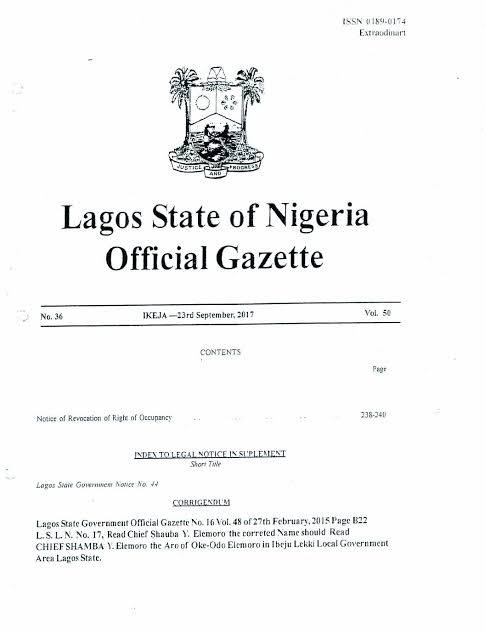
Without the gazette, words like “community land” or “family land” are fragile claims. With the gazette, those claims transform into rights. This is why the phrase “land with excision” in Lagos real estate is powerful—it means that the government has formally recognized the release of that portion of land, freeing it for lawful private ownership.
But here lies the catch: many agents and developers exploit the language of excision. They say “excision in process” or “file number approved.” For desperate buyers, these words sound reassuring. But history shows these are often the first steps into disaster.
The Fraud of “Excision in Process”
Few phrases in Lagos real estate are more deceptive than “excision in process.”
What it often means is this: the community or family has applied to the government, asking for a portion of land to be excised. A file number is generated. But a file number is not approval. It is simply a receipt of application, no more binding than a post office slip. Many such applications languish for decades, never processed, never approved.
Unsuspecting buyers, however, are lured into purchasing such land, believing it is only “a matter of time” before excision is granted. In reality, the government may never approve the application. Worse still, if the land falls under future government acquisition plans—say for infrastructure, roads, or housing projects—the application dies permanently, and the buyers lose everything.
Real estate lawyers in Lagos often call “excision in process” the cruelest trap. It thrives on the naivety of buyers and the hunger for cheap land. The cheaper the land, the higher the likelihood it is tied to this illusion.
Historical Lessons: Maroko’s Disappearance
History in Lagos is littered with land tragedies. None is more haunting than Maroko, a densely populated settlement near Ikoyi. For decades, it was home to tens of thousands. Families built houses, raised children, and built communities.
Then, in July 1990, bulldozers rolled in. The Lagos State government declared Maroko an illegal settlement and forcibly evicted its inhabitants. Overnight, the community was wiped off the map. Residents—many of whom had lived there for generations—were displaced with little or no compensation. Their claims of ancestral ownership were crushed under the weight of state authority.
Maroko was not about excision per se, but it stands as a chilling reminder: in Lagos, land without government recognition is vulnerable. Ownership is fragile unless secured through proper excision and gazette.
Echoes from the Colonial Courtroom: Amodu Tijani Oluwa
Go further back in history, and you meet Chief Amodu Tijani Oluwa, who in the 1920s took on the British colonial government over land rights in Lagos. When the colonial authorities tried to seize Apapa land, Oluwa fought back, eventually taking his case to the Privy Council in London.

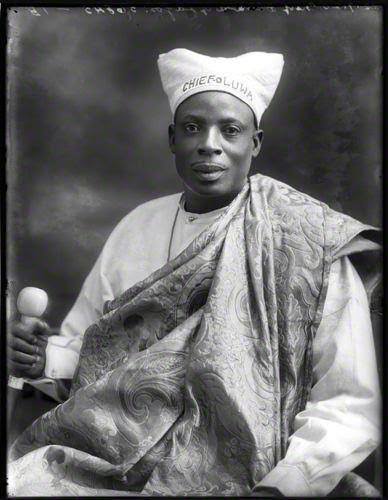
In 1921, the Privy Council ruled in his favor, affirming that land belonged to the indigenous families, not the colonial administration. It was a landmark victory, a recognition of ancestral land rights over imposed authority.
The irony is striking: nearly sixty years later, the Nigerian government would impose its own sweeping control with the Land Use Act. Once again, communities had to fight back, this time through excision. Oluwa’s struggle and victory remain a symbolic backdrop to today’s battles over excision in Lagos.
Real-Life Scars: Buyers Who Lost Everything
Across Lagos, there are countless stories of ordinary people who invested life savings into land without understanding excision.
In Igbo-Efon, Lekki, a couple invested ₦280 million in a parcel of land, trusting the documents provided. Later, they discovered the land was under government acquisition. Their dreams of building a family home collapsed into legal wrangling, with no restitution in sight.
In Ibeju-Lekki, the epicenter of Lagos’ “New Dubai” narrative, entire estates have been sold on the promise of “excision in process.” Years later, buyers still clutch useless receipts, while government bulldozers clear the land for road expansion and industrial projects tied to the Dangote Refinery and Lekki Free Trade Zone.
Even middle-class buyers—civil servants, teachers, nurses—have been caught in the snare. Their savings vanish, their hopes for generational wealth evaporate, and their anger is swallowed by the sheer complexity of Lagos land laws.
Why Excision Matters More Than Ever
Lagos is expanding at a rate unmatched in Africa. From Epe to Badagry, land speculation is fierce. The city is projected to reach over 30 million residents within the next decade. Infrastructure projects—new airports, ports, expressways—are reshaping the map.
In such a climate, government acquisitions are constant. Land earmarked for future projects may seem like prime real estate today but will be swept away tomorrow. This is why excision matters: it is the only mechanism that transforms ancestral claims into recognized ownership, shielding buyers from sudden state acquisition.
Without excision, buyers are essentially tenants at the mercy of the state. With excision, they hold the foundation upon which every other title—survey, deed, Certificate of Occupancy—rests.
The Human Side of Excision
Excision is not just a legal process—it is human drama. It determines whether a widow in Ajah can pass her small parcel of land to her children. It decides whether a group of young professionals pooling funds to buy land in Epe are securing their future or burning their money.
It shapes communities, estates, and generations. When a piece of land is excised, families regain dignity. When it is not, they live in limbo, selling portions to survive, yet unable to assure buyers of legitimacy.
This is why real estate agents, developers, and buyers must speak of excision not as a technicality but as a heartbeat. Without it, every structure is fragile. With it, every dream has a chance to stand.
The Responsibility of the Buyer
Lagos is not forgiving to the careless. A buyer cannot rely on glossy brochures or verbal assurances. Due diligence is non-negotiable. The buyer must:
- Demand proof of gazette publication.
- Engage independent surveyors to confirm boundaries.
- Hire real estate lawyers to vet every claim.
- Speak directly with community elders to corroborate history.
This may seem cumbersome, but the alternative is ruin. Lagos real estate is littered with the graves of those who cut corners.
Final Takeaway: The Final Pause Before the Pen

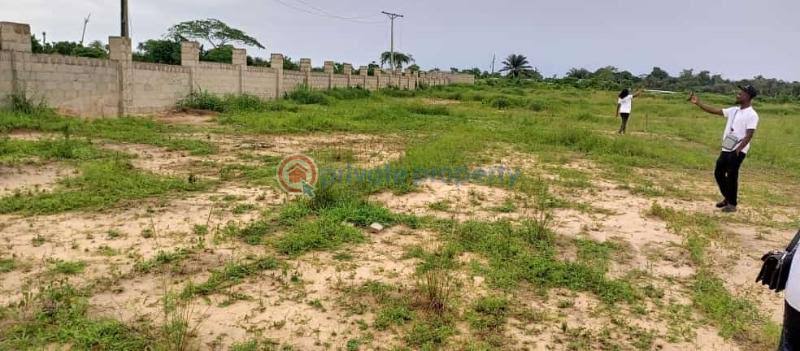
Imagine the moment again—you sit before a contract. The seller assures you, “Excision in process.” Your heart quickens. But this time, you know better. You pause, you investigate, you insist on the gazette, you demand proof.
That pause may save you from Maroko’s fate, from Igbo-Efon’s loss, from Ibeju-Lekki’s illusions.
Excision is not paperwork. It is survival. It is the invisible wall between a dream home and a bulldozer’s blade. It is the compass guiding buyers through Lagos’ legal maze.
In Lagos, every buyer must understand excision. Without it, you are gambling in a rigged casino. With it, you are anchoring your future on solid ground.